Street food

IMG_0502

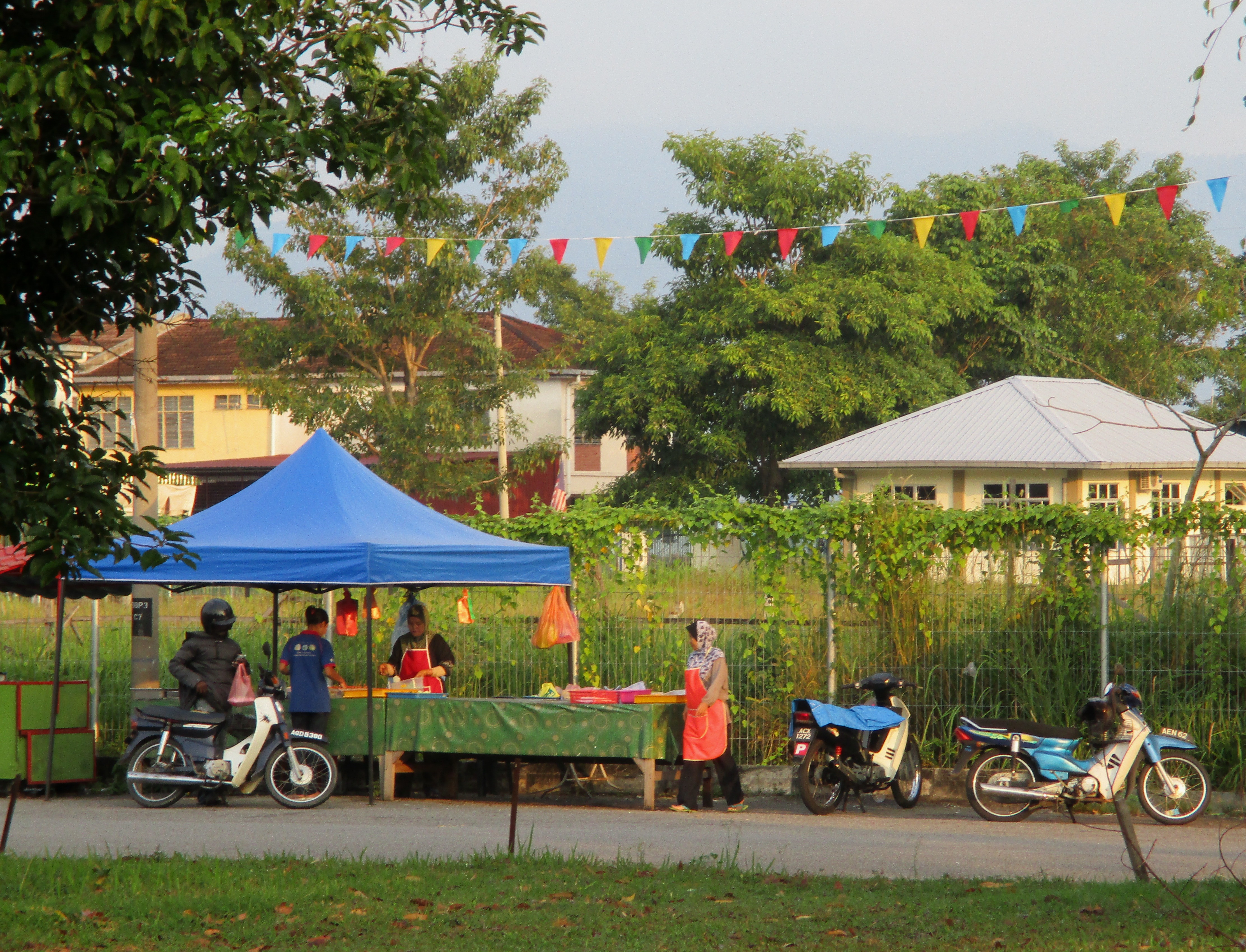
There are scores (probably hundreds) of stalls selling all kinds of food along Ipoh’s streets every day. We drive by and are intrigued by the variety of food on offer, from whole or peeled fruit, to baked goods, to hot dishes served on rice or noodles – always in the ubiquitous pink plastic bags that you then see strewn all over the place. We’ve never bought anything from a street stall because we have sensitive antipodean stomachs that cannot even cope with drinking water straight from the tap! Hygiene standards are patchy and there is no refrigeration in sight. There is a vibrant night food market that we have been to several times. You choose your food from any number of stalls and the stall holder brings it to you when it is ready. It is easy to pick us out of a crowd but I am not sure how they find locals among the hundreds of tables that fill the area. It is a pleasant experience, eating outdoors in the balmy evening among crowds of local people. However, we’ve not been back since our last street meal had us running for the bathroom the following morning!
Weddings

IMG_0015

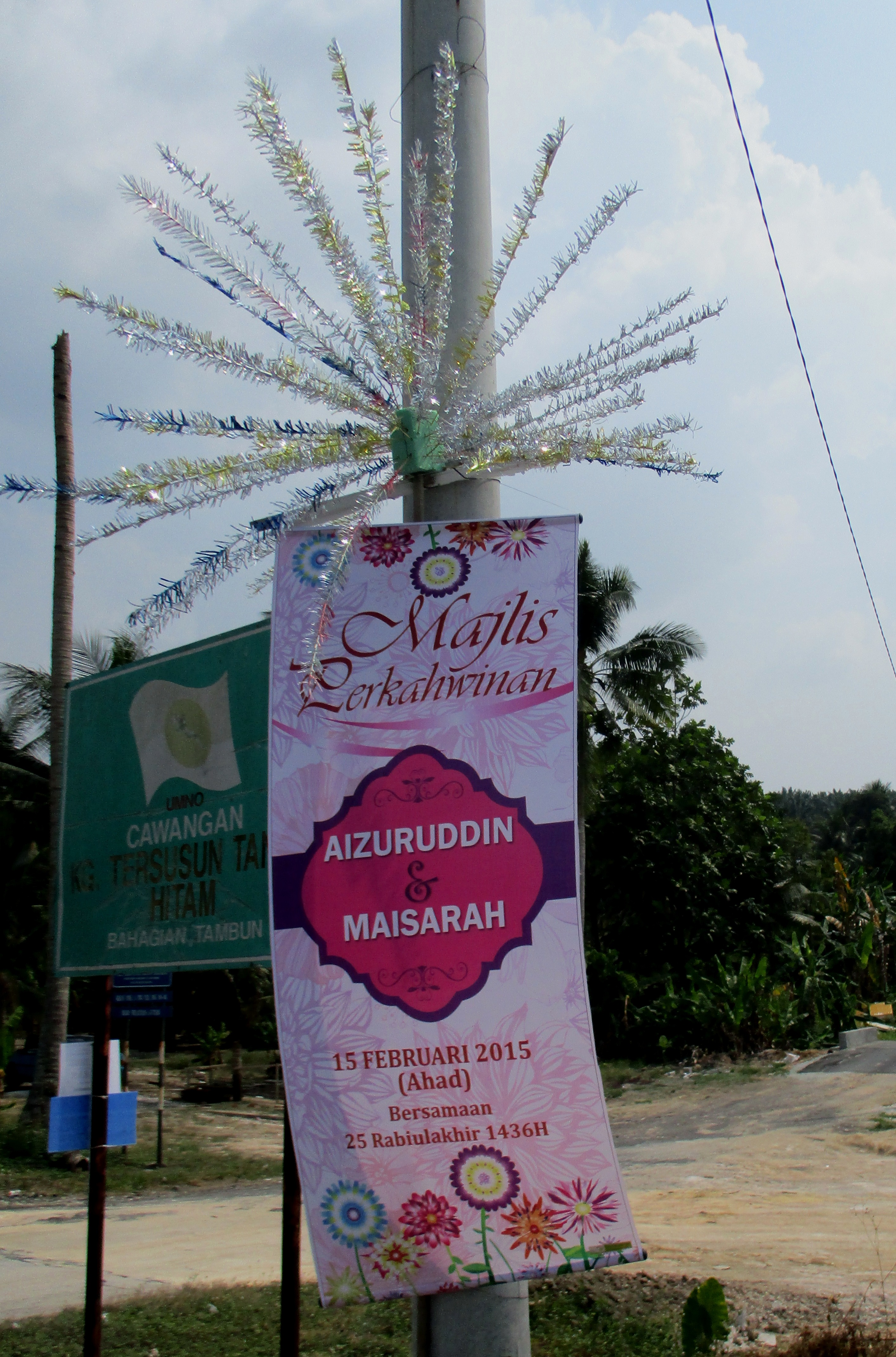
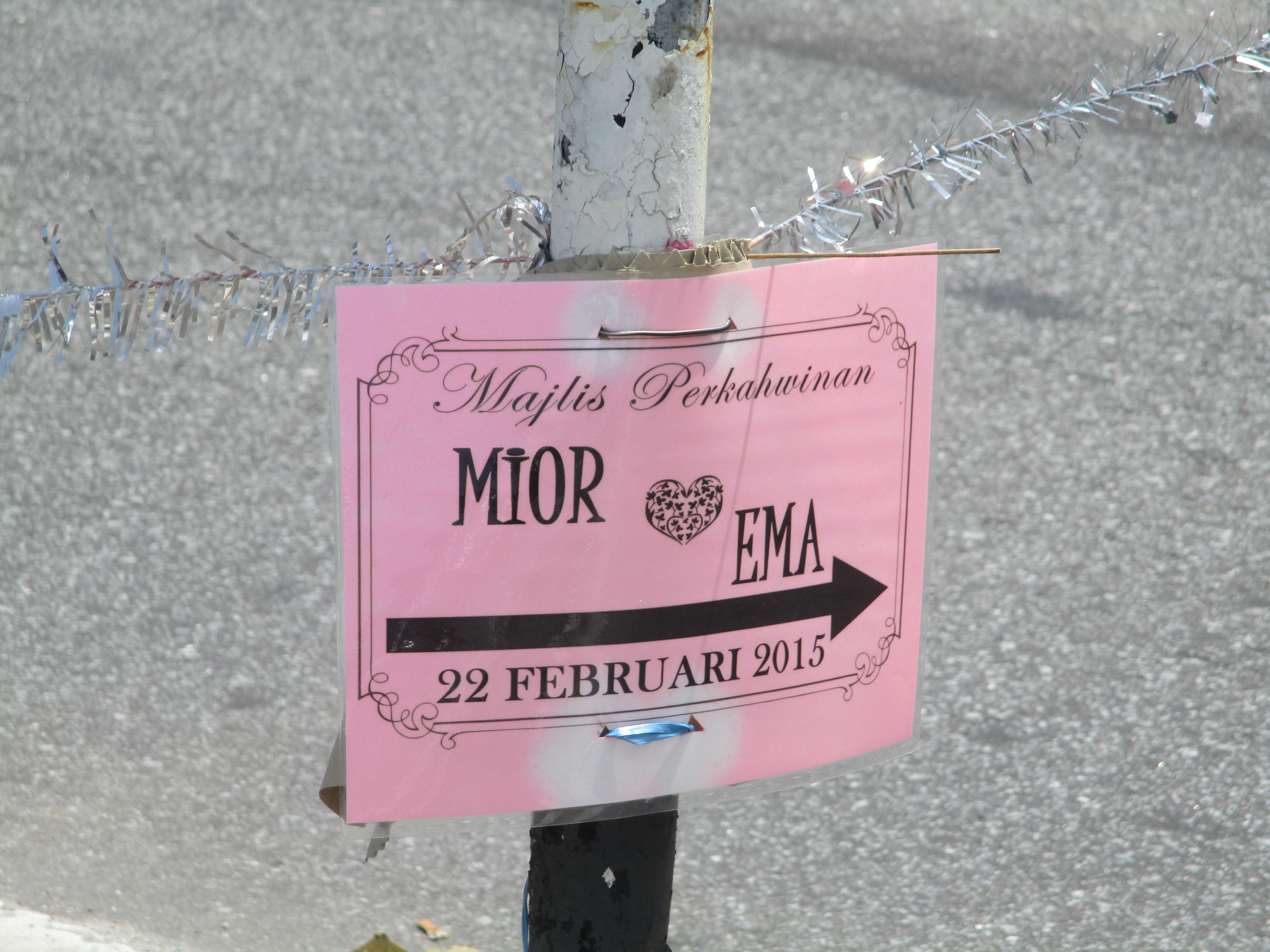
You see notices like this at many intersections around Ipoh. They may include arrows to show wedding guests where to go. This is one of the more elaborate ones I’ve seen. Often they are simpler (like the one below) and may or may not involve tinsel. But they always include the names of the bride and groom and some indication  of where the celebration is being held.  ‘Majlis perkahwinan’ means ‘wedding reception’ and this is followed by the names of the pair to be married, the date of the reception and where it is to be held. I presume that this practice has arisen because finding one’s way around the city is not easy. Locals often don’t know the names of the roads, many of which now have different names from the colonial names of the past. We’ve become like locals in that we find our way and give directions using landmarks rather than  addresses.

IMG_0419

A friendly face

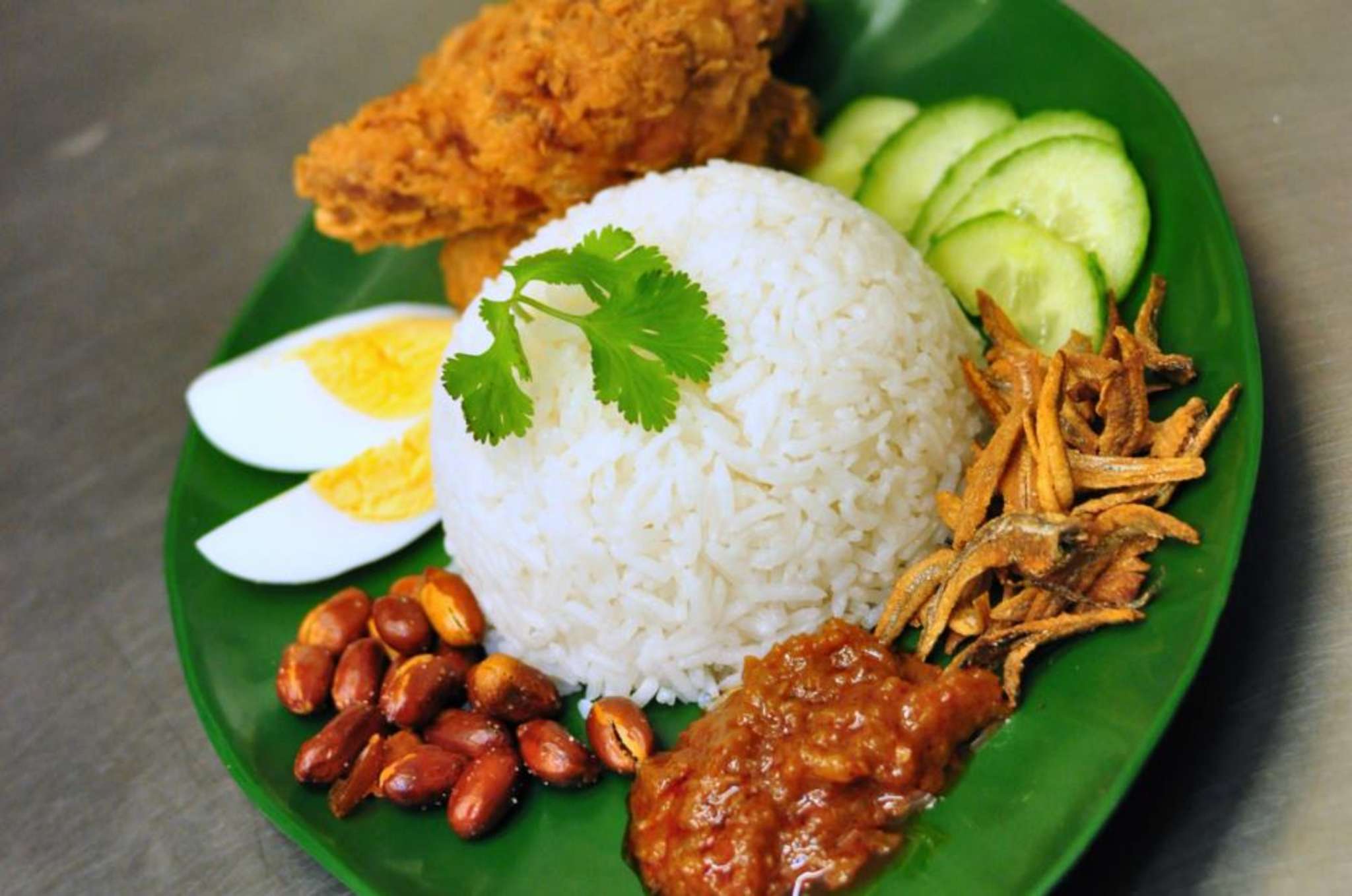
nasi lemak

One of our friends from Auckland (actually our daughter’s uni friend!) who grew up in KL is here visiting her family. We met up this week. It was such a  pleasure to talk to someone who knows what it’s like to live in both Malaysia and New Zealand. We chatted for almost two hours.  I probably talked too much, not that she gave any indication of being bored! We chose a restaurant that served local fare – she wanted some Malaysian food and I chose nasi lemak, which could be considered the national dish here. Though there are many variations, nasi lemak consists of fragrant rice and a hot spicy sauce with side dishes of sliced cucumber, roasted peanuts, boiled eggs and small fried fish. However, the food was almost incidental to our very enjoyable afternoon.

Shrines

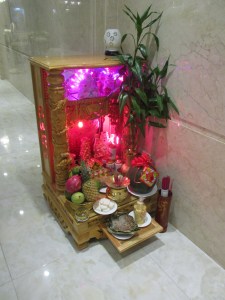
Although most Vietnamese people are not very religious (surveys indicate that only 20% identify with a particular faith), we were struck by the shrines we saw everywhere.  Most of them are well-maintained and many have burning candles and incense sticks, which are lit and tended to. We were wary about taking photos in case this was offensive but were assured that it was not. The little reading I’ve done on the subject reveals that many Vietnamese subscribe to Tam Giao, which is a fusion of Chinese (Confucian, Taoist and Buddhist) beliefs and ancient Vietnamese animism. The state, of course, is Communist and we were granted our visitor’s visas by the Socialist Republic of Viet Nam.

Motorcycling in Vietnam

???????????????????????????????

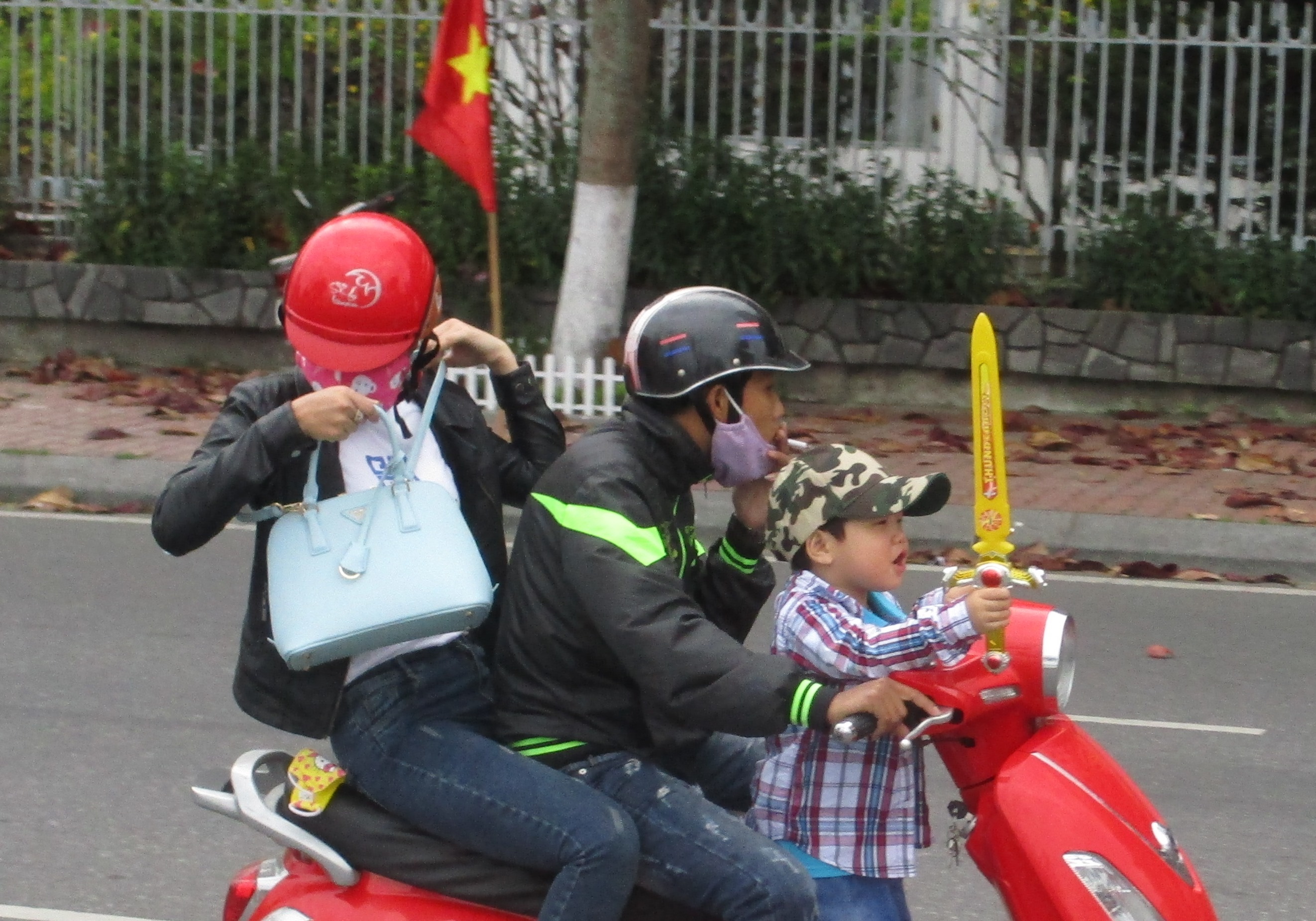
Motorcycles are the only form of transport for many Vietnamese families. To see a whole family (mum, dad and anywhere from one to four children) on one bike is not at all unusual. There are thousands of motorbikes on the road at any one time and they outnumber other vehicles by about 10 to one.  And we were in Da Nang. I imagine that the traffic in Ho Chi Minh City and Hanoi is far denser. Even less notice is taken of red lights than in Ipoh and motorcyclists don’t even seem to slow down at intersections. Somehow they all manage to miss each other most of the time (we did see one collision) aided by enthusiastic and consistent use of horns. The photo above is a good example of the way in which motorbikes are used in Vietnam. Each member of this family is doing something other than concentrating on the traffic – mum is searching for something in her handbag, son is brandishing a sword (perhaps in an effort to keep other motorcyclists at bay) and dad has removed the mask that protects him from the polluted air to take a long pull at his cigarette!

Hoi An

???????????????????????????????

This is the covered bridge first constructed in Hoi An in the 1590s by the Japanese to link with the Chinese area across the stream. Though much has been done to the bridge in the intervening years, apparently the original design is still evident. It certainly makes for an intriguing entry into the old town – the entrances are guarded by statues of a pair of monkeys at one end and a pair of dogs at the other. The old town is a delight to visit. Houses several centuries old still exist and the influence of all the various nations that traded in this significant port on the South China Sea (including Chinese, Japanese, Dutch, Portuguese, Indian, Thai, French) can be seen. It is wonderful that this atmospheric place has survived, particularly when you consider the the savage wars of the 20th century, and great that it is now safeguarded as a Unesco World Heritage site.