Going green

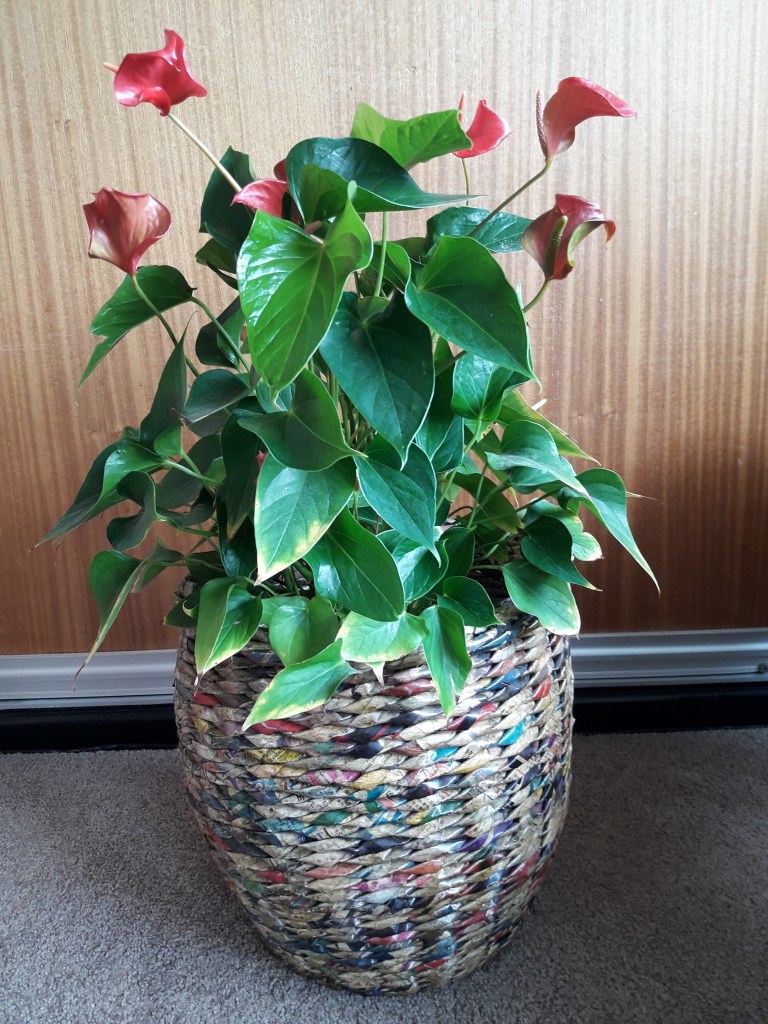
For months we’ve relied on our indoor plants for greenery. It hasn’t rained properly for weeks and outside plants, trees and fields are dry and brown. But yesterday and today it has rained off and on continually and one can almost watch the paddocks going green. How welcome this is when one is isolated – all New Zealanders are now working from home unless they are in an essential business. All our indoor plants have new green shoots, which seems like a welcome act of optimism, and helps counter the grey skies and feelings of impending doom. Stay safe everyone and be kind to yourselves and others.

Alexandra redoubt

008

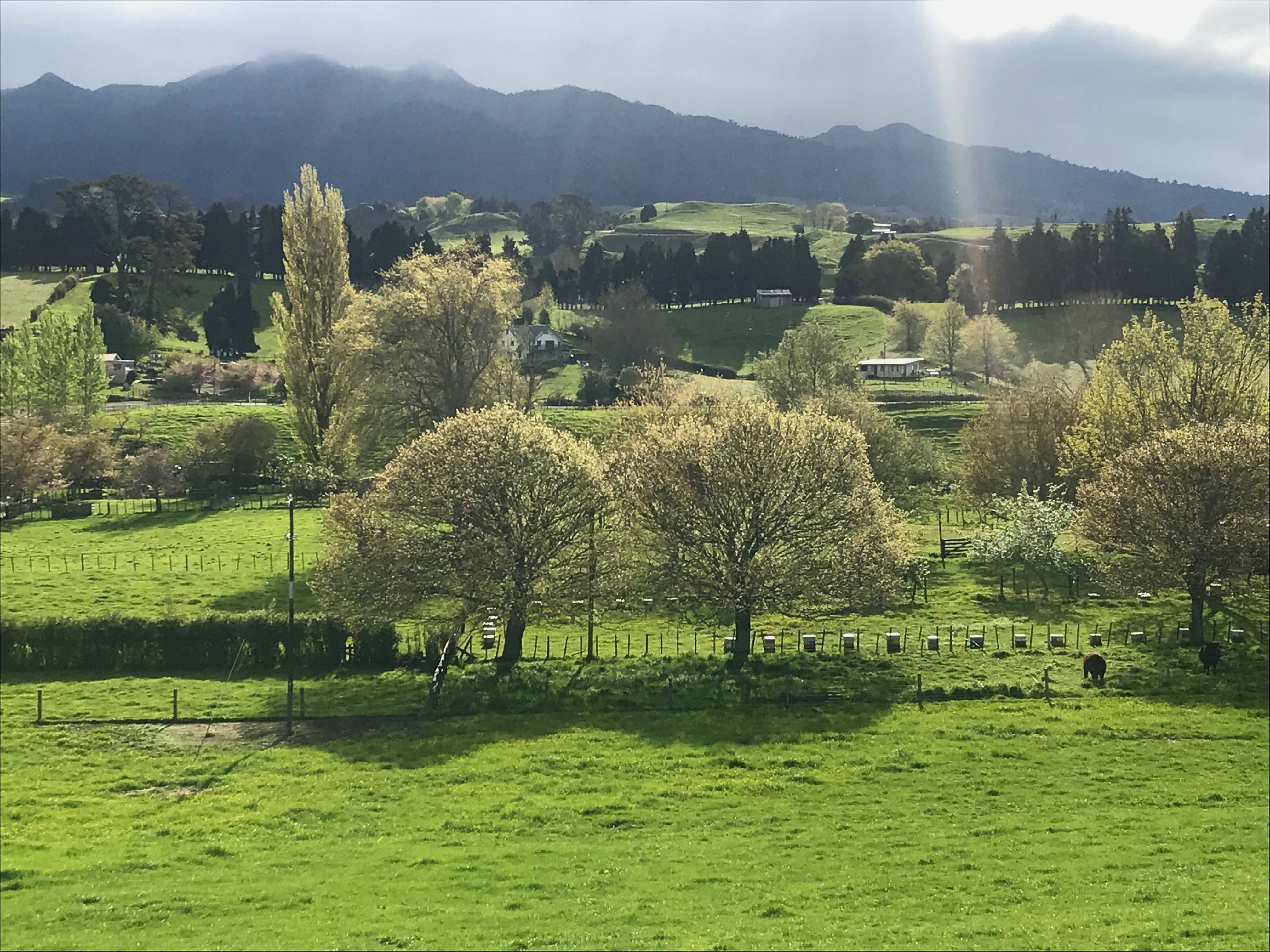
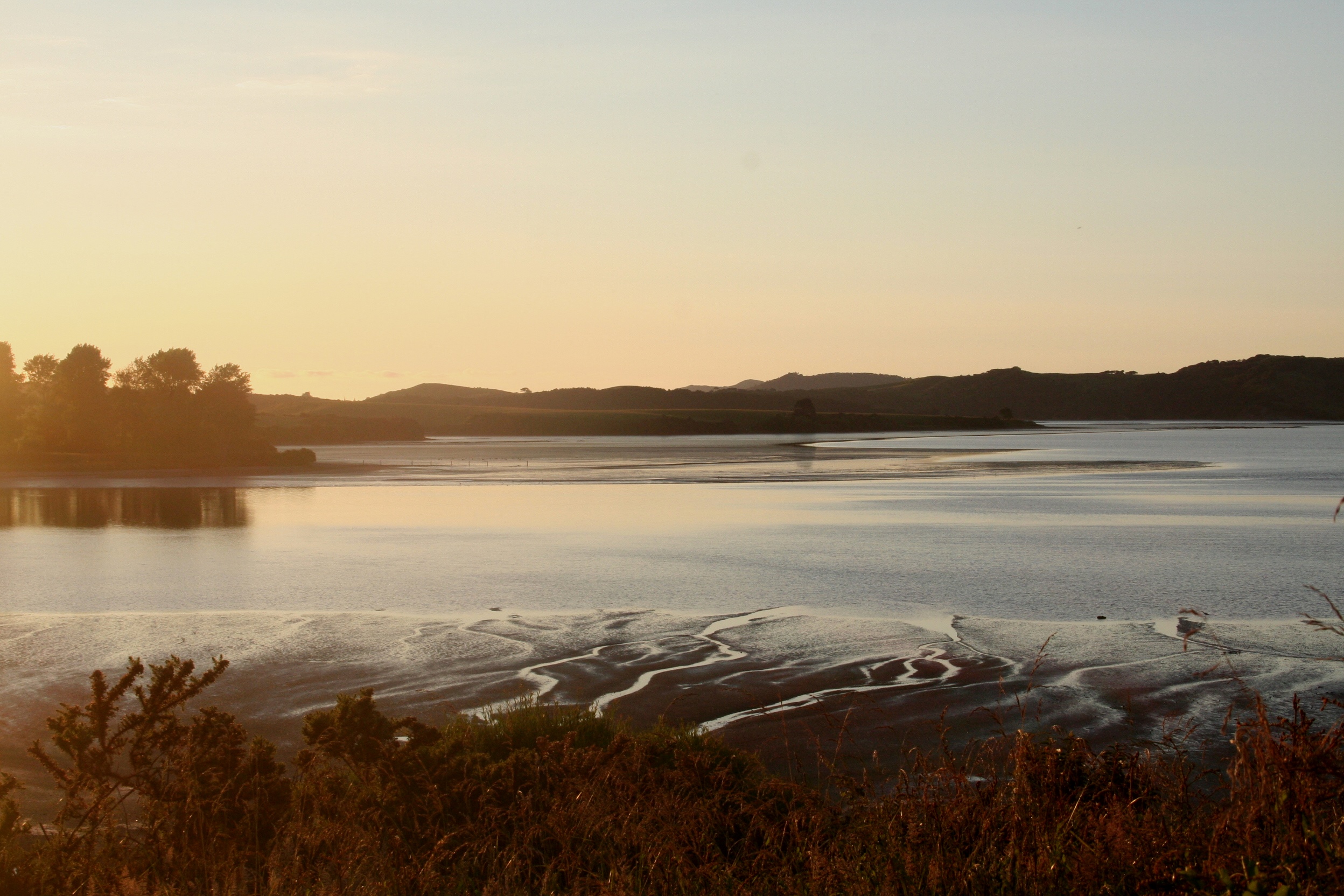
Yesterday it felt like summer may be on its way, helped by daylight saving which began on 29 September. The late afternoon was warm and windless so we took ourselves to Pirongia. A little way out of the small town is the Alexandra redoubt, which was built by the British colonial forces after Māori had been forced back behind the confiscation line. Tawhiao and his people settled in Whatiwhatihoe, just two kilometres beyond the aukati, Māori for the line that should not be crossed. Settlers in Pirongia (then called Alexandra) were afraid their small settlement was vulnerable to attack and so the redoubt was built. Pirongia was never attacked and the relationship between Māori  and Pākehā was remarkably good considering that more than a million acres of highly productive land had been confiscated. We stood on the grassy slope of the redoubt and gazed at the bucolic scene in the photo above. It was so peaceful bathed in the glow of the evening sun that is was hard to imagine the violent events of the 1860s and the extensive loss and deprivation that ensued for so many. It is also worth reflecting that keeping the redoubt maintained so that the public can visit it and read the history on the boards at the entrance is a good way of keeping alive this story and its meaning for us.

The east coast

Mount MaunganuiReaders of this blog will know that our favourite New Zealand seaside spot is Raglan, which is on the west coast of the North Island, south-west of the Waikato city of Hamilton. But last weekend we ventured over to the east coast to Mount Maunganui, known locally as the Mount. The two coasts couldn’t be more different. Raglan has waves courtesy of the Tasman Sea breaking off a series of points, black volcanic sand and a steep ridge line descending to the beach. Access to the beaches at the Mount is through gently undulating dunes and you emerge onto a wide white sand shore. There are some surf spots but generally the waves are small and placid as befits the Pacific Ocean. Raglan has kept its small surfer town feel whereas the Mount is all large modern houses, shopping centres and restaurants. Nevertheless we had a good day – Jim got into what surf there was and I took a long walk down the beach towards the mount itself and then followed the track that goes right round it. We got some tasty lunch from the food trucks that line the main beach before heading back across the Kaimai Range, which separates the Bay of Plenty from the Waikato.
A safe harbour

Raglan harbour

New Zealand should have been a safe harbour for Khaled Mustafa and his family. They are Syrian refugees who arrived here in 2018 after spending years in a camp in Jordan. Khaled is a farrier and he thought New Zealand would offer a future for him, his wife and three children. Last Friday Khaled and his son Hamza were murdered in a Christchurch mosque where they were saying their Friday prayers. And nothing will ever be the same – for Salwa, Khaled’s wife and Hamza’s mother, their son and brother Zaid, who is recovering from two gunshot wounds to his leg in Christchurch hospital, and their 10-year-old daughter and sister. And nothing will ever be the same again for any New Zealander.

Lost duck

IMG_2802

You have to love New Zealand! I’ve had the radio on in the kitchen while I cook and have just heard a news bulletin on the RNZ channel. The last item in this broadcast was from and for Masterston (a town of about 25,000 people 100kms north-east of Wellington) about an injured duck that was seen flying away from a fire. The community has been asked to keep an eye out for the duck. Some New Zealanders complain about trivial items on the news but I found this refreshing. It is also a welcome break from the news items about devastation from earthquakes and tsunamis, entitled white men insisting that their power not be diminshed, people being poisoned by secret agents from countries they used to live in … to say nothing about the daily outrages committed by the stable genius who lives in a house that is painted white.

Palmy

Manawatu

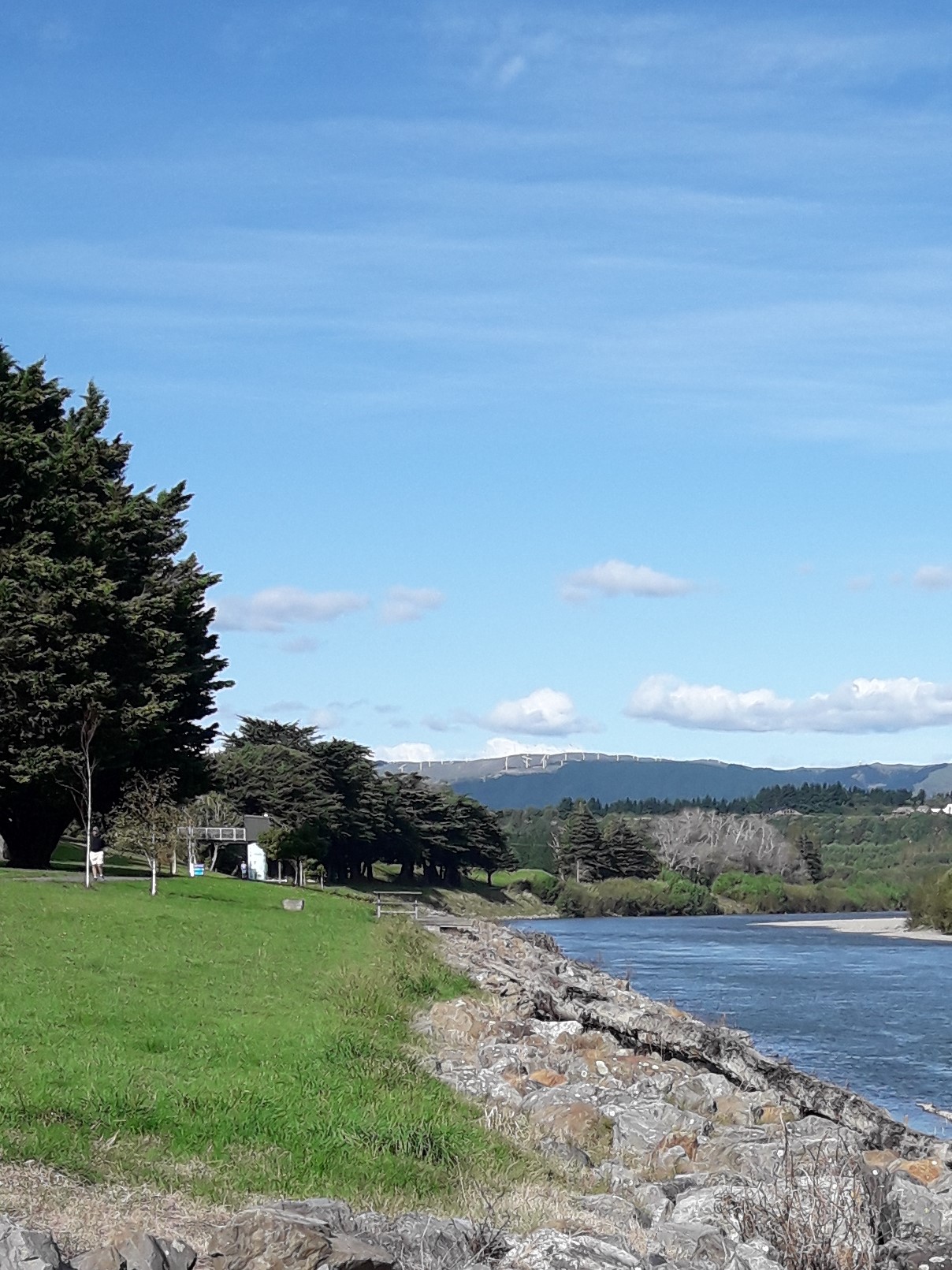
We spent some time in Palmerston North last week. This is the first time I’ve explored this much maligned town and I was agreeably surprised. The town centre surrounds The Square, which has pleasant gardens and plenty of benches. There are interesting shops and cafes fragrant with coffee. There is a fantastic bookshop (https://bmbooks.co.nz/) and I had a long, interesting conversation with the proprietors of Pork Chop Hill clothing (https://www.porkchophill.nz/) about the origin of the name of their business. The art gallery and museum (https://www.temanawa.co.nz/) are well worth a visit. Best of all are the gardens and walking/cycling paths along the Manawatu River (see pic above). There is a paved path all the way along the river and it is well-used, judging by the number of cyclists I saw. There are also walking paths through the bush between the gardens of Victoria Esplanade and the river. These are a delight because of the dense foliage and the cacophony of birdsong. Go to Palmy – you may be as surprised as I was.

Waka on the Waitemata

Waka

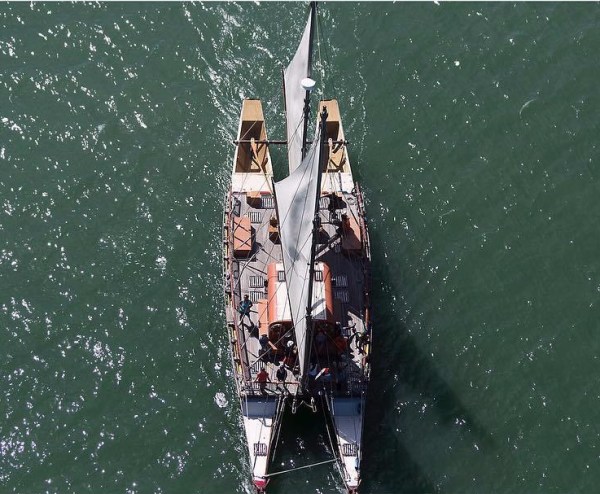
This experience is one of the highlights of my year in Auckland – sailing on the Waitemata harbour in a waka, a traditional double-hulled canoe, with an expert crew of Maori sailors. As we went under the harbour bridge, photographer Chris McKeen snapped this amazing photo. Look closely – I am standing to the left of the front sail, wearing a blue cap. It was a gorgeous summer’s day with smooth water and deep blues skies. We meandered around the harbour with its spectacular views of Auckland city and some of the islands of the Hauraki Gulf. I will never forget it.

Wellington on a beautiful day

Welly

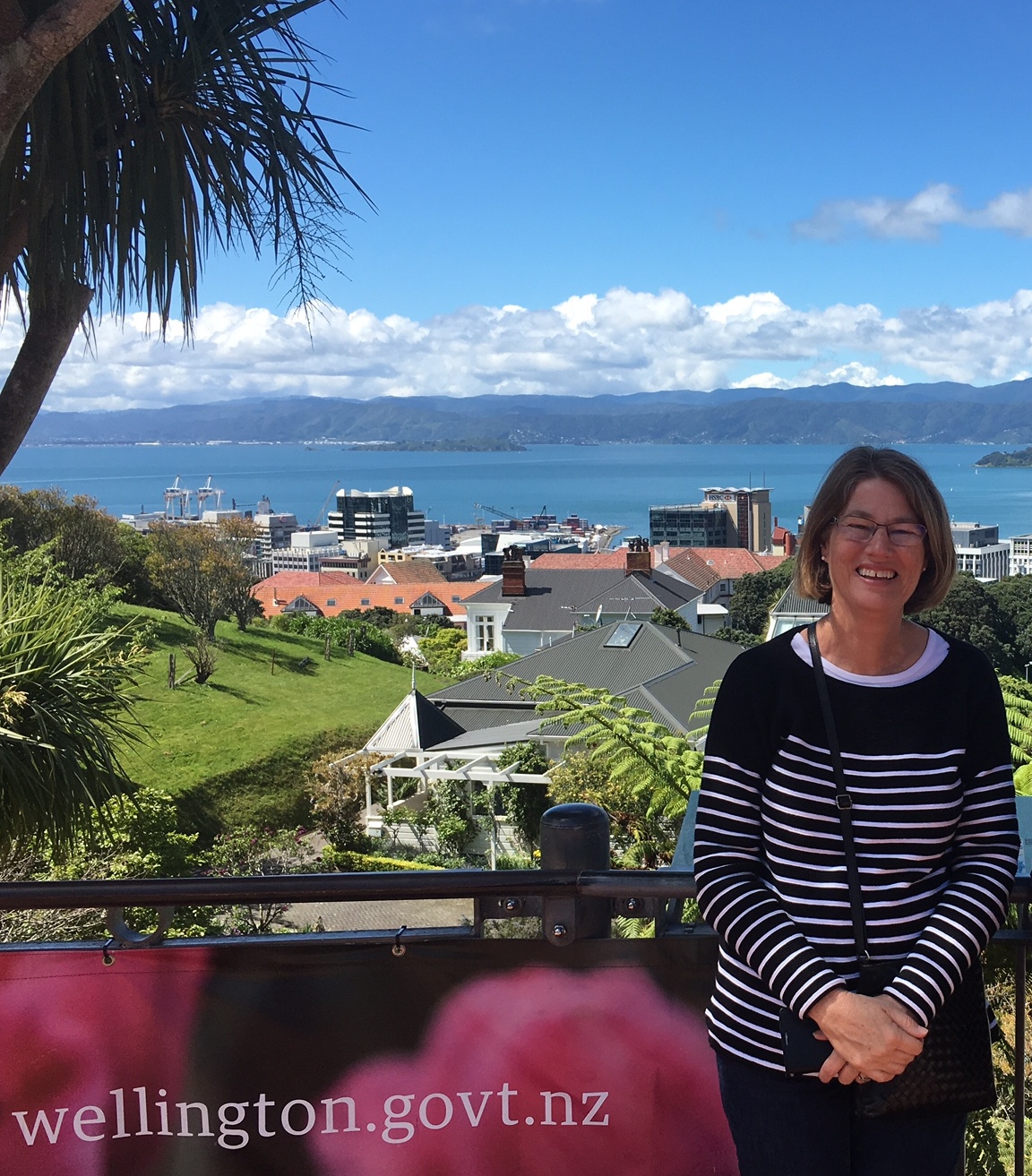
It is a Kiwi cliché that there is nothing to beat Wellington on a beautiful day. Like all clichés, it is true. I’ve just spent a weekend in our capital city and on my last day, the clouds and rain retreated, the wind died down and the sunshine turned the sky a bright antipodean blue. The main reason for my visit was the He Tohu exhibition at the National Library. An exquisite rimu walk-in treasure box encases three of the most important New Zealand constitutional documents – the Declaration of Independence of the United Tribes of New Zealand, the Treaty of Waitangi and the Women’s Suffrage Petition. Apart from the spine-tingling experience of seeing the actual documents, there is an excellent interactive exhibition where one can find out more about each document and the people who signed them. I highly recommend it. I also caught up with two dear Wellingtonian friends who played tour guides and took me to some of their favourite places. Go to Wellington – you won’t regret it, especially if the sun is shining!

Michael Joseph Savage

Savage memorial

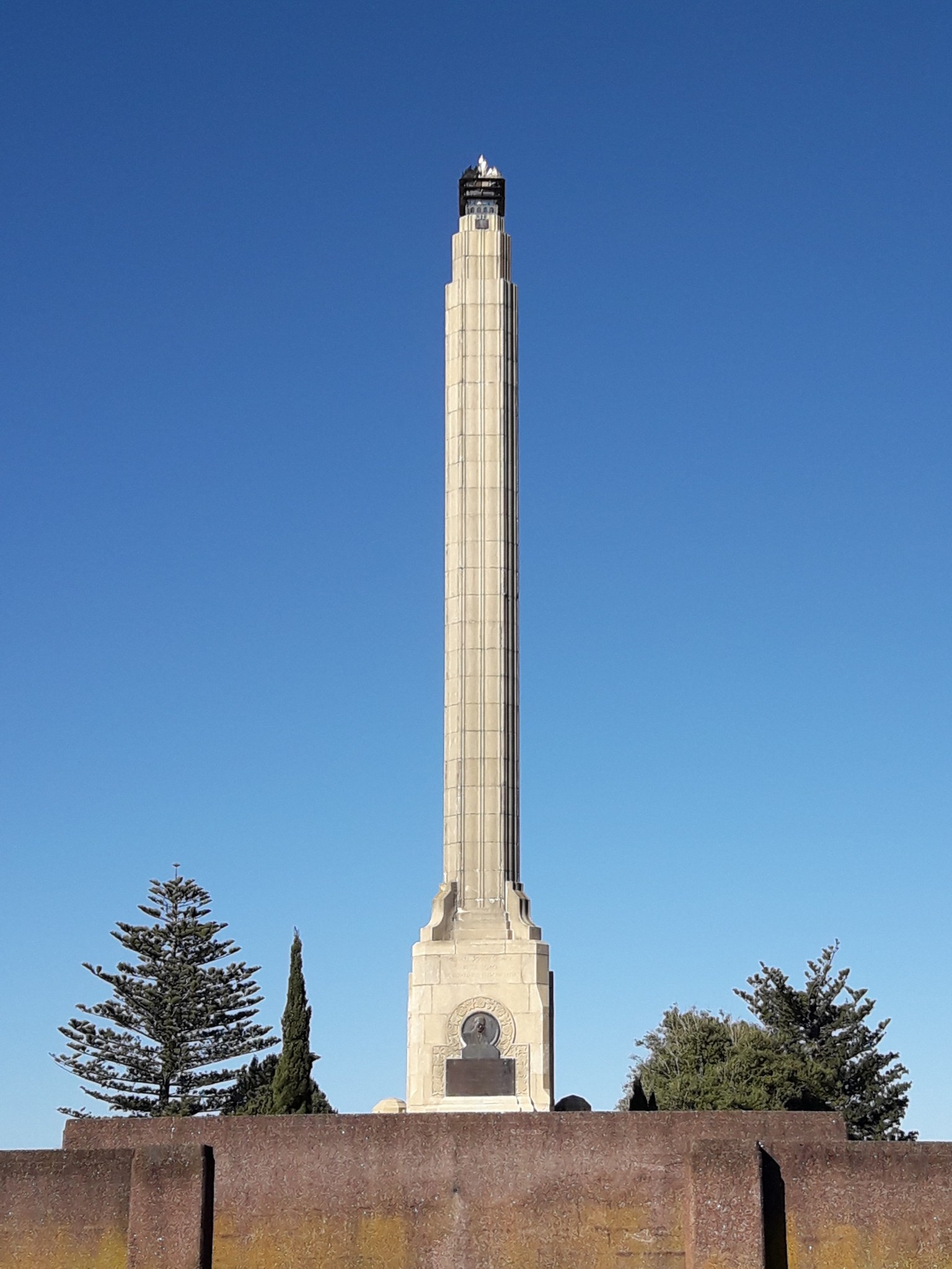
With a general election in less than a month, it seemed appropriate (and perhaps propitious) to visit the Michael Joseph Savage memorial. He was New Zealand’s first Labour prime minister (1935-1940). A socialist and trade unionist, he is credited with instituting the welfare state. His charisma and oratory skills made him an almost revered figure in New Zealand politics and his memorial near Bastion Point in Auckland exemplifies the esteem in which he was held. I viewed the memorial on a glorious spring day – standing beside it looking out over the glistening waters of the Waitemata harbour, it seemed that anything was possible!

Hokianga

027

Earth can have very few sights more fair than this view of the Hokianga harbour. As you come over the hill and round the bend, this breathtaking view greets you. We were fortunate to see it on a beautiful late autumn day when the blue of the sky and the sea seemed boundless. We then meandered down through the little settlement of Omapere and into Opononi, where we had delicious coffee, confirming our opinion that, even in the smallest New Zealand town, you always find good coffee. Then we viewed the statue of Opo  – a wild bottle-nosed dolphin who started following fishing boats in the harbour after her mother died. She soon became a celebrity and would allow children to swim beside her and played with the balls they threw to her. She died in 1956 and was buried in a special plot near the town hall. As I looked out over the magnificent harbour that was her playground, Don McGlashan’s song Miracle Sun went through my head. Only in New Zealand!