Vibrant Vienna

Vienna is a beautiful city, perhaps the most beautiful city I’ve visited. You walk along a cobbled street, you look up and see lines of Baroque buildings surrounding a wide courtyard, often with a sparkling fountain in its centre. Or you head for the shade of an avenue of trees and at the end, you see a pair of perfectly matched museums – the Naturhistorisches (Natural History) and the Kunshistorisches (Art History) museums. They were commissioned by Franz Joseph 1 and built between 1871 and 1889.

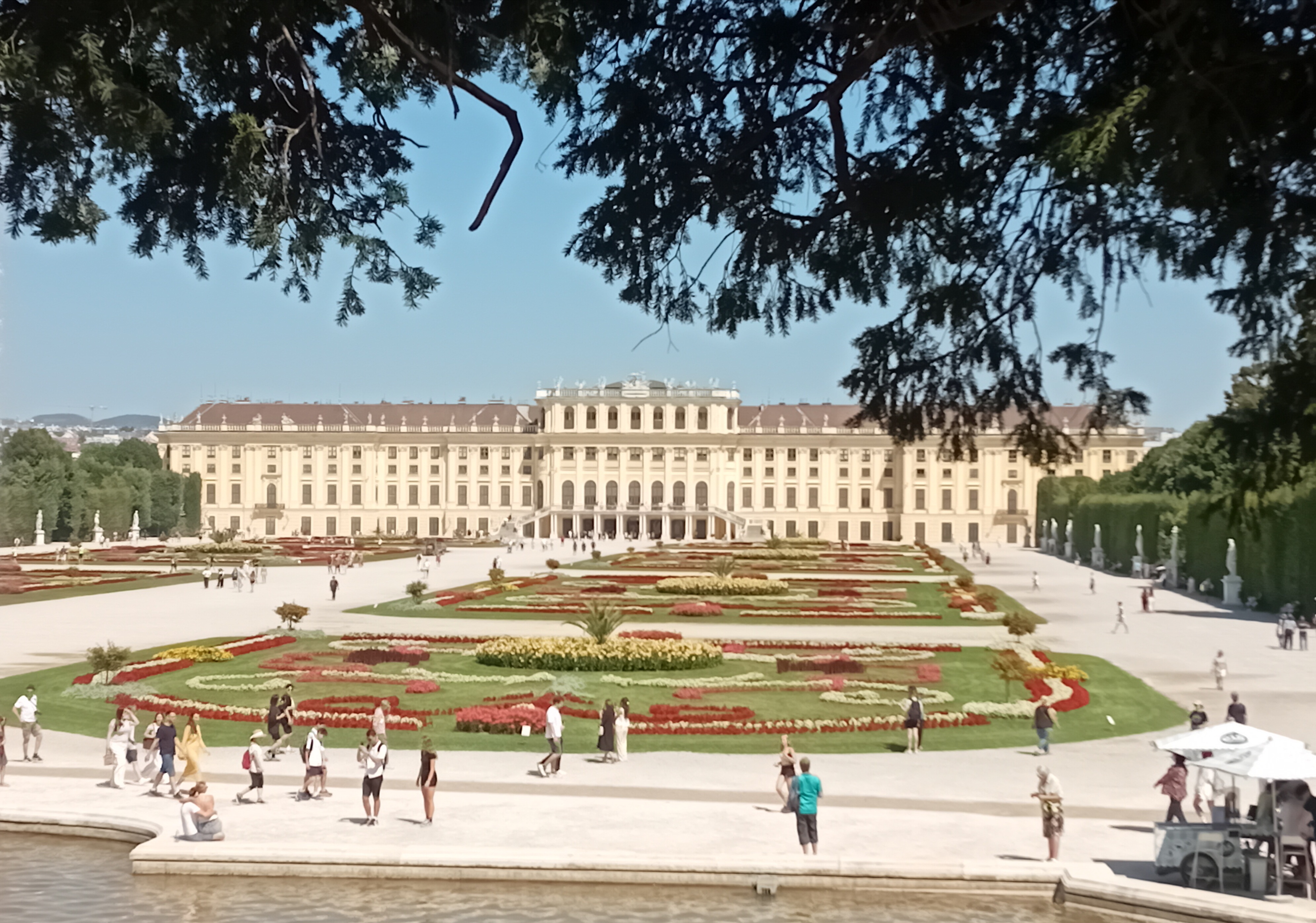
Vienna’s majestic vistas owe much to its past as the capital of the Austro-Hungarian Empire, which was ruled by the Habsburgs for over 600 years. They had access to immense wealth and this shows in the palaces and churches they commissioned. Most impressive of all is their vast summer residence, the Schonbrunn Palace, which has over 1,400 rooms and expansive gardens. We ambled through the estate along with hundreds of other tourists and there was room for us all. We enjoyed coffee and apple strudel in the Gloriette cafe, which has a wonderful view of the gardens and the palace.
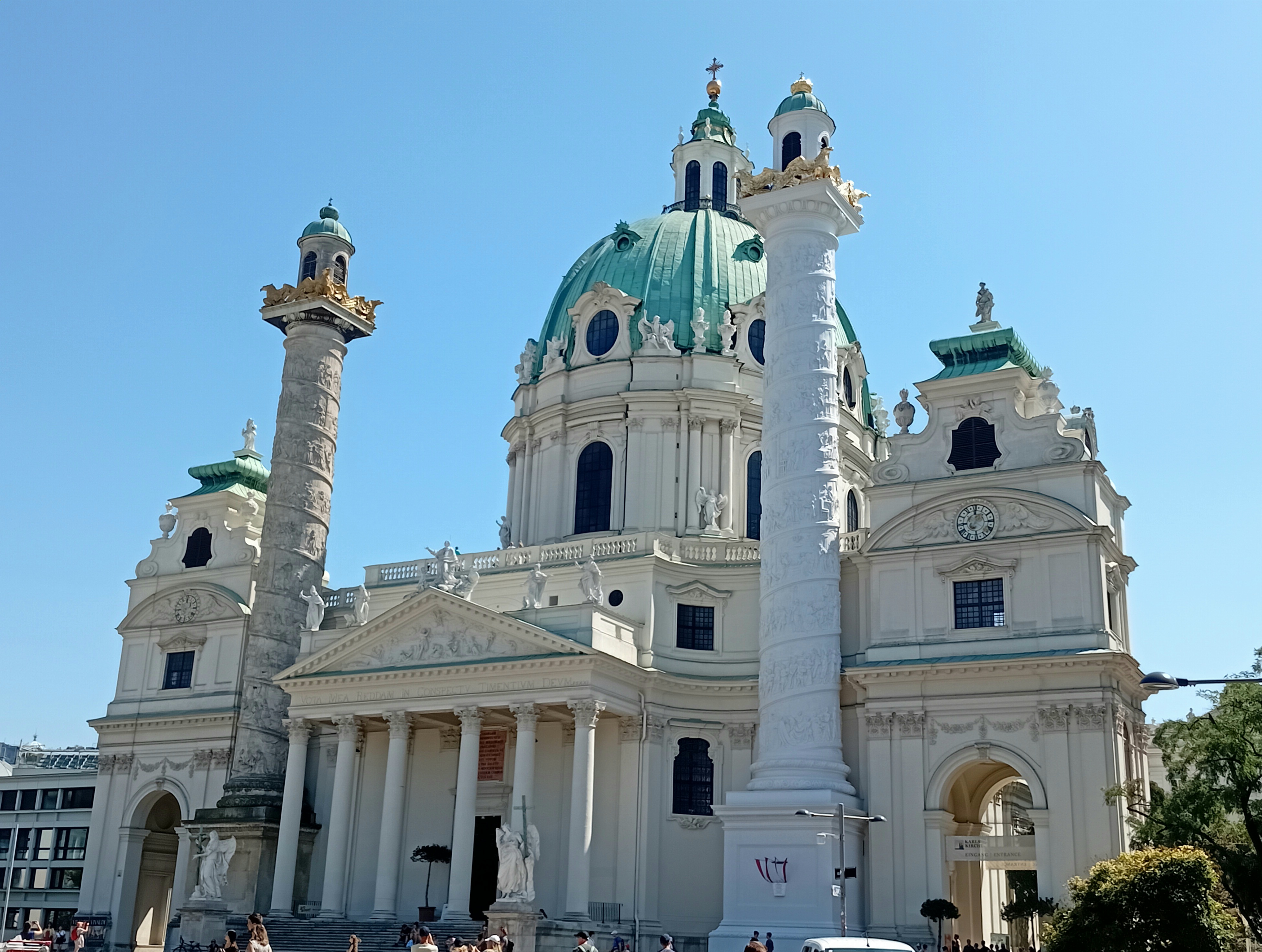
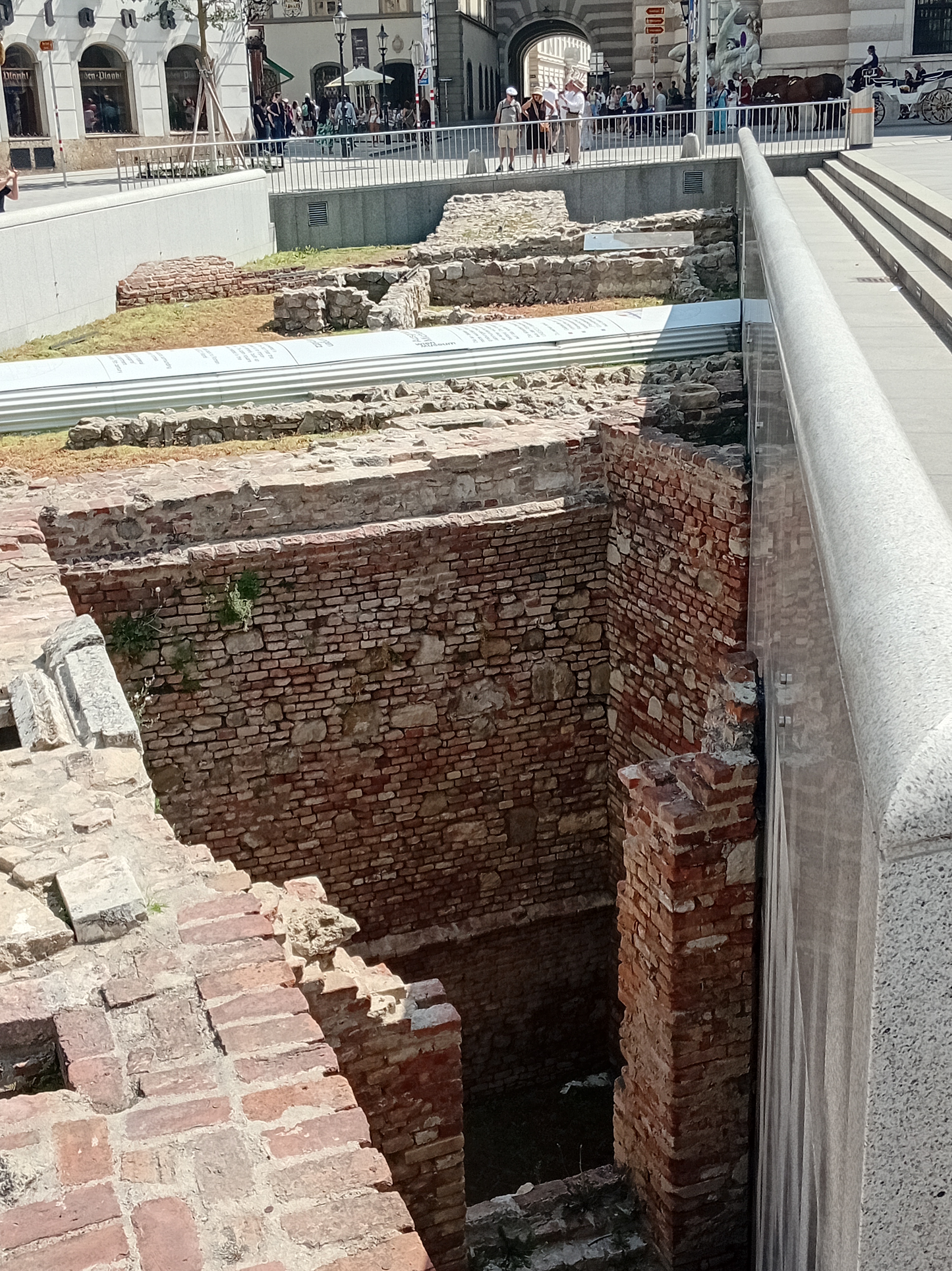
The two main churches in Vienna are the Romanesque/Gothic St Stephen’s Cathedral and the Baroque St Charles’s Church. The former is the seat of the Archbishop of Vienna and its spires dominate the Vienna skyline. It was built on an ancient Roman site and was eventually completed in 1578. The latter is dedicated to Saint Charles Borromeo, who was a leader of the Counter-Reformation. It was commissioned by Charles VI in 1713 in gratitude after a major plague epidemic and completed in 1737.

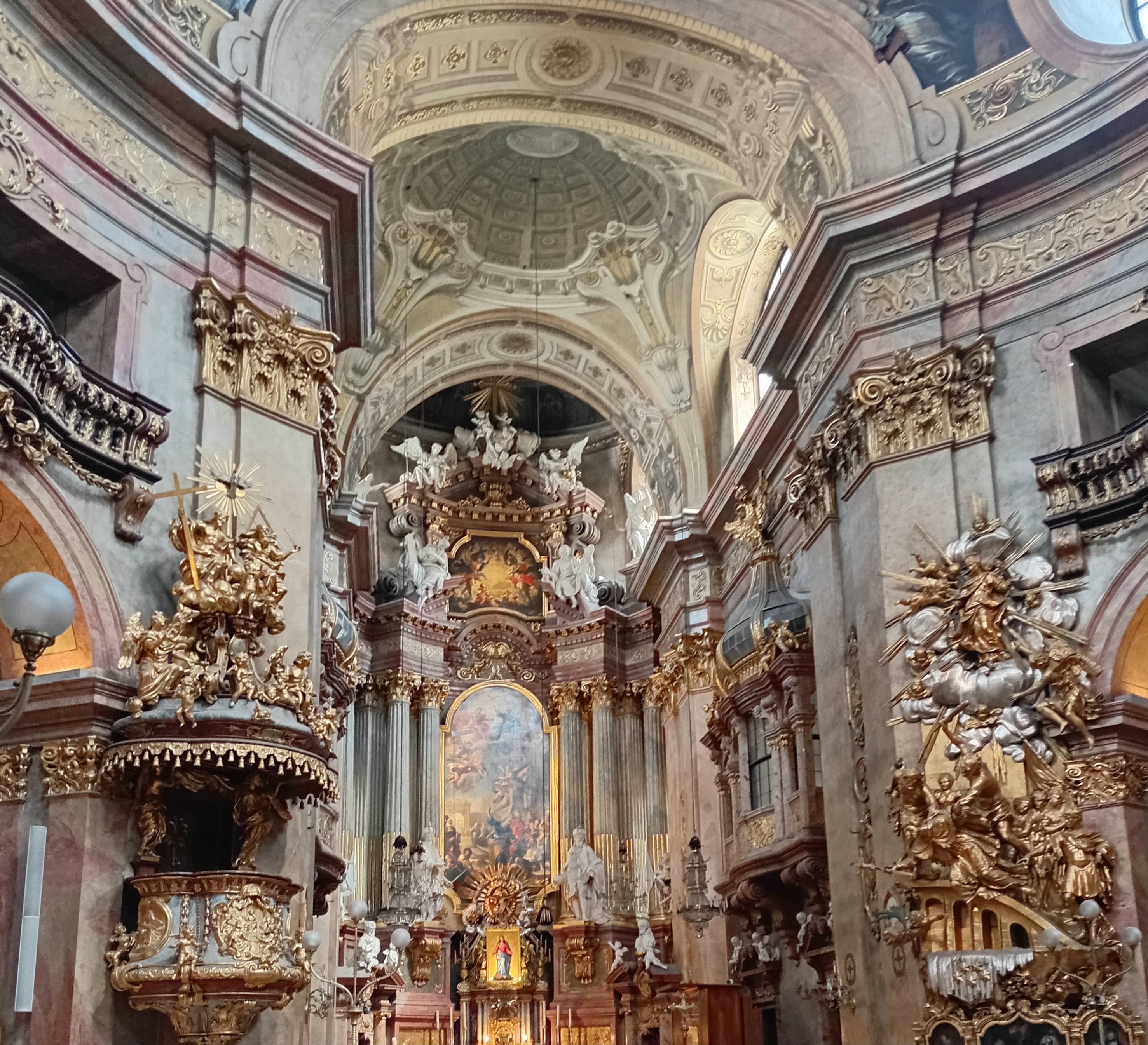
We were lucky to attend an organ recital in the Church of St Peter. Listening to music composed by Vivaldi and Bach, both of whom lived in Vienna, while gazing at the ornate Baroque interior of this 18th century church was a surreal experience. We also went to a concert of chamber music in a monastery where Mozart lived for a short while. The concert was held in a small, beautifully decorated concert hall called the Sala Terrena and was a programme of Viennese music played by a trio of violin, piano and cello. The cellist charmingly introduced the music and waxed lyrical about J S Bach – “not every musician believes in God but every musician believes in Bach”!
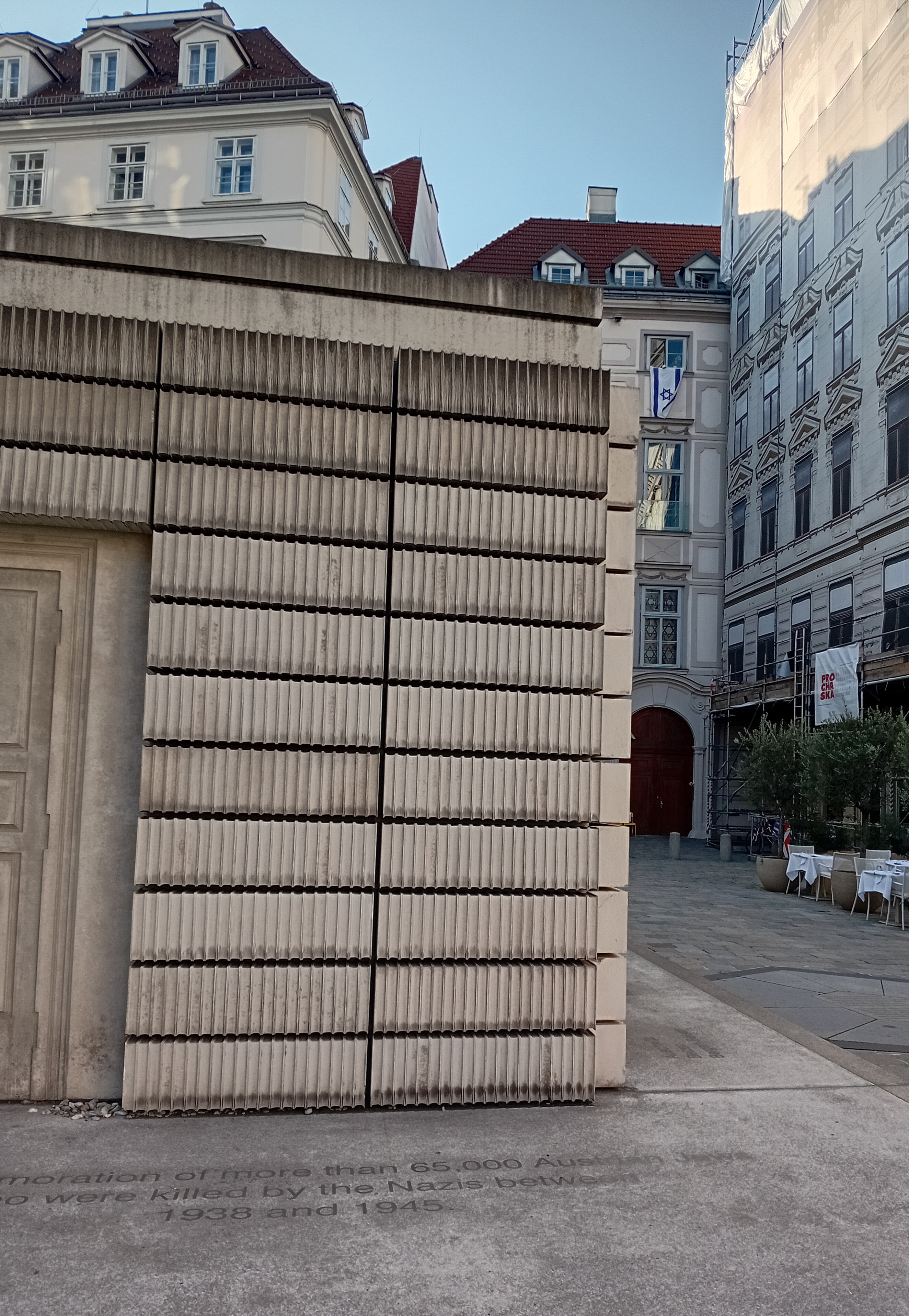
From sublime music to a reminder of Austria’s involvement in the devastation of the 1930s. The beautiful Judenplatz has a sombre memorial to the 65,000 Jewish Austrians who were killed in the 1930s. The square is on the site of a medieval synagogue, which was burned down during a pogram in 1420.

Our time in Vienna was not totally absorbed by palaces, churches and memorials. We were fortunate that our Austrian friends who live four hours away met us in Vienna and they were the most wonderful tour guides. We enjoyed delicious food in their company, including Wiener schnitzel and kaiserschmarrn (a kind of pancake served with fruit compote). We had coffee in a traditional coffee house, where Jim ordered English breakfast tea! and a drink in a roof-top bar with a splendid view of the roof and spires of St Stephen’s Cathedral.
An uneasy history

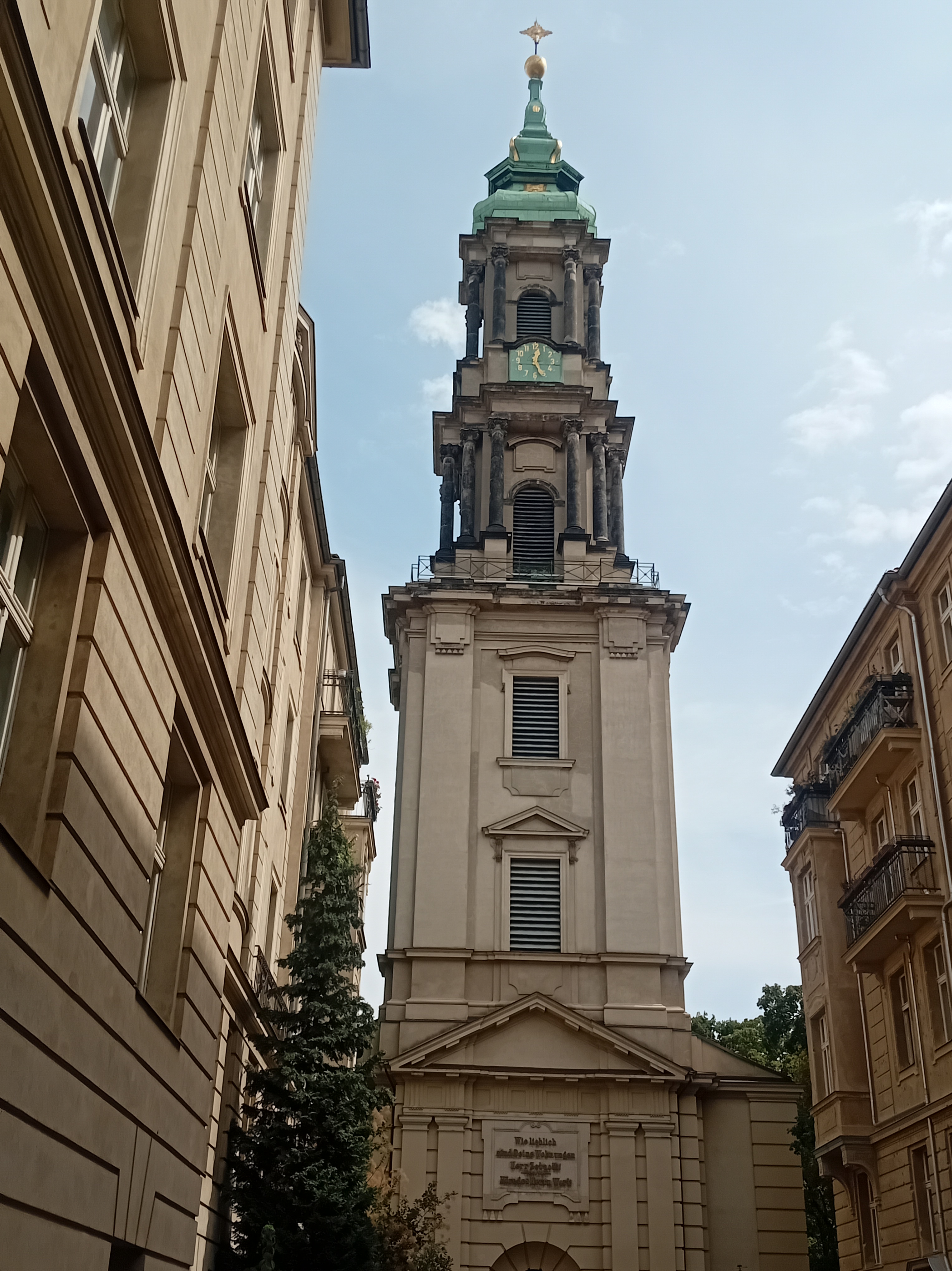
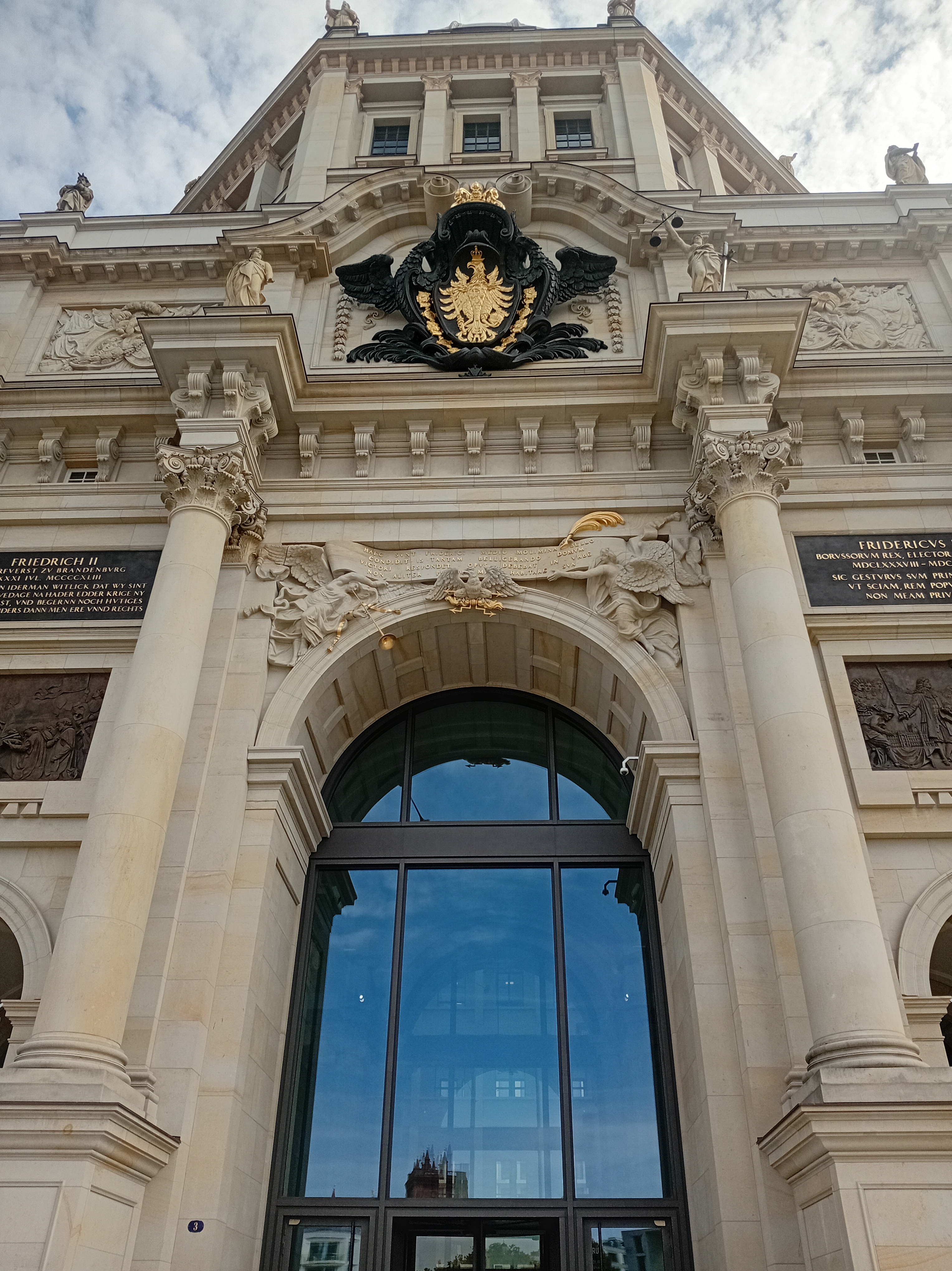
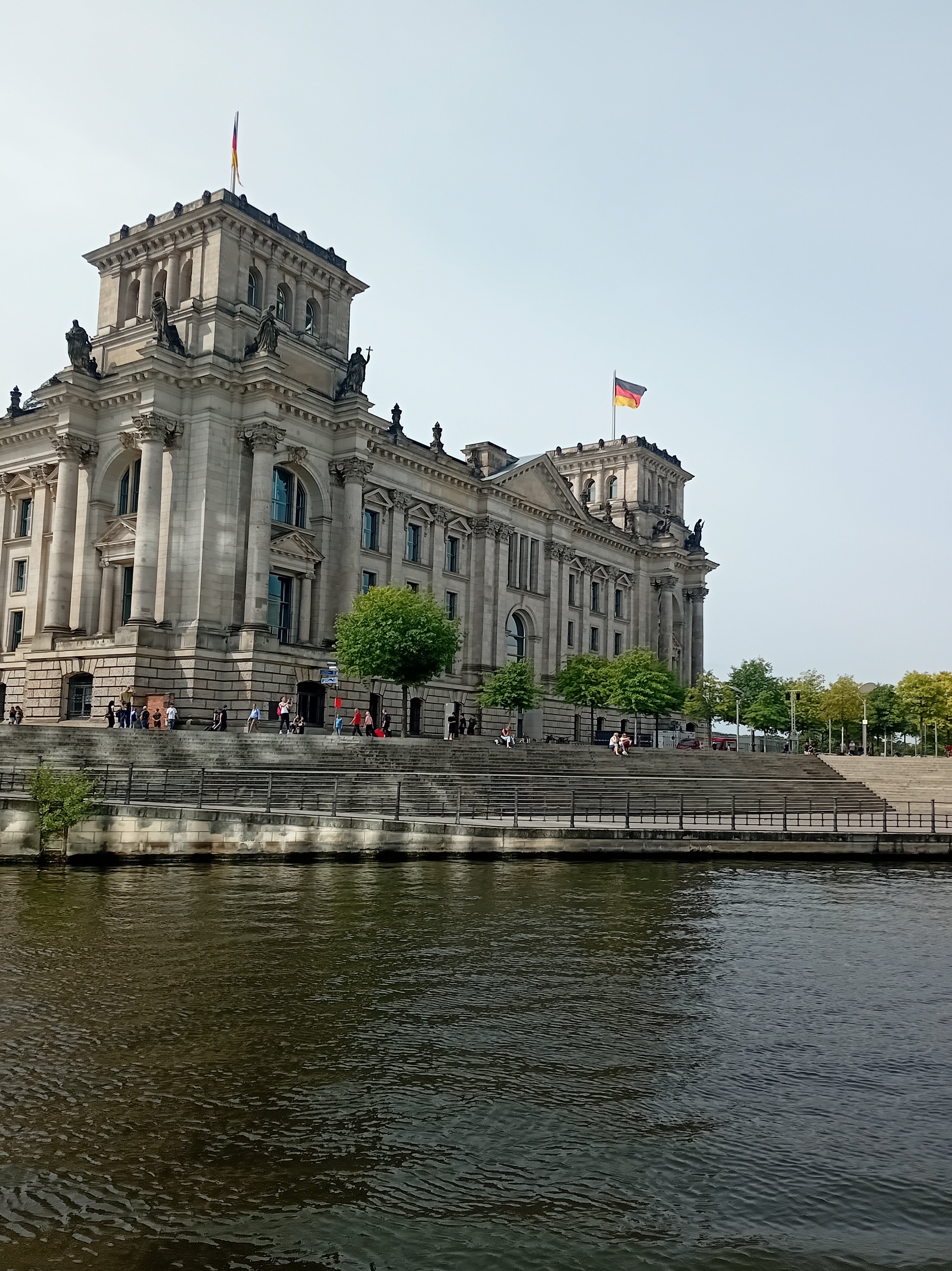
Berlin has a long, complicated history, stretching back more than 780 years. Yet it is a thoroughly modern city, largely because of the extreme destruction it experienced towards the end of the Second World War. Some of the older buildings have been restored in their original form but there are many modern structures, particularly in the area that is home to the federal government and chancellery, so there is an interesting juxaposition of old and contemporary architecture. Many of the buildings were also constructed on a grand scale. Walking around Museum Island, one is overawed by the dimensions – soaring columns, huge statutes and fountains, massive entrances and very high ceilings – of the five museums that are built on an island in the Spree River, accessible by bridges.

The river is an active part of the city and we took a pleasant and informative ferry trip along it. The extensive Tiergarten is a green oasis in this bustling city and performs the same function as Central Park does in New York City. The public transport is amazing and you can get around very easily by tram, bus or underground. A daily ticket will allow you to use all three.

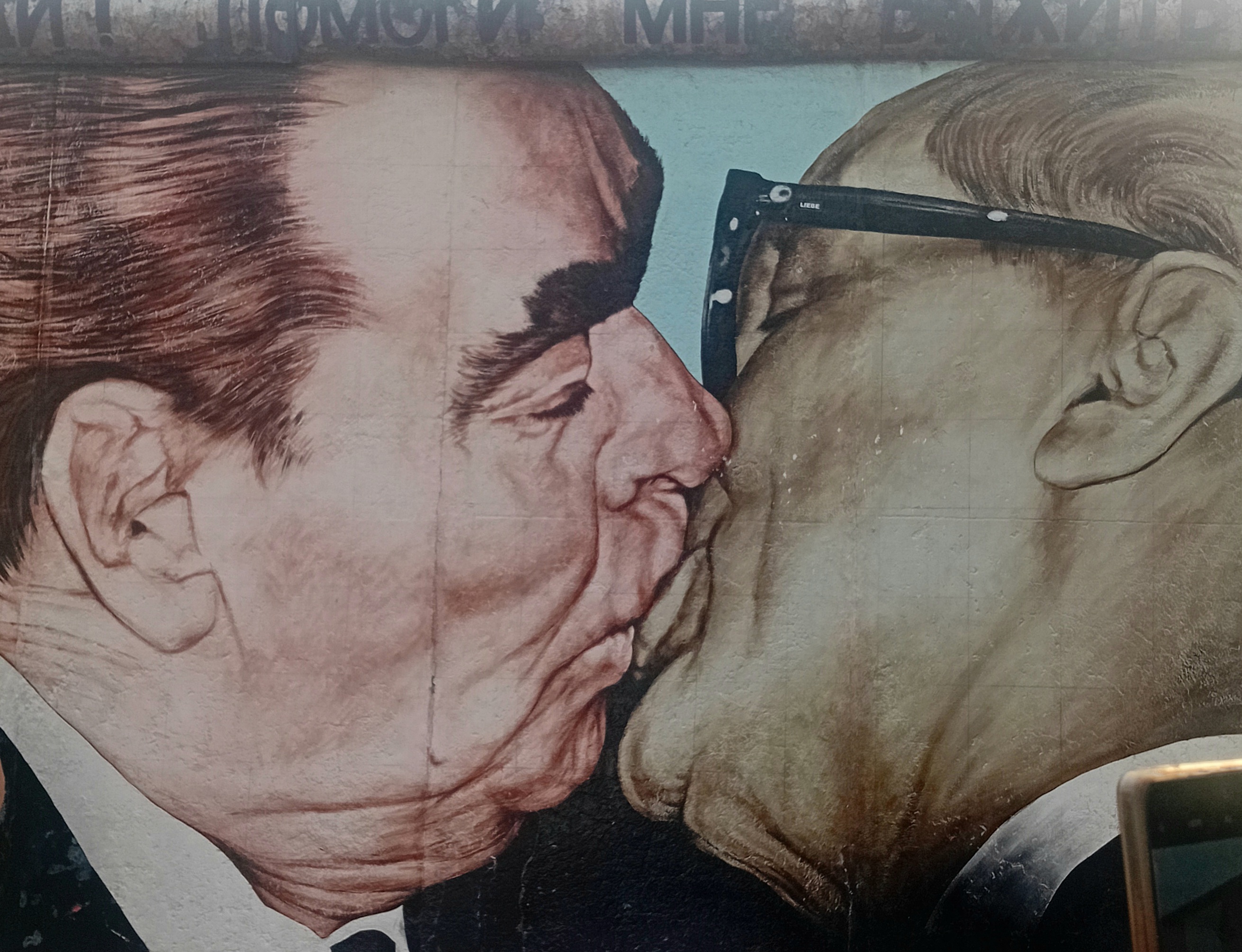
Berlin was a divided city from 1961 to 1989 and the East Side Gallery preserves what is left of the Wall. It is covered in interesting art by various artists from around the world, none more (in)famous than the Dmitri Vrubel painting of Brezhnev and Honecker in an embrace. It’s sobering to remember the chilling effect the Wall had on the people of Berlin, separating families and causing at least 140 people to lose their lives attempting to escape, and on the Cold War world. At a former border crossing point between East and West Berlin, at the Friedrichstrasse station, you can still see the Tranenpalast (Palace of Tears), so-called because of the many tearful partings between East German residents and western visitors that took place there.
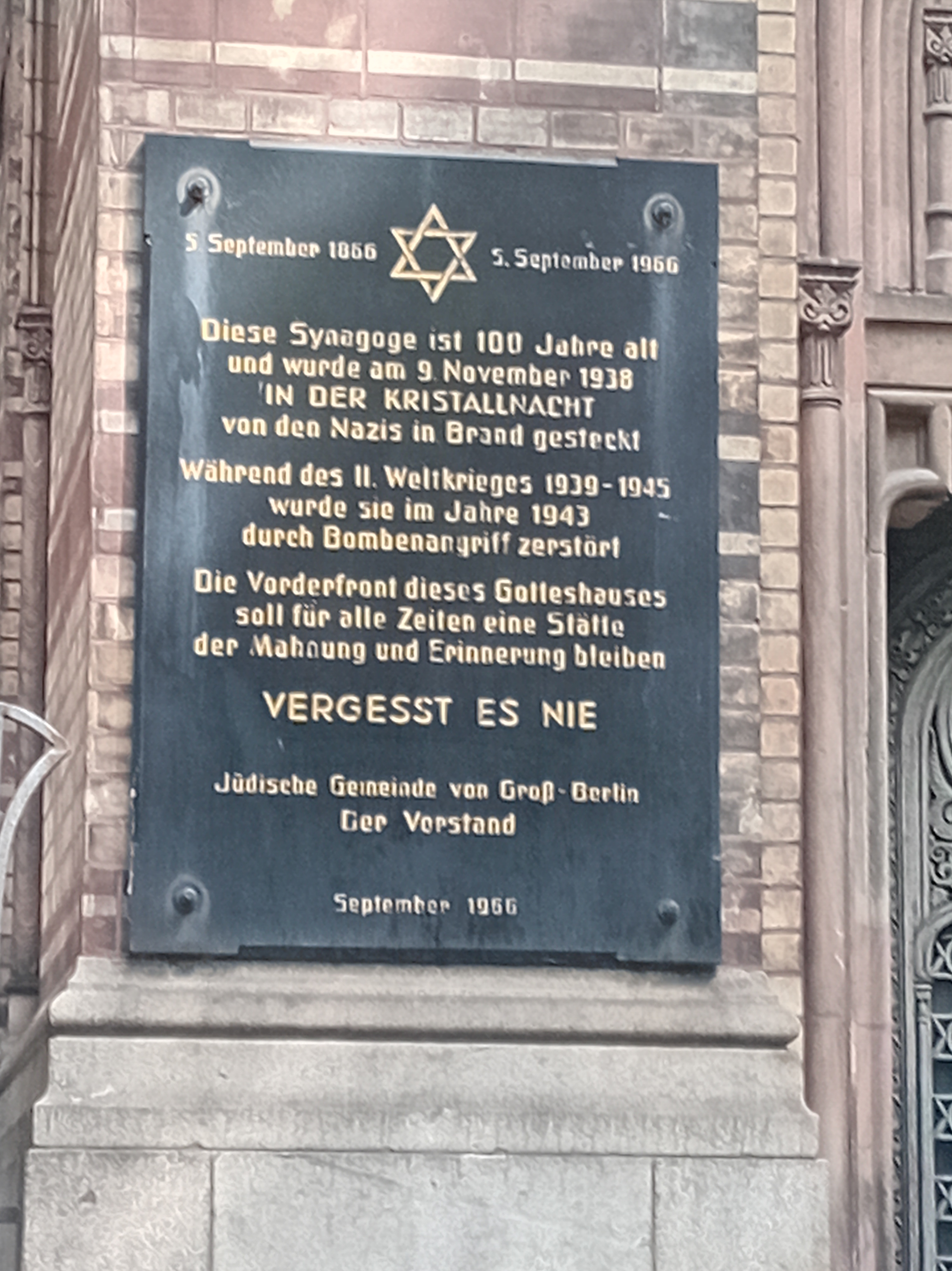
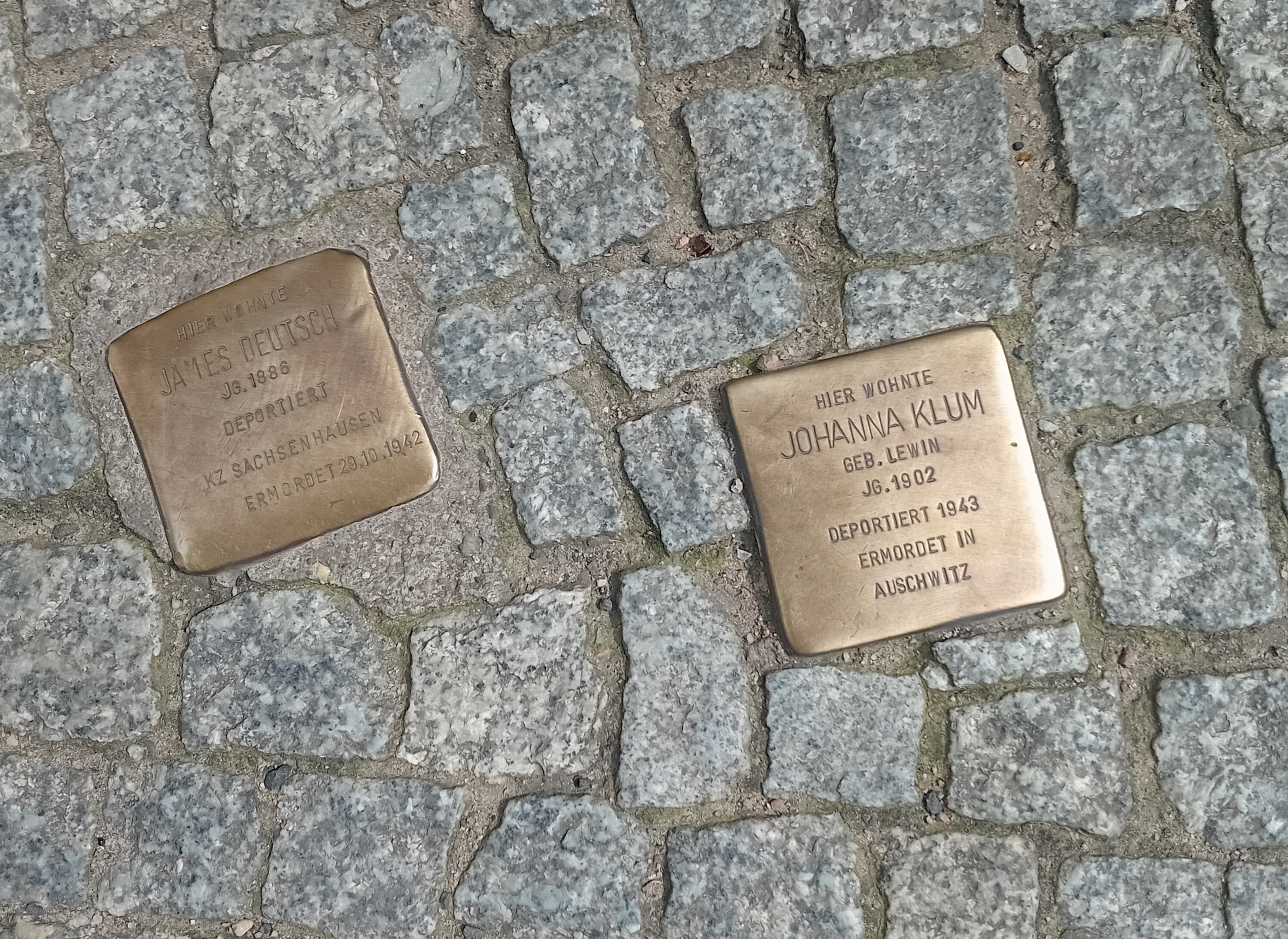
Berlin’s dark past is also evident in the pitted walls caused by small arms fire in the last ditch battle for the city in April/May 1945. But it is the numerous stumbling stones dotted around the cobbled streets that are the most poignant reminders of all. “Here lived Johanna Klum … deported 1943, murdered in Auschwitz”.

Our accommodation (a comfortable and spacious hotel apartment) was in the vibrant Mitte district, in which there are numerous funky stores, art galleries, restaurants and bars. On our last evening, we enjoyed a drink in a quaint courtyard cafe run by charming Vietnamese Berliners. We had a chat to the two young women sitting at the next table. They were Turkish-born, US-educated Berliners, who spoke impeccable English. The Mitte is cosmopolitan, modern and representative of present-day Berlin.

This is London

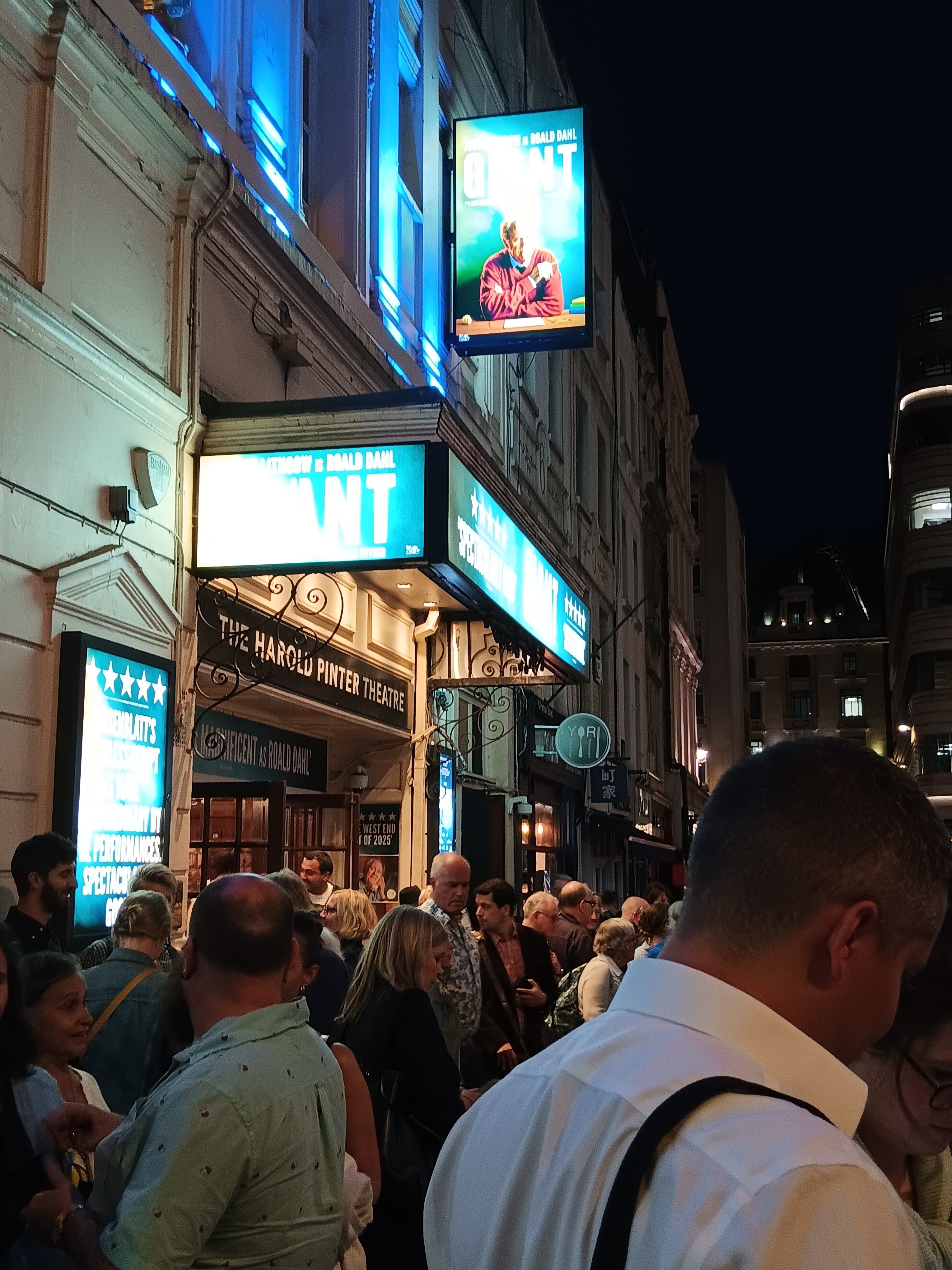
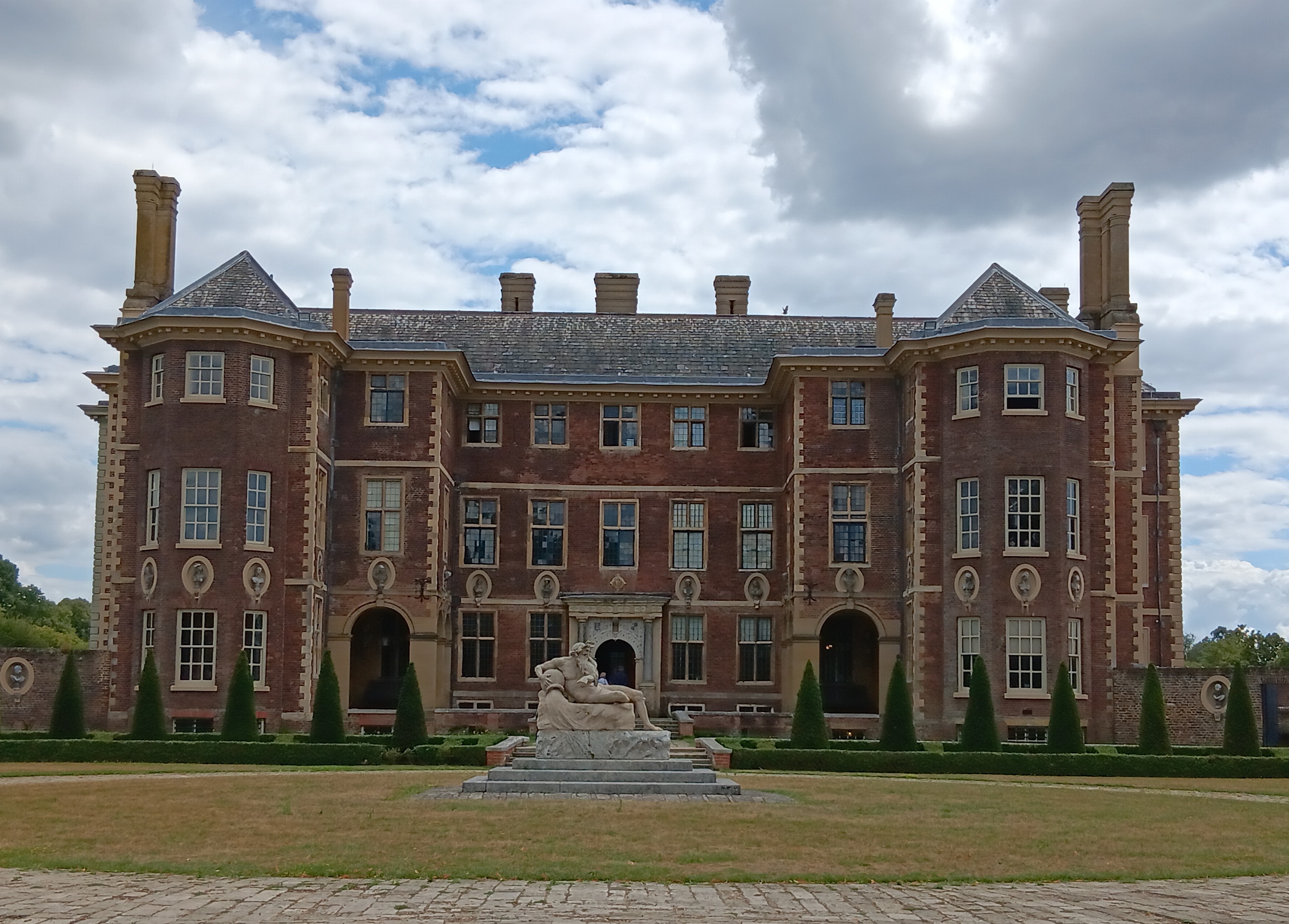
From the glory of the Victorian age and empire, to the teeming streets, train and tube stations, to the art, architecture, theatres and museums, to the river, the stately homes and the picturesque pubs, London is endlessly interesting. We’ve visited Ham House, crossed the Thames in a little ferry and caught a much larger ferry down the river to Greenwich, marvelled at the V & A collections, ridden the tube multiple times, taking the opportunity to observe Londoners in their natural habitat, and taken in a riveting theatre production (Giant at the Harold Pinter Theatre starring the wonderful John Lithgow).

London is also literary. There are blue plaques commemorating when and where a writer lived, bookshops everywhere and the newspapers and magazines available in news agents are numerous – from the frivolous (Hello! OK!) to the serious (London Review of Books, The Economist). It’s a good place to be a bibliophile and I have enjoyed reading hard copies of publications I usually read online. Though most commuters on the tubes seem mesmerised by their phones, there are plenty who read actual books. I sat beside one who carefully placed her bookmark, then wrapped the book in a fabric envelope, which she stowed in her briefcase before alighting.

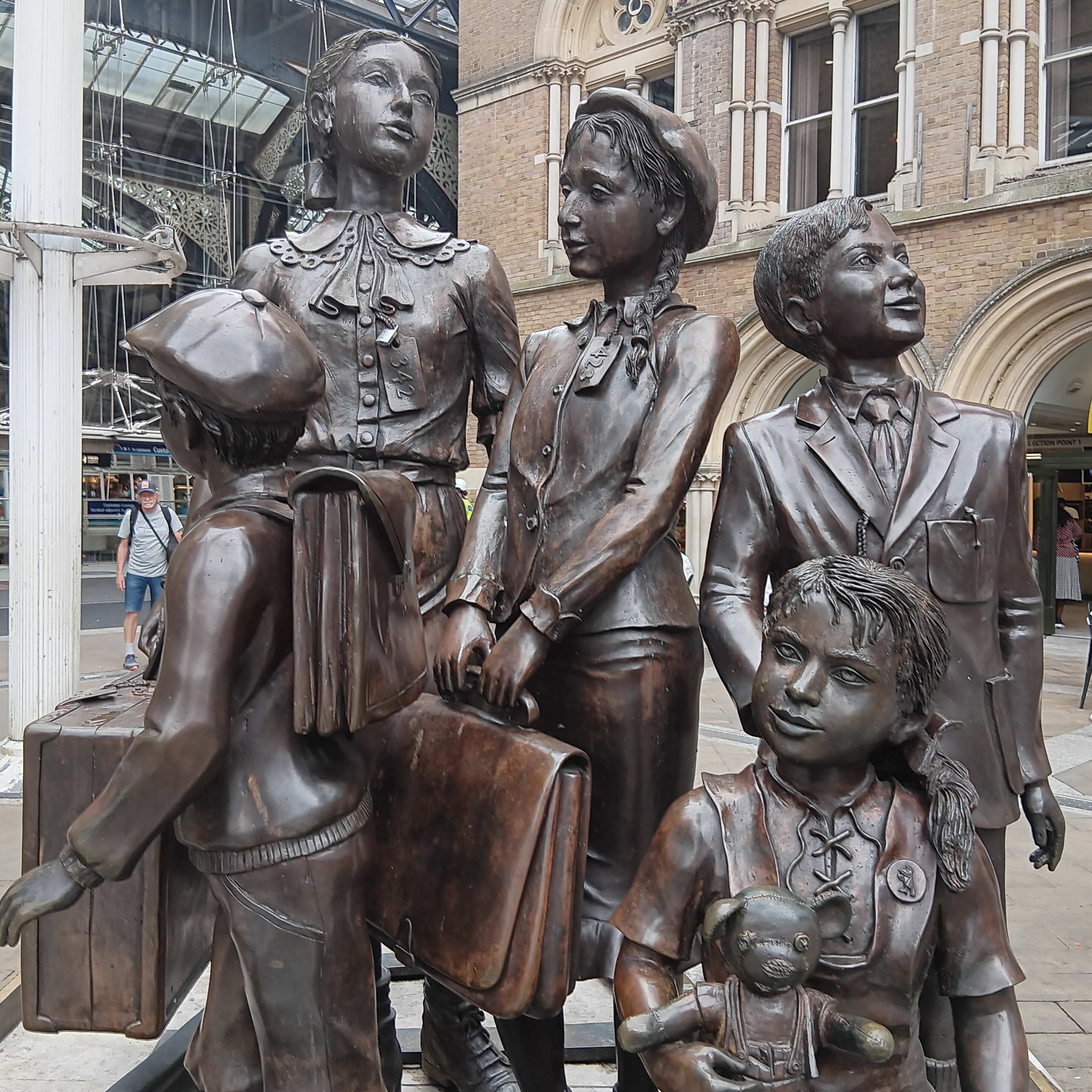
A poignant sculpture in the forecourt of the Liverpool Street Station commemorates the Kindertransport. It immediately made me think of the marvellous Judith Kerr, who came to England via the Kinderstransport, and went on to write When Hitler Stole Pink Rabbit, The Tiger Who Came to Tea and the Mog series. How much the poorer we would have been if she had not survived the Holocaust.

Apple of my eye

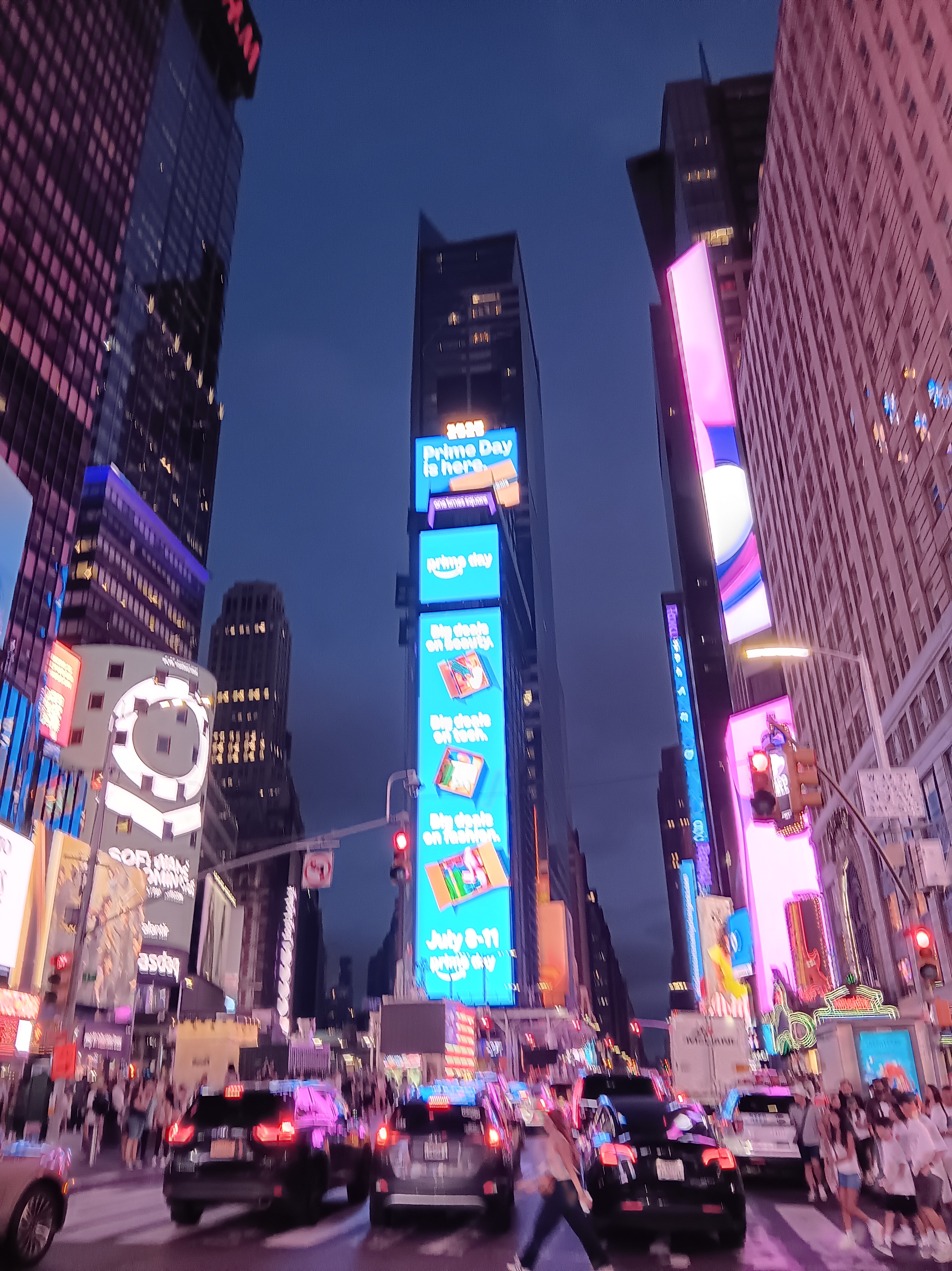
What is there to say about New York City that hasn’t already been said? Probably nothing. So I’ll just say that I’ve always wanted to visit. Now I have and I was not disappointed.

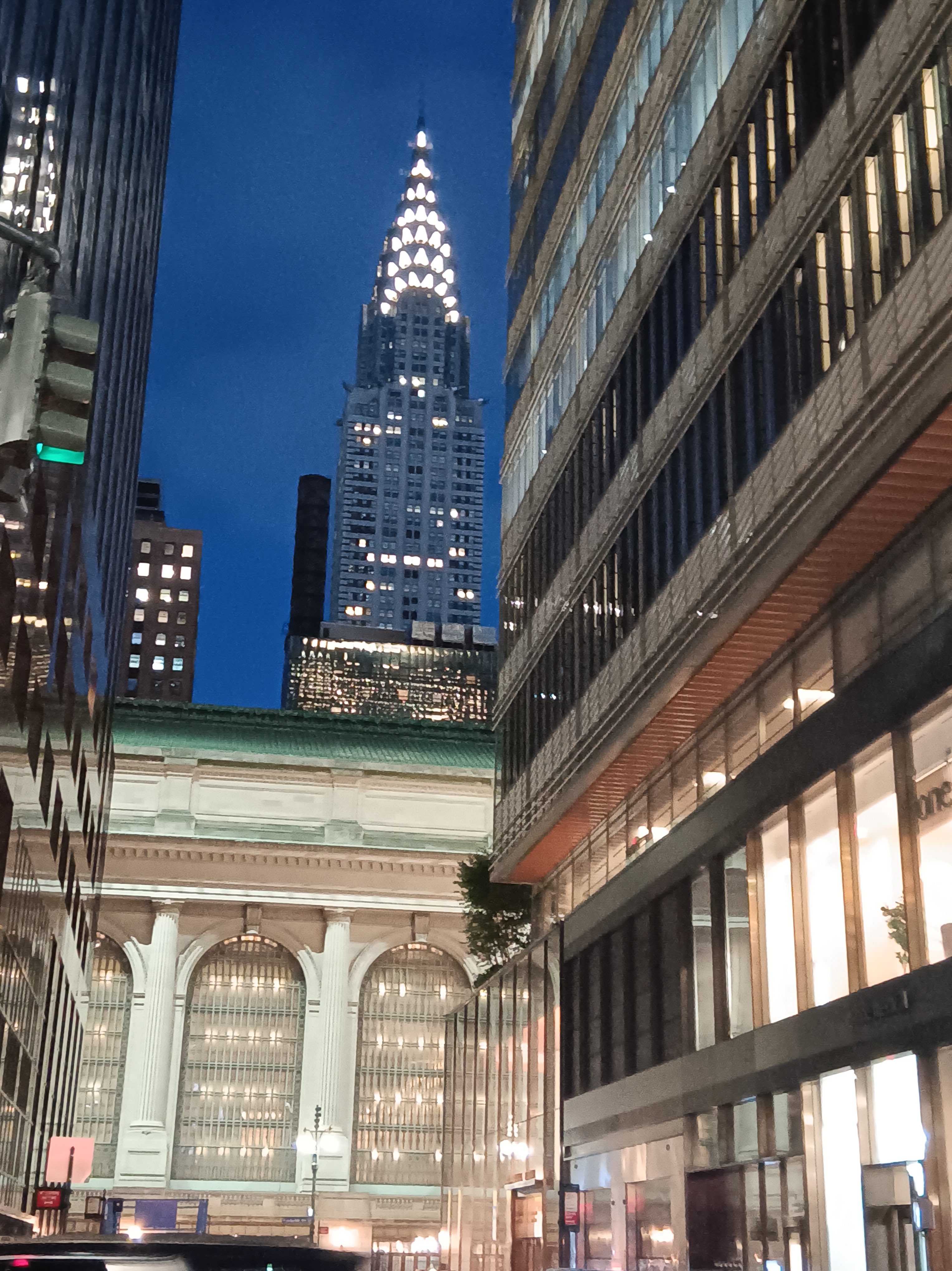
The landmarks

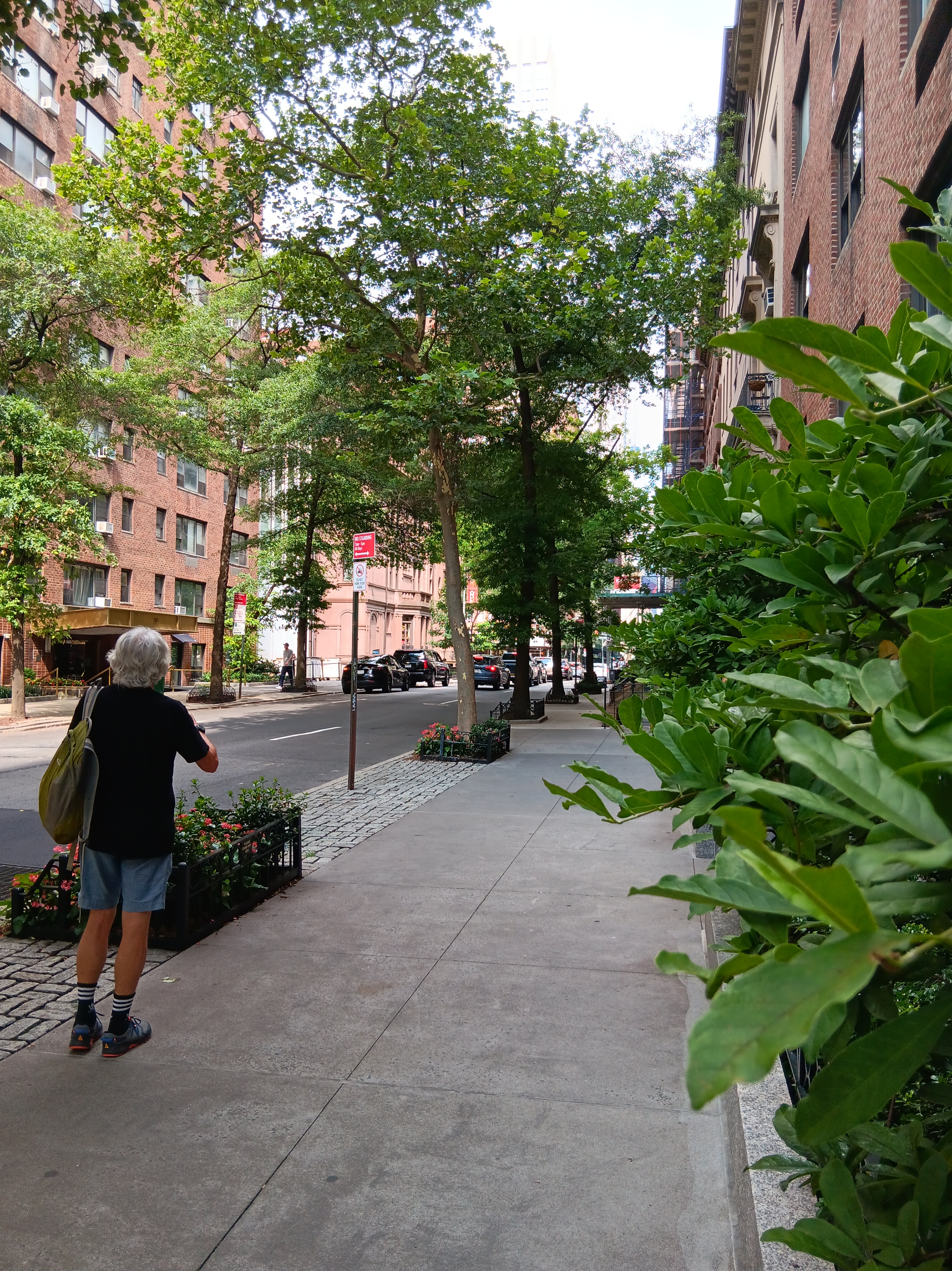
The green spaces – Central Park, Bryant Park, the High Line, the trees and planters that line the streets

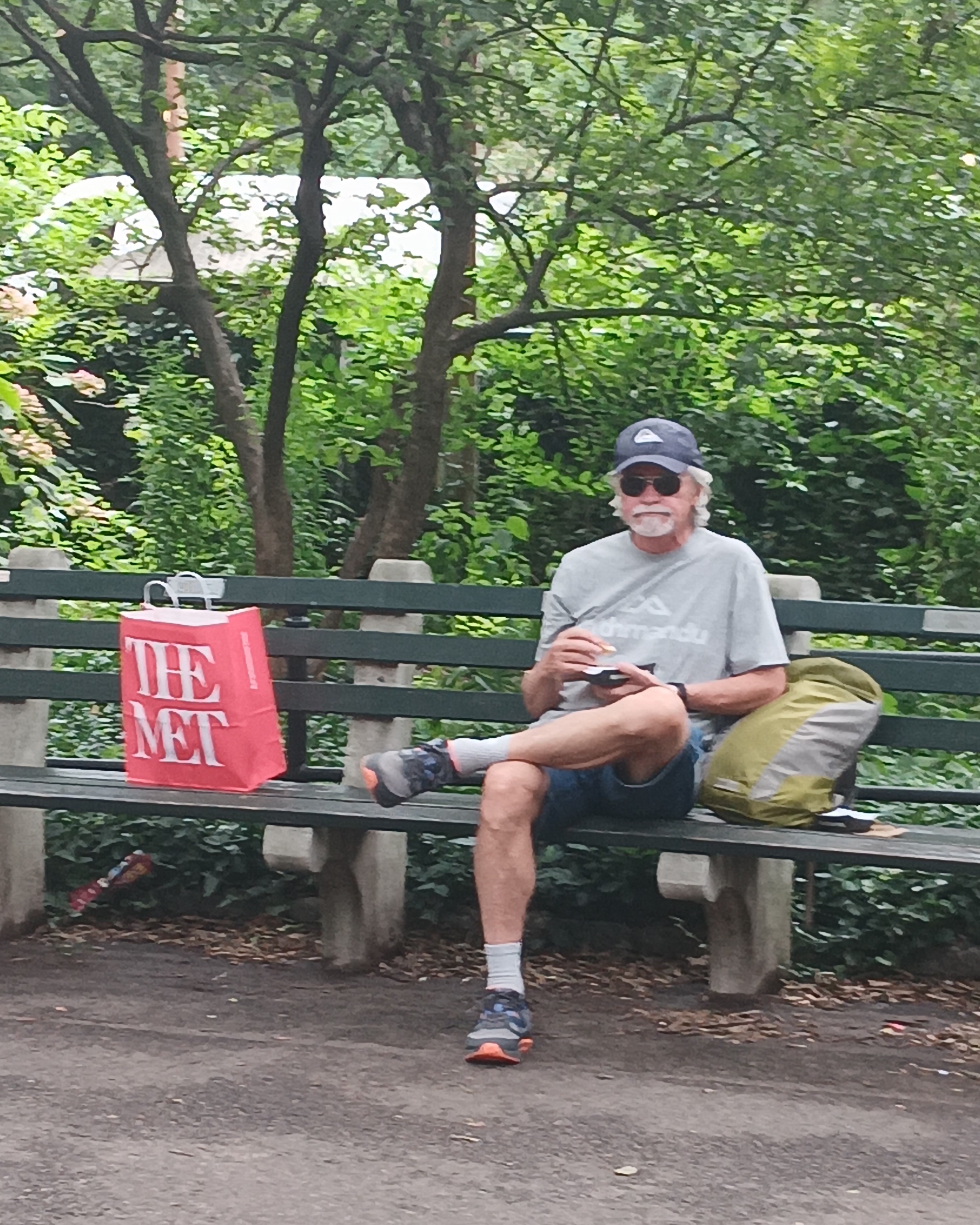
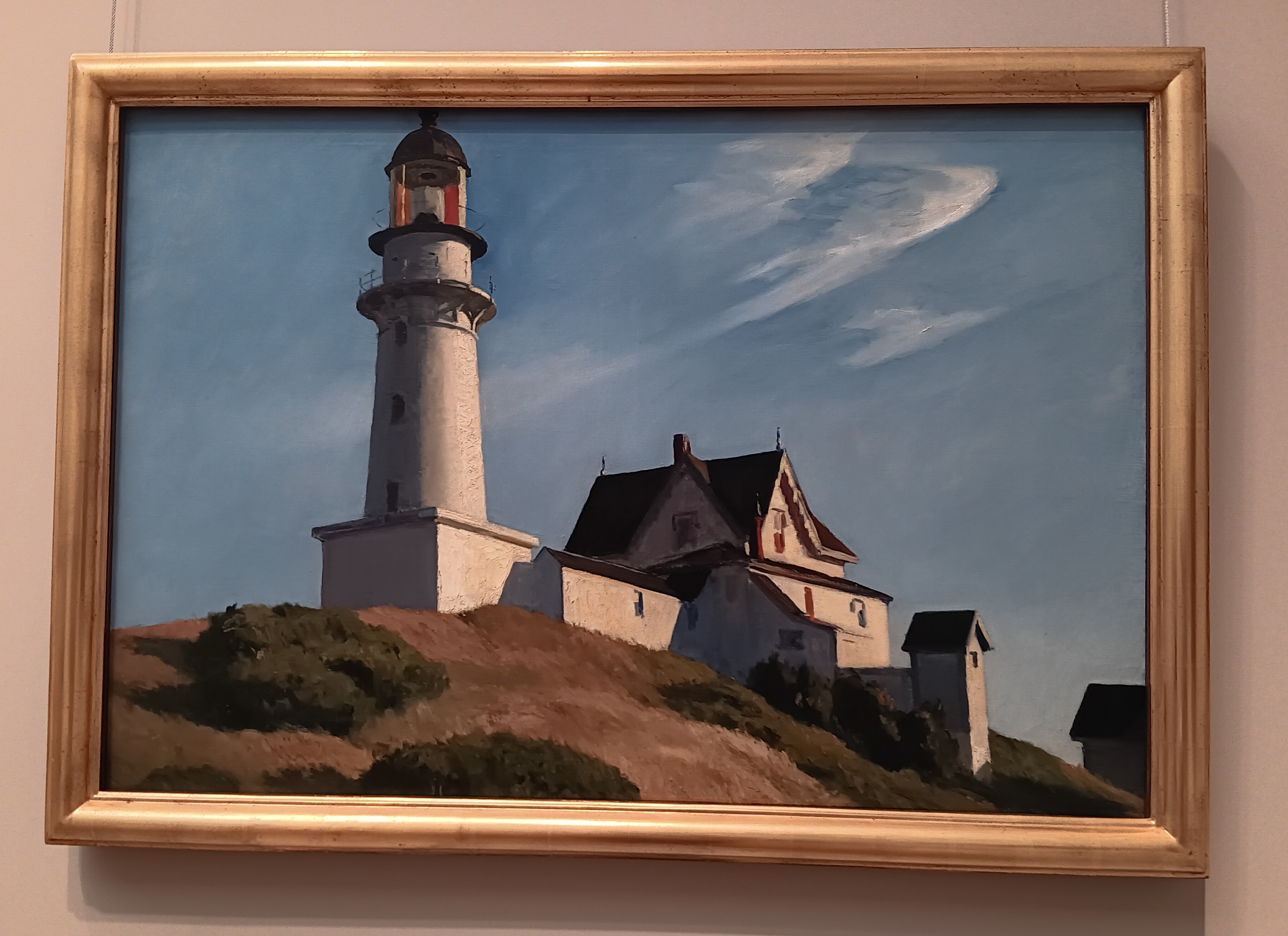
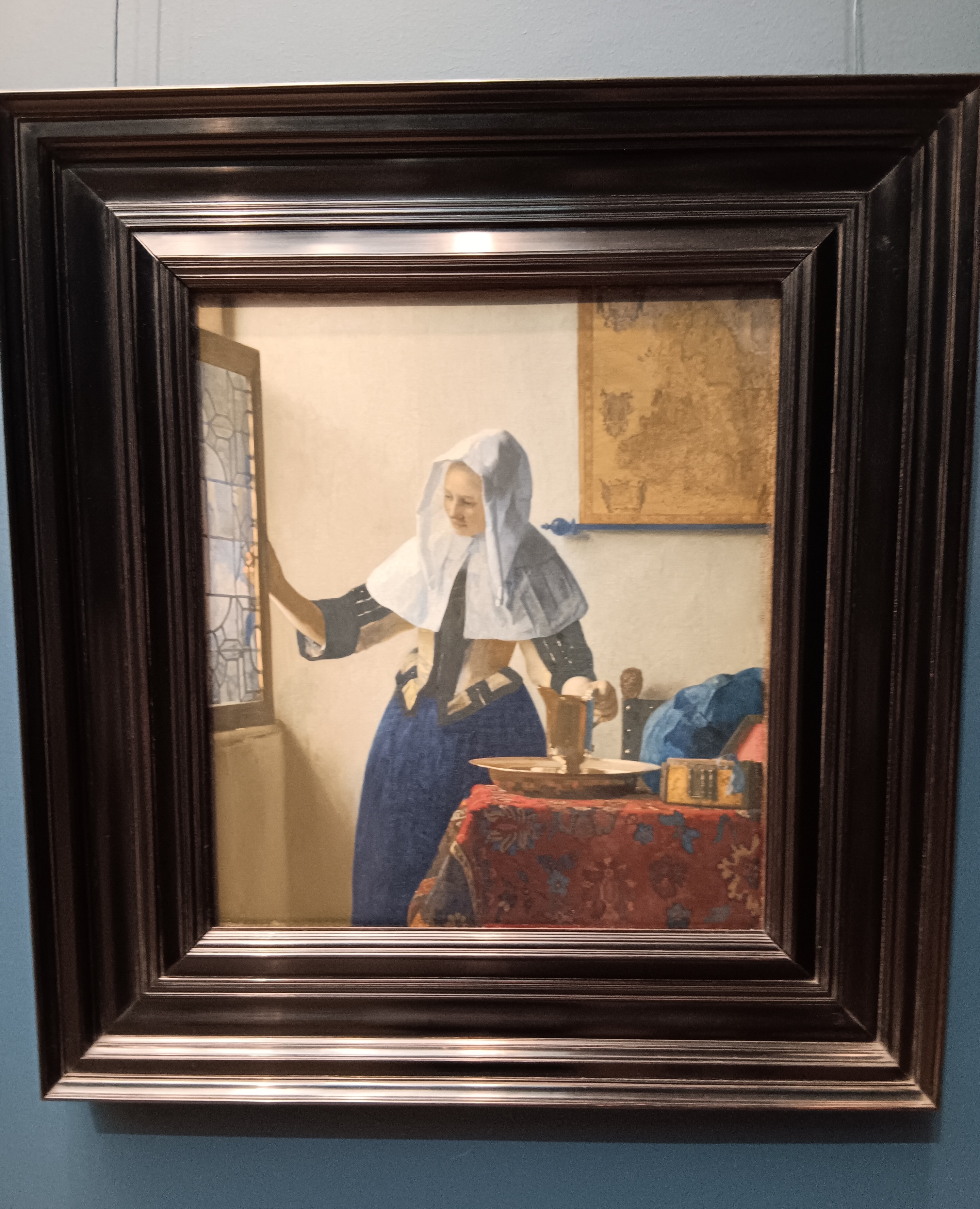
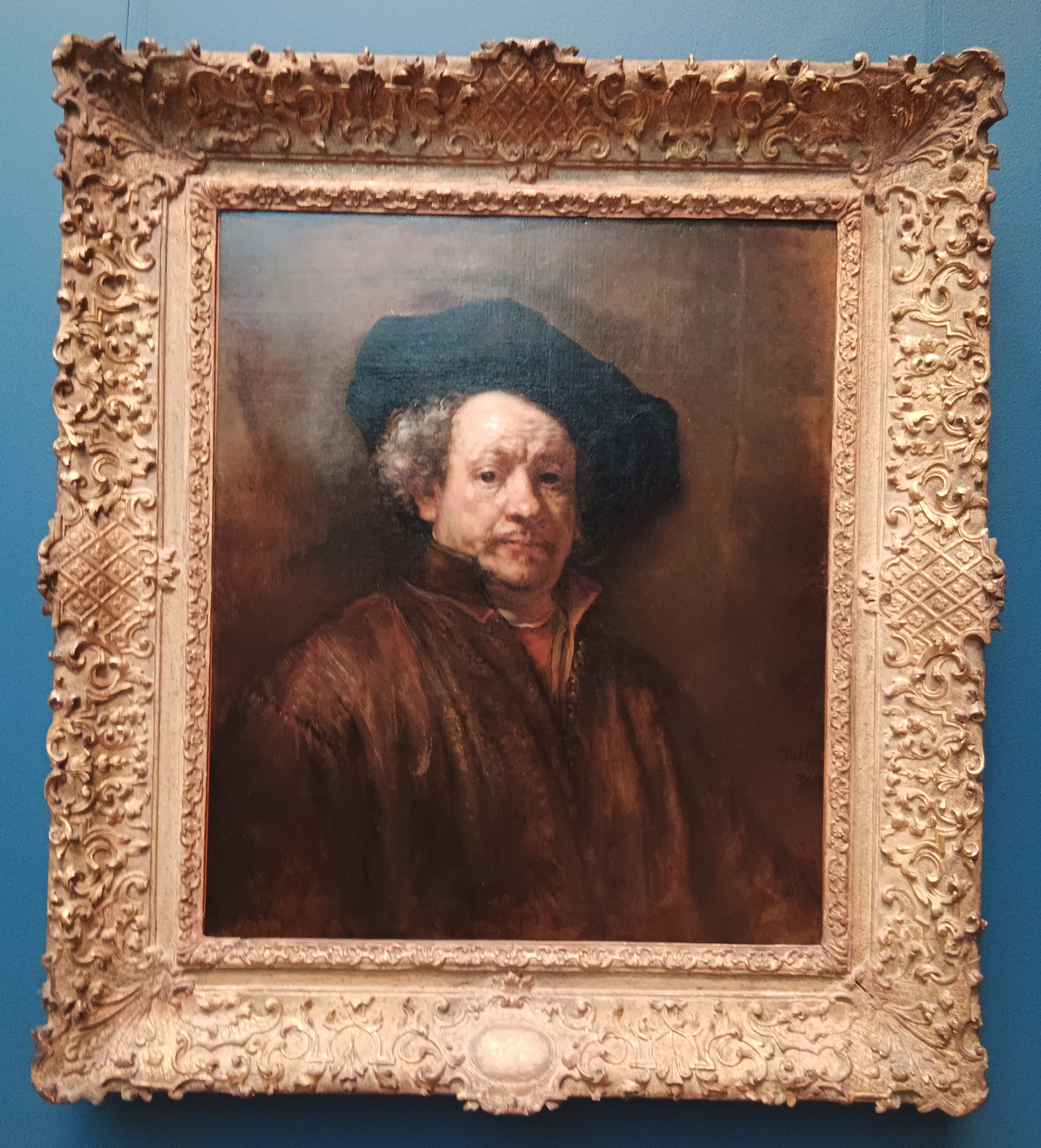
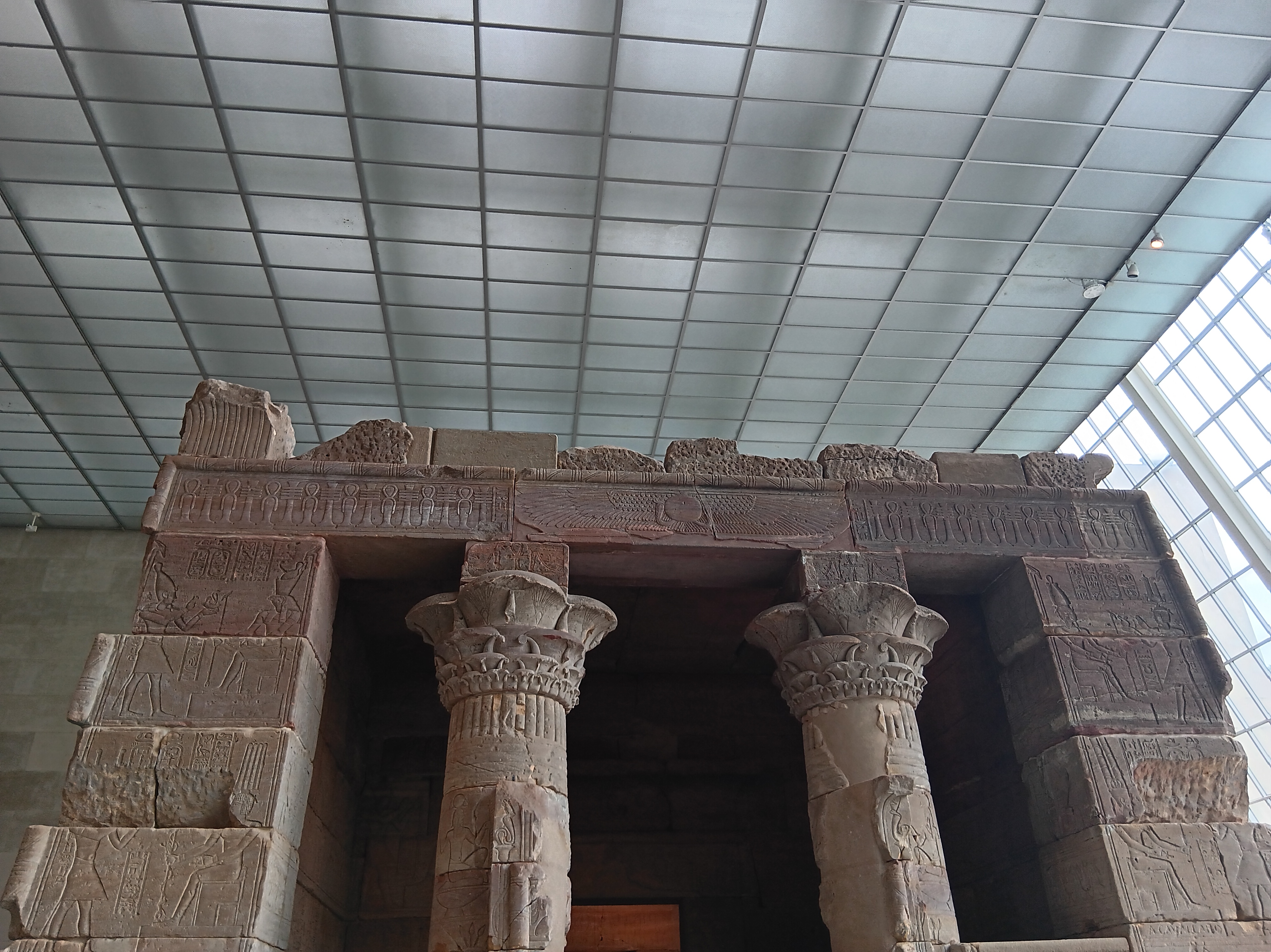
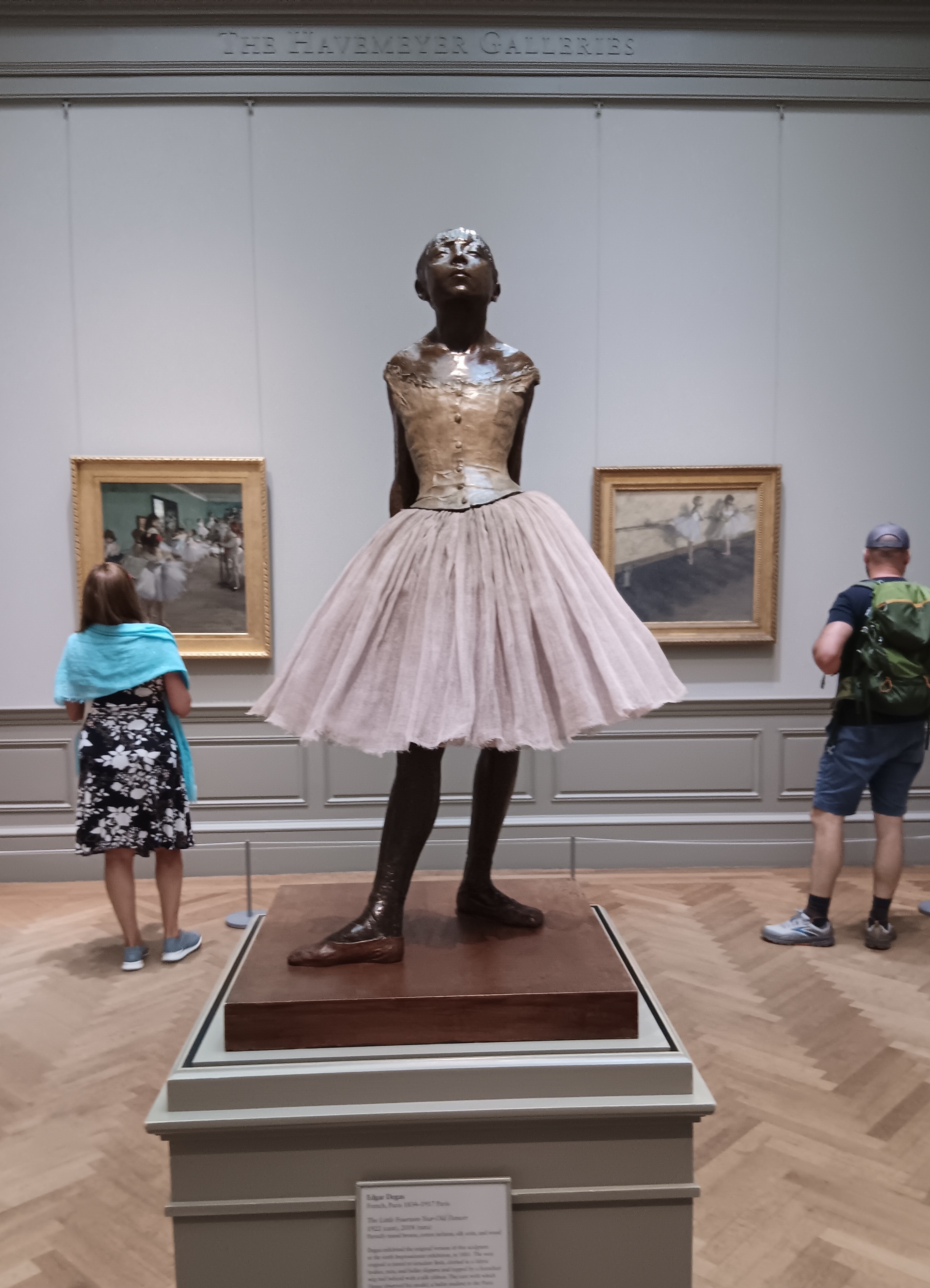
The Met – in all its wondrous abundance and beauty

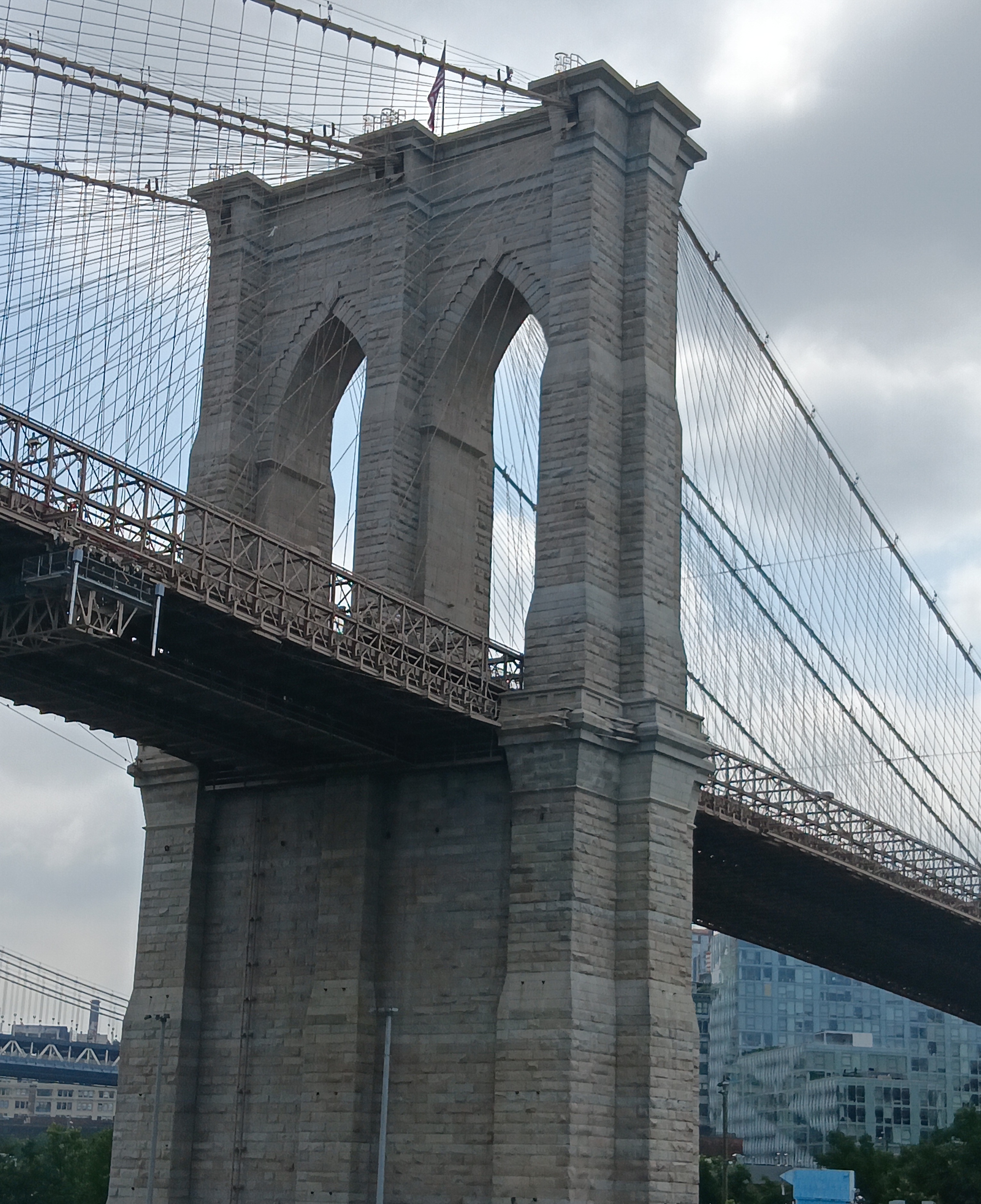
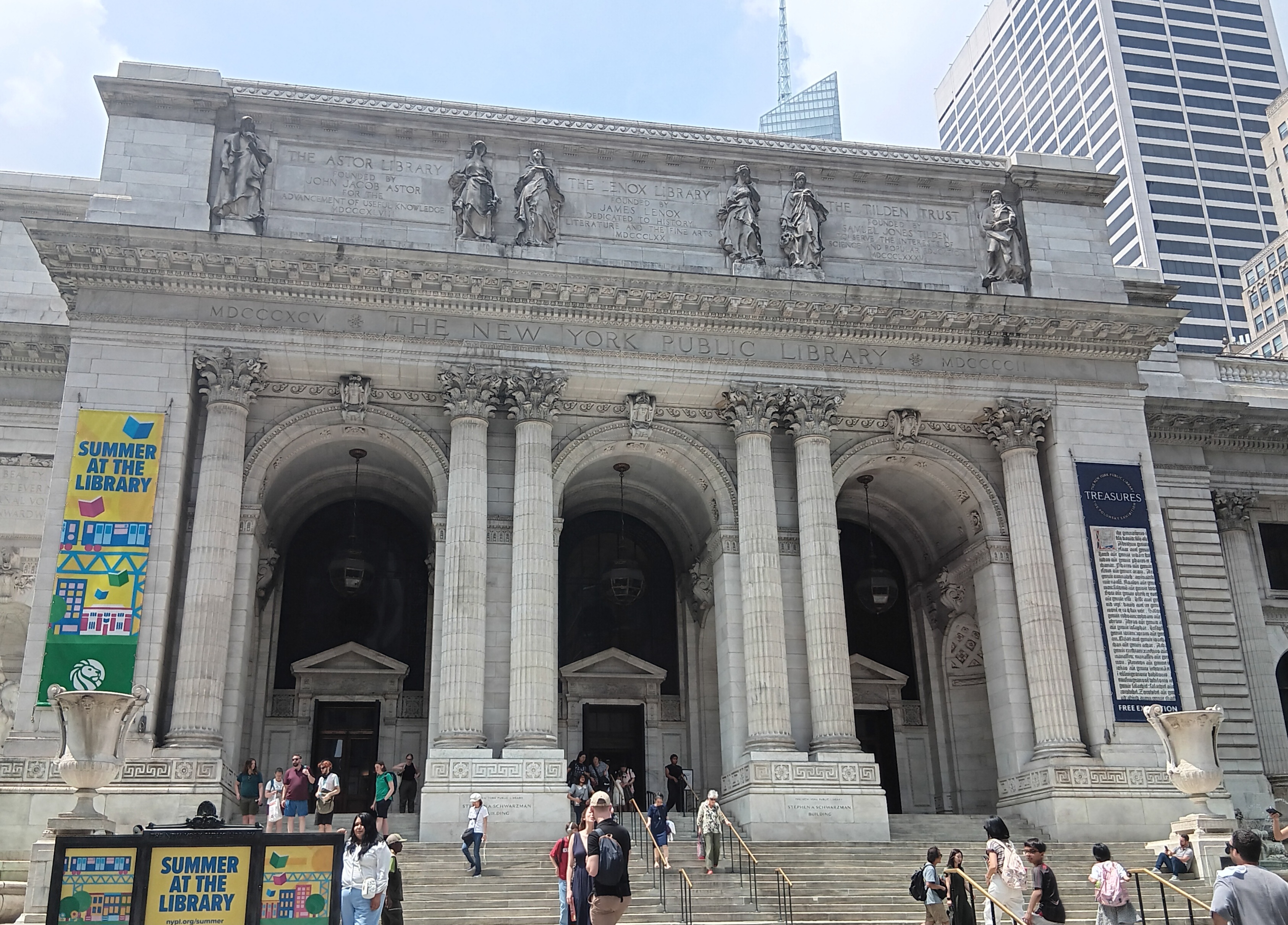
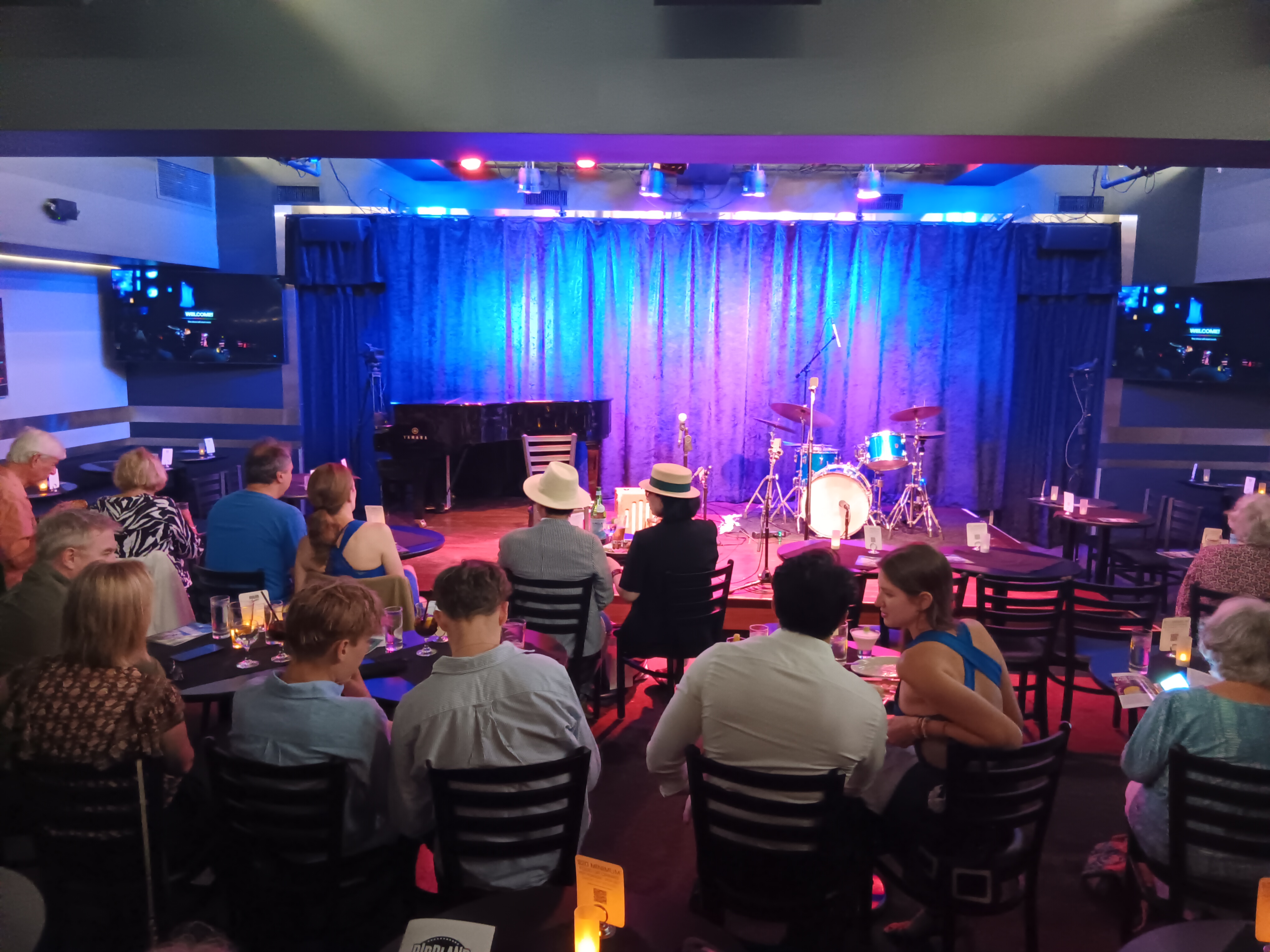
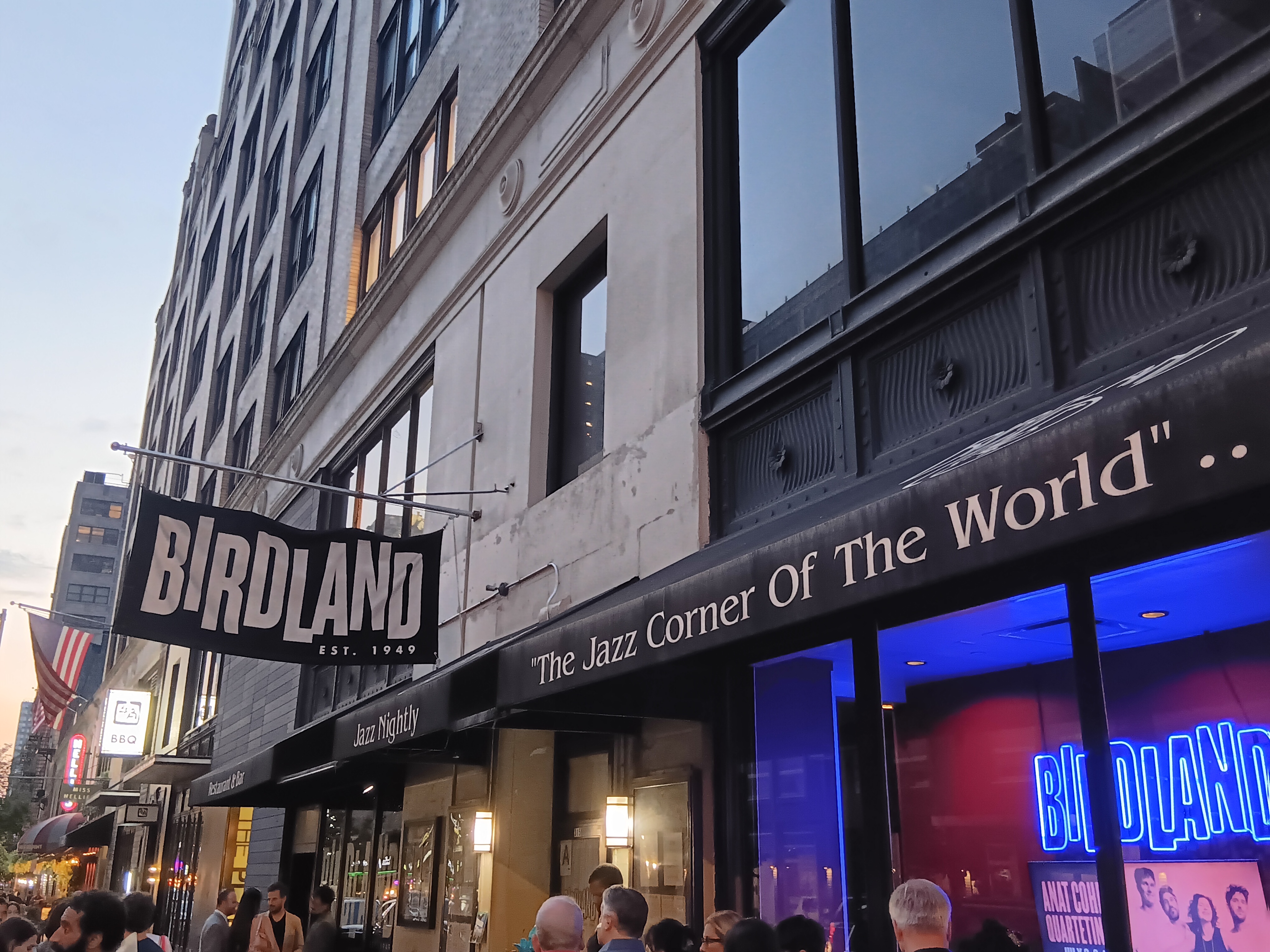
The arts – Broadway, Birdland, NY Public Library, Strand Books

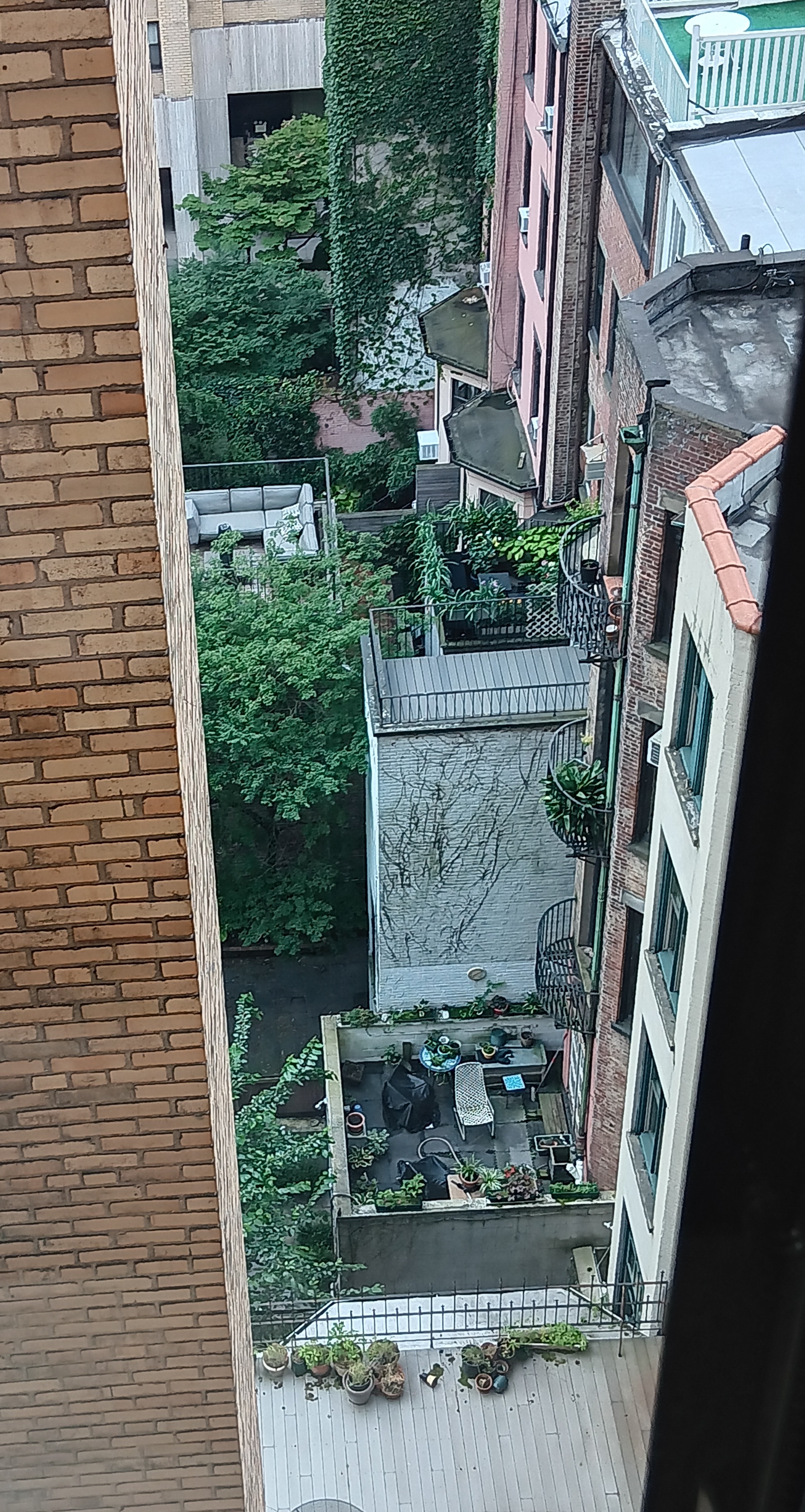
There is also the atmosphere of the city as one walks the streets and avenues, which make Manhattan so easy to navigate. The teeming crowds on the sidewalks who follow no discernable rules, try as you might to keep to the right. The snippets of conversation one hears while walking – New York accents and people speaking in languages from all around the world. The myriad street vendors and panhandlers, who will sell you a hotdog, an NYC cap or a bus tour. The outfits, which run the whole gamut from tourists in ‘I heart NYC’ T-shirts to the sartorially exquisite in designer dresses and high heels or suits, ties and hats. It is endlessly fascinating, though one is relieved to get back into one’s air-conditioned hotel room at the end of the afternoon, before going out again in the balmy evening to go to a show, walk along the East River or watch an Amazon zero-hours contractor make a night-time delivery from an e-cycle vehicle. Another striking feature of this magical city is its clear air and clean streets. I loved it!

Palmy

Manawatu

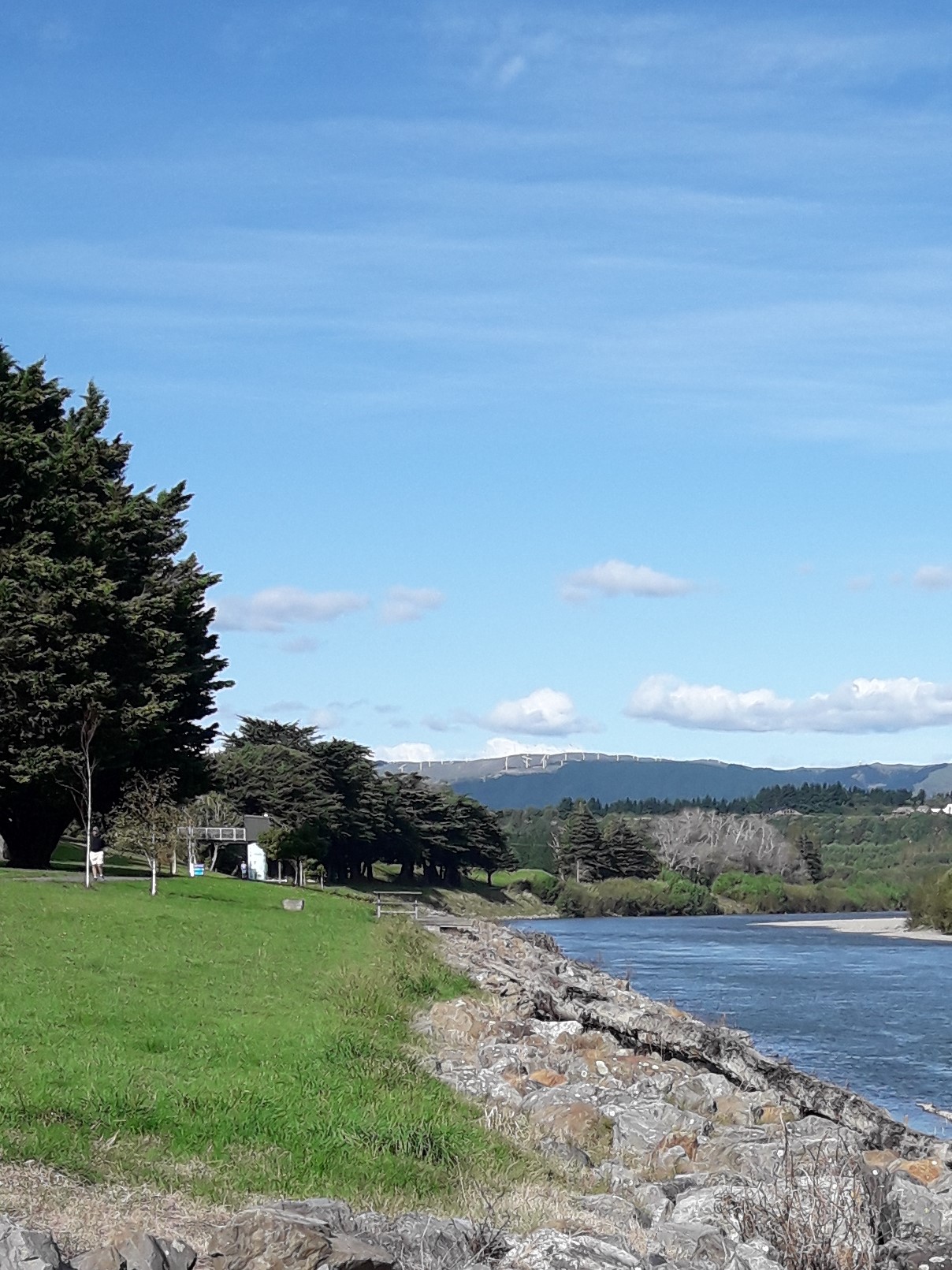
We spent some time in Palmerston North last week. This is the first time I’ve explored this much maligned town and I was agreeably surprised. The town centre surrounds The Square, which has pleasant gardens and plenty of benches. There are interesting shops and cafes fragrant with coffee. There is a fantastic bookshop (https://bmbooks.co.nz/) and I had a long, interesting conversation with the proprietors of Pork Chop Hill clothing (https://www.porkchophill.nz/) about the origin of the name of their business. The art gallery and museum (https://www.temanawa.co.nz/) are well worth a visit. Best of all are the gardens and walking/cycling paths along the Manawatu River (see pic above). There is a paved path all the way along the river and it is well-used, judging by the number of cyclists I saw. There are also walking paths through the bush between the gardens of Victoria Esplanade and the river. These are a delight because of the dense foliage and the cacophony of birdsong. Go to Palmy – you may be as surprised as I was.

Wellington on a beautiful day

Welly

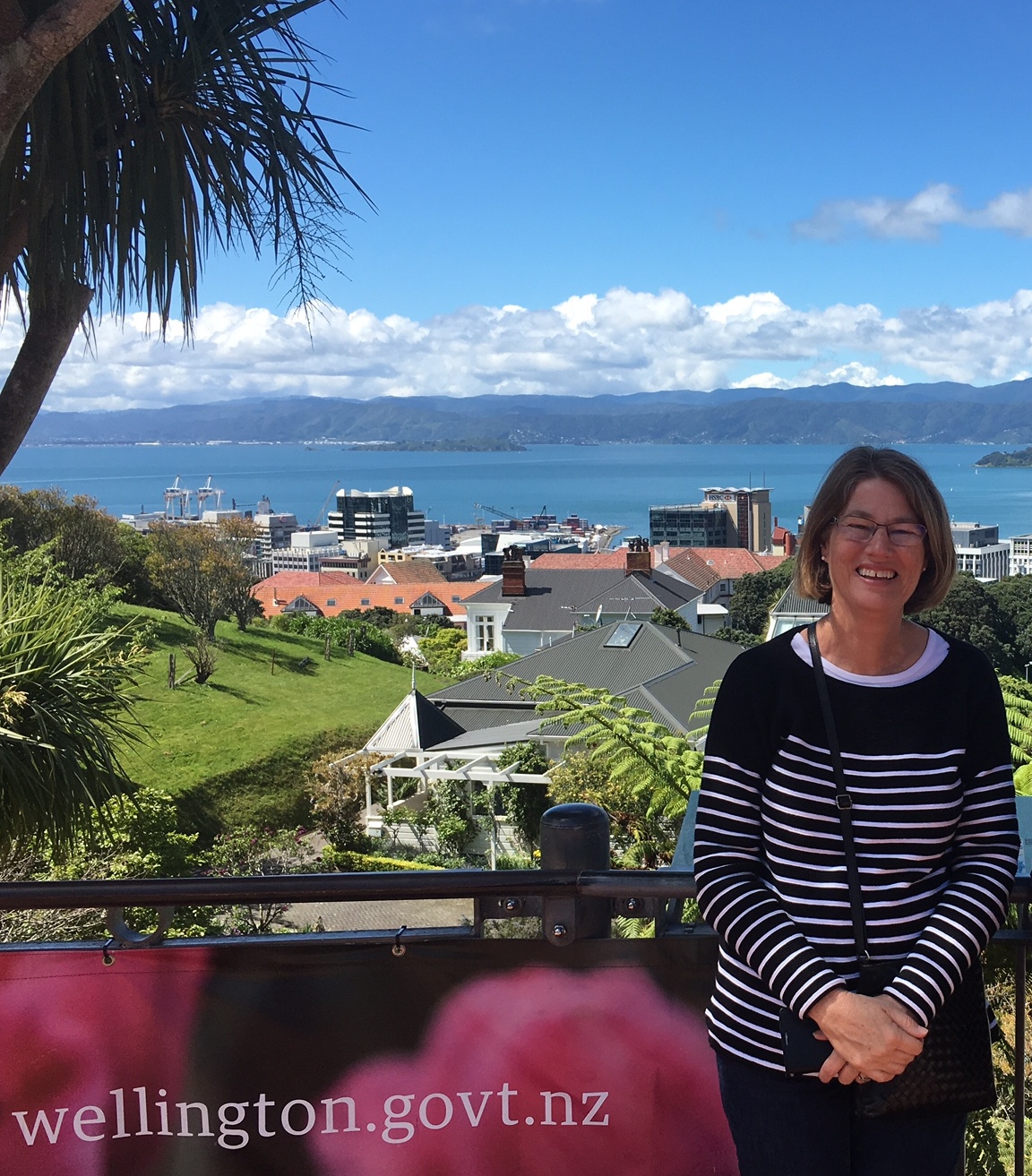
It is a Kiwi cliché that there is nothing to beat Wellington on a beautiful day. Like all clichés, it is true. I’ve just spent a weekend in our capital city and on my last day, the clouds and rain retreated, the wind died down and the sunshine turned the sky a bright antipodean blue. The main reason for my visit was the He Tohu exhibition at the National Library. An exquisite rimu walk-in treasure box encases three of the most important New Zealand constitutional documents – the Declaration of Independence of the United Tribes of New Zealand, the Treaty of Waitangi and the Women’s Suffrage Petition. Apart from the spine-tingling experience of seeing the actual documents, there is an excellent interactive exhibition where one can find out more about each document and the people who signed them. I highly recommend it. I also caught up with two dear Wellingtonian friends who played tour guides and took me to some of their favourite places. Go to Wellington – you won’t regret it, especially if the sun is shining!

Chiang Mai

056

I’m not sure how many temples there are in Chiang Mai but it seems like there’s one on every street corner! And each one seems more splendid than the last. The temple in this photo is Wat Phra Singh, which we visited first because it was closest to our hotel. Our guidebook says it houses the most revered Buddha image in Chiang Mai and that it is an excellent example of Lanna architecture. It is certainly very impressive with its bright gold stupa and immaculate, peaceful gardens. We visited many temples on our walk around the old city and it was awe inspiring. The displays in the Lanna Folklife Museum expertly explain the religious beliefs and customs of the northern Thai people. After our visit there, we were better informed about what we were looking at in the temples. The people watching was good too: robed monks mingled with locals bringing their offerings and saying their prayers as well as tourists from all over the world. It is all very relaxed and inclusive.

Penang for Diwali

064

We spent the Diwali weekend in Penang staying at the beautiful Eastern and Oriental Hotel. It turned out to be a wonderful weekend weather-wise. Clear blue skies in the morning and huge clouds building for the afternoon downpour, which kept things cool and fresh. We’ve never seen the Strait of Malacca look so blue! We swam in both the pools at the hotel, ate delicious food and wandered the narrow streets of George Town. Exploring the Pinang Peranankan Mansion was a highlight. This is a restored 19th century house that belonged to wealthy Baba (a locally acculturated Straits Chinese businessman) and is filled with collections of photos, furniture, jewellery and china. Well worth a visit.