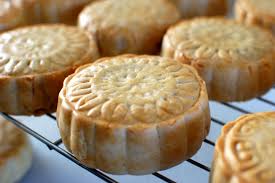
Moon cakes

moon cakes

Hari Raya dates have been replaced in all the shops by displays of moon cakes. These cakes are round pastries filled with a rich thick filling usually of red bean or lotus seed paste. They are eaten as part of Mid-Autumn Festival celebrations. This festival dates from the fifth century, involves lunar worship and is associated with the legends of Chang’E, the mythical moon goddess of immortality. I found a lovely tea shop in central Ipoh this week. It has a beautiful cafe where one can drink tea from delicate china cups and eat Chinese delicacies, including moon cakes. Since I was on my own I didn’t stay but I did buy some cakes – I chose green tea pastries filled with date paste (and no sugar added!). It is an acquired taste but, having just eaten the last wedge of the first cake, I can report that it is growing on me. Perhaps next time we’re in town, we’ll sit down for tea and moon cakes – join us if you like!

Hari Raya

Hari Raya

Muslims in Malaysia celebrated Hari Raya last weekend and we all enjoyed a four-day break. Hari Raya is the end of Ramadan and many Muslim families mark the holiday with ‘balik kampung’ (going back to the village) so the roads are very busy. The symbol of Hari Raya on many posters and greeting cards is the ‘ketupat’, baskets woven from coconut palm leaves which are stuffed with rice and then boiled. Not surprisingly food is central to Hari Raya and family gatherings. We were invited to an evening meal on the third night by our Muslim neighbours. The table was beautifully laid with all sorts of traditional dishes, many of them deliciously spicy. There was another table filled with sweet dishes. We tried to to do justice to it but when we got up the dishes were scarcely dented. Our neighbours had all their children and grandchildren staying over and the house was filled with the excited chatter and laughter of the children, dressed in their shiny new clothes. They were enchanting.

Chinatown

IMG_3749

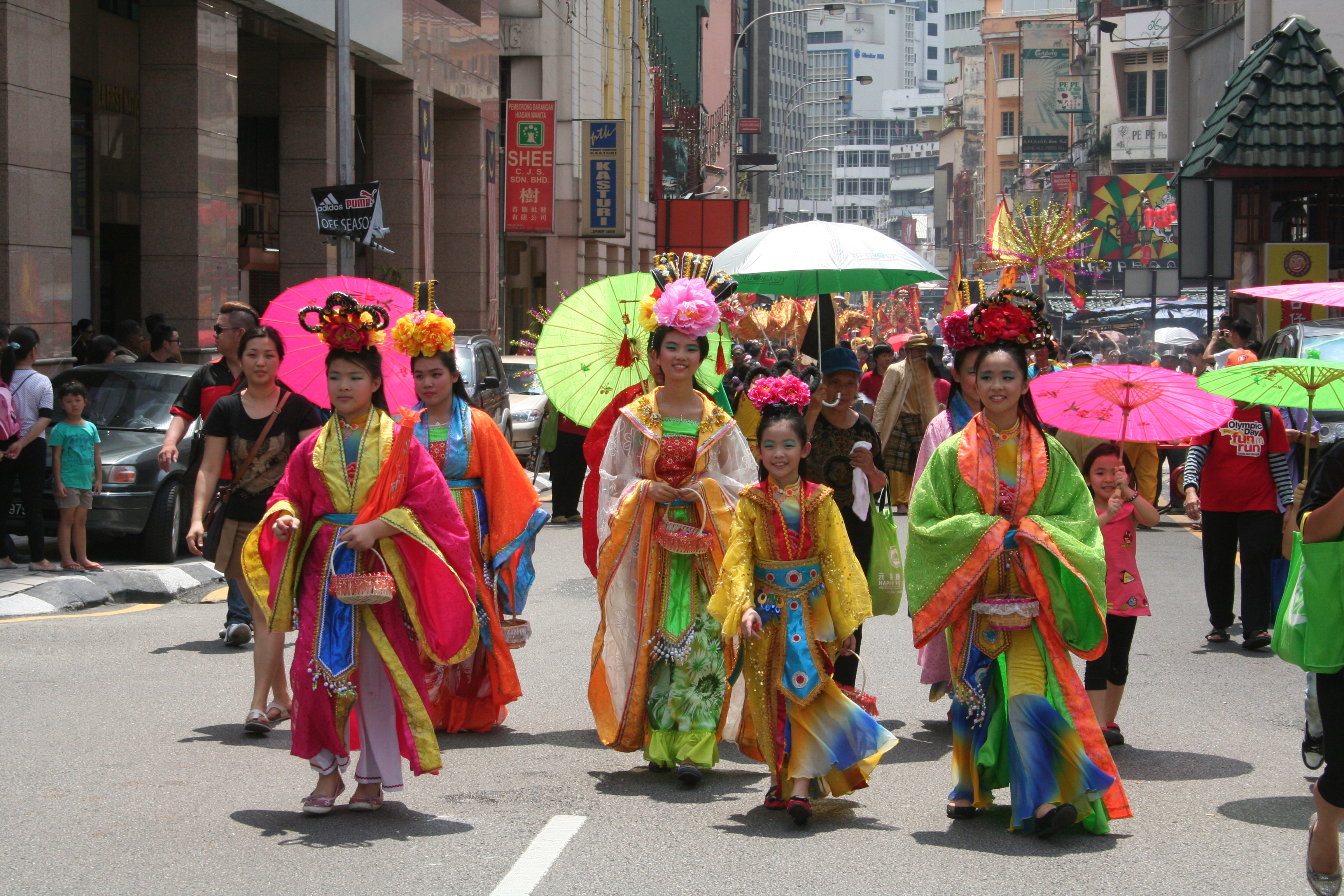
The Guan Ping Festival was in full swing when we got to Chinatown in Kuala Lumpur last Sunday. There was a procession down Jalan (meaning ‘street’ in Malay) Petaling consisting of lion and dragon dancers, these lovely ladies, stilt walkers, as well as representatives of the local Indian and Malay communities. The festival aimed to bring prosperity to local businesses. There were hundreds of people in the streets watching the parade and presumably they bought food and other things from the numerous stalls and shops that exist cheek by jowl in Chinatown. The shops along Petaling Street sell made-in-China tat and designer knock-offs. But look past that and up at the buildings and you get an idea of what the old Chinatown must have looked like. In the Lee Rubber Building we found the wonderful Peter Hoe store and cafe (go to this article http://www.kuala-lumpur.ws/magazine/peter-hoe-beyond.htm to see why I loved exploring this store). And later on we found the Old China Cafe (http://www.oldchina.com.my/) where we had a drink and enjoyed the ambiance. So good that you can still get a taste of the old Chinatown.

Dates

dates

Ramadan begins on 28 June and there are large displays of dates in all the supermarkets. It is believed that Muhammad ate dates when he broke his fast. Dates are also an excellent source of nutrients for people who have been fasting all day. The supermarket displays include elaborately boxed dates, which are imported from all over – Egypt, the UAE, Tunisia. Dates have long been one of my favourite snacks and often, on a Sunday morning, I will make a batch of date scones for breakfast. I have struggled a bit to find dates in the supermarket but not now with Ramadan approaching. Yesterday I bought a box of almond date rolls (yum!), which are imported from the USA, and was amused to read on the back of the box “Kosher for Passover”. I refrained from laughing out loud!

Easter

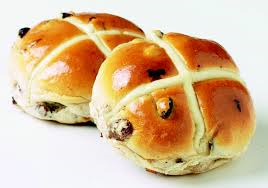
hot cross buns

Today is Good Friday but Jim is at work and I am at my desk (where I am very pleased to be editing a thesis). Easter is not officially celebrated in Peninsula Malaysia. Christians make up just over 9% of the Malaysian population and the majority live in East Malaysia, where Good Friday is a state holiday (in Sabah and Sarawak). It feels very strange for this to be a ordinary working day and underlines the fact that we are living in a Muslim country. I also feel nostalgic about the Easter holidays as that was when we went on our annual family vacation when I was a child. We usually travelled inland from the coast and had a farm-stay type holiday, which was novel for us who otherwise spent almost all our leisure hours at the beach. We would visit the nearby farm and watch the milking, tramp around the surrounding hills and play long games of football or tennis in the afternoons. It was idyllic, as was our stay last Easter in a bach on the Raglan harbour. I guess you could say I am feeling a bit homesick today!

Qingming

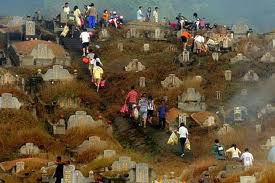
qingming

This has been observed by Chinese communities for over 2000 years. It is celebrated around 5 April because that is springtime in the northern hemisphere. It is also the time to tend to the graves of those who have gone before. Families sweep the area around the tombs and leave offerings. They may also burn joss sticks and paper replicas of the things that the ancestors need in the afterlife. We pass a large cemetery on the way from our house to the city centre and have seen large family groups cleaning up around the tombs. There is a lot of smoke from the small fires and splashes of bright colour where people are holding up umbrellas to ward off the hot Malaysian sun.

The Year of the Horse

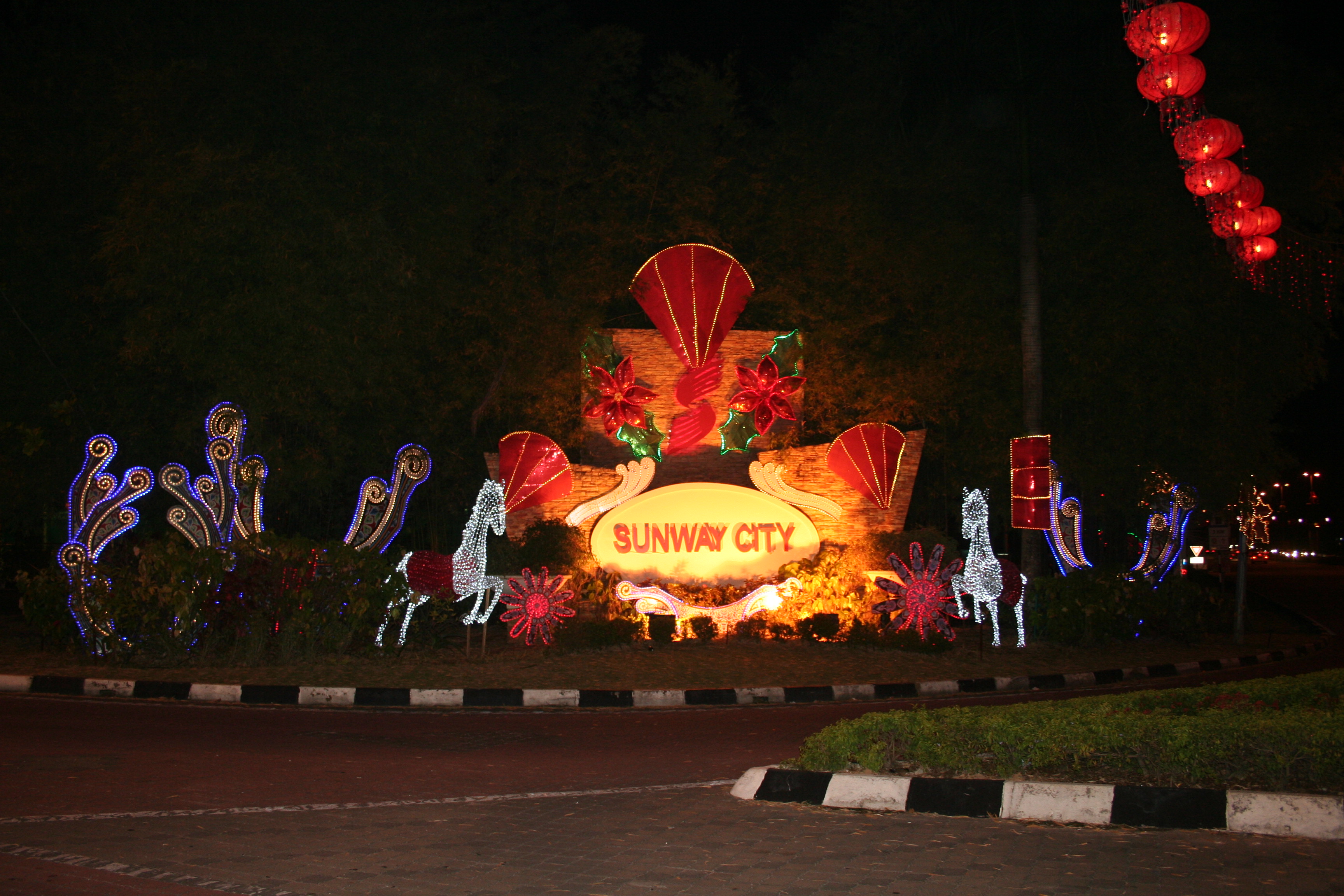
IMG_3163

We are in the midst of new year celebrations in Ipoh. These are the lights that greet us as we drive into our area of the city. Many of our neighbours are Chinese Malaysians and they have their families visiting, large gatherings at dinner time and very loud firework displays in the middle of the night. The noise of the crackers reverberates around the limestone hills that surround Sunway City. On the first night of the new year I woke with a start, certain that I was in the middle of a war zone! One of our neighbours who is Hong Kong Chinese invited us for high tea on the first day of the new year. We sat around the table, which was loaded with sandwiches and cakes, and were plied with cups of English breakfast tea. Very pleasant particularly as they had their air conditioner going full bore. We then piled into Jim’s company SUV and drove into the old city for a delicious Indian meal. Happy year of the horse!

Thaipusam

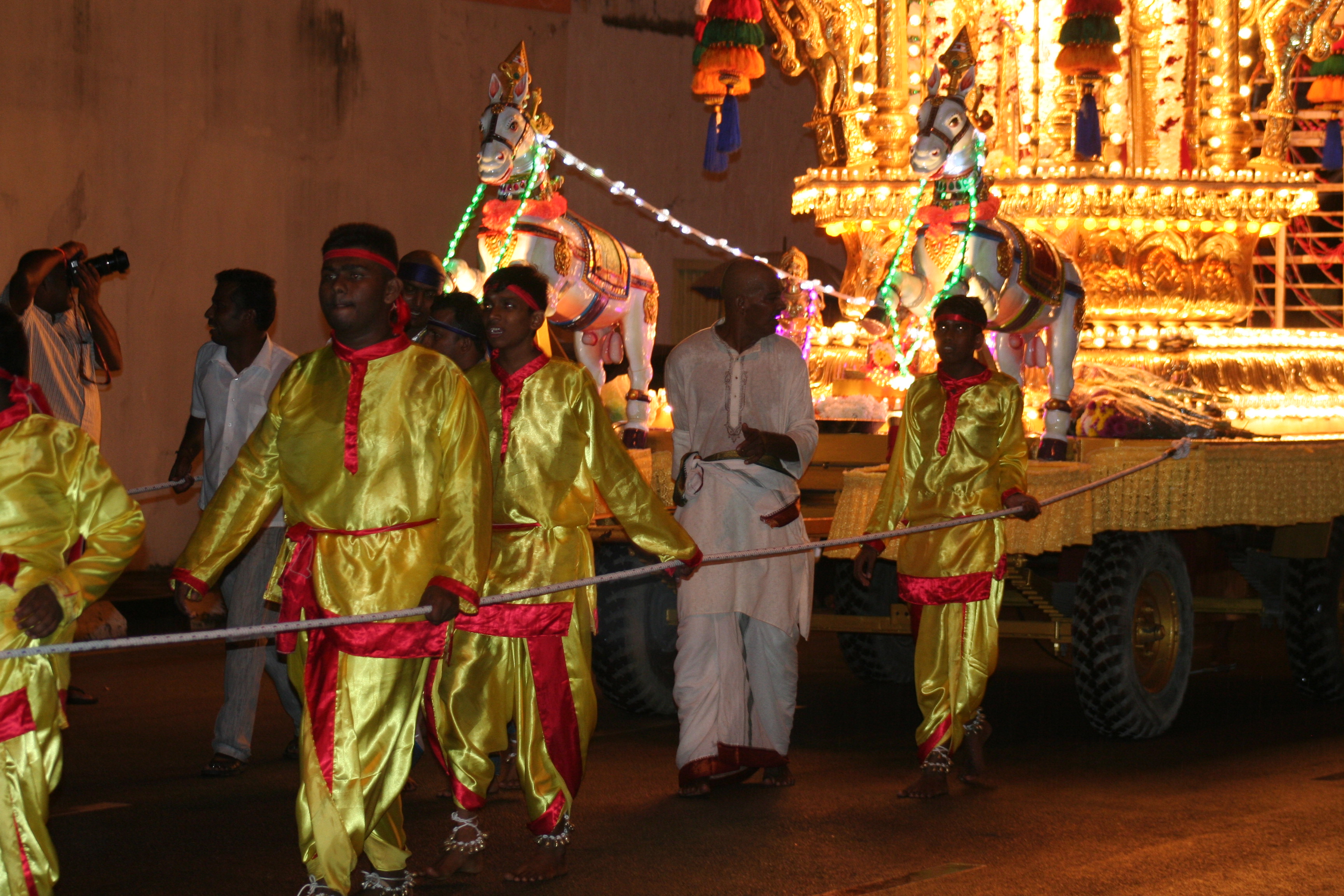
IMG_3079
Last Friday and Saturday was the Hindu festival of Thaipusam. There are celebrations wherever there are significant Tamil communities and Ipoh is one such centre. Thai is the Tamil month coinciding with January/February and Pusam is a star, which is at its highest point at the time of the festival. Thaipusam is a commemoration of Murugan, the Tamil god of war, and devotees carry kavadi to the temple in penance and also to entreat the god for good fortune in the future. Kavadi may be as simple as carrying a pot of milk to the temple but it may also involve piercing of the skin, tongue or cheeks with skewers, or pulling a decorated cart by means of hooks inserted into the back. We went into central Ipoh on Friday night to watch the procession of carts. A family sitting on the steps of a bank invited us to join them at this vantage point. They were local Indians – a father, his daughter and twin sons – who had all come into the city on one little scooter. The children were very excited though their father told us that they were Christians. The Hindu people around us were beautifully dressed, the women and girls in magnificently coloured saris and bright bangles, the men in embroidered shirts. The carts came by pulled by men with hooks in their backs, some of whom also had skewers through their tongues and cheeks. They were accompanied by dancers and drummers. It was an amazing spectacle for these two pale Protestant New Zealanders and a fantastic introduction to the diversity of our new home city.