Roman remains

Wherever they found springs, the Romans established towns complete with baths, roads and, in some cases, aqueducts. This was true in Bath and also in cities we’ve visited in Germany. The soaring towers of the Cologne cathedral are awe-inspiring indeed but the Romans were there long before Archbishop von Hochstaden laid the foundation stone in 1248. Called Colonia Claudia Ara Agrippinensium, it was an important city on the Rhine and there are still Roman remnants dotted around the city.

The cathedral was finally completed in 1880. It is a Gothic masterpiece that was planned to house the reliquary of the three wise men and as a fit place for the Holy Roman Emperor to worship. It remains the seat of the archbishop of Cologne. Its spires are over 150m in height and wherever you walk in the city, you can see them soaring above the other buildings.

The city of Aachen is on the site of the Roman settlement of Aquae Granni, so called because the spring there was dedicated to the god Grannus. The smell of sulphur lingers around the city centre, which is picturesque with its cobbled lanes and wide squares. We sat down for an iced coffee in one square and were presented with a dessert – the glass was almost filled with ice cream with a token amount of coffee poured in!

At the heart of the city centre is the cathedral, which is much smaller than the one in Cologne and built in a different style much earlier, around the year 800. It is the burial place of Charlemagne and is constructed around on octagon. The decorations inside are muted and reminiscent of the Byzantine churches in Istanbul. The cobbles of the lanes and squares are dotted with brass plaques that have Charlemagne’s monogram embossed on them. The story goes that he was illiterate so his administrators had a template made to which he could just add a line to complete his signature.

For someone who lives in the antipodes, it is thrill to visit cities that began in ancient times and to marvel at the glories of their medieval pasts. The locals, however, live modern lives among the splendour and one sees them whiling away the summer evenings along the banks of the river or in a town square with their families and friends, taking it all for granted. It seems incomprehensible that they should walk straight past the cathedral and not even break their stride.
An uneasy history

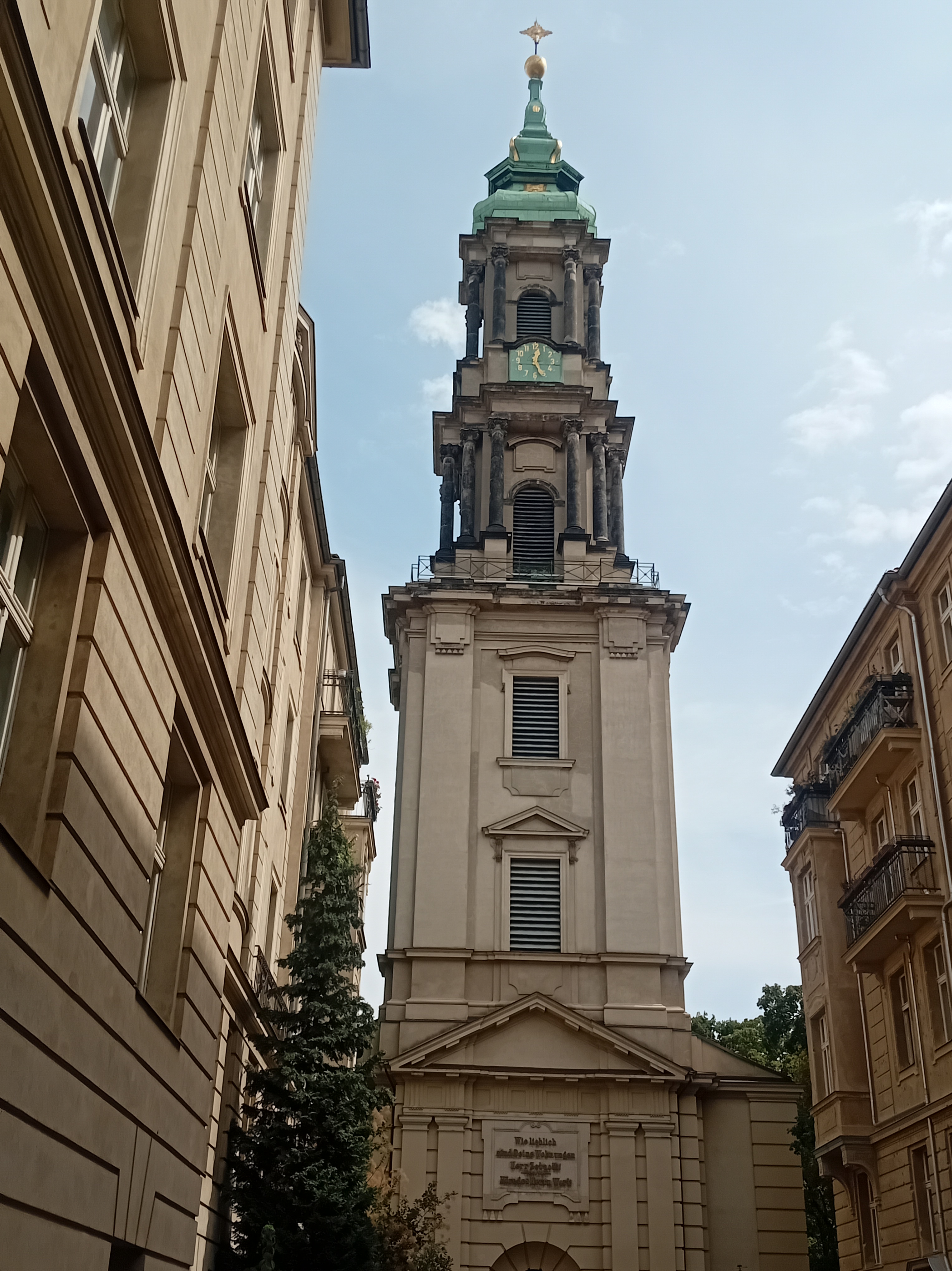
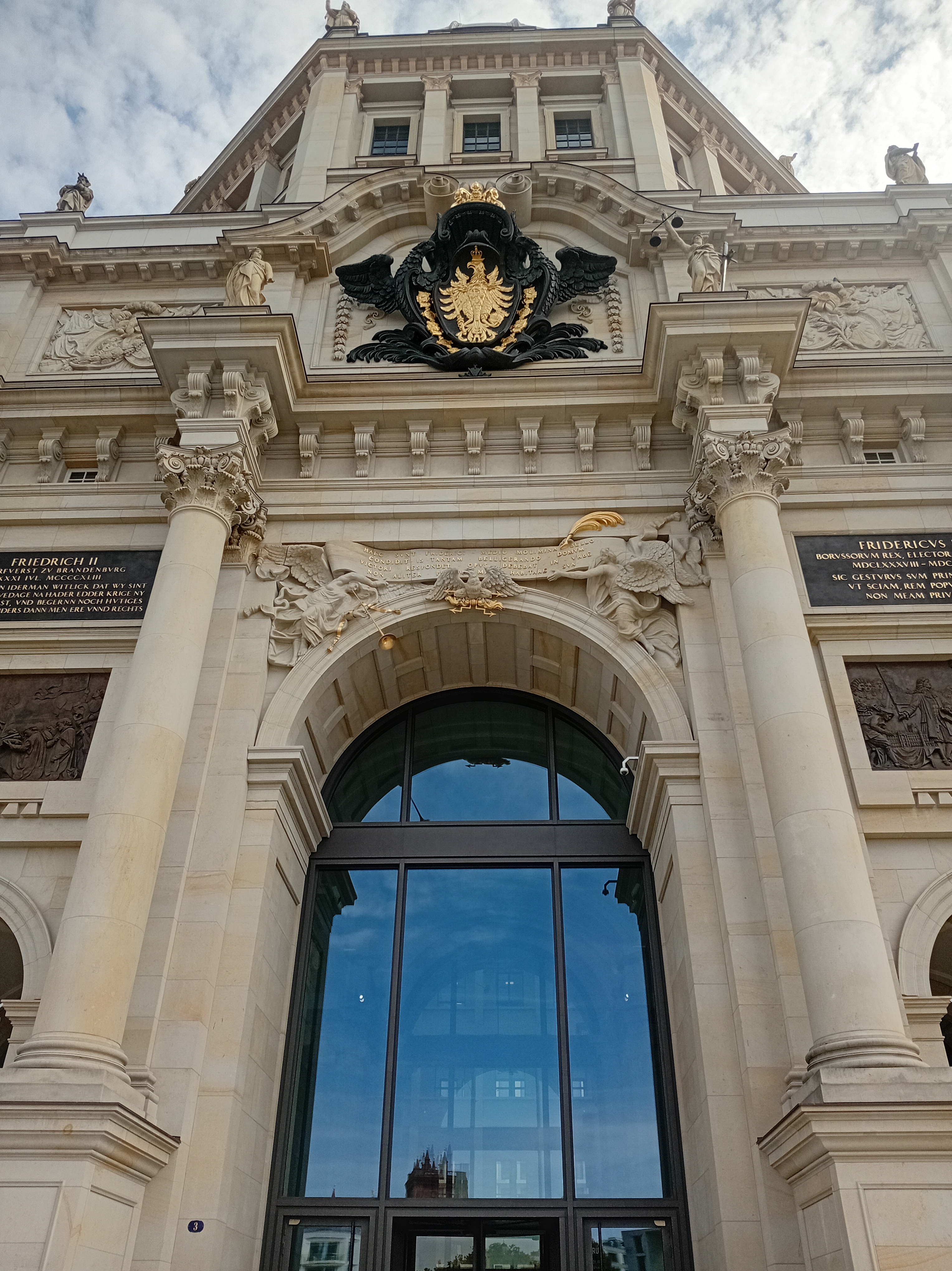
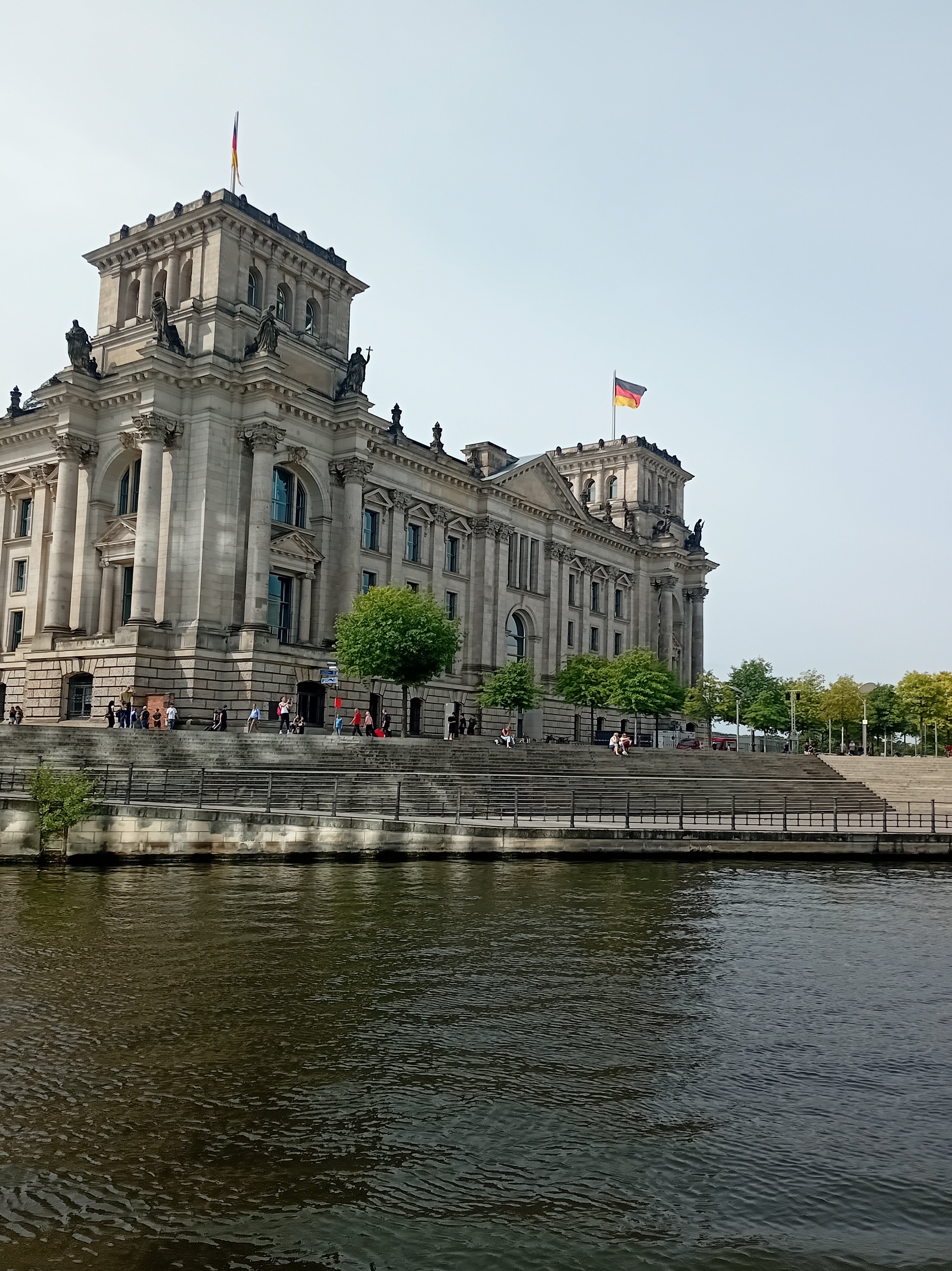
Berlin has a long, complicated history, stretching back more than 780 years. Yet it is a thoroughly modern city, largely because of the extreme destruction it experienced towards the end of the Second World War. Some of the older buildings have been restored in their original form but there are many modern structures, particularly in the area that is home to the federal government and chancellery, so there is an interesting juxaposition of old and contemporary architecture. Many of the buildings were also constructed on a grand scale. Walking around Museum Island, one is overawed by the dimensions – soaring columns, huge statutes and fountains, massive entrances and very high ceilings – of the five museums that are built on an island in the Spree River, accessible by bridges.

The river is an active part of the city and we took a pleasant and informative ferry trip along it. The extensive Tiergarten is a green oasis in this bustling city and performs the same function as Central Park does in New York City. The public transport is amazing and you can get around very easily by tram, bus or underground. A daily ticket will allow you to use all three.

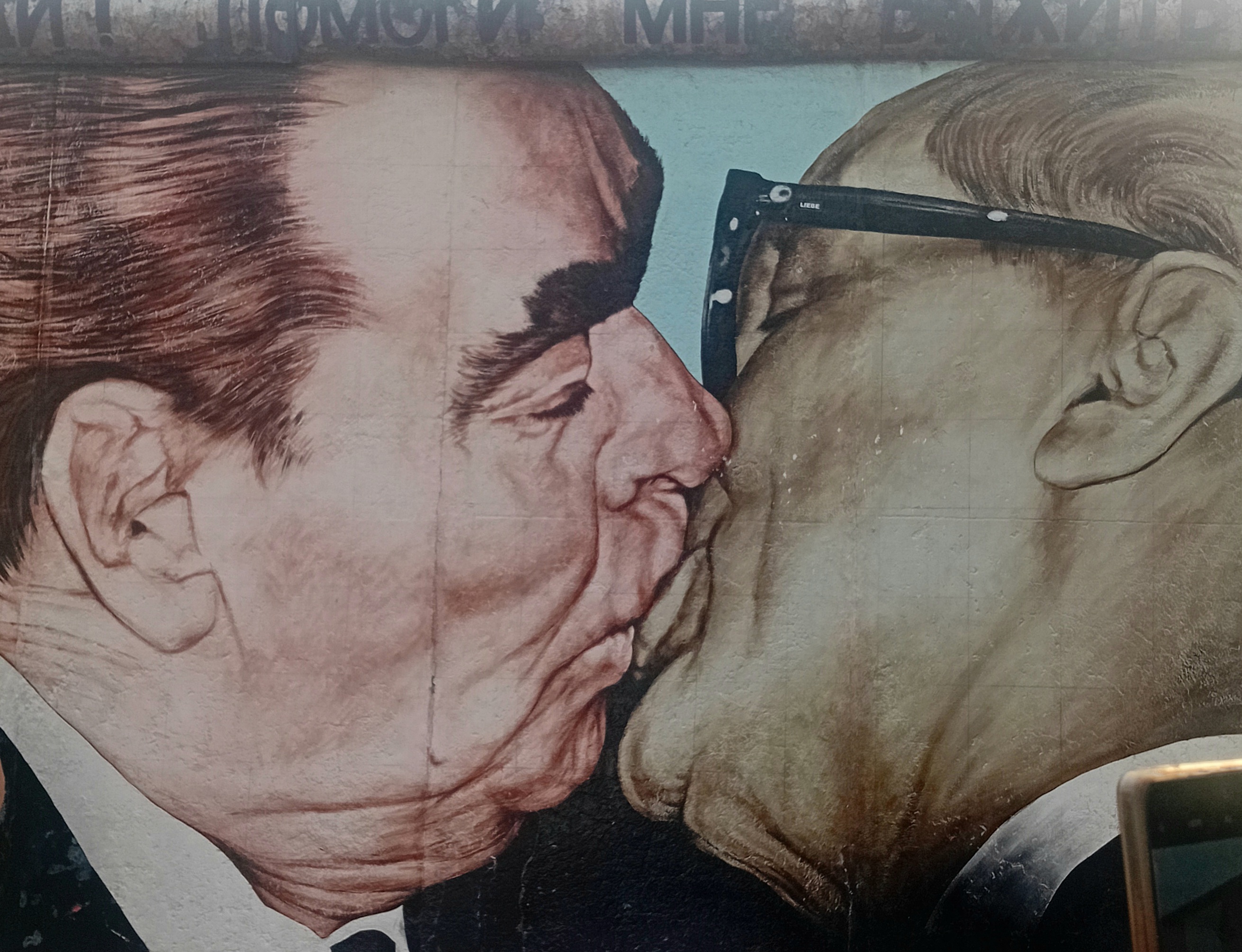
Berlin was a divided city from 1961 to 1989 and the East Side Gallery preserves what is left of the Wall. It is covered in interesting art by various artists from around the world, none more (in)famous than the Dmitri Vrubel painting of Brezhnev and Honecker in an embrace. It’s sobering to remember the chilling effect the Wall had on the people of Berlin, separating families and causing at least 140 people to lose their lives attempting to escape, and on the Cold War world. At a former border crossing point between East and West Berlin, at the Friedrichstrasse station, you can still see the Tranenpalast (Palace of Tears), so-called because of the many tearful partings between East German residents and western visitors that took place there.

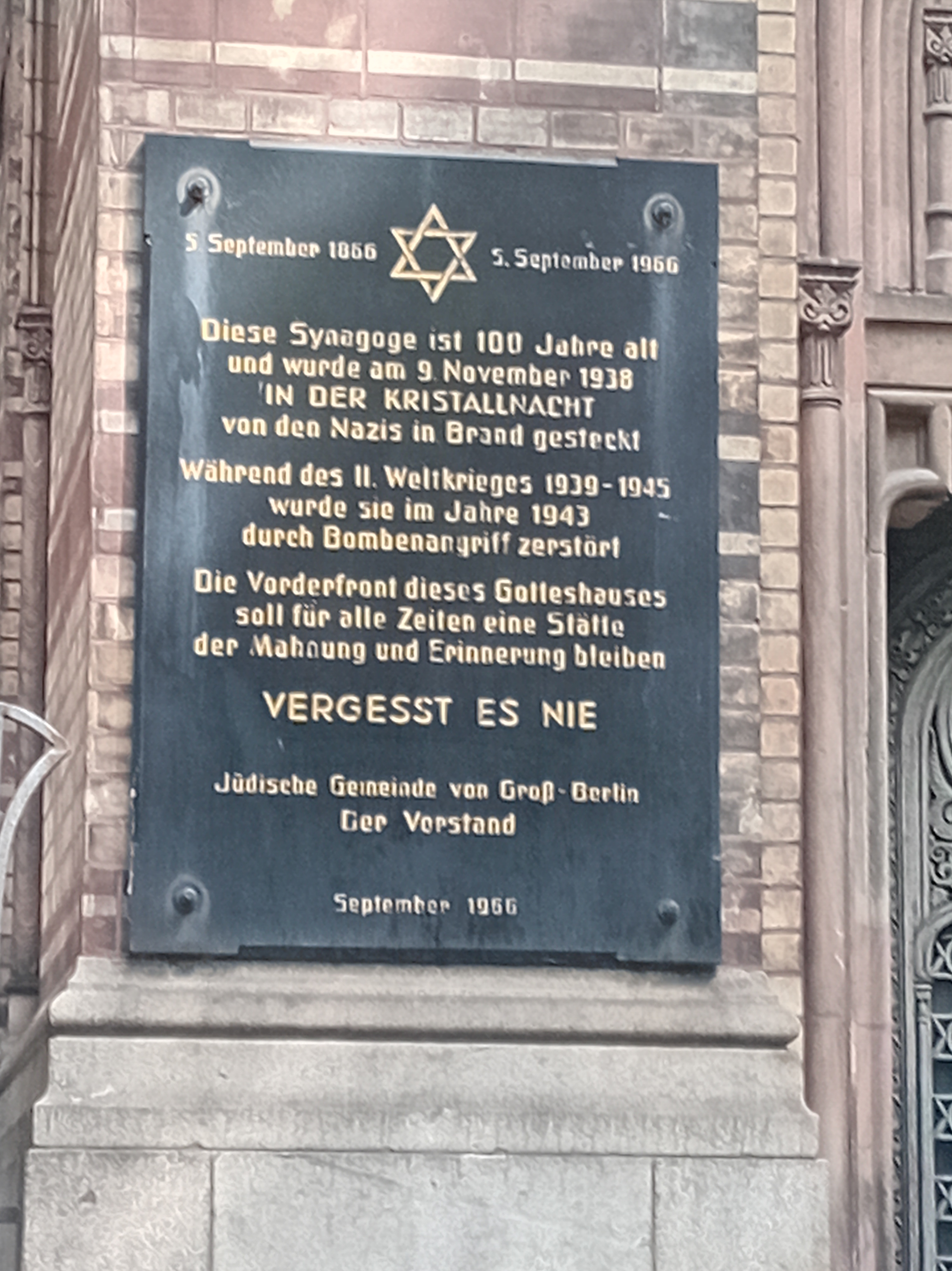
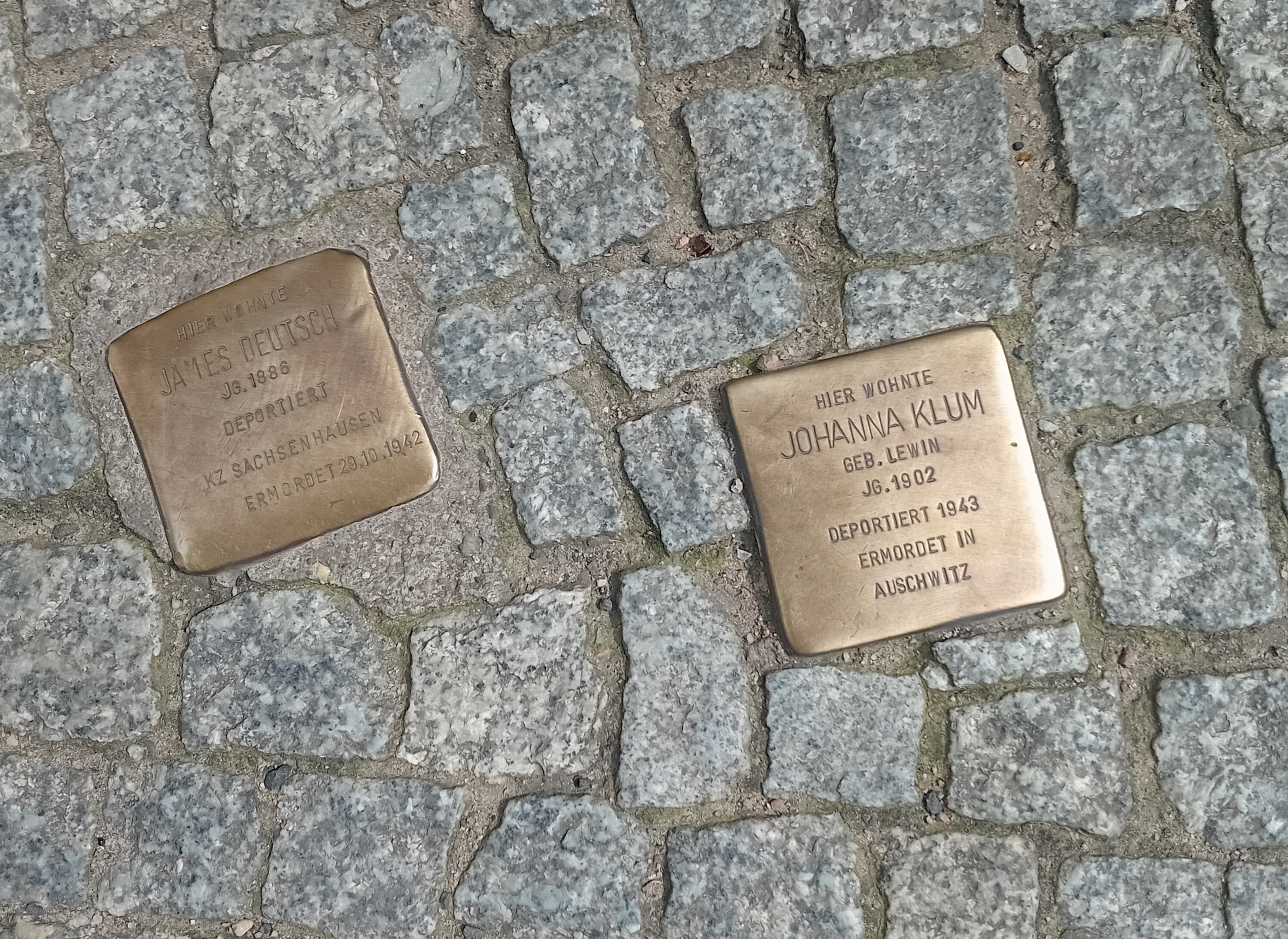
Berlin’s dark past is also evident in the pitted walls caused by small arms fire in the last ditch battle for the city in April/May 1945. But it is the numerous stumbling stones dotted around the cobbled streets that are the most poignant reminders of all. “Here lived Johanna Klum … deported 1943, murdered in Auschwitz”.

Our accommodation (a comfortable and spacious hotel apartment) was in the vibrant Mitte district, in which there are numerous funky stores, art galleries, restaurants and bars. On our last evening, we enjoyed a drink in a quaint courtyard cafe run by charming Vietnamese Berliners. We had a chat to the two young women sitting at the next table. They were Turkish-born, US-educated Berliners, who spoke impeccable English. The Mitte is cosmopolitan, modern and representative of present-day Berlin.