Carinthian countryside

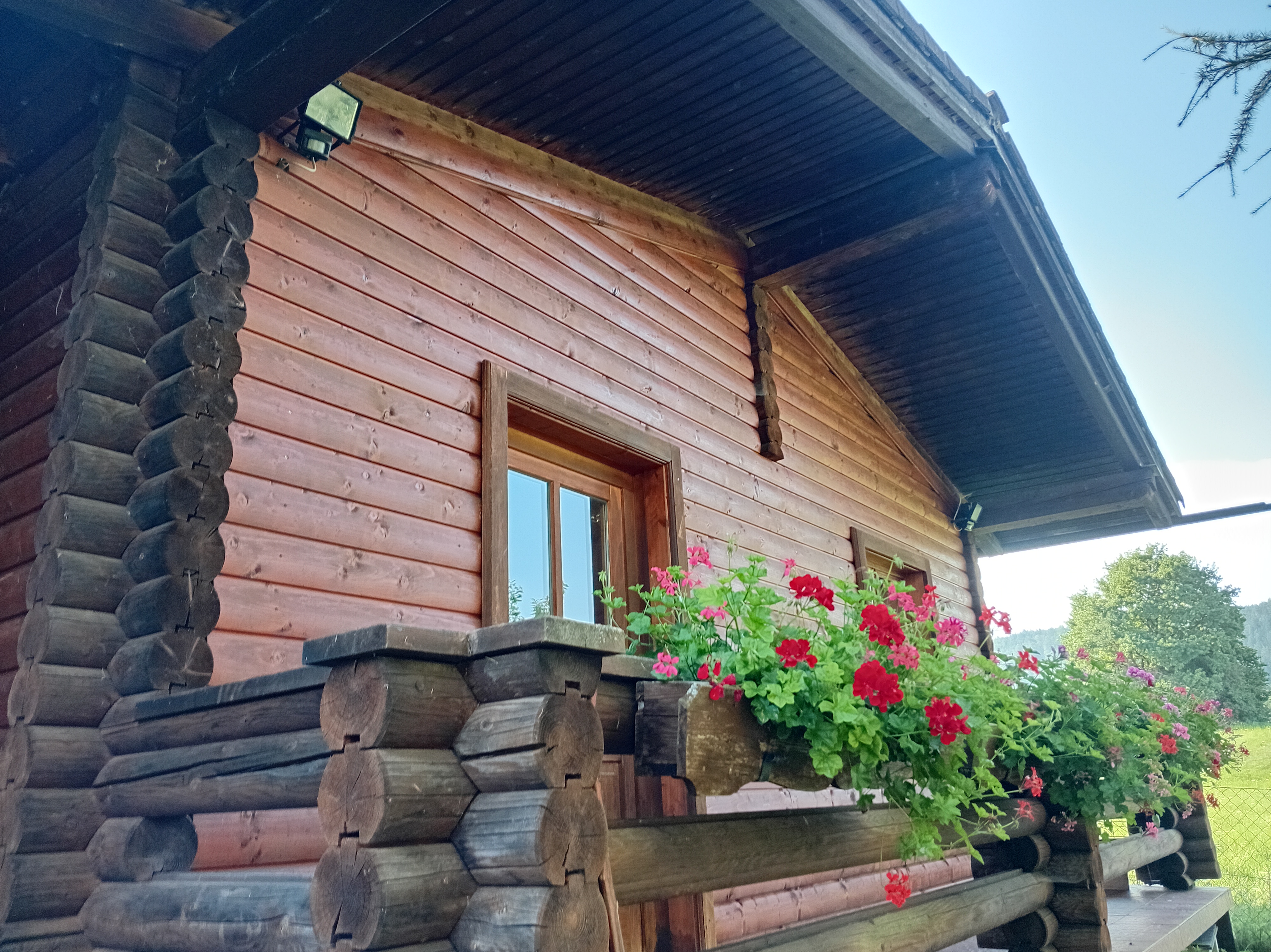
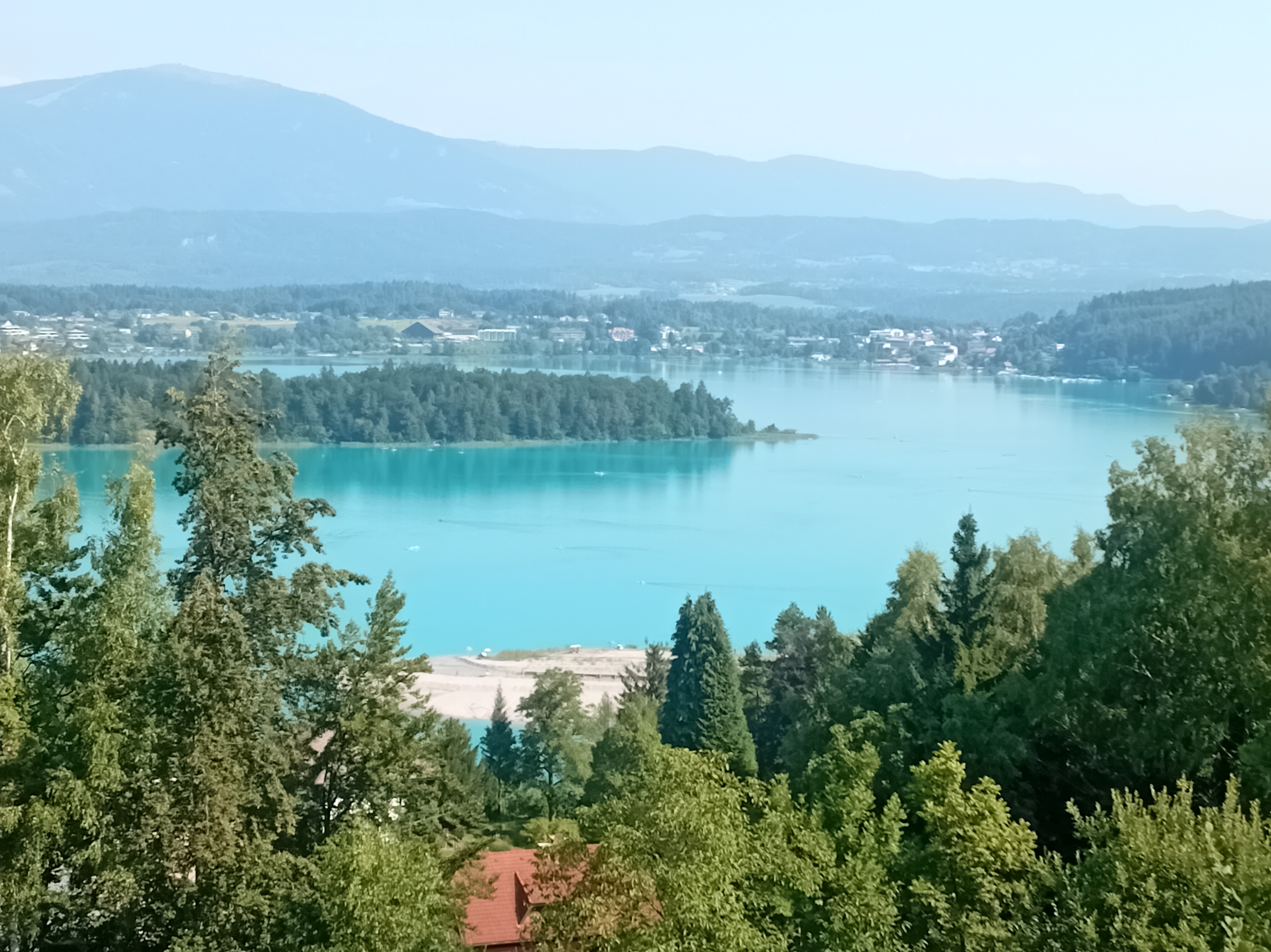
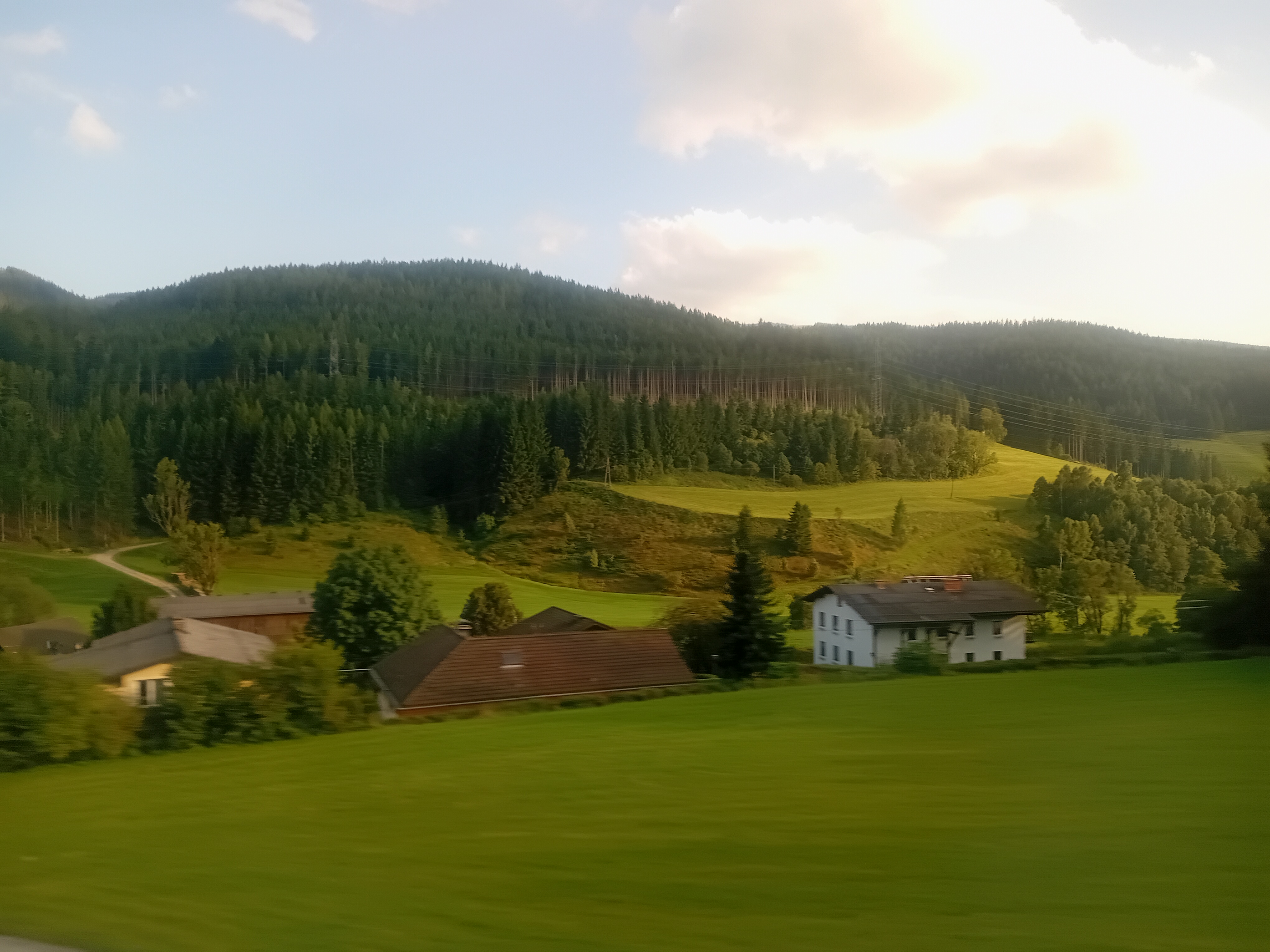
After a four-hour train ride from Vienna, we arrived in Villach, the second largest town in the southernmost Austrian region of Carinthia. Our friends have a rural property outside the town and we stayed in a self-contained chalet behind their house, complete with sleeping loft and skylight. It was fantastic! The scenery is spectacular – dense green forests, fields of tall grasses and meadow flowers, deep-blue lakes and vertiginous mountains. One morning we drove up into the foothills and then walked to a look-out point from which we could view the alps that separate Austria and Italy.

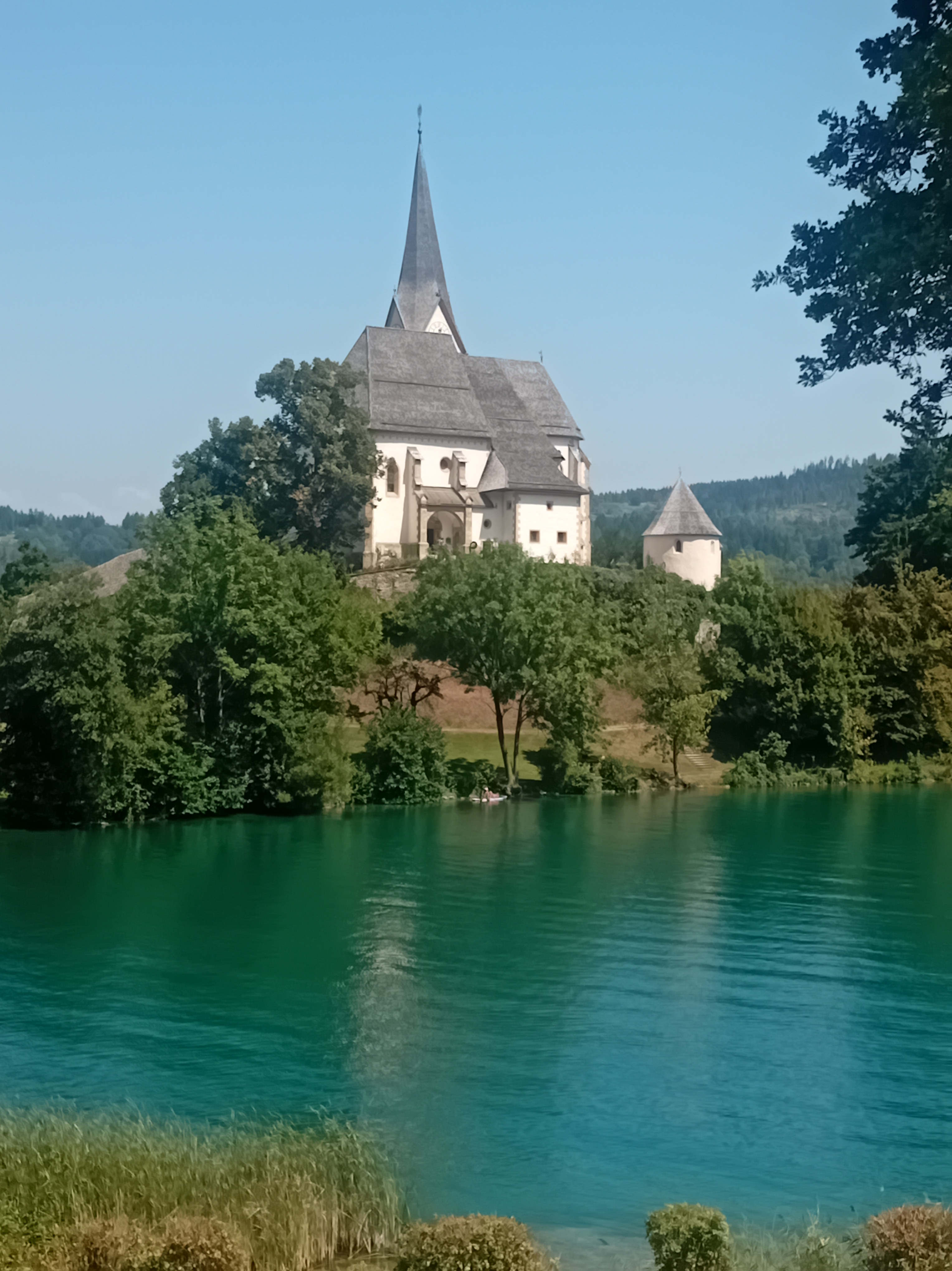
The area has been inhabited since the Bronze Age and burial mounds and lake dwellings have been excavated in the region. There are also Roman remains and churches going back to medieval times. It is well-known as a Marian pilgrimage route and there are a number of churches dedicated to Mary that pilgrims visit along the 266 km trail.

The largest lake in the area is the Worthersee. Its startling colour is due to the limestone in the surrounding hills. There is an ingeneously constructed viewpoint called the Pyramidenkogel built high up on a hill and we took the elevator up to the 10th floor to view the lake below. There were myriad boats, sailors and swimmers out on the lake on a brilliant summer’s day. Hard to believe that in the winter, there is enough ice to turn it into a skating rink, though with climate change, the skating season is becoming shorter.

Across the Tamar …

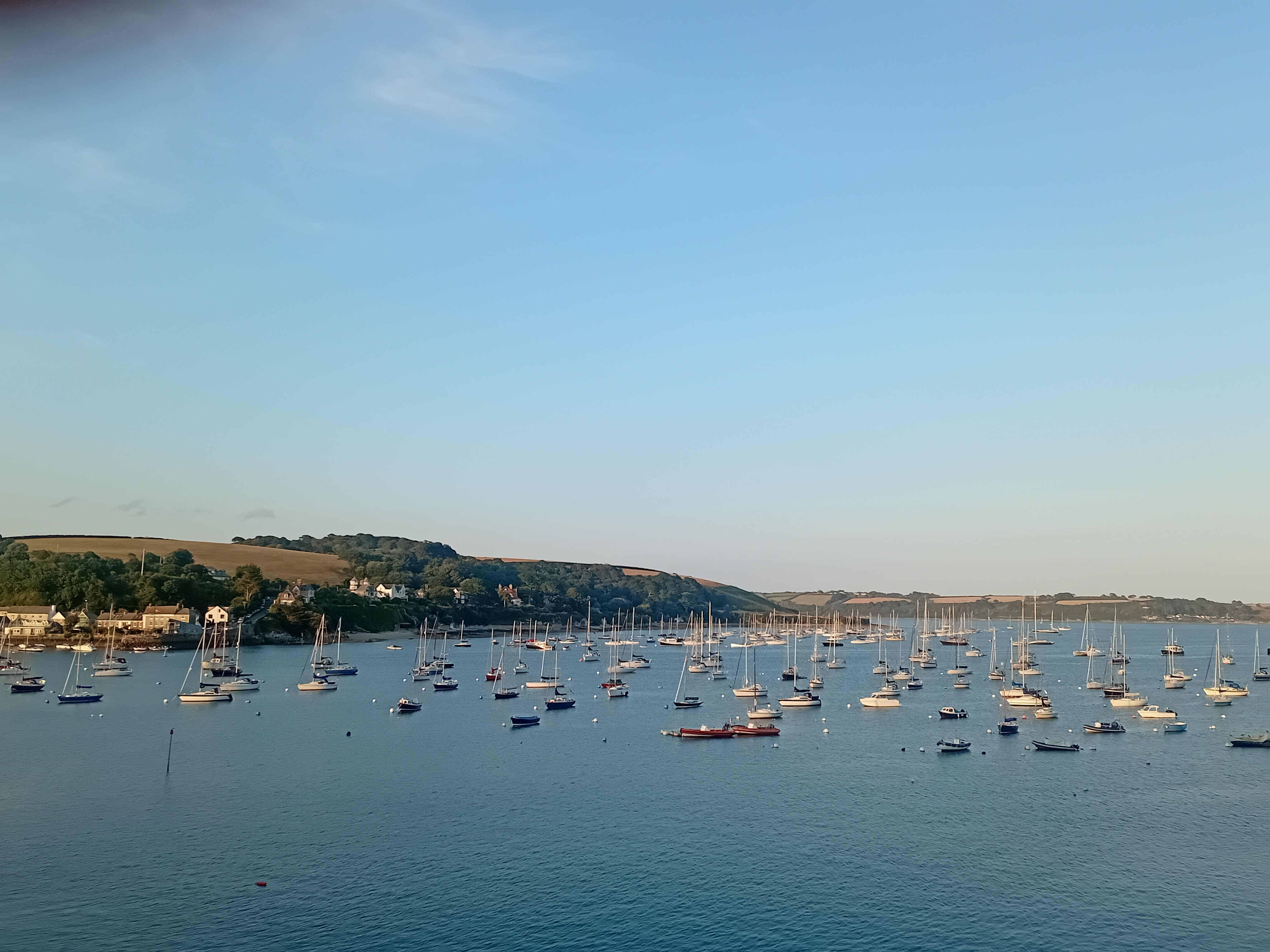
… lies the beauty of Cornwall. Once again because I have read so much about it, I felt like I knew it, despite never having been there. Our accommodation was beside the harbour in Falmouth where hundreds of boats are moored and you can watch the ferries coming and going. One drizzly morning we took a ferry up the Falmouth and Truro rivers as far as the tiny hamlet of Malpas. It was magical in that light – the dense foliage that grows down to water level was reflected in the green of the river. There were glimpses of stone cottages, some of which housed smugglers back in the 18th century, and grand houses, the grandest belonging to Lord Falmouth, who still owns all the land you can see on both sides of the river. In one bay there is a pub that dates back to the 13th century and we had delicious fish pie there one evening.

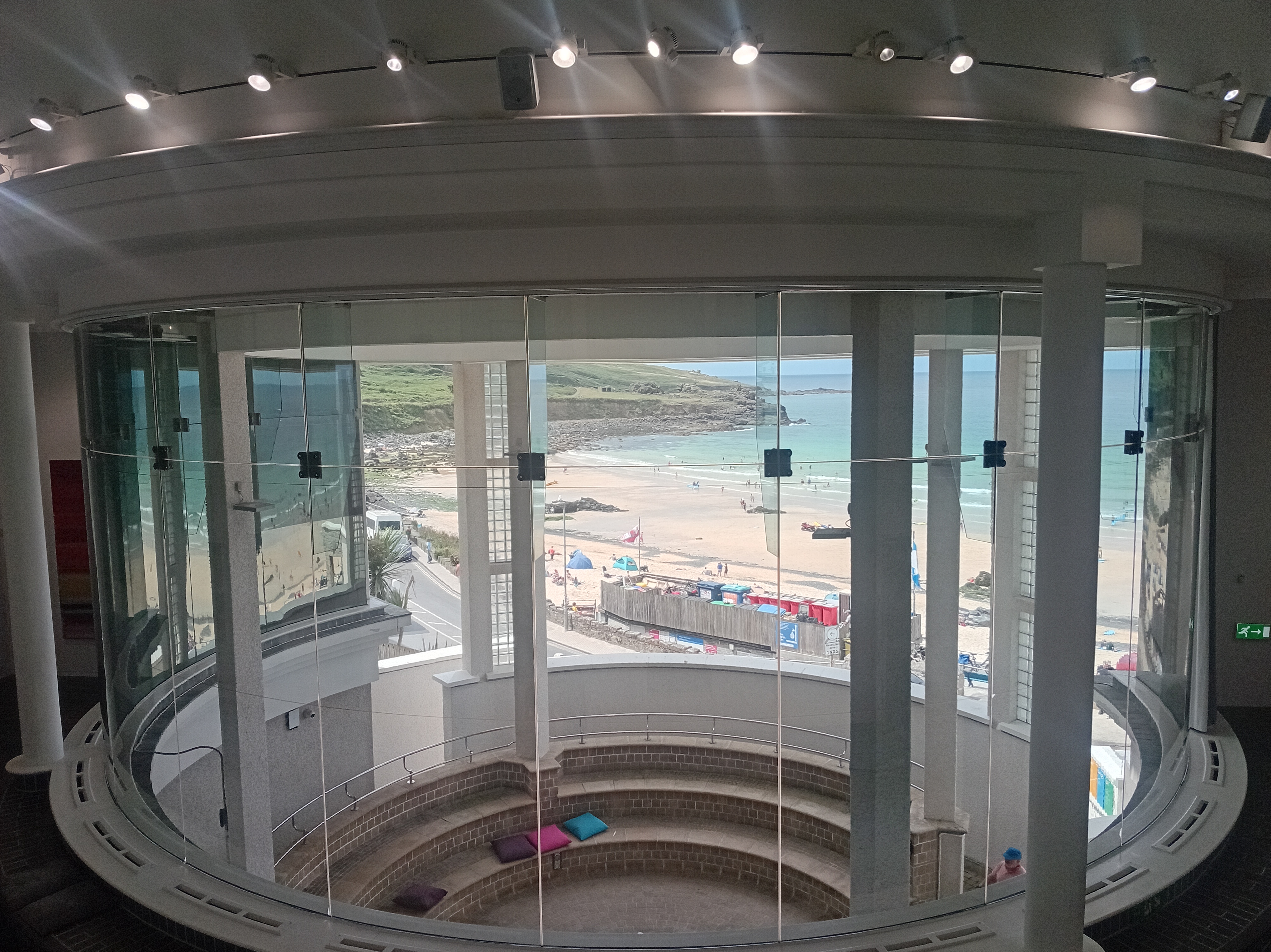
We visited St Ives on a glorious day when the sun glinted off the turquoise sea and holidaymakers thronged the beaches, cafes and ice cream shops. We enjoyed exploring the narrow, winding lanes of Down-along and went into some of the numerous art galleries that are dotted around the town. The jewel in St Ives’s crown is the Tate – a spectacular building housing interesting art.

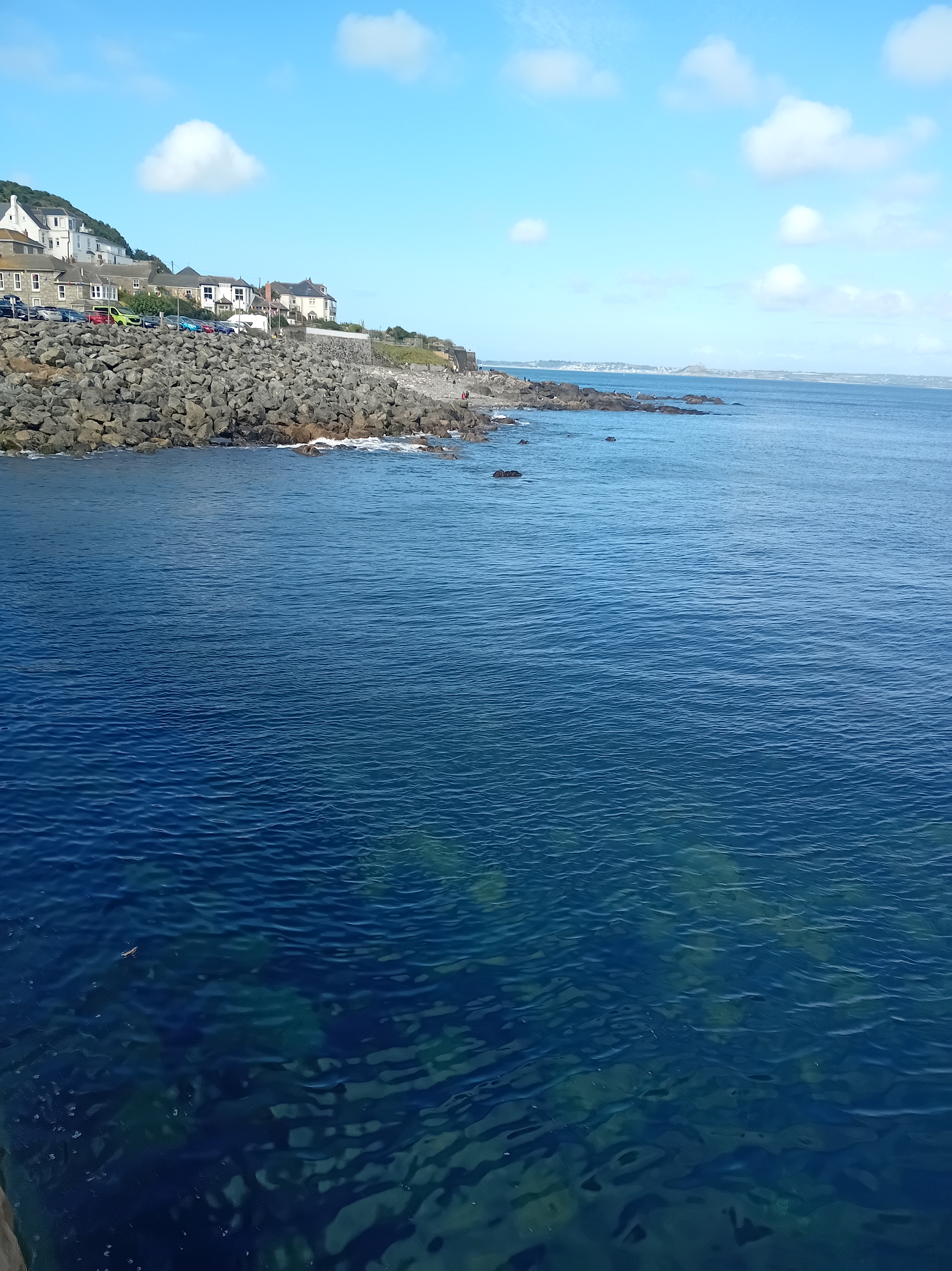
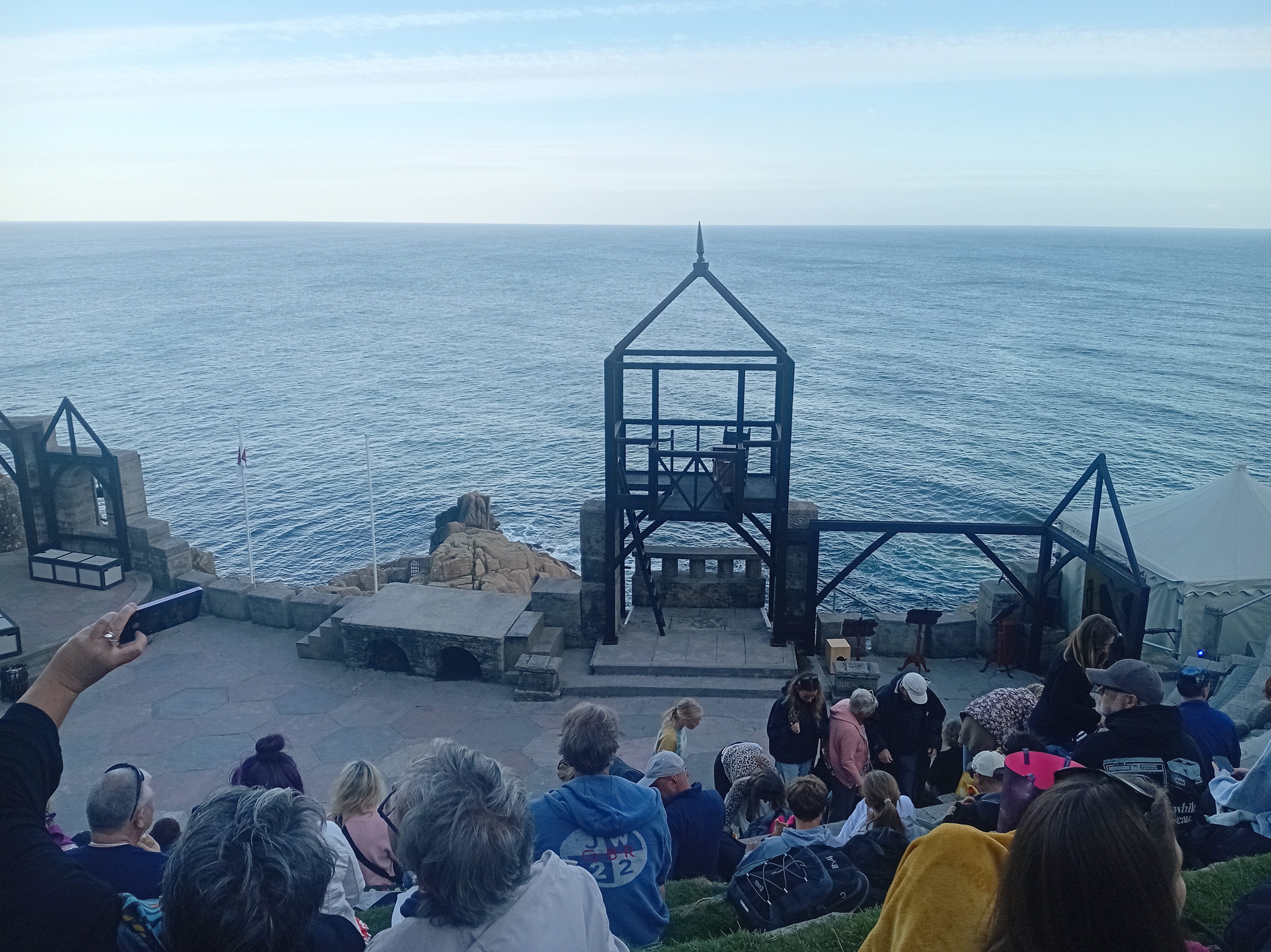
We also drove to Penzance and onto the charming town of Mousehole, with its quaint walled harbour and meandering lanes. Further along the coast is the Minack Theatre perched on the cliffs overlooking Porthcurnow beach. We enjoyed a performance there as the sun sank behind us, not sure whether we were more captivated by the actors on stage or the vista beyond it – darkening sea, rising moon and even a white-sailed boat moving gracefully through the scene.

Most of the tourists we encountered were from other parts of the country, with a smattering of Dutch and German visitors. Every English family it seems travels with their dog/s. There are dogs in hotels, in restaurants, on beaches, everywhere. On one train trip an imperious young woman with a large dog commanded us to move from our seats in order to give her dog more room – we did not comply!

We came from away

Nova Scotia is green with an abundance of trees growing right down to the water, and there are myriad waterviews in the charming city of Halifax. We stayed in a friend’s house nestled among tall trees on the edge of the Northwest Arm of the harbour, where we enjoyed Canadian hospitality and ate a lot of seafood – halibut, salmon, mussels and lobster. Halifax is overwhelmingly Scottish (not surprising in New Scotland!) and its colonial origins are on display at the Citadel historic site, dating back to 1749 when it became part of the defence complex built to defend the Halifax harbour from enemies of the British Empire. We heard the stirring sounds of bagpipes on our visit there and we climbed the ramparts to view the city and harbour below. We learnt a little about the Indigenous Mi’kmaw people who inhabited the Halifax region for 10,000 years before any colonial arrivals. Wandering along the harbourfront in brilliant sunshine, eating Cow’s Creamery ice cream (Canada’s best) was a very pleasant way to spend the afternoon.

Nova Scotia and the other provinces along the Atlantic coast are known collectively as the Maritimes. Fishing and boating are long-established here and there are many picturesque lighthouses in the bays and coves that are a feature of the coastline. Perhaps the most famous is the lighthouse at Peggy’s Cove, which has a sweet, though possibly apocryphal, story associated with it.

Anne of the Island

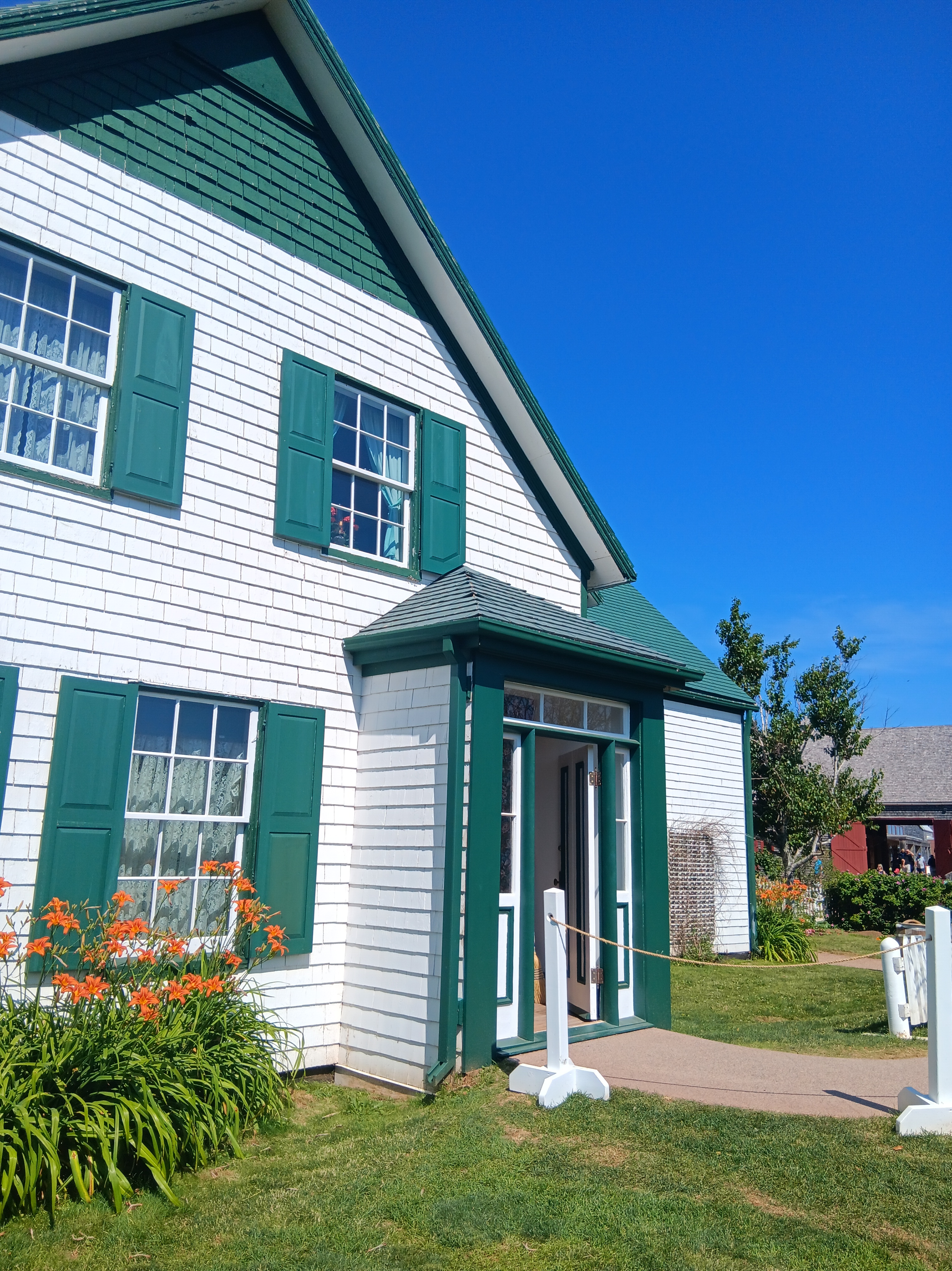
We spent a couple of days on Prince Edward Island, which I have wanted to see since I first realised that Anne Shirley, or rather her creator, L M Montgomery, came from there. There is a Green Gables heritage centre featuring a house and barn that approximates the fictional home that Anne shared with Matthew and Marilla Cuthbert. But it was the surrounding countryside and lanes through the woods that really evoked the spirit of the books for me – Lover’s Lane and the Haunted Wood! The whole island is dreamy, basking in the hot summer sun, its famous red cliffs glowing. It would be wonderful to see it in all the seasons that Montgomery describes in the Anne books. As I wandered, episodes from the stories kept occuring to me – a clear case of association by place!

Apple of my eye

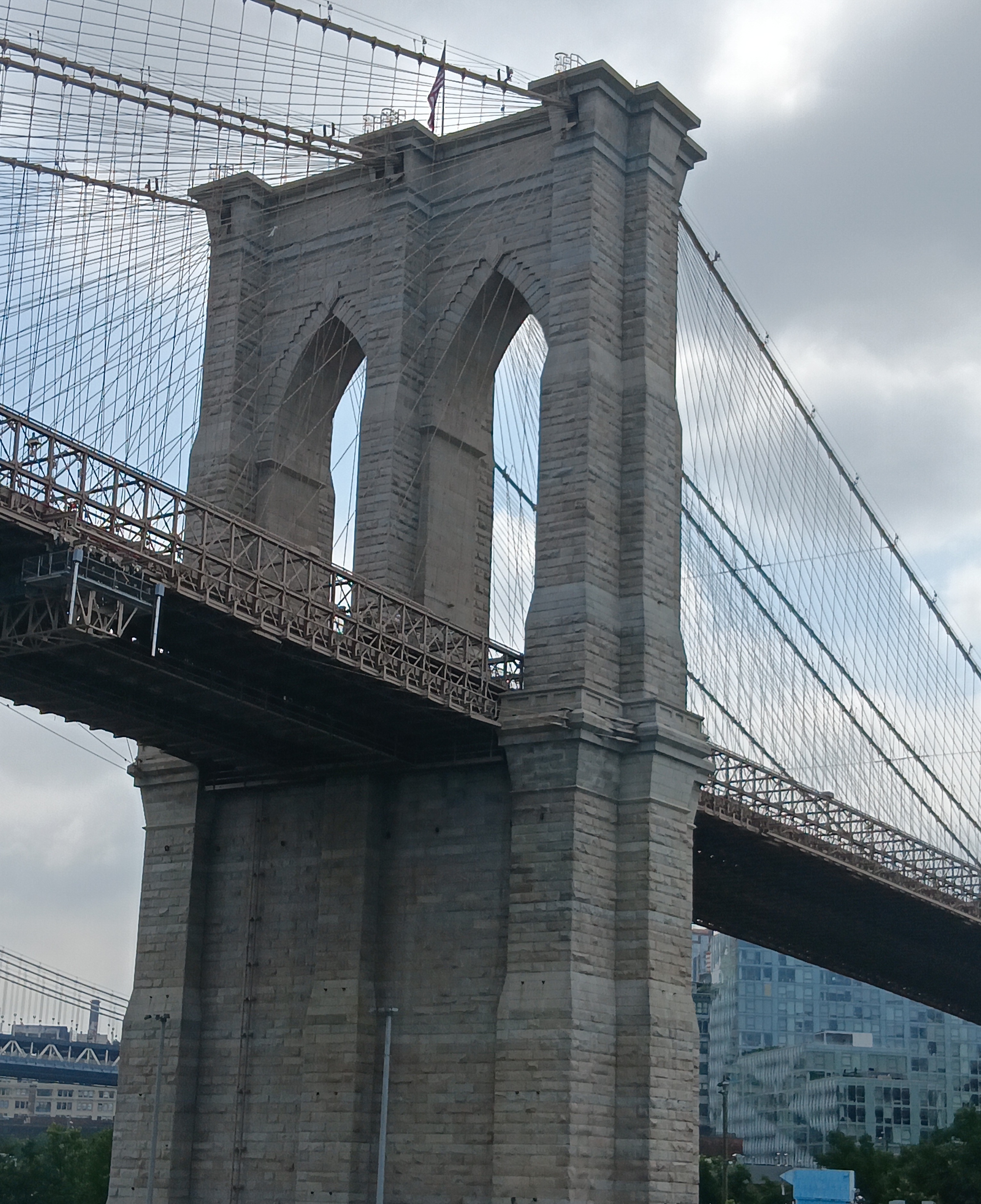
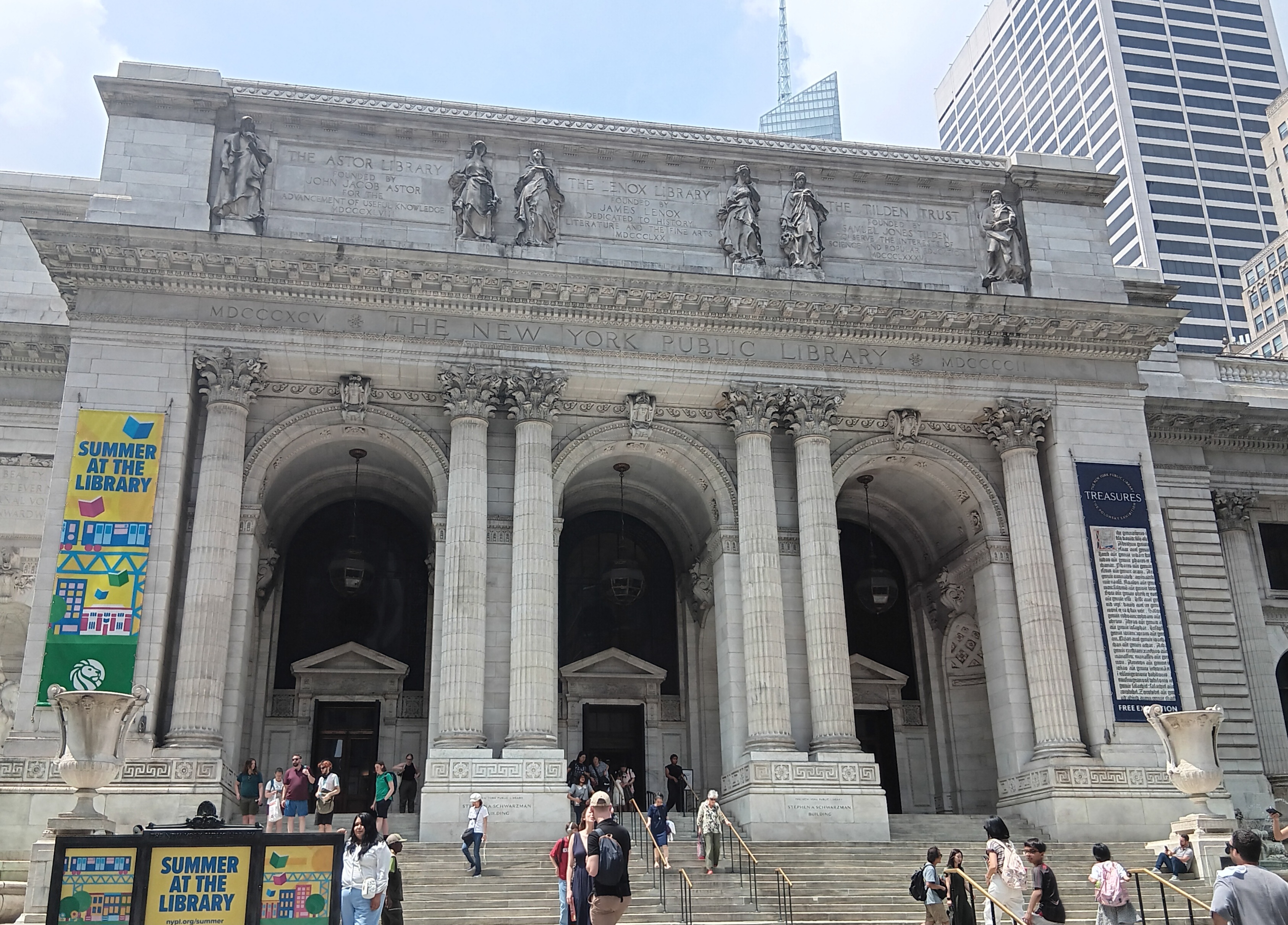
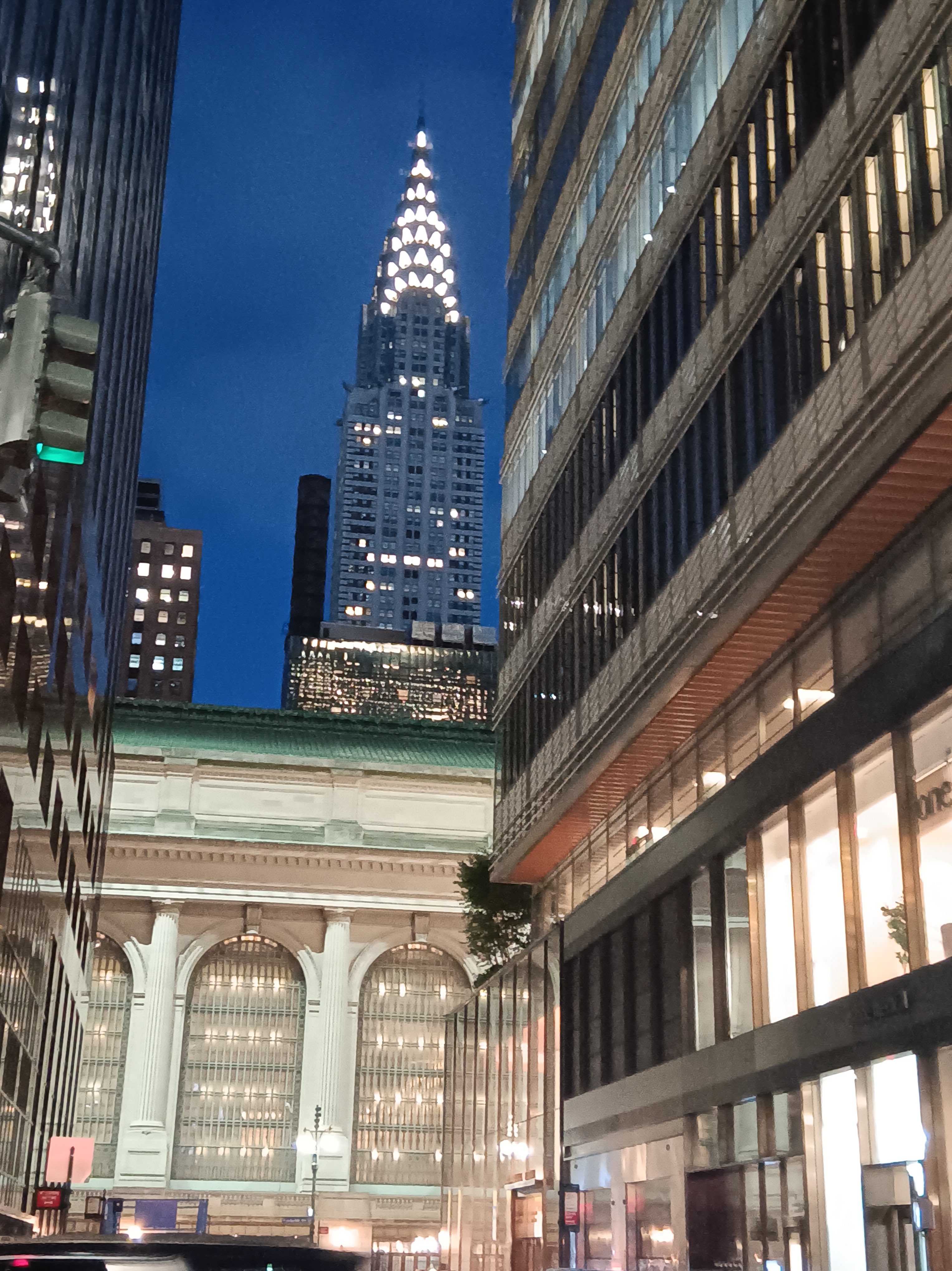
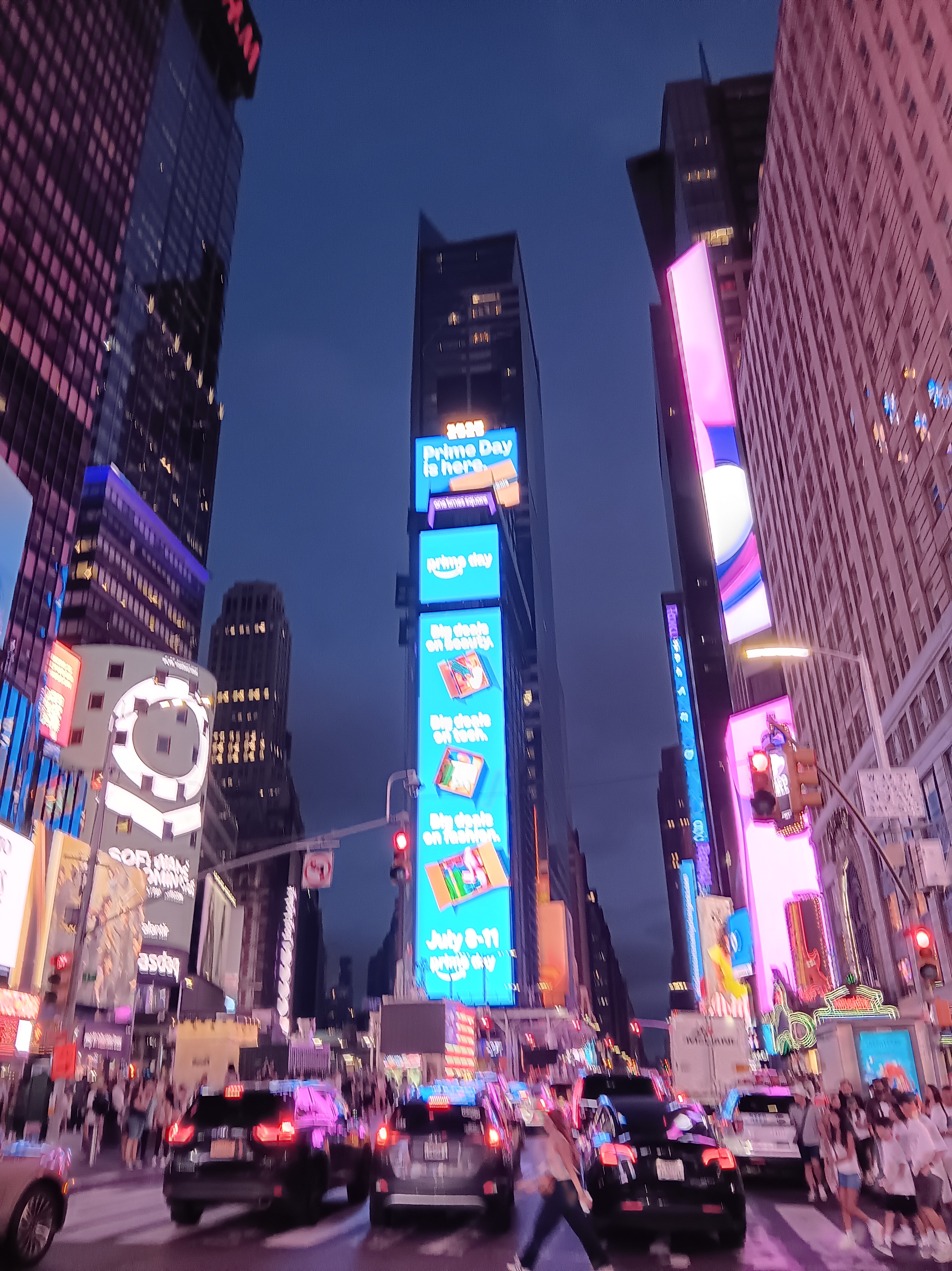
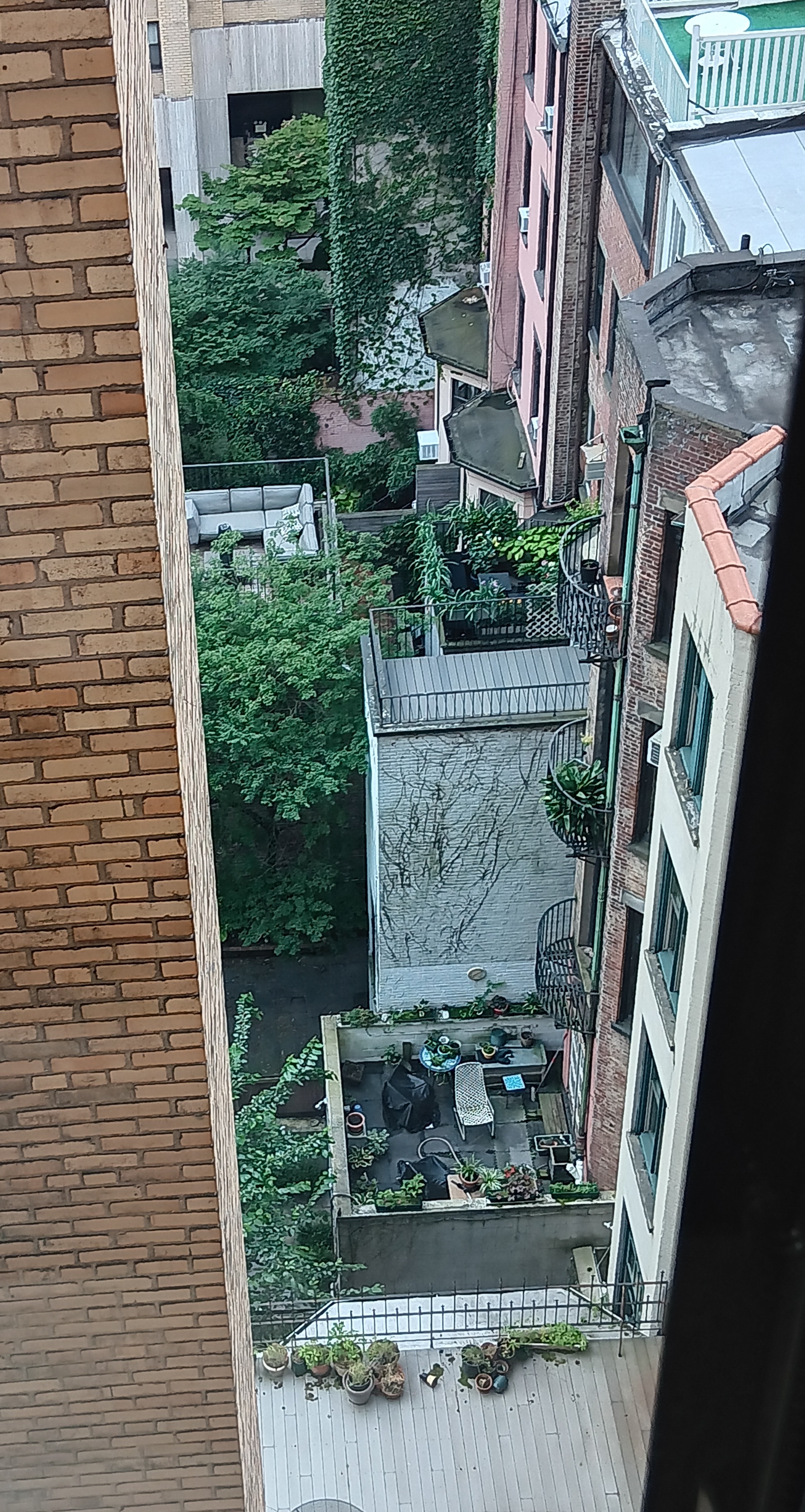
What is there to say about New York City that hasn’t already been said? Probably nothing. So I’ll just say that I’ve always wanted to visit. Now I have and I was not disappointed.
The landmarks

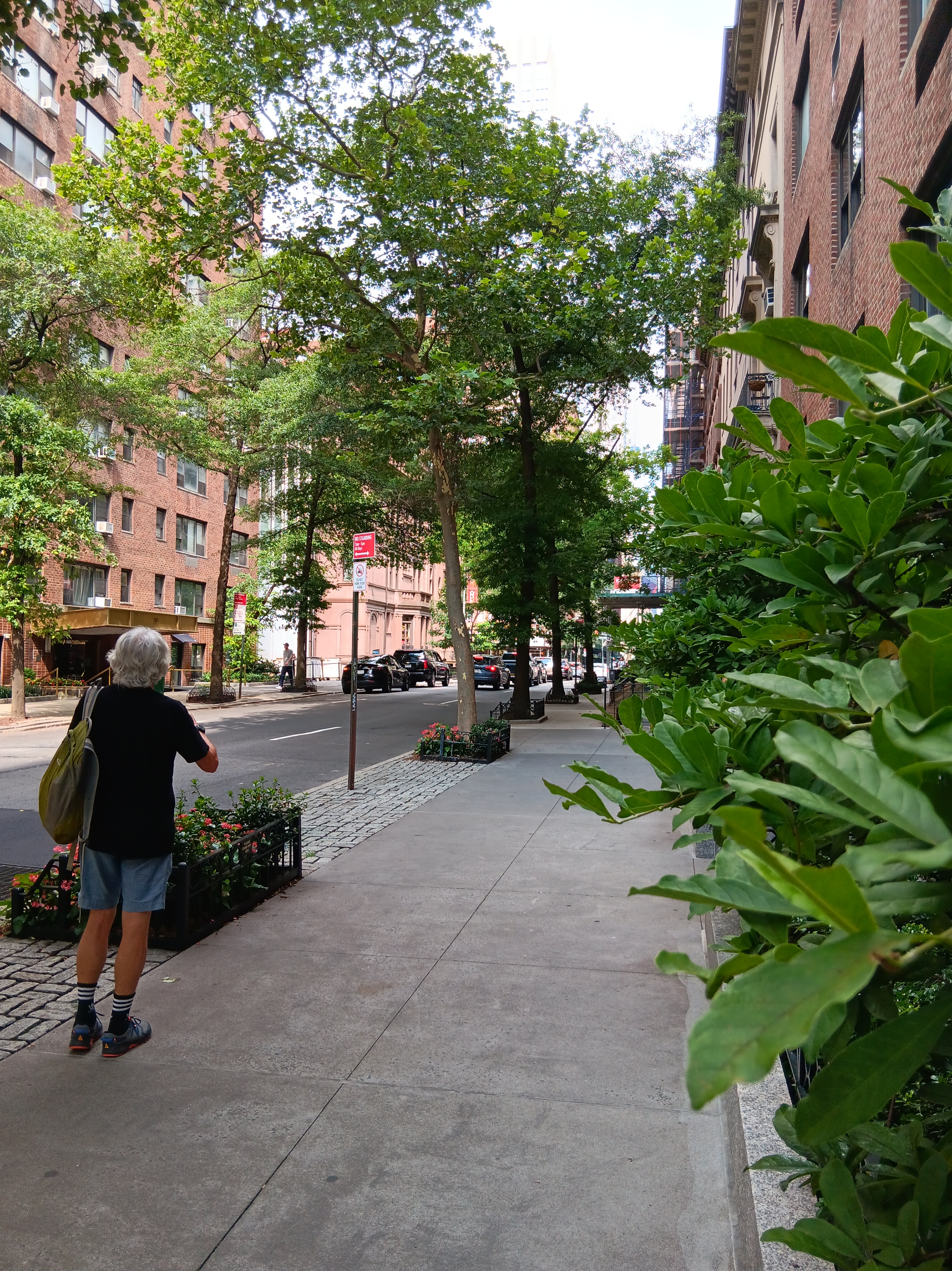
The green spaces – Central Park, Bryant Park, the High Line, the trees and planters that line the streets

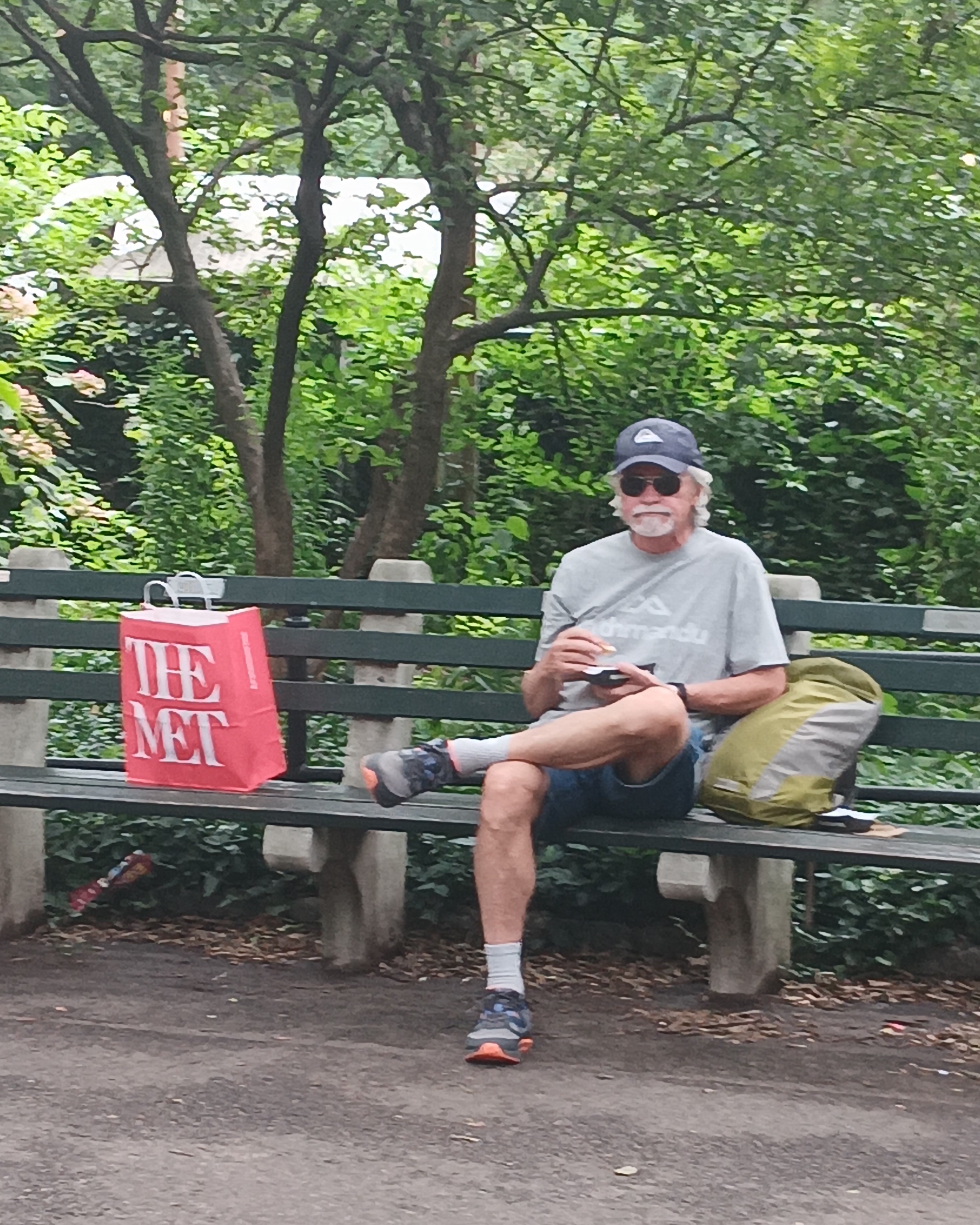
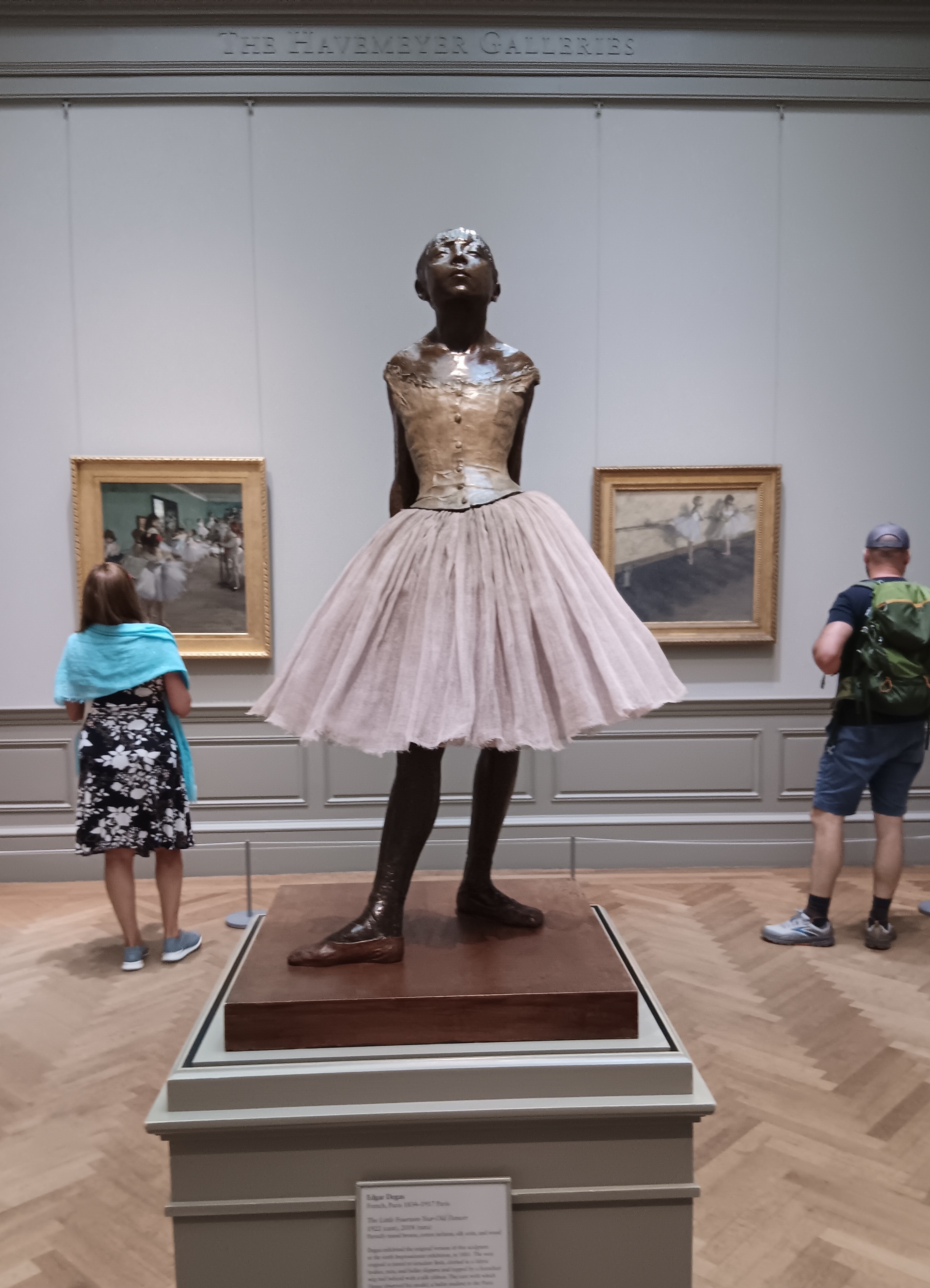
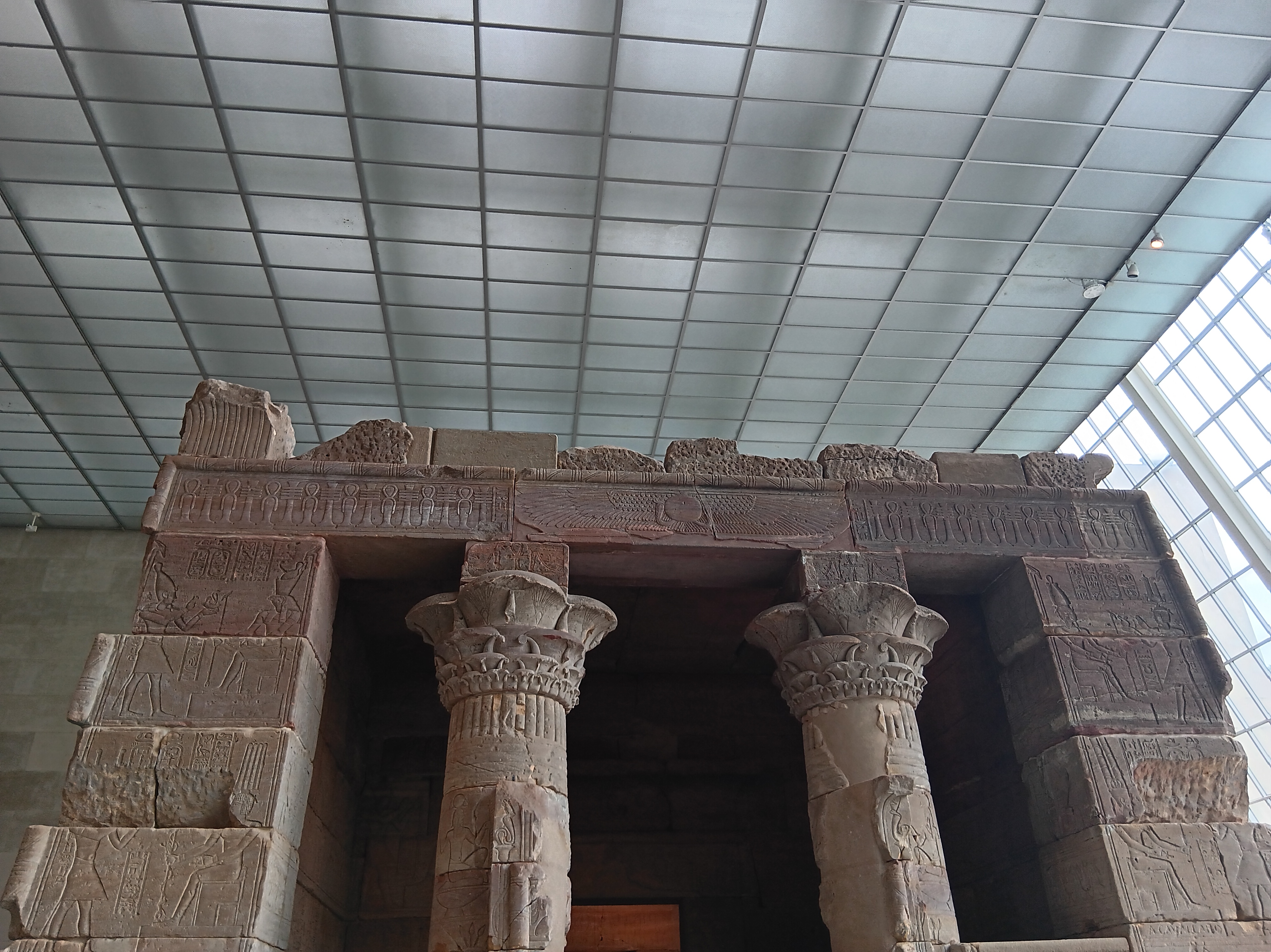
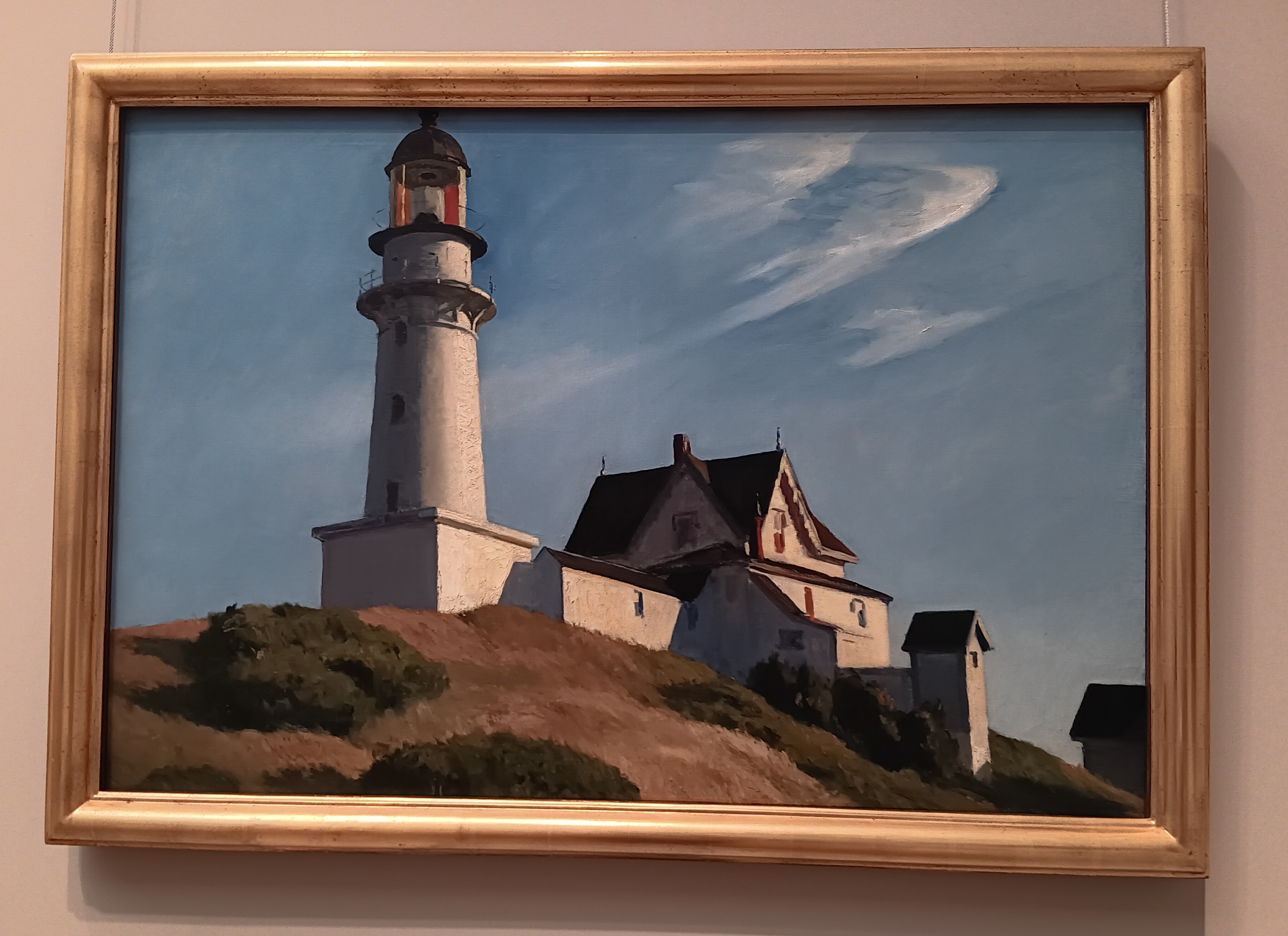
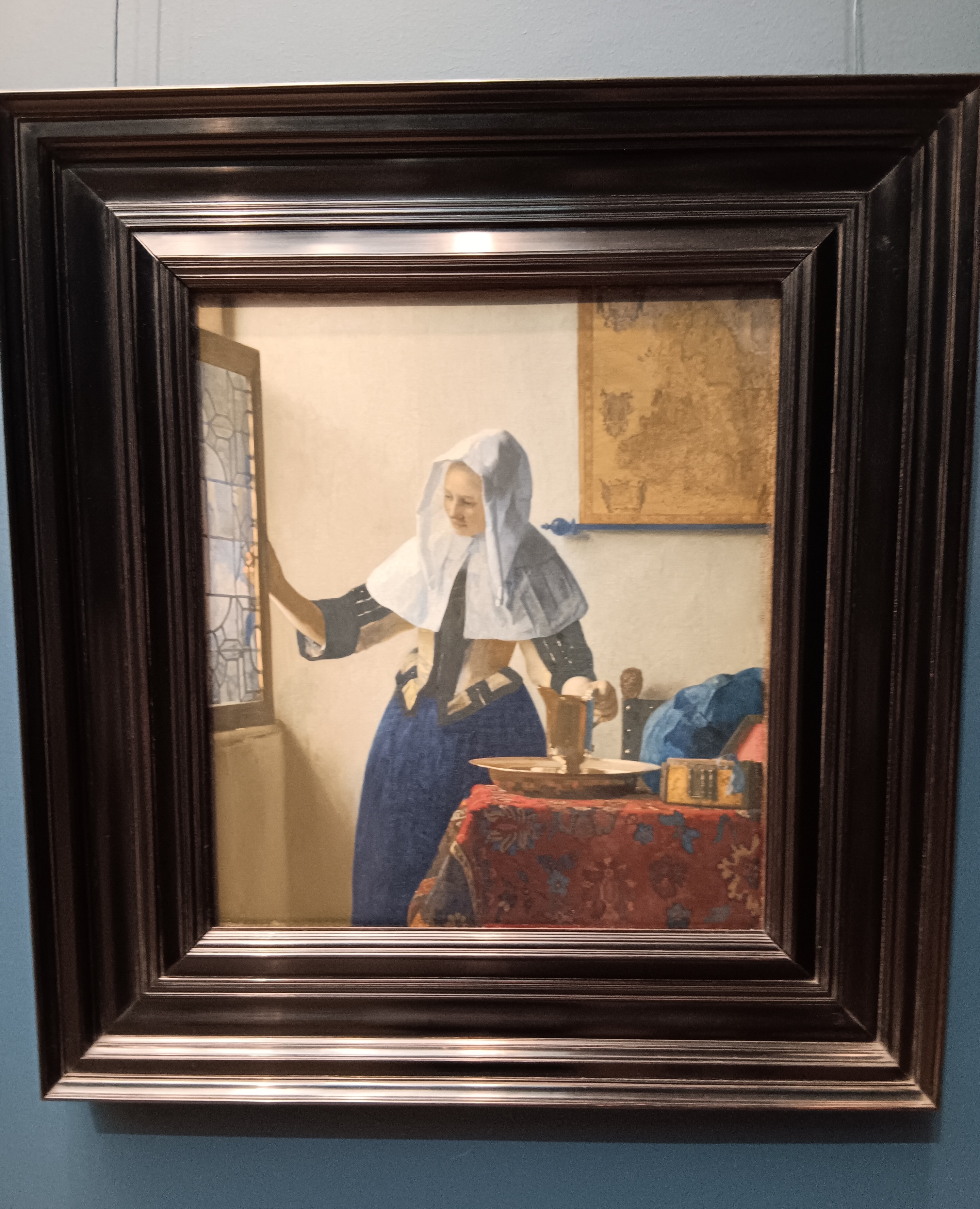
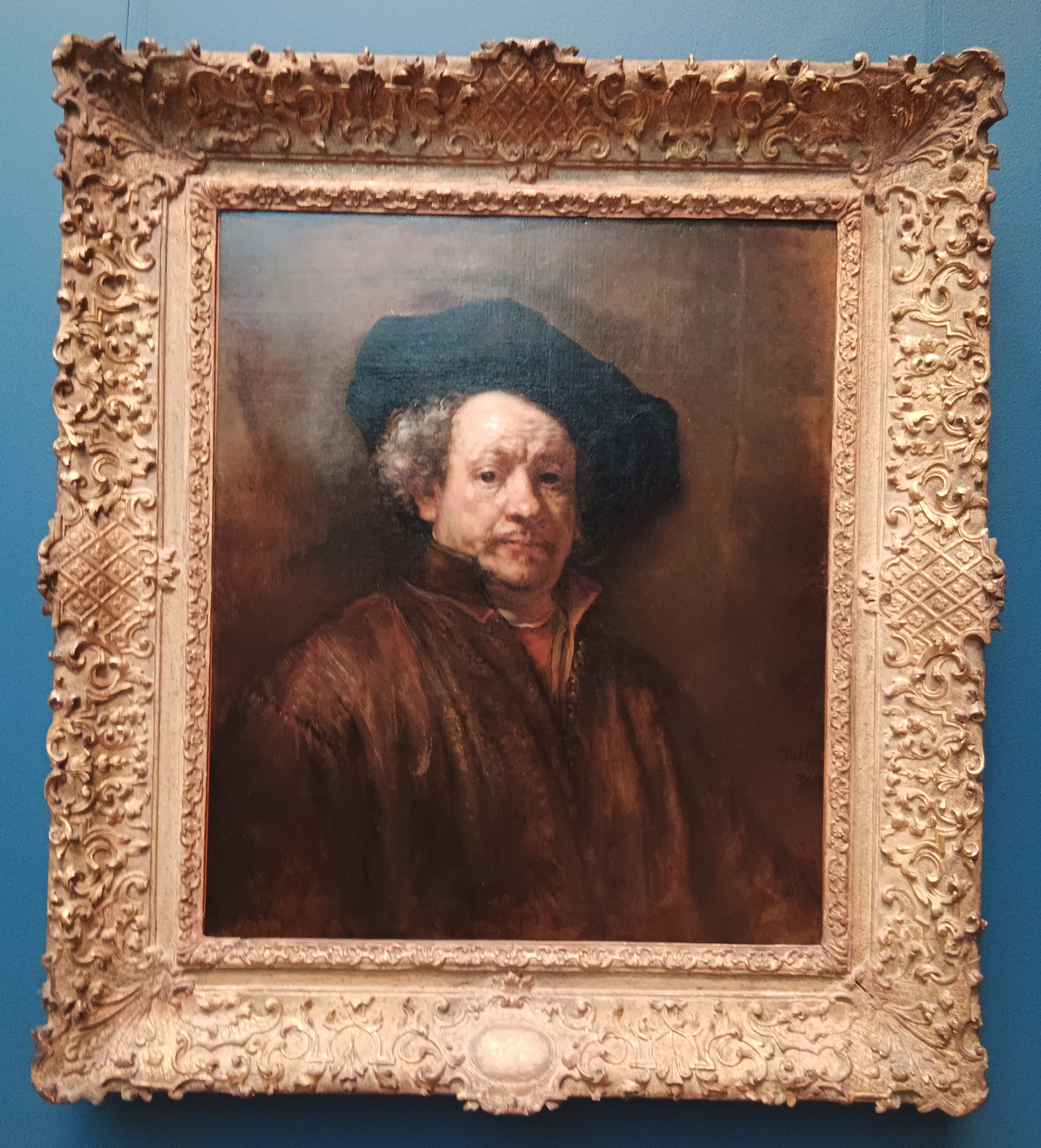
The Met – in all its wondrous abundance and beauty

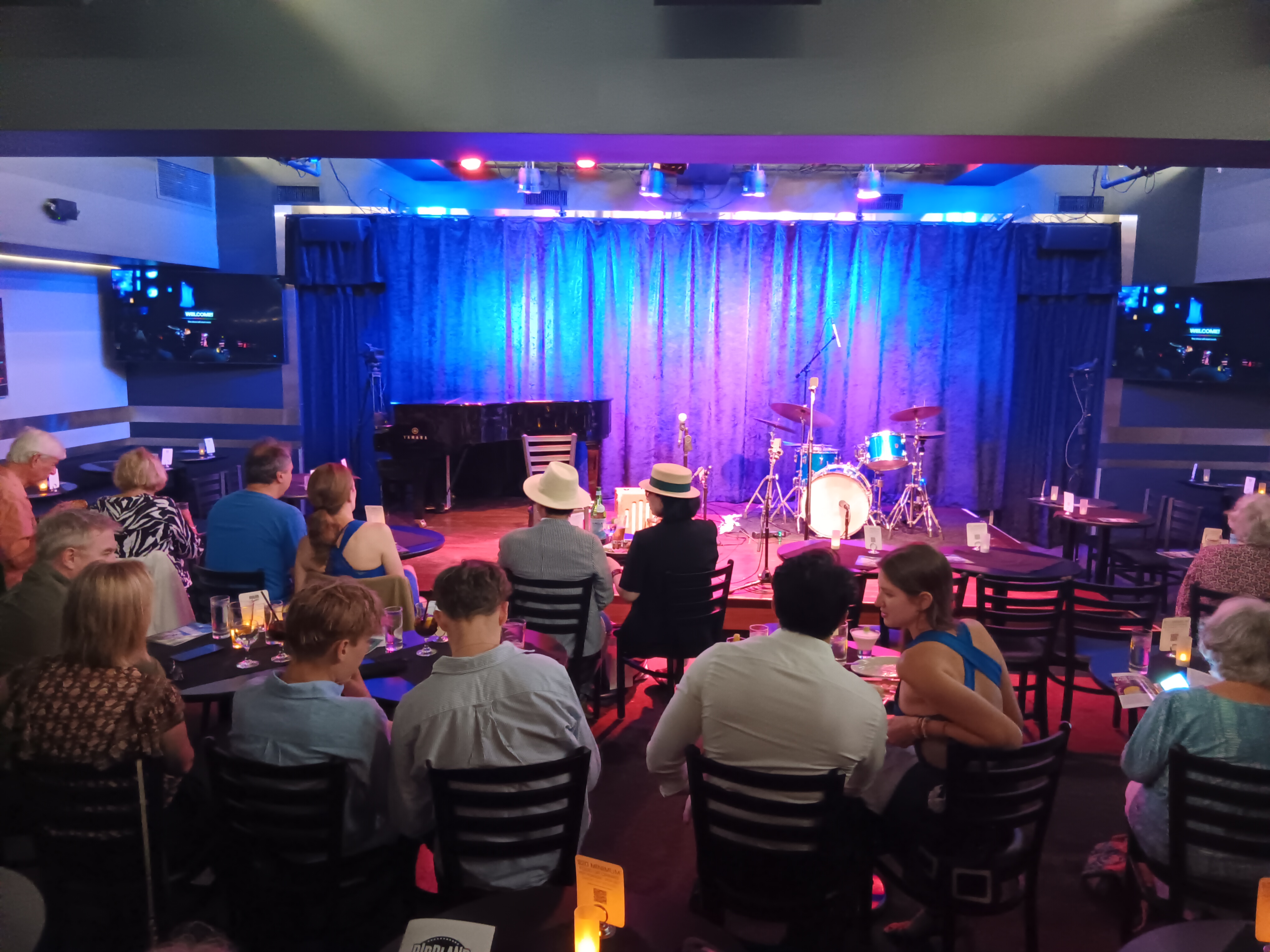
The arts – Broadway, Birdland, NY Public Library, Strand Books

There is also the atmosphere of the city as one walks the streets and avenues, which make Manhattan so easy to navigate. The teeming crowds on the sidewalks who follow no discernable rules, try as you might to keep to the right. The snippets of conversation one hears while walking – New York accents and people speaking in languages from all around the world. The myriad street vendors and panhandlers, who will sell you a hotdog, an NYC cap or a bus tour. The outfits, which run the whole gamut from tourists in ‘I heart NYC’ T-shirts to the sartorially exquisite in designer dresses and high heels or suits, ties and hats. It is endlessly fascinating, though one is relieved to get back into one’s air-conditioned hotel room at the end of the afternoon, before going out again in the balmy evening to go to a show, walk along the East River or watch an Amazon zero-hours contractor make a night-time delivery from an e-cycle vehicle. Another striking feature of this magical city is its clear air and clean streets. I loved it!

An elevated state

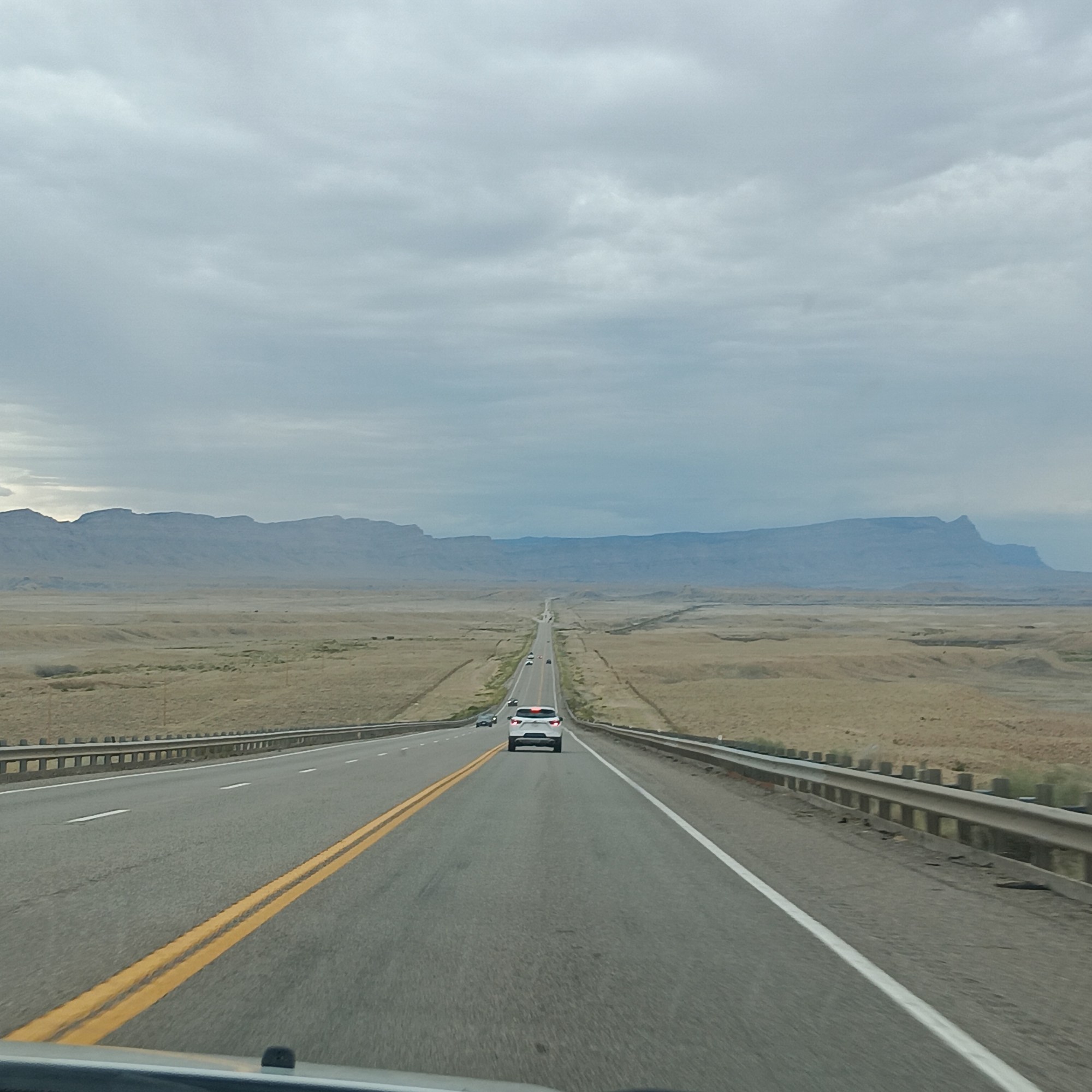
The state of Utah, named for the Native American Ute people, is spectacular. One quickly runs out of superlatives to describe its vast landscapes and geological features. From Salt Lake City, ringed by the Wasatch Mountains, to the extensive national parks reached after hours and hours of driving through desolate countryside, it seems beyond description.

The temple square of the Church of the Latter Day Saints dominates the city centre. The main temple is being extensively renovated and will only open again in 2026. But the tabernacle and the nearby conference centre, with their extensive gardens, are enough to keep one open-mouthed. Wherever one goes in the huge complex, young women appear to show you around, always in pairs, conservatively dressed and very polite. Many of them seemed to know about Hamilton, no doubt because of the Mormon connection. While impressive in scale and certainly pleasant to visit (the immaculate restrooms were very welcome!), one can’t help wondering whether some of the money devoted to these edifices could be funnelled towards the many homeless one sees in the streets of the city.
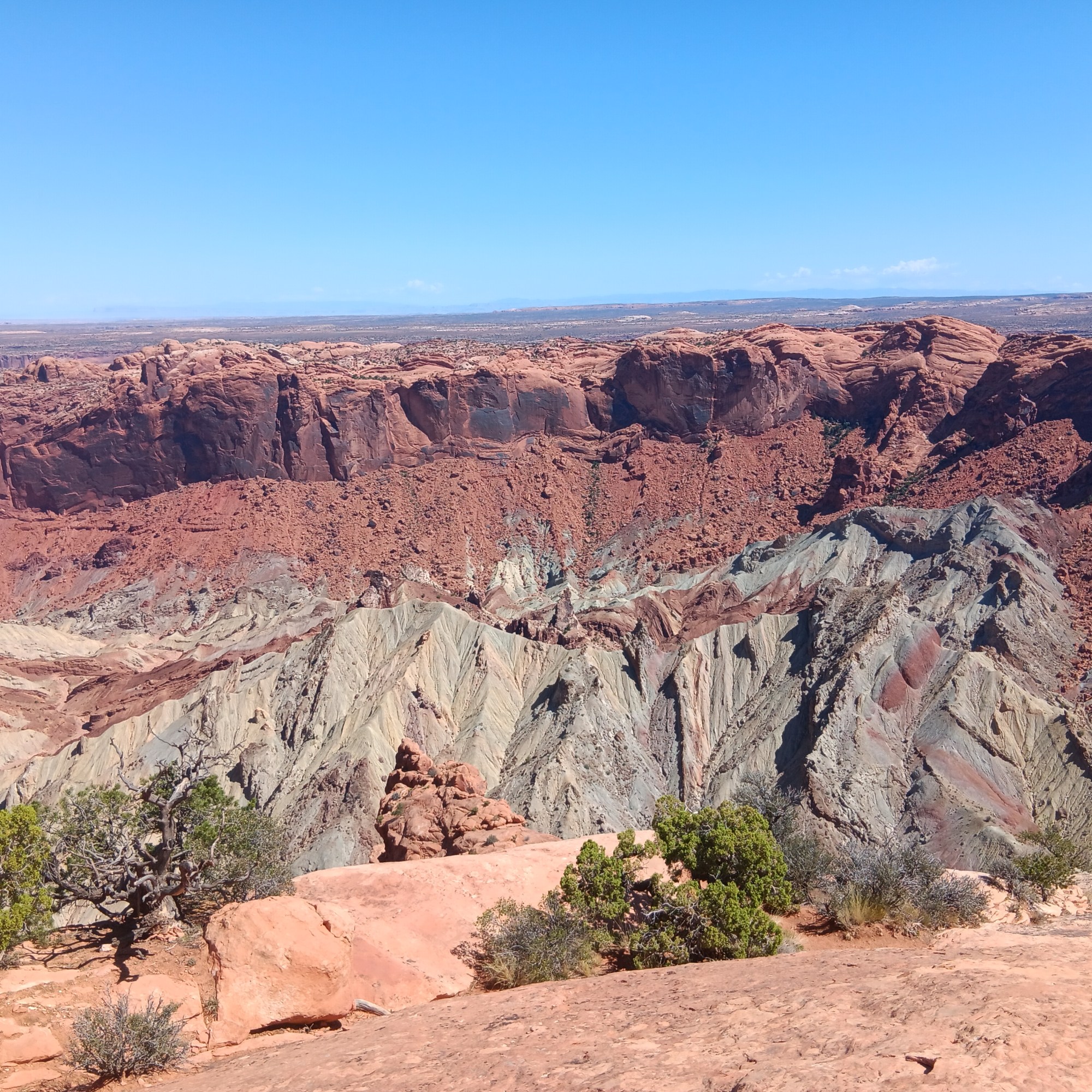
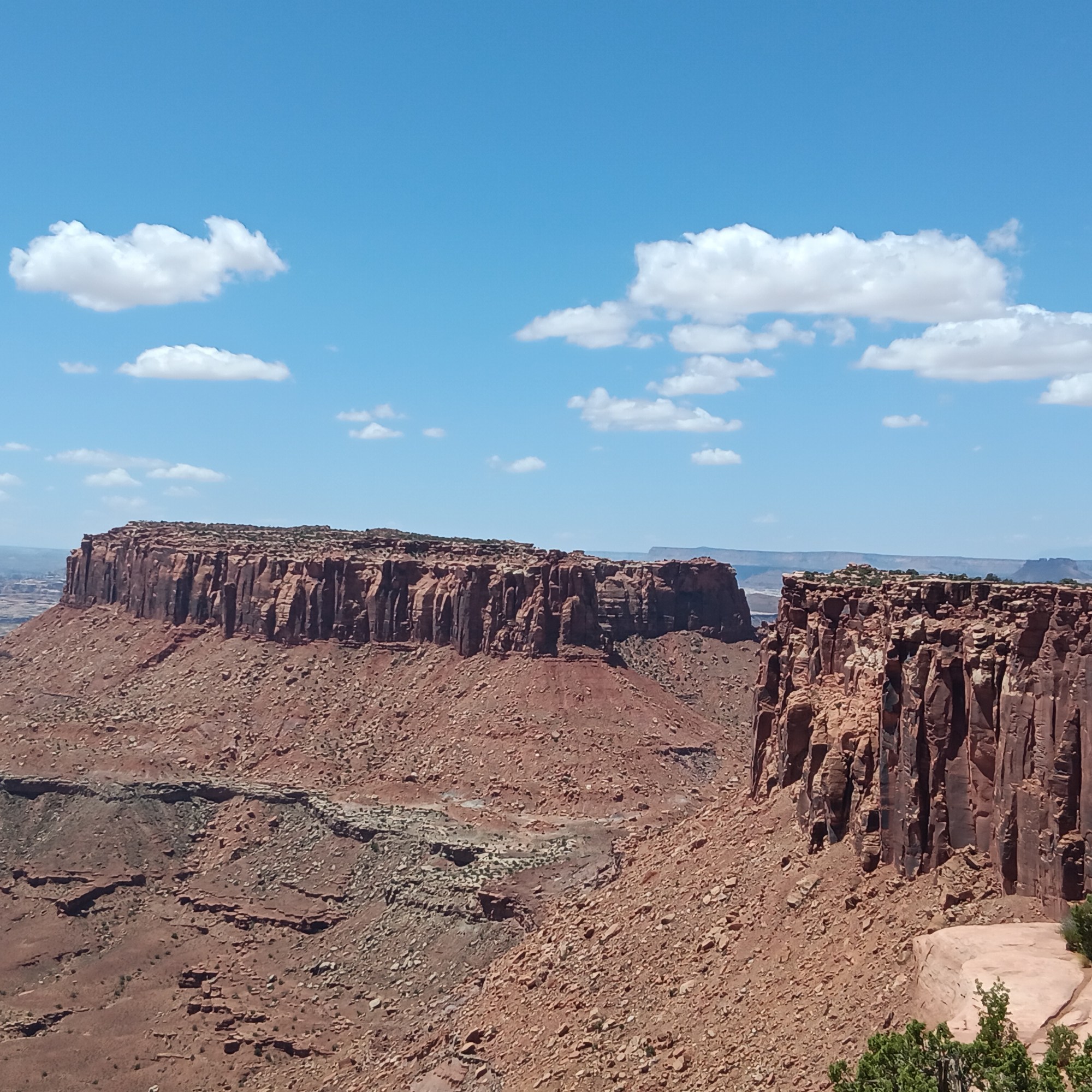
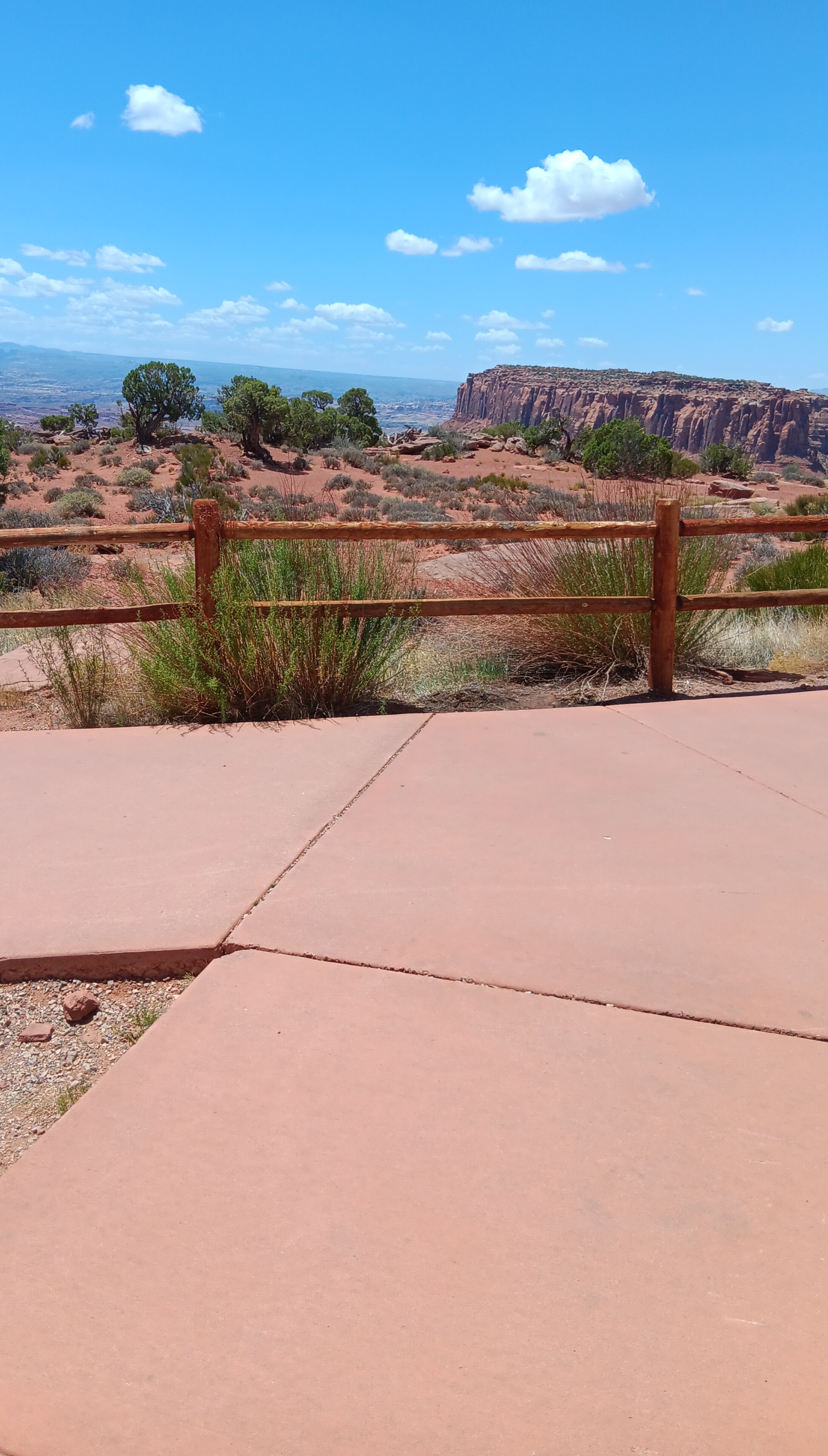
Canyonlands National Park is a vast area covering over 1,360 square kms so one has to choose which part to see in a morning. The roads are wonderful and all the features are signposted. Travelling with a geologist is great – he explained how various formations developed as we drove past them. To see some, you have to walk along trails and, despite the heat (35 degrees), it is worthwhile. Again superlatives fail when you try to describe towering rock formations and almost unbelievably vast vistas.
Arches National Park is, if anything, even more spectacular, as you drive past sheer cliffs rising from the desert floor. As its name suggests, it’s the rock arches that the park is famous for and they are indeed impressive. Late in the afternoon we walked along a trail to reach the wide so-called Landscape Arch. It was well worth the effort in the blistering heat and we returned to our very pleasant accommodation and jumped into the pool.

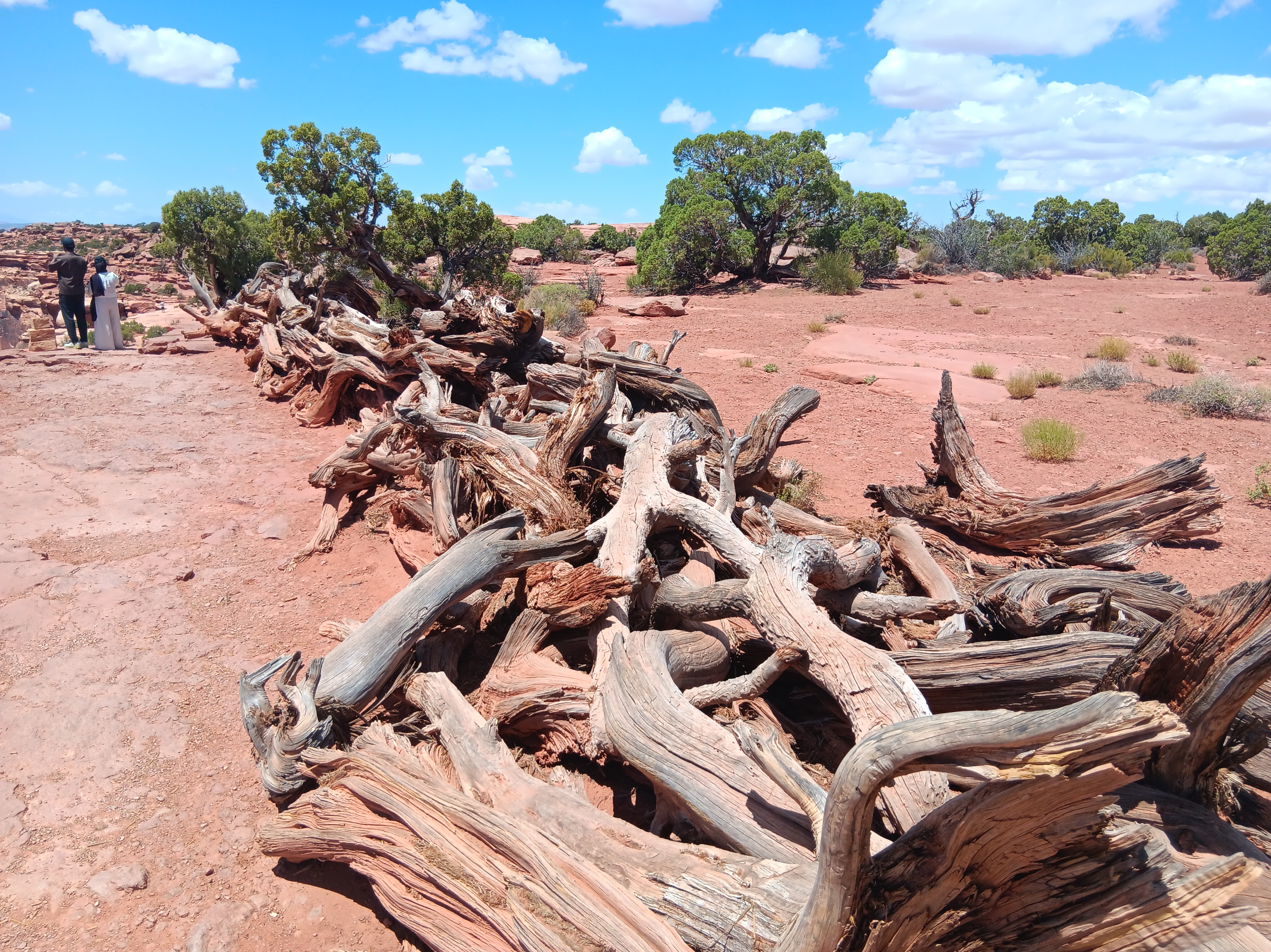
We were impressed by how well organised the national parks were. All the human additions are unobtrusive. The colour of the pathways matches the pallet of the landscape, trails are marked by fallen juniper tree branches, signposts are small and steps are indicated and made from blocks of rock. These national parks are a credit to the USA and it would be a great pity if they were to suffer any degradation from funding cuts.

The town of Moab is like an oasis in the desert. It has a wide Main Street with lovely cafes, restaurants, craft and jewellery stores, selling locally made products of high quality, far from the tat we’ve seen in other tourist towns. There is also an impressive book shop, called Back of Beyond Books, in which I spent a happy half-hour, though I didn’t buy anything, the weight of my luggage hindering me.

Hope …

… springs eternal, or so they say. It has been difficult to be hopeful during a Covid-19 Delta lockdown and then another vile terrorist attack in New Zealand on Friday. It is tempting to say, along with die-hard pessimists, that things are bad and getting worse. But on my walk today, I saw this – a pohutukawa tree about to burst into flower – and suddenly I felt hopeful. In New Zealand the red pohutukawa flower is synonymous with summer, sea and sand. So along with the perhaps misguided optimists, I look forward to freedom from lockdown, summer and the season of goodwill to all.

Cable Bay

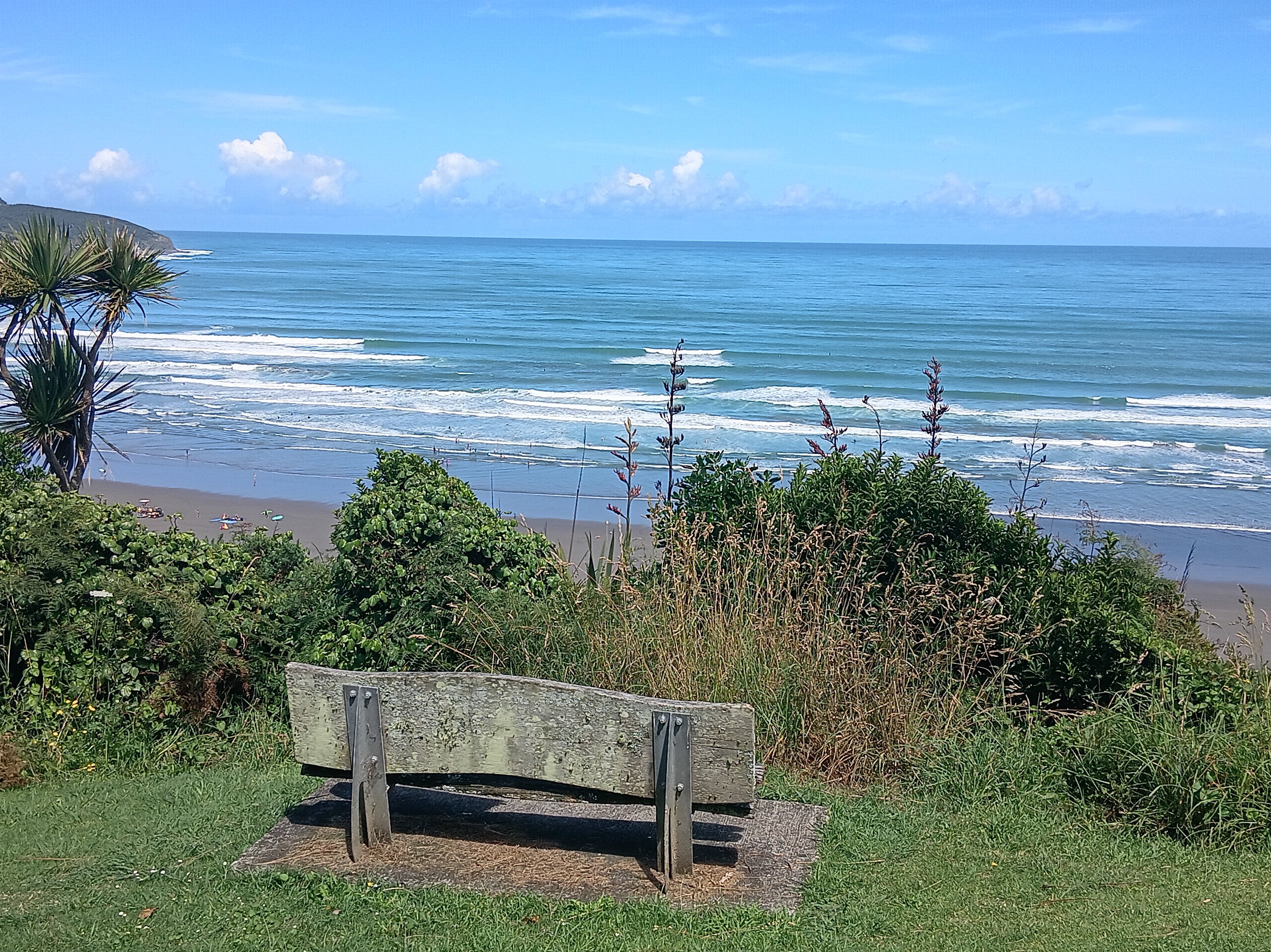
On a recent visit to the top of the South Island, we went to Cable Bay for the first time. Though it was the middle of a New Zealand winter, which is often grey and rainy, we were there on a gloriously clear day, as you can see in the photograph. As we edged our way along the narrow road to the bay, we came across a couple persuading a pair of cows into a paddock – apparently the cows were in disgrace because ‘they’d already munched their way through Grandma’s garden’. When we got to the bay and parked on the shingle, we noticed two more people bundled up against the cold wind, sitting on canvas chairs holding fishing rods. Then we put on our jackets, scarves and beanies and braved the elements ourselves, walking up the steep incline to read the information board. The bay was the site of New Zealand’s first overseas cable link – via Australia – and was opened in February 1876. It revolutionised the lives of settlers who could now get a message to their families in Europe in four days, instead of the six weeks it took a letter. The cable station operated till 1917, after which it was moved to the North Island, at Titahi Bay near Wellington. I’ve just checked the track details on the DOC website and noticed an alert – the track is closed for lambing. How much more Kiwi could it be? Cows, fishing, lambs and splendid isolation!

Too good to be true

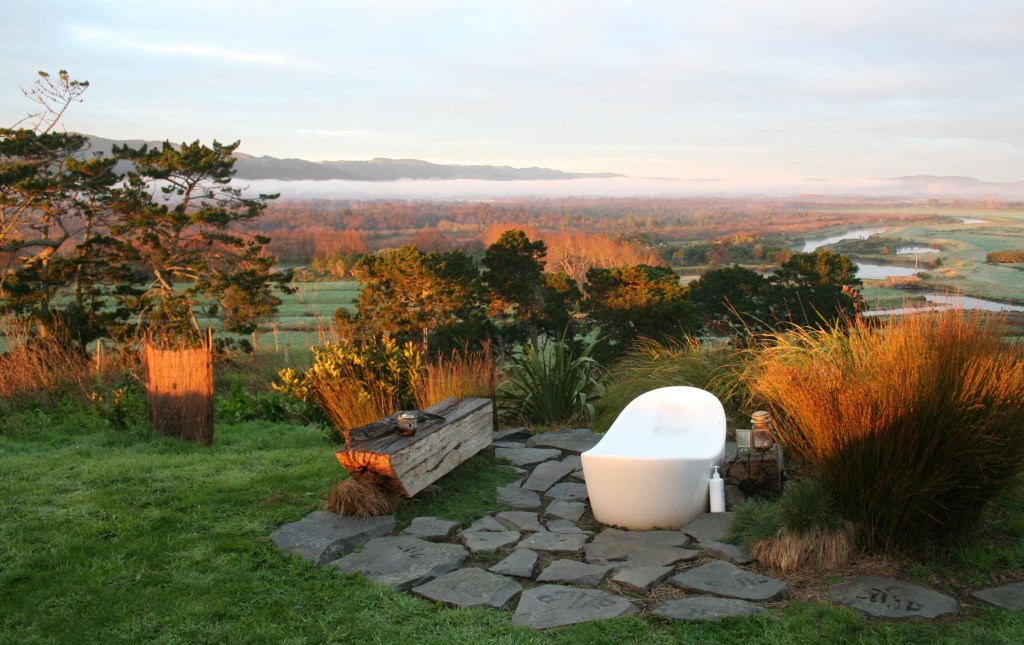
There is an old saying that if something seems to be too good to be true, it probably is. We recently spent a night in an off-the-grid eco-cottage where there was an outdoor bath. The cottage, which has both gas and solar panels but no electricity supply, has hot water and a hose to run it into the bath. However, we were there in July, which in New Zealand means it’s cold and wet. Getting up to cottage involved driving along muddy farm tracks and up a steep incline, which requires a four-wheel drive vehicle. Once we were in the cottage and had the fire going, there was no way I was going to take a bath in the open air! Fortunately there was a perfectly good indoor shower with a plentiful supply of hot water. It was a lovely experience having our dinner in front of the fire before getting into a comfortable warm bed. Then waking up to the sunrise turning the valley golden – as you see in the photo above. Perhaps we should go back in the summer when the prospect of an outdoor bath while drinking in the glorious view is much more enticing.

Autumn calves

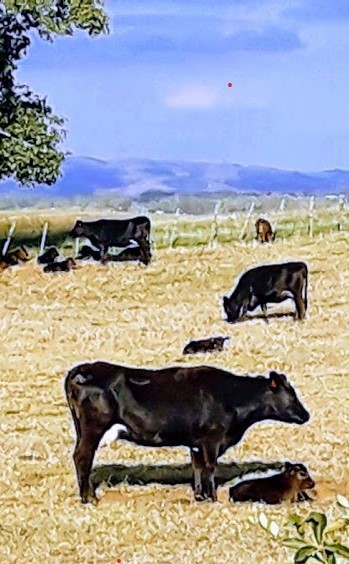
We are lucky to live on a farm, which gives us the lovely, wide views that have been a life-saver during lock-down. It also means we can walk out the gate and up the road without seeing anyone else. We do, however, see lots of animals on our meandering around the neighbourhood – cows, chickens, sheep, goats, hawks and the odd bold rabbit. It was a delight to find a paddock filled with cows and their new calves one sunny afternoon. There is something so hopeful about seeing young animals in the autumn.

Going green

For months we’ve relied on our indoor plants for greenery. It hasn’t rained properly for weeks and outside plants, trees and fields are dry and brown. But yesterday and today it has rained off and on continually and one can almost watch the paddocks going green. How welcome this is when one is isolated – all New Zealanders are now working from home unless they are in an essential business. All our indoor plants have new green shoots, which seems like a welcome act of optimism, and helps counter the grey skies and feelings of impending doom. Stay safe everyone and be kind to yourselves and others.