Carinthian countryside

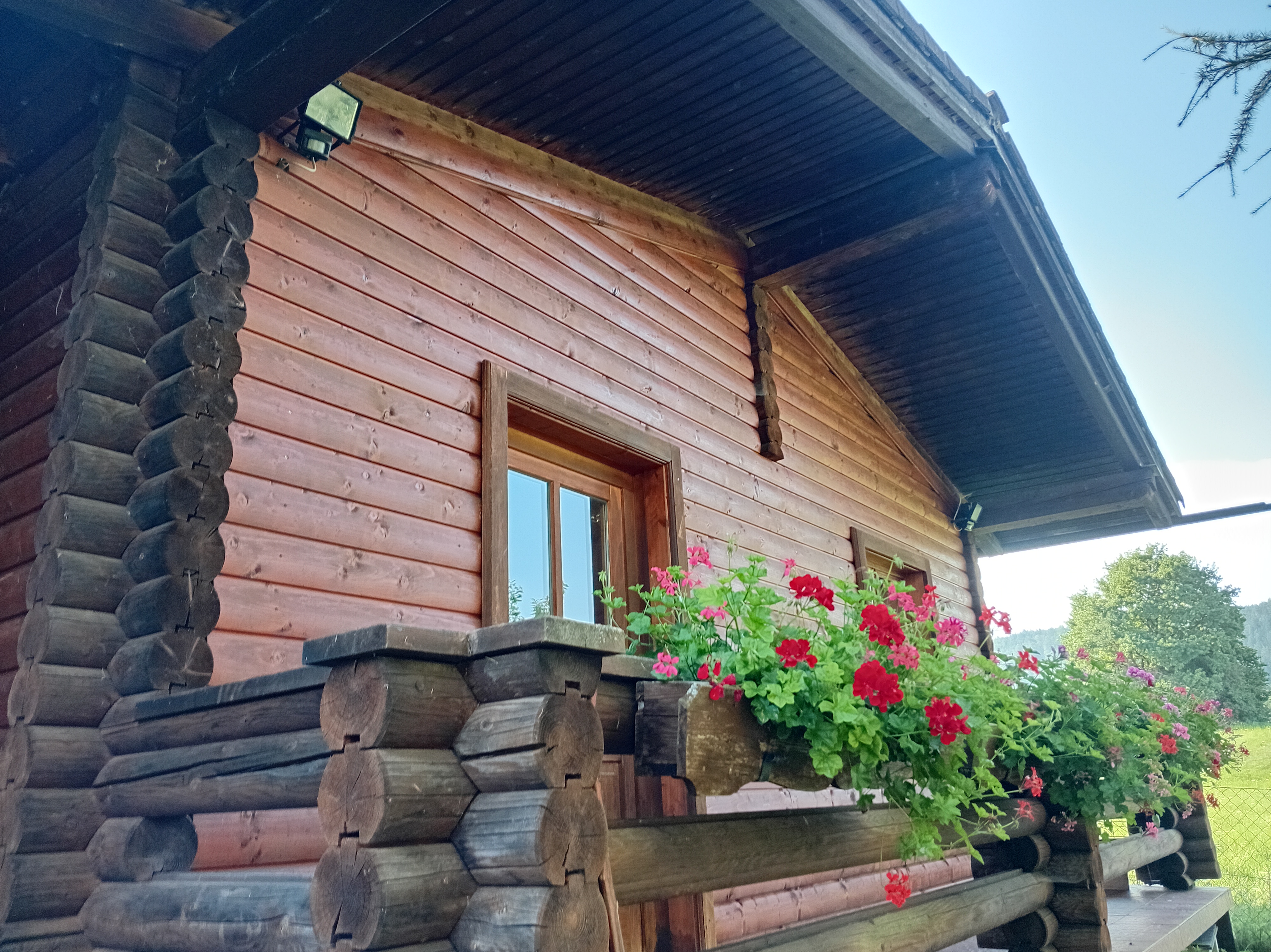
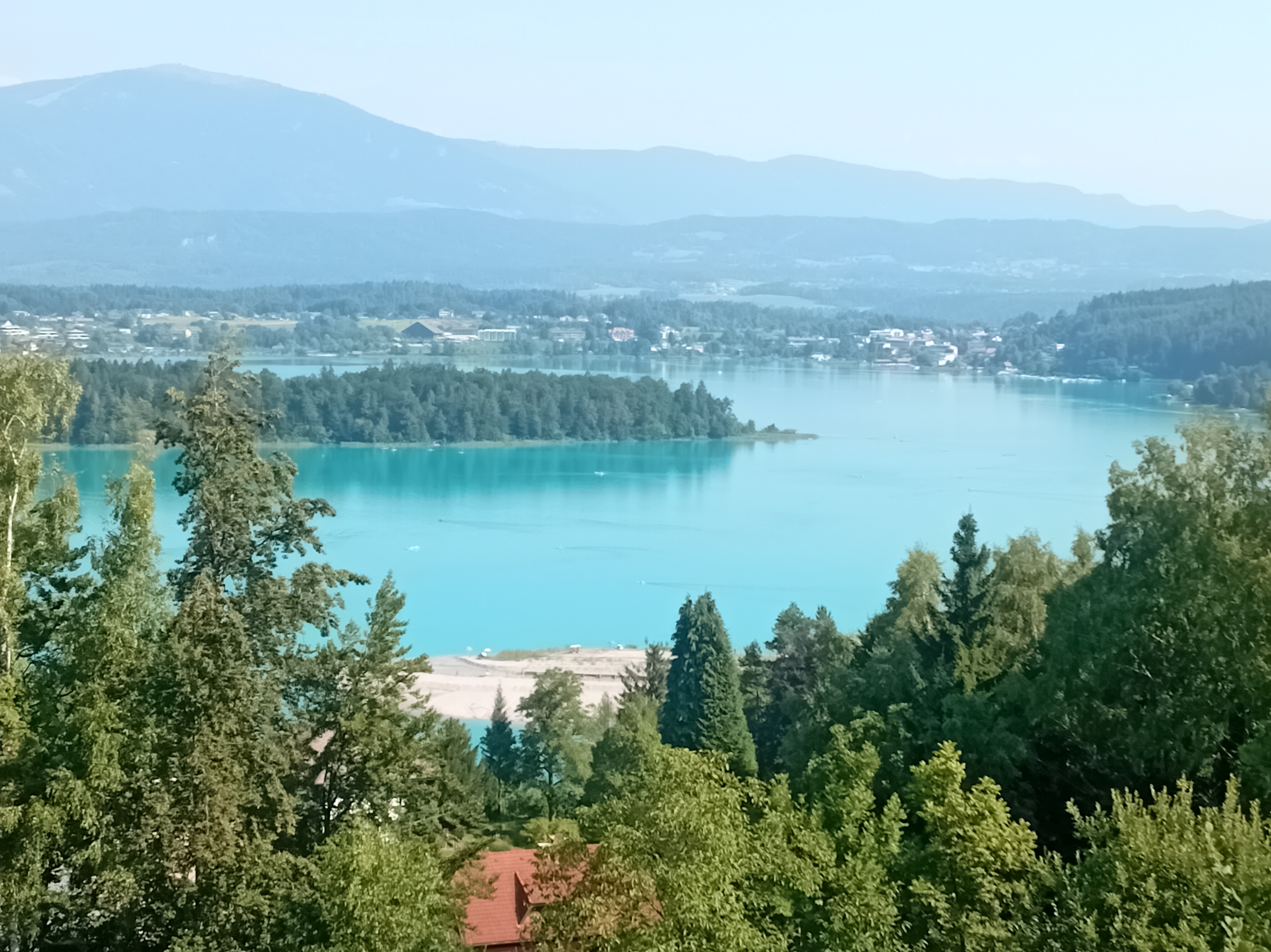
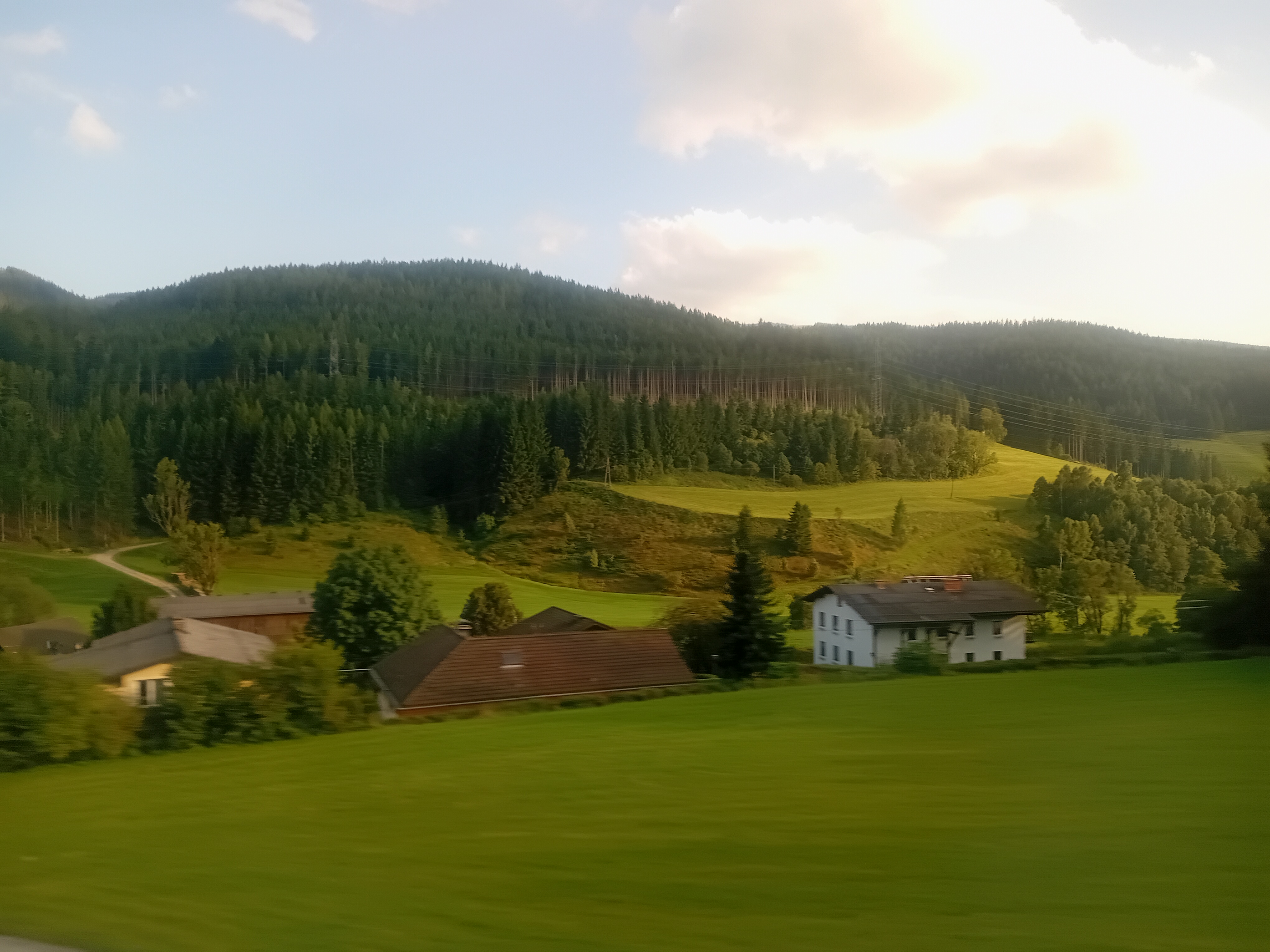
After a four-hour train ride from Vienna, we arrived in Villach, the second largest town in the southernmost Austrian region of Carinthia. Our friends have a rural property outside the town and we stayed in a self-contained chalet behind their house, complete with sleeping loft and skylight. It was fantastic! The scenery is spectacular – dense green forests, fields of tall grasses and meadow flowers, deep-blue lakes and vertiginous mountains. One morning we drove up into the foothills and then walked to a look-out point from which we could view the alps that separate Austria and Italy.

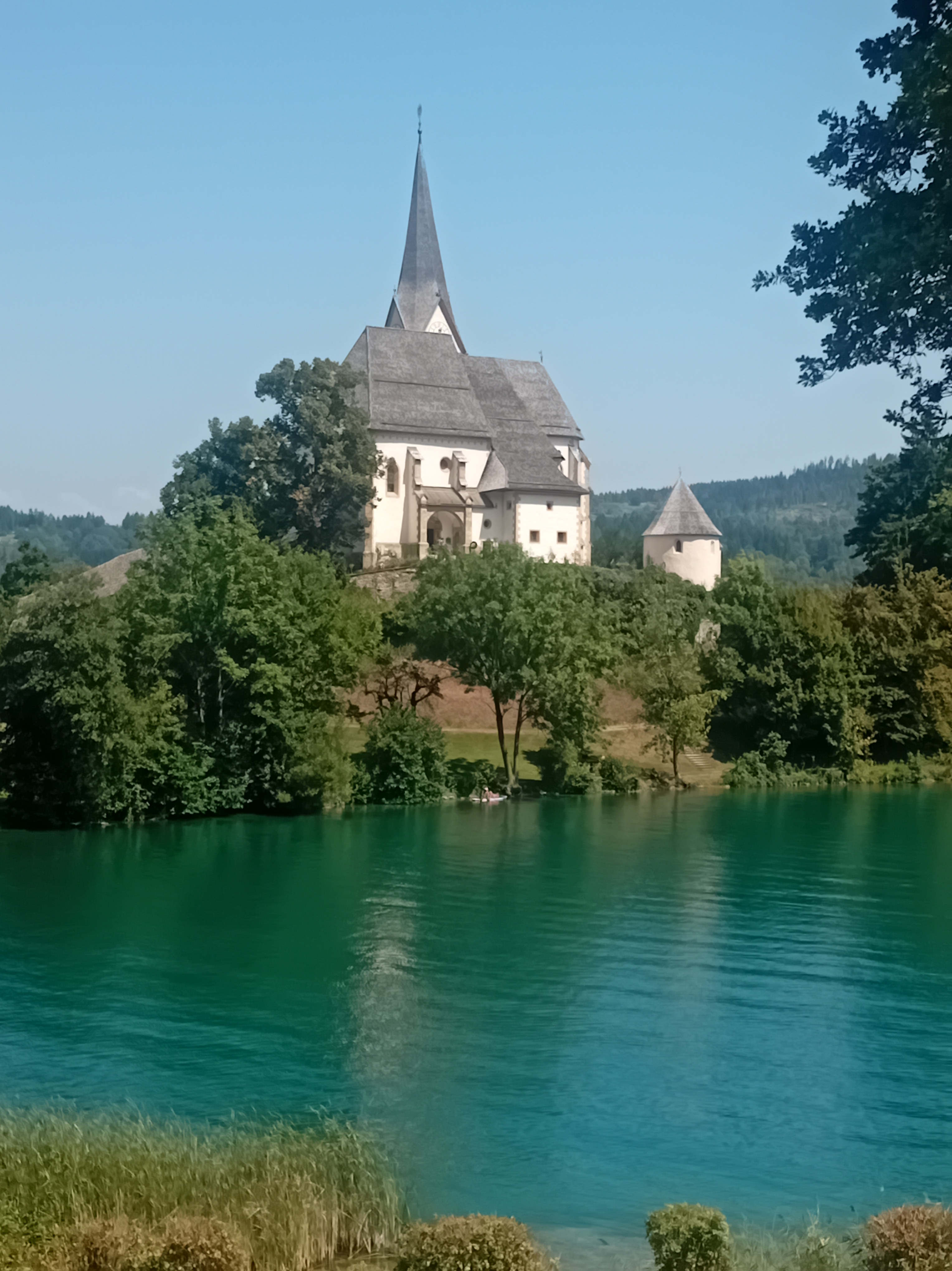
The area has been inhabited since the Bronze Age and burial mounds and lake dwellings have been excavated in the region. There are also Roman remains and churches going back to medieval times. It is well-known as a Marian pilgrimage route and there are a number of churches dedicated to Mary that pilgrims visit along the 266 km trail.

The largest lake in the area is the Worthersee. Its startling colour is due to the limestone in the surrounding hills. There is an ingeneously constructed viewpoint called the Pyramidenkogel built high up on a hill and we took the elevator up to the 10th floor to view the lake below. There were myriad boats, sailors and swimmers out on the lake on a brilliant summer’s day. Hard to believe that in the winter, there is enough ice to turn it into a skating rink, though with climate change, the skating season is becoming shorter.

Bath is pleasant enough …

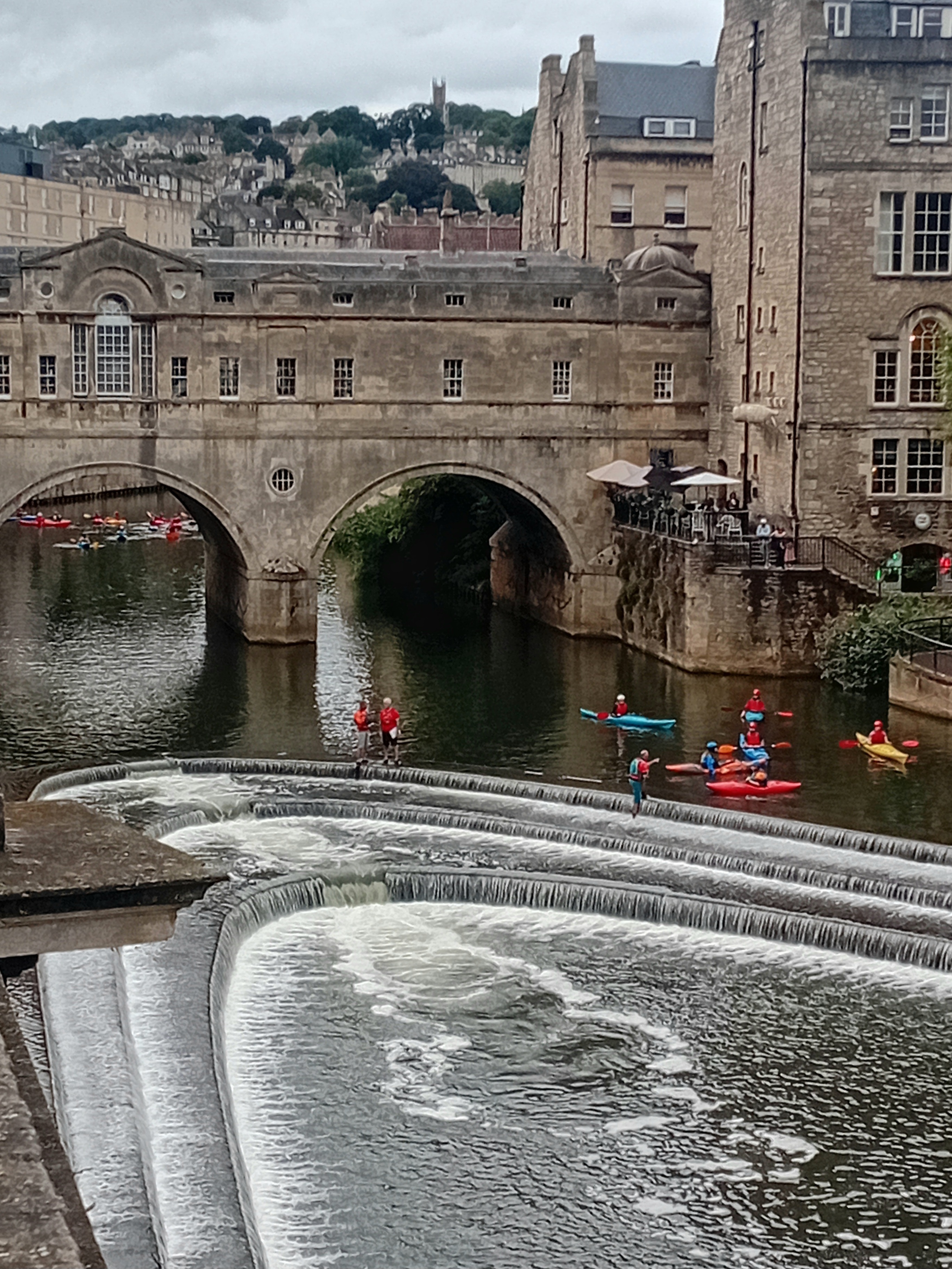
said Jane Austen, adding that after six weeks, she’d had enough. We were there fewer than six days but found it more than pleasant and can fully understand why it is regarded by some as the most beautiful city in England. The rows of Georgian terraced houses made from Bath stone, the wide pavements along the grander streets (called parades) and the narrow cobbled lanes, the Avon River and the shady parks make it a desirable destination.

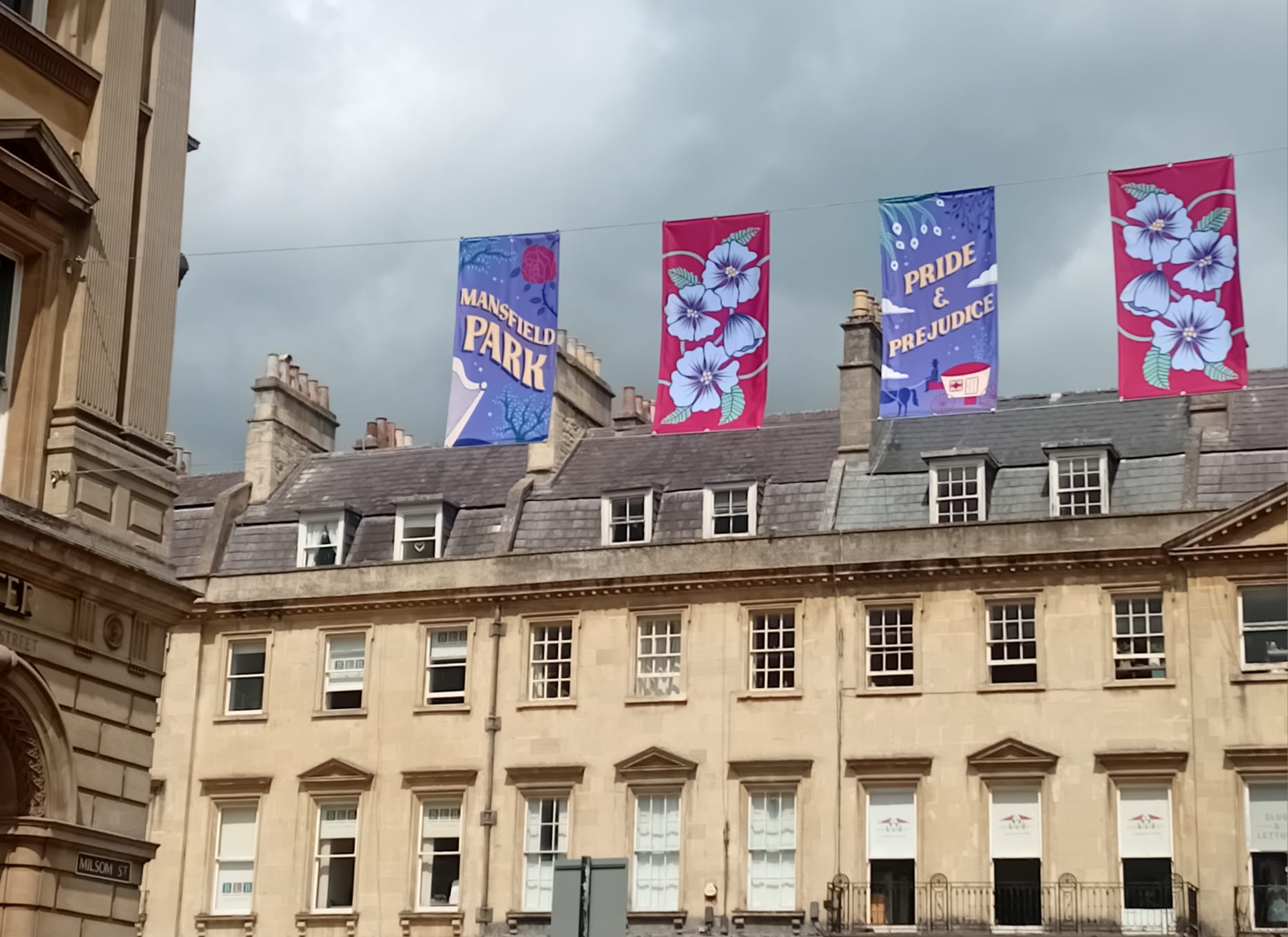
Bath glories in its Jane Austen connections. Although she only lived there from 1801 to 1806, she set two of her novels in the city – Persuasion and Northanger Abbey. 2025 is the 250th anniversary of her birth and Bath is celebrating, no more so than at the Jane Austen House, where one is met by people in Regency clothing and can get an idea of what a house was like in the Regency period. One can even view a life-size wax model of the author. But it is in walking along streets and through parks she mentions in her novels and letters, that you really get a feel for what it was like when she visited and conjured characters like Catherine Morland and Anne Elliott.

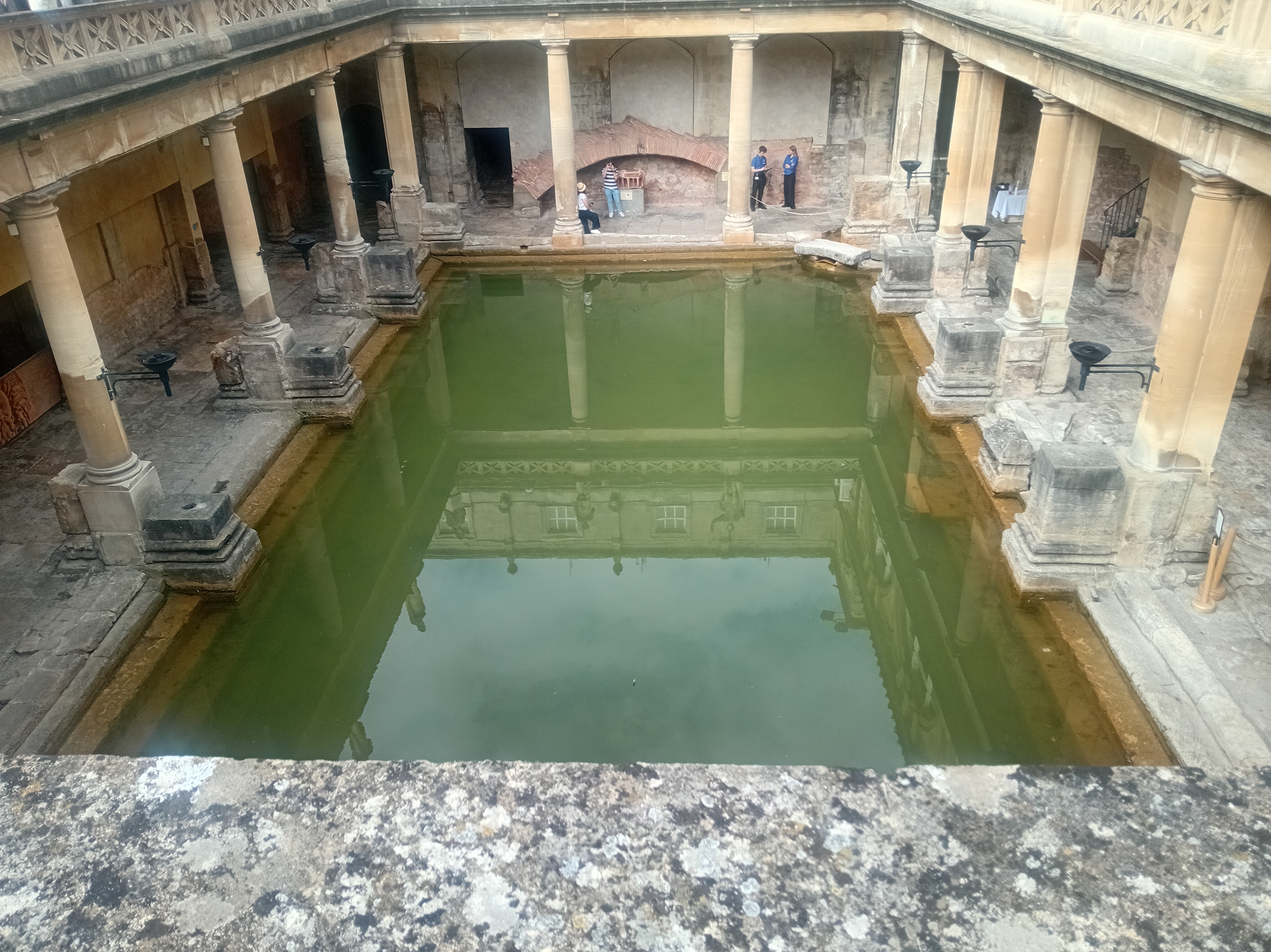
Bath is also ancient. The Romans established the settlement of Aquae Sulis and had an extensive network of publics baths using the hot water springs that still bubble up. They also built a temple dedicated to the goddess Minerva and the owl associated with her proliferates in tourist shops in the form of soft toys or cast statuettes. The oldest house in Bath, dating back to Roman times, is where the Sally Lunn’s bakery and shop is now. We bought a Bath bun there and enjoyed it toasted for breakfast in our attic apartment, which we walked up four flights to access. Getting our bags up there when we first arrived was a mission!

Another treat for this bibliophile was a long browse in the small but excellent Persephone Books. Having for many years subscribed to their newsletters and been gifted some of their beautiful books, it was a thrill to be there in person. Yes, Bath is indeed pleasant enough!

Green and pleasant

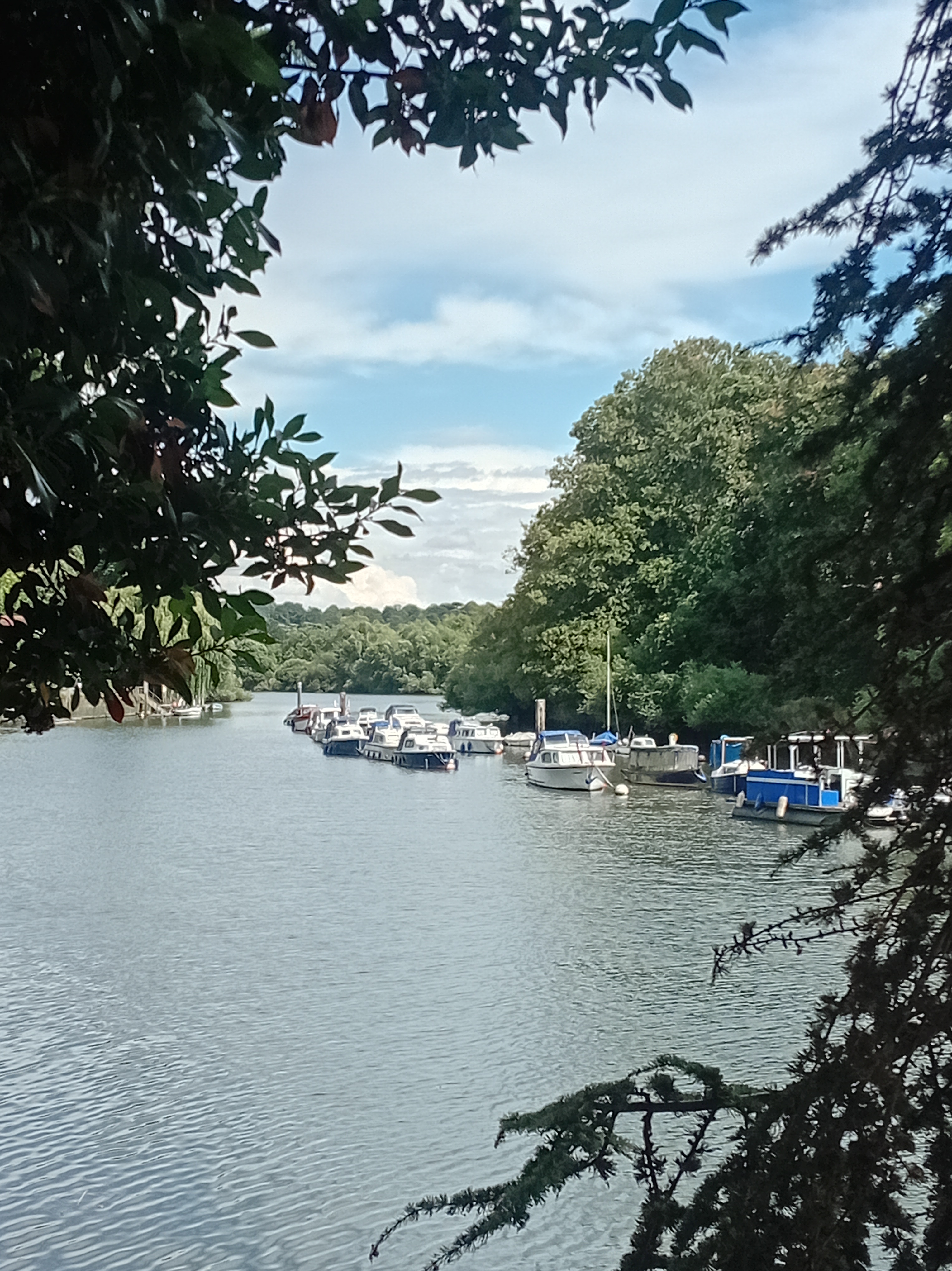
The English countryside is wonderfully pleasant to travel through. We’ve done train trips to Lewes in East Sussex, Wivenhoe in Essex, Oxford and Reading in Oxfordshire and are now in Bath. The views from the train are of densely green hedgerows, golden fields of wheat, meandering rivers and the occasional church spire. Our friends have taken us on walks along rivers, through woods and villages, churchyards and high streets. I keep saying in my head “It’s so English”, which is nonsensical but also true. It is the England of countless poems, novels and films, so that even if it’s a first visit, one feels one knows it.

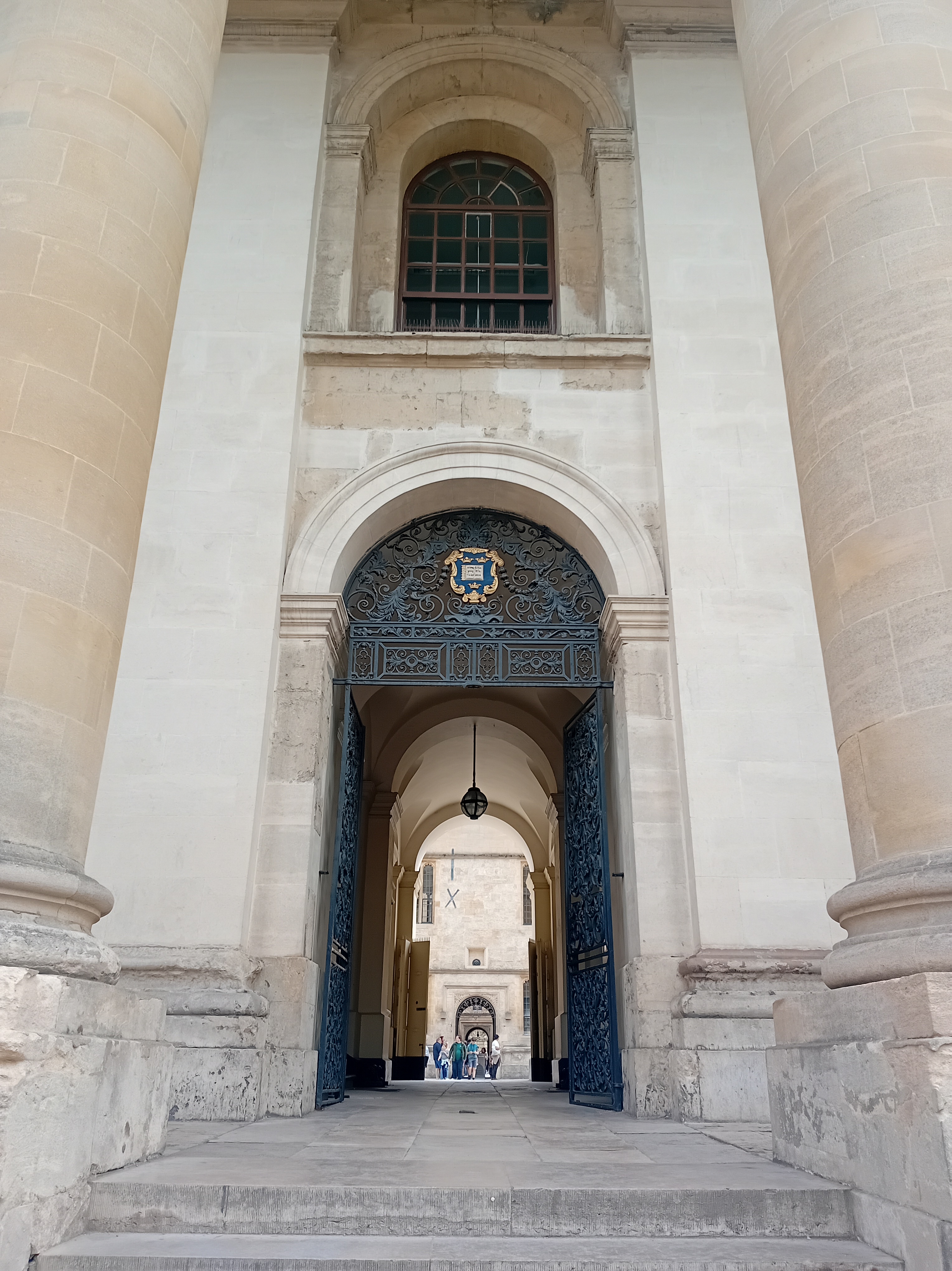
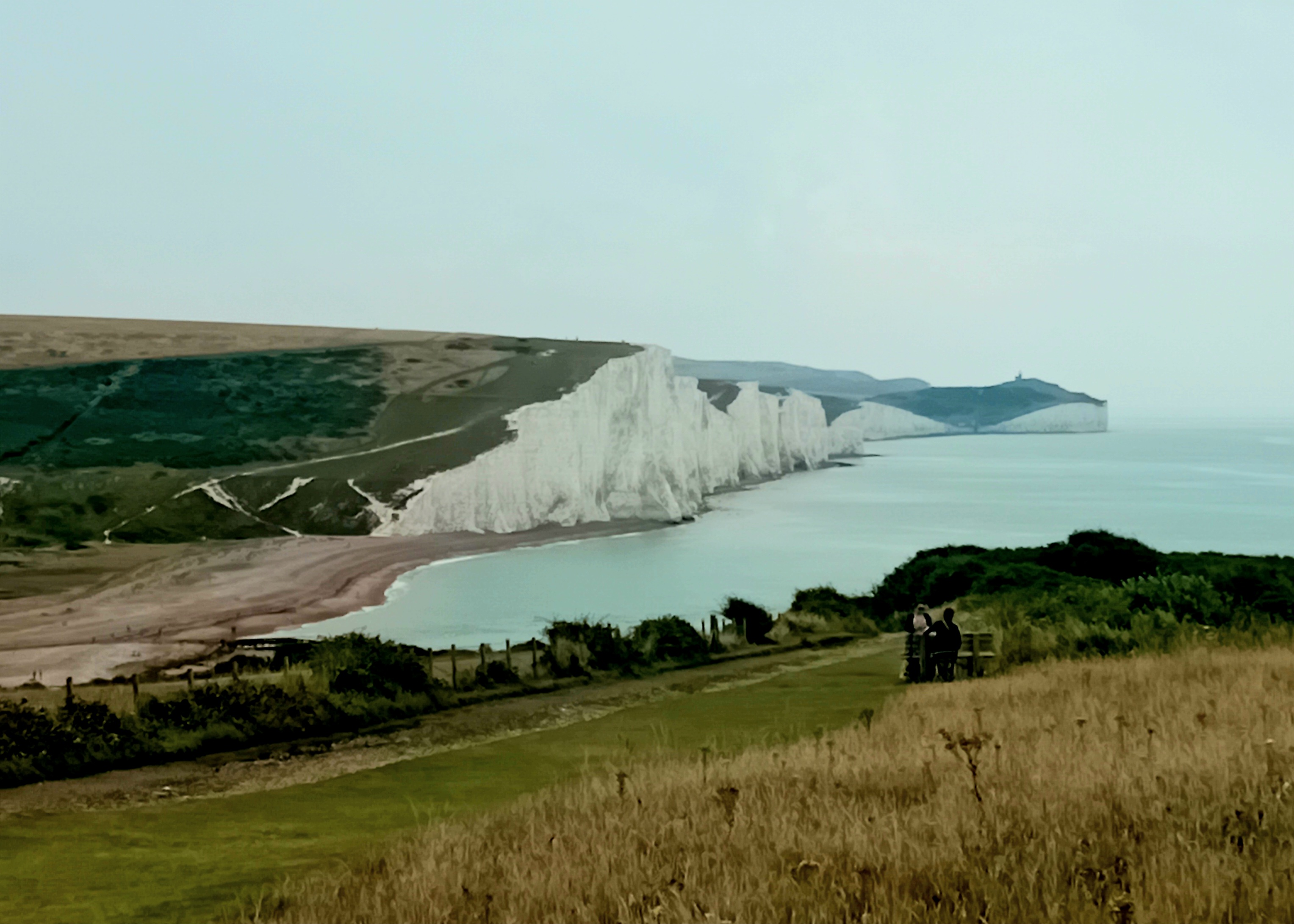
But there is also the spectacular. One gazes at the undulating South Downs and then is confronted with the stark white chalk cliffs along the English Channel coast in East Sussex. One takes a train to Bath through benign countryside only to be amazed by row upon row of immaculate Georgian terraced houses and the 2000-year-old baths of the settlement the Romans called Aquae Sulis, where they also erected a temple dedicated to the goddess Minerva. To say nothing of Oxford’s “dreaming spires”…

Apple of my eye

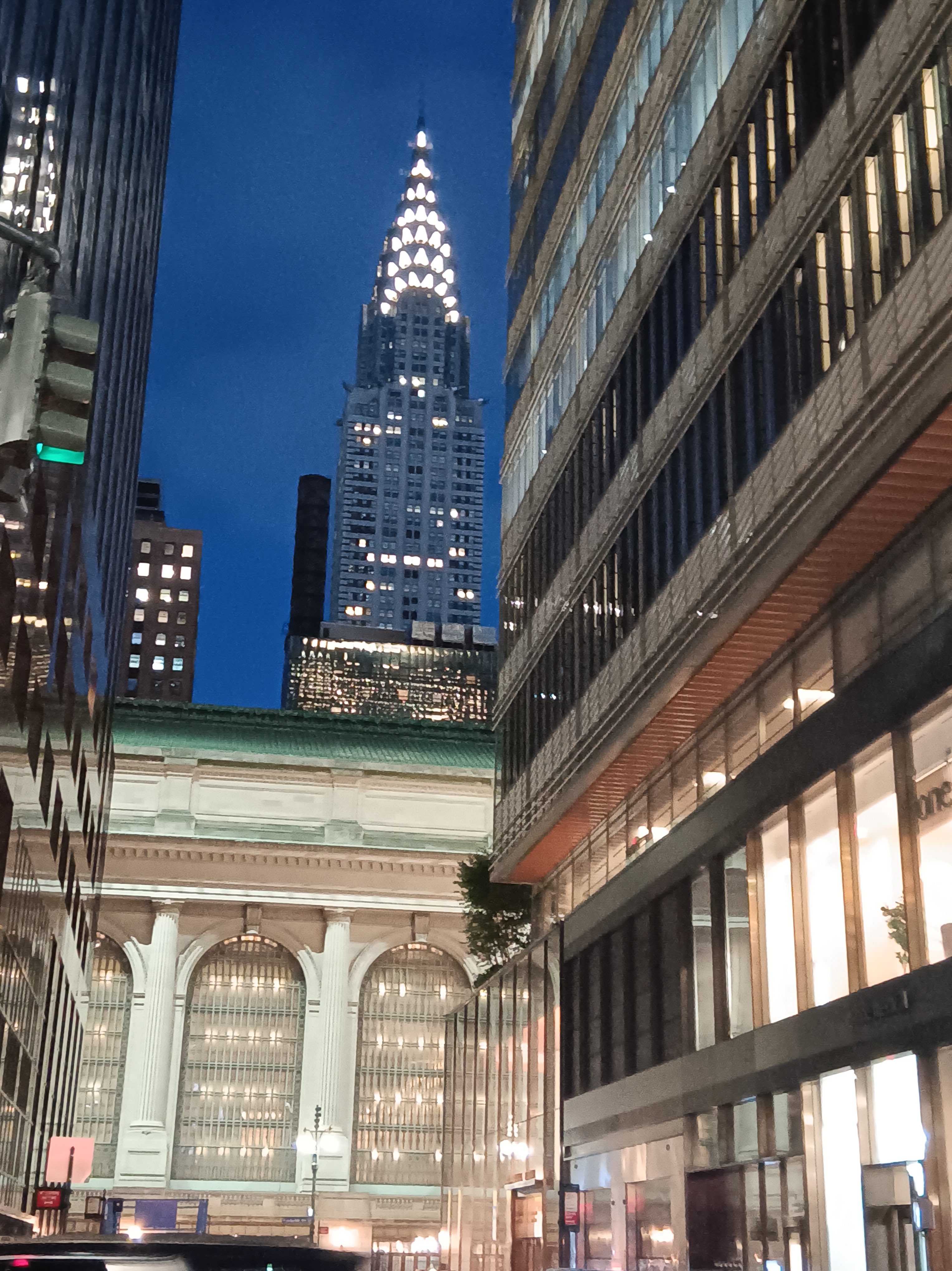
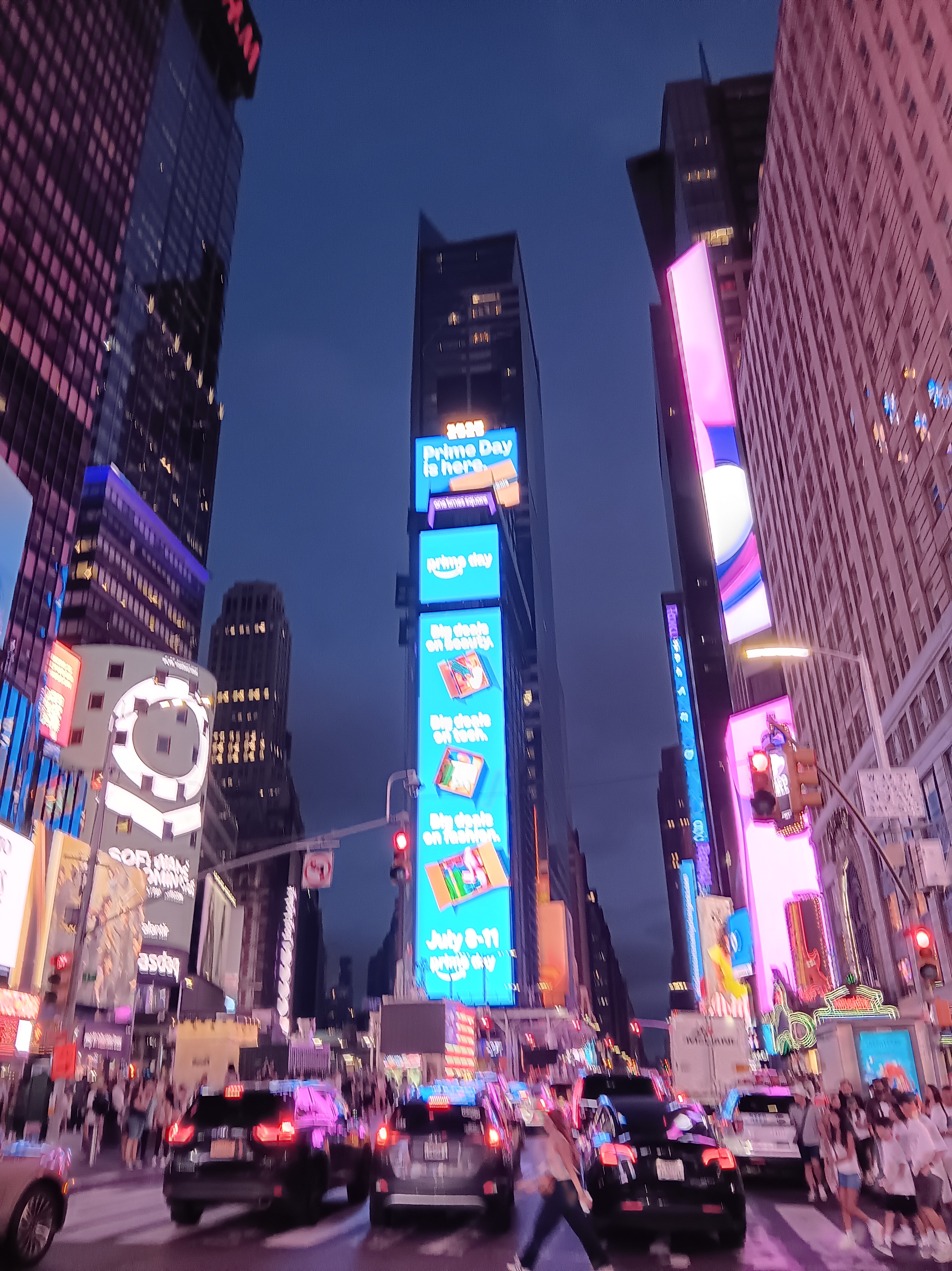
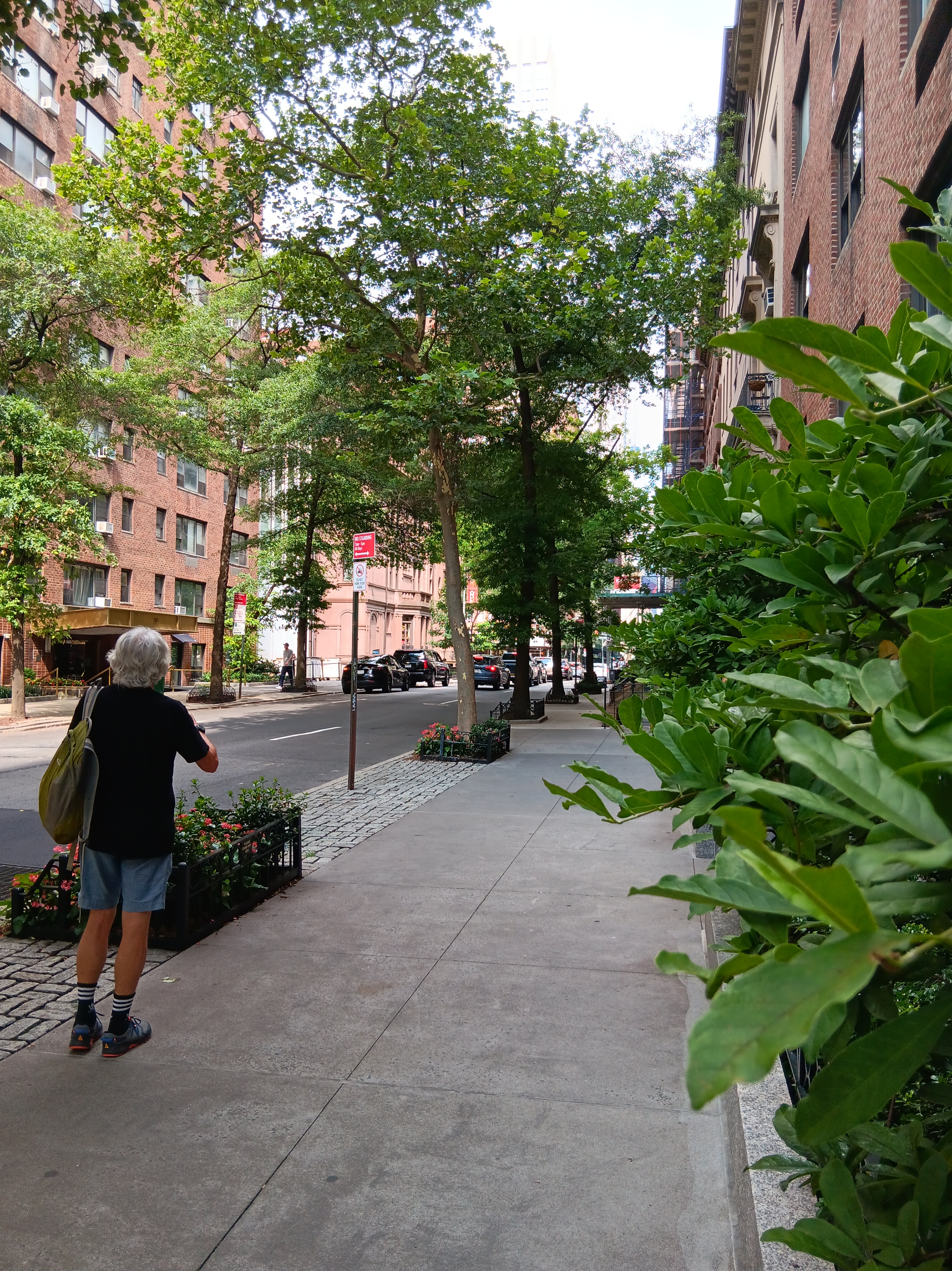
What is there to say about New York City that hasn’t already been said? Probably nothing. So I’ll just say that I’ve always wanted to visit. Now I have and I was not disappointed.
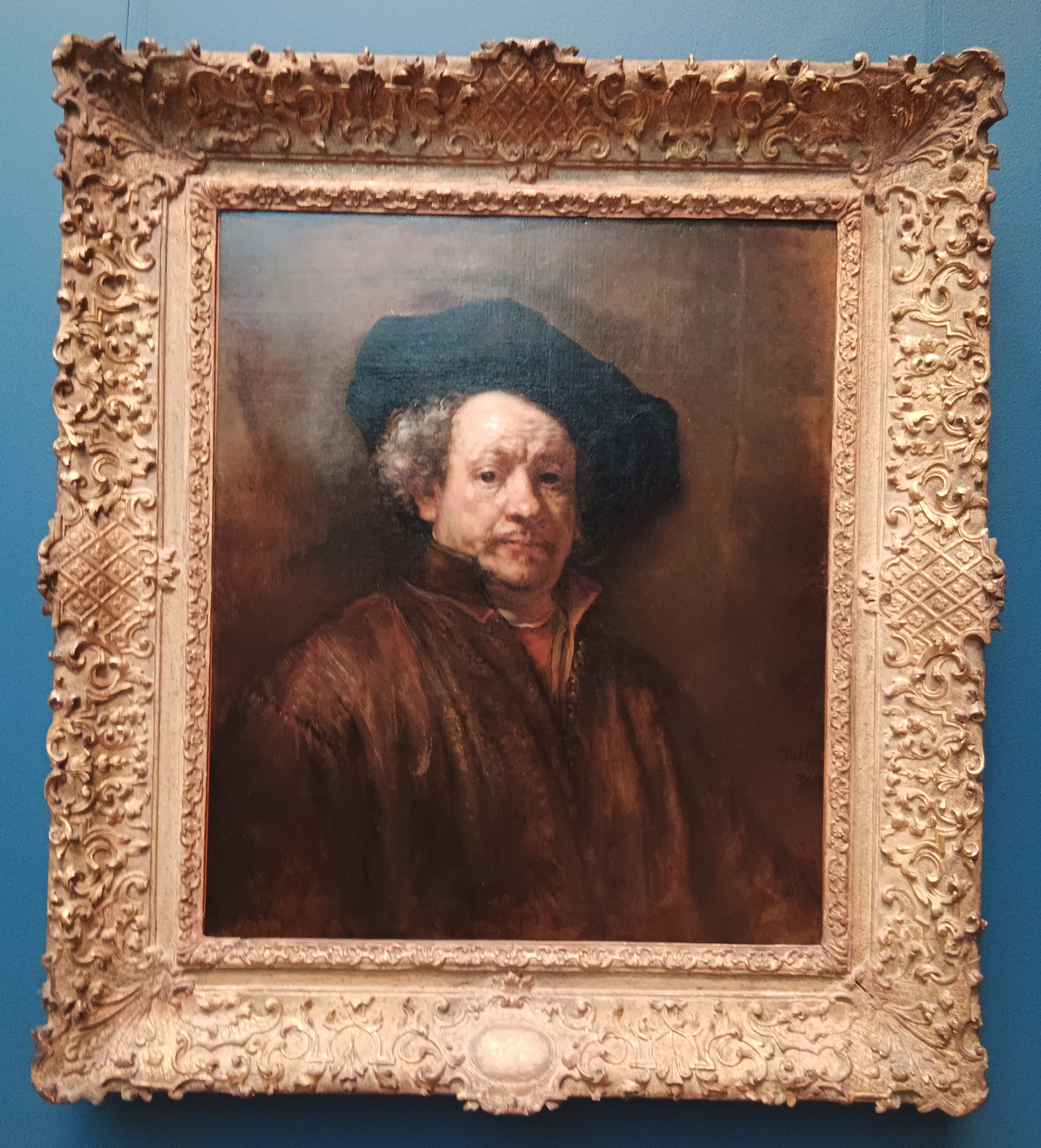
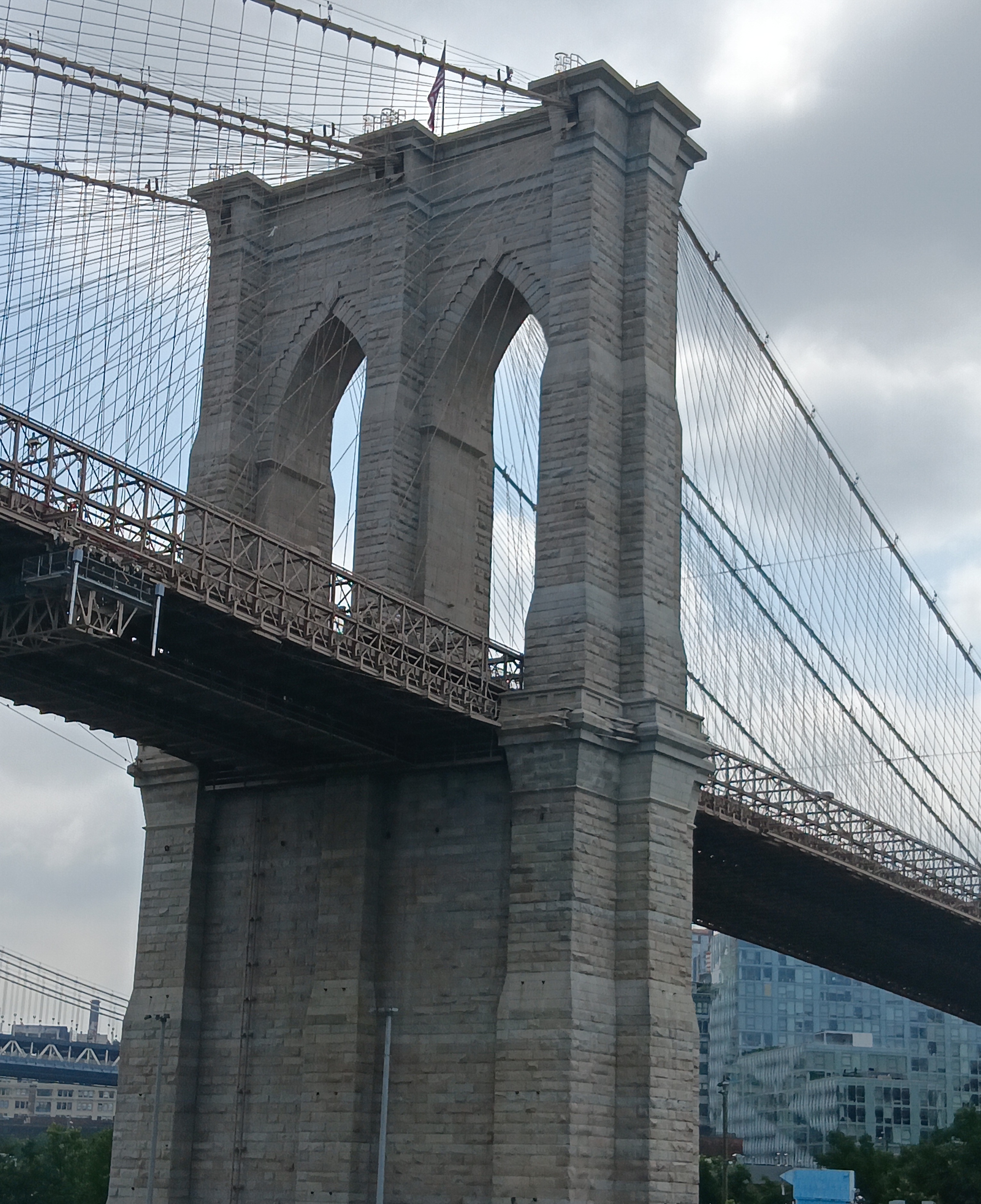
The landmarks

The green spaces – Central Park, Bryant Park, the High Line, the trees and planters that line the streets

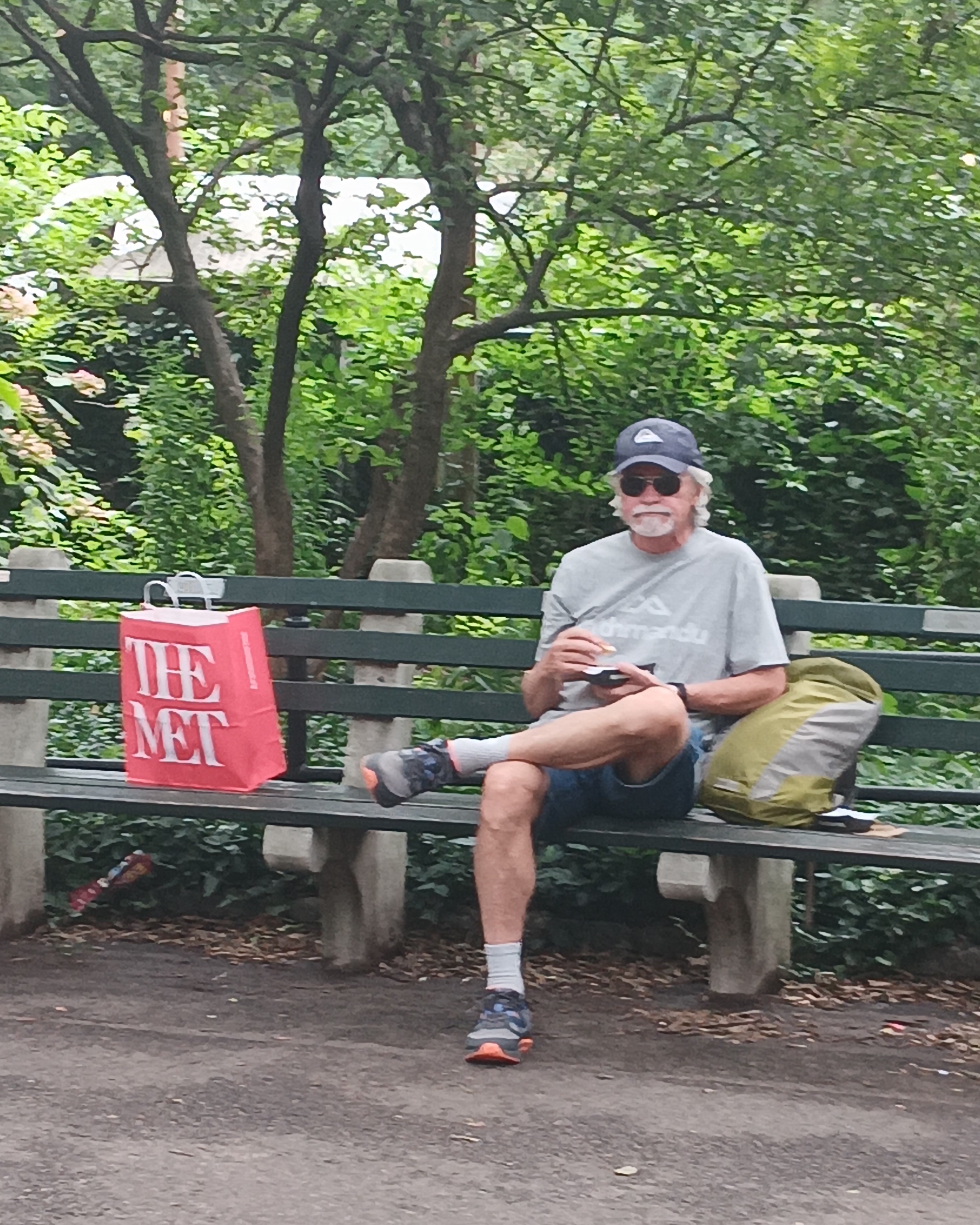
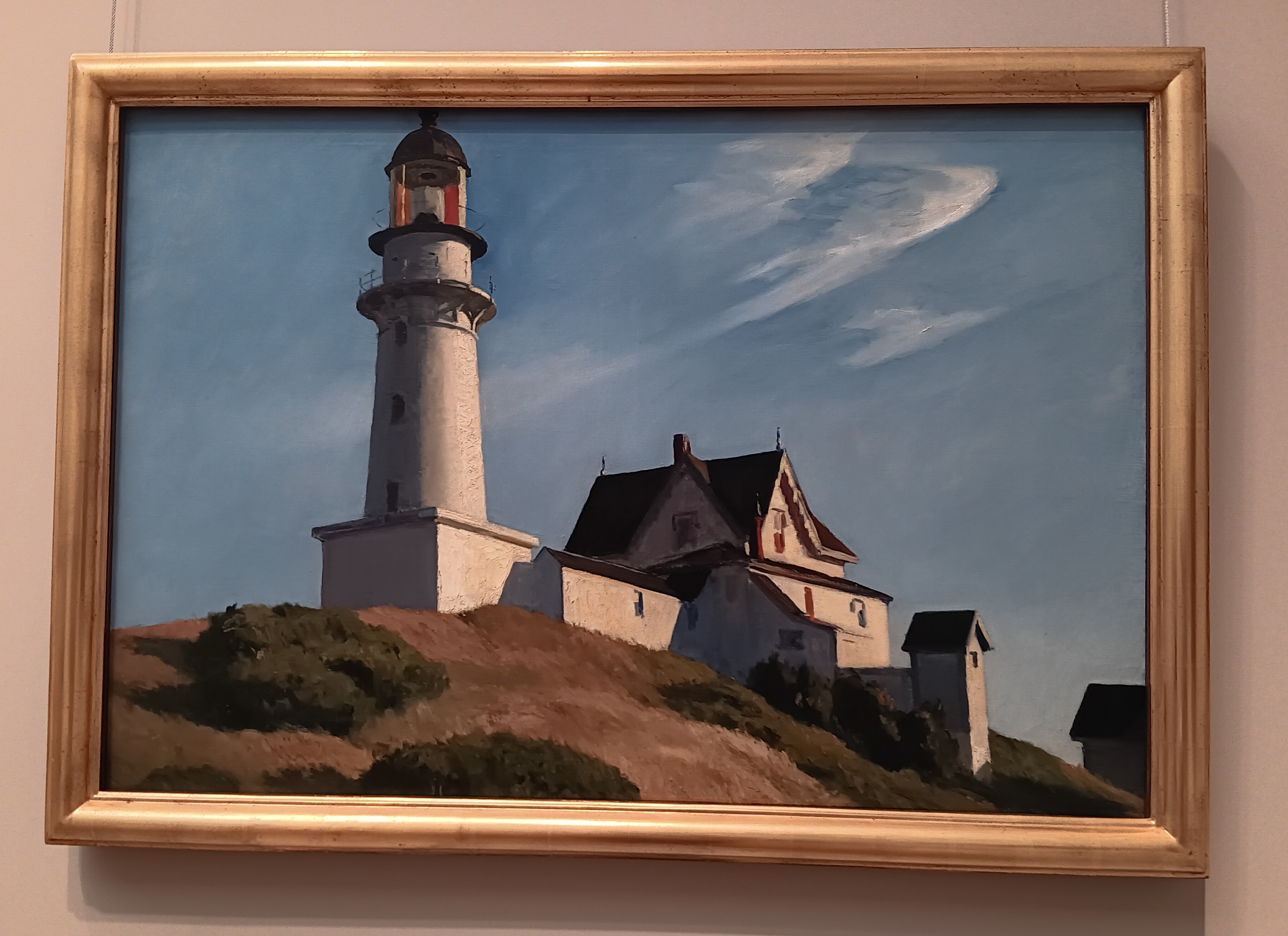
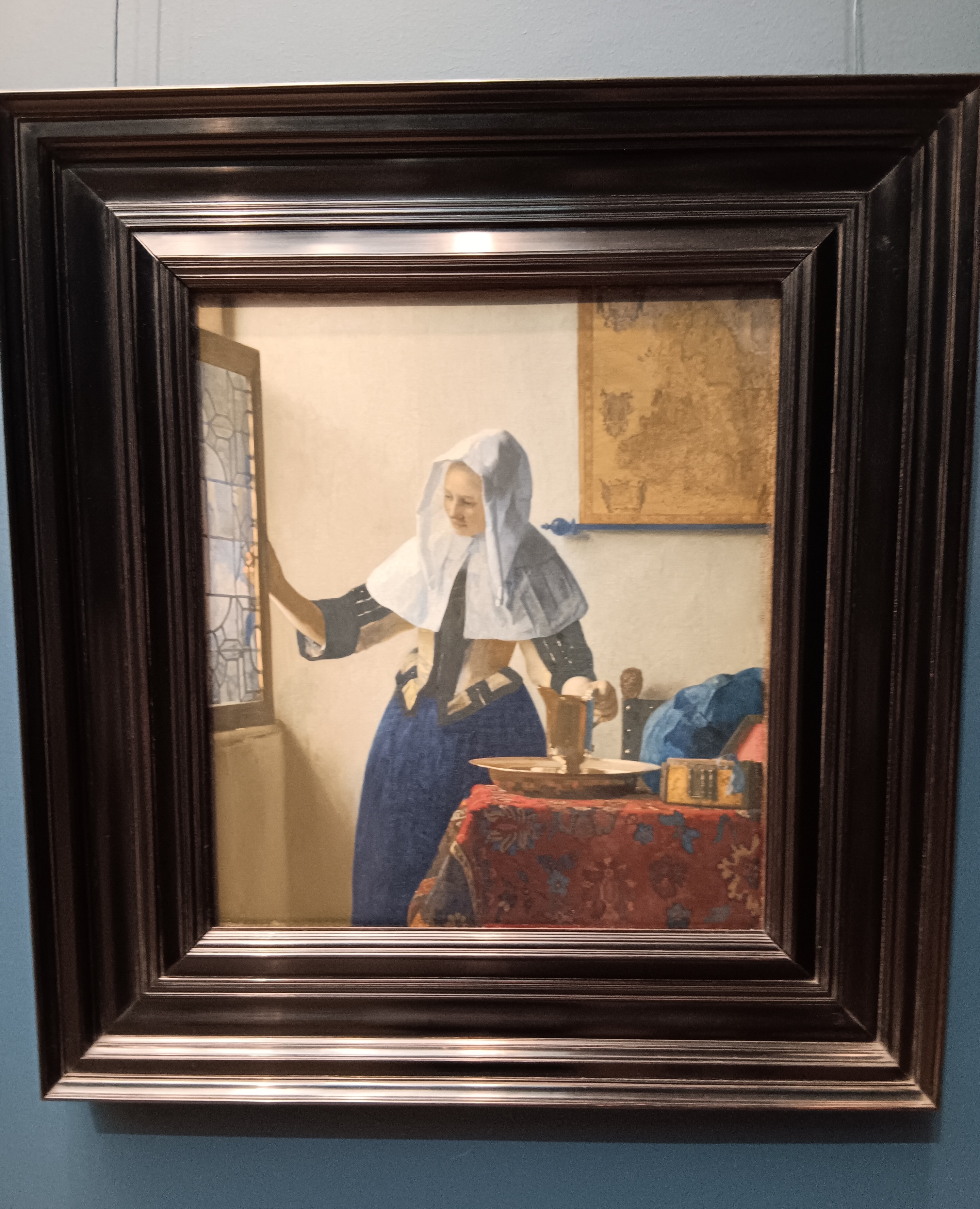
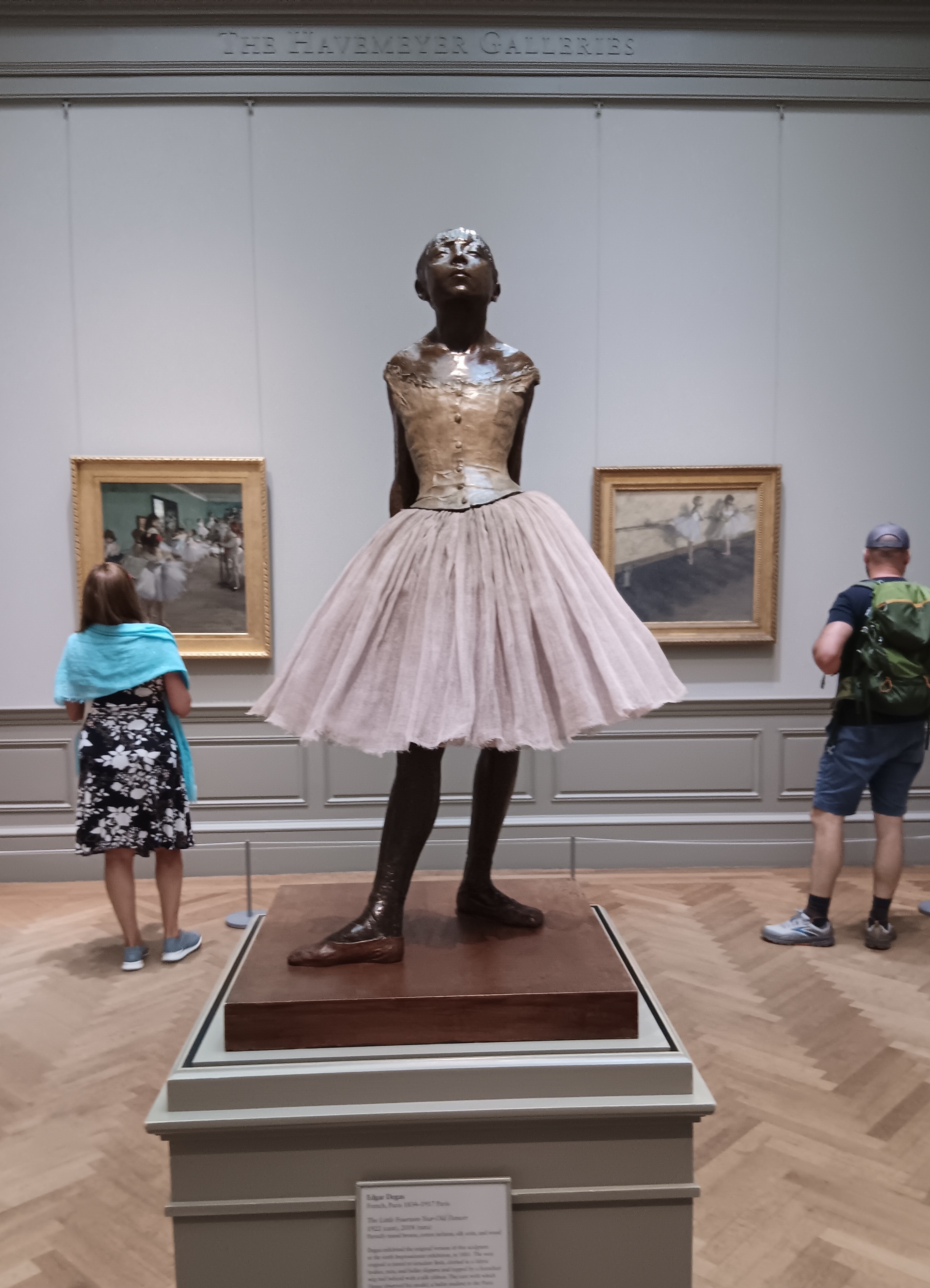
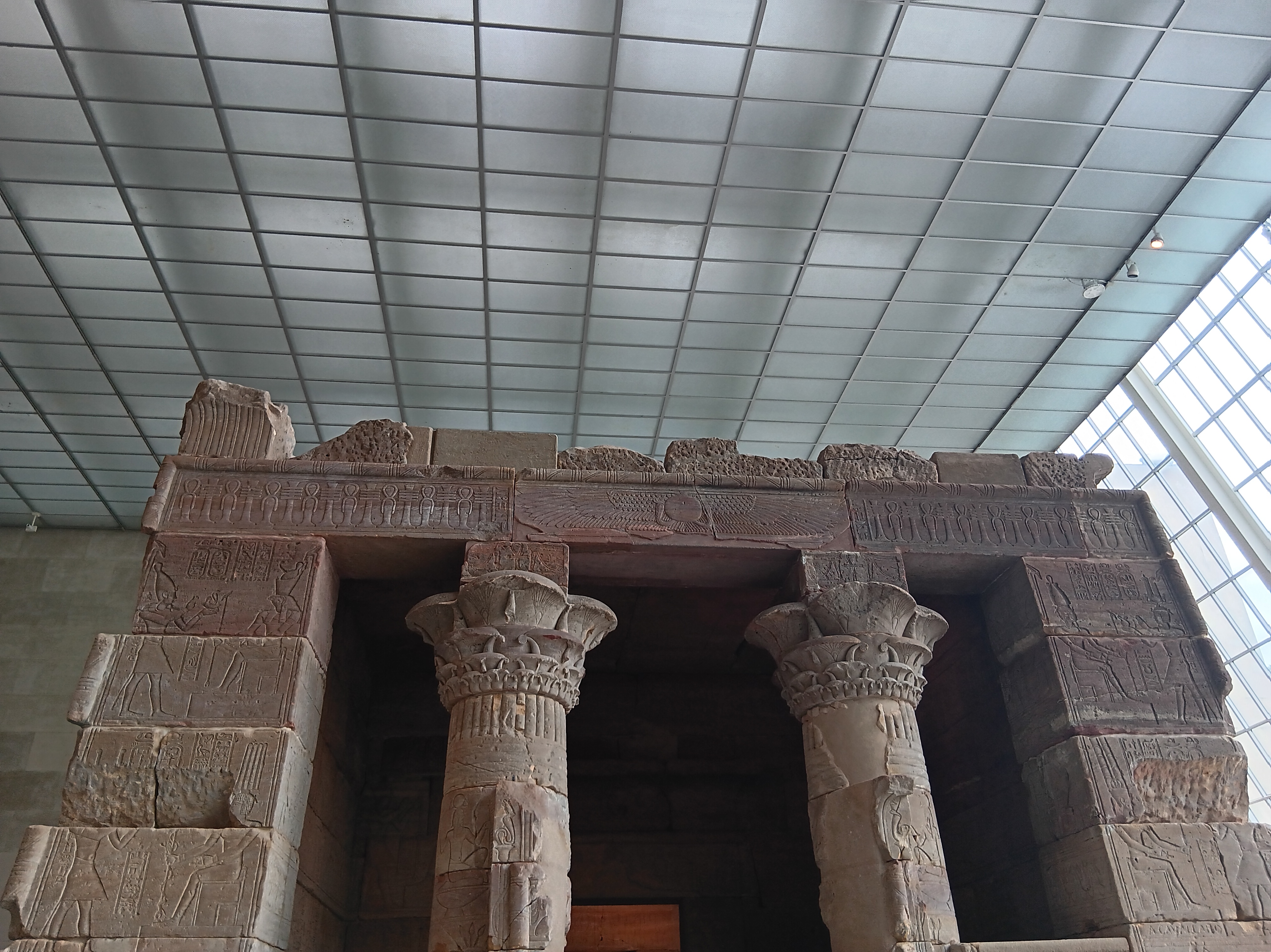
The Met – in all its wondrous abundance and beauty

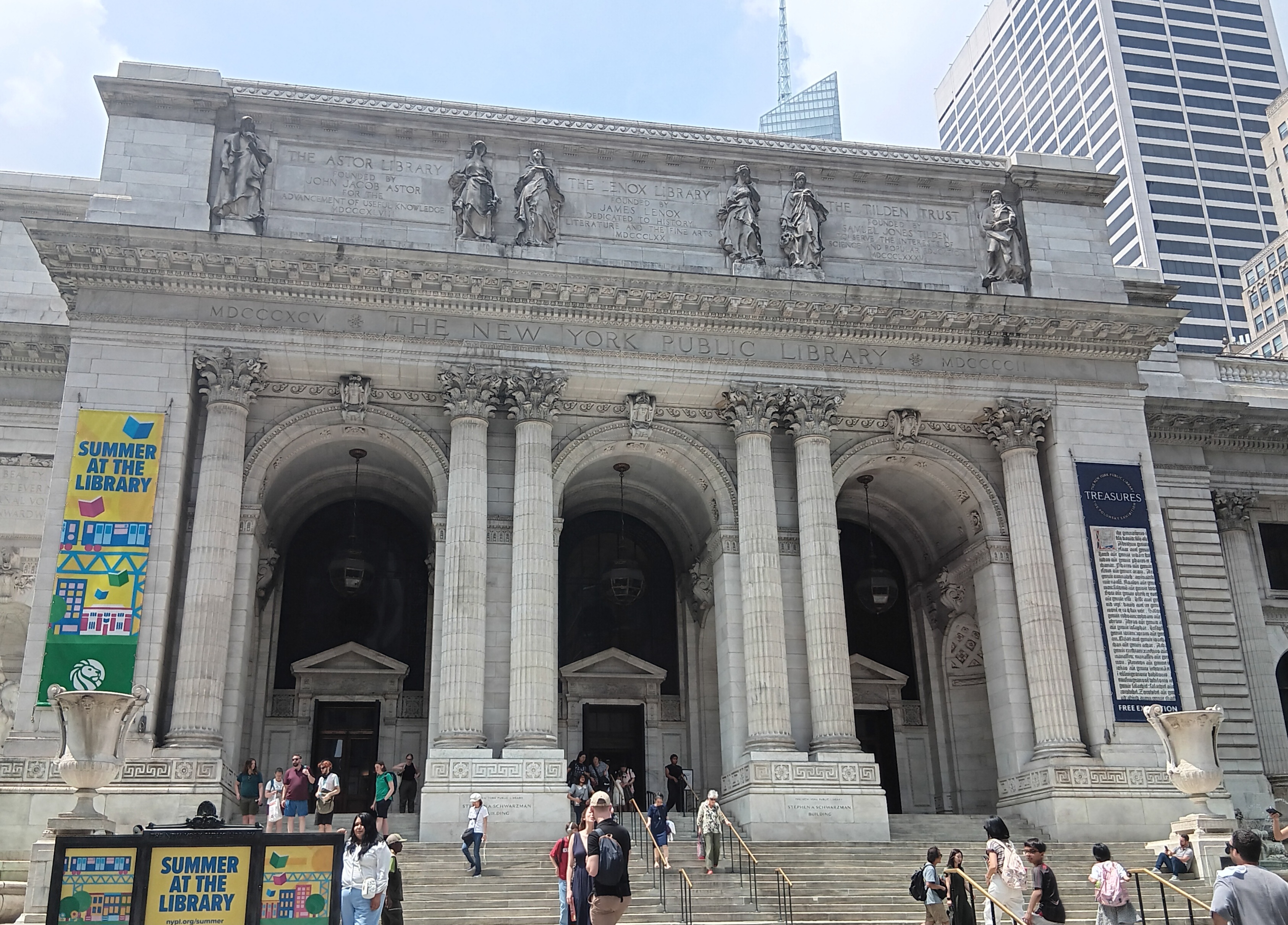
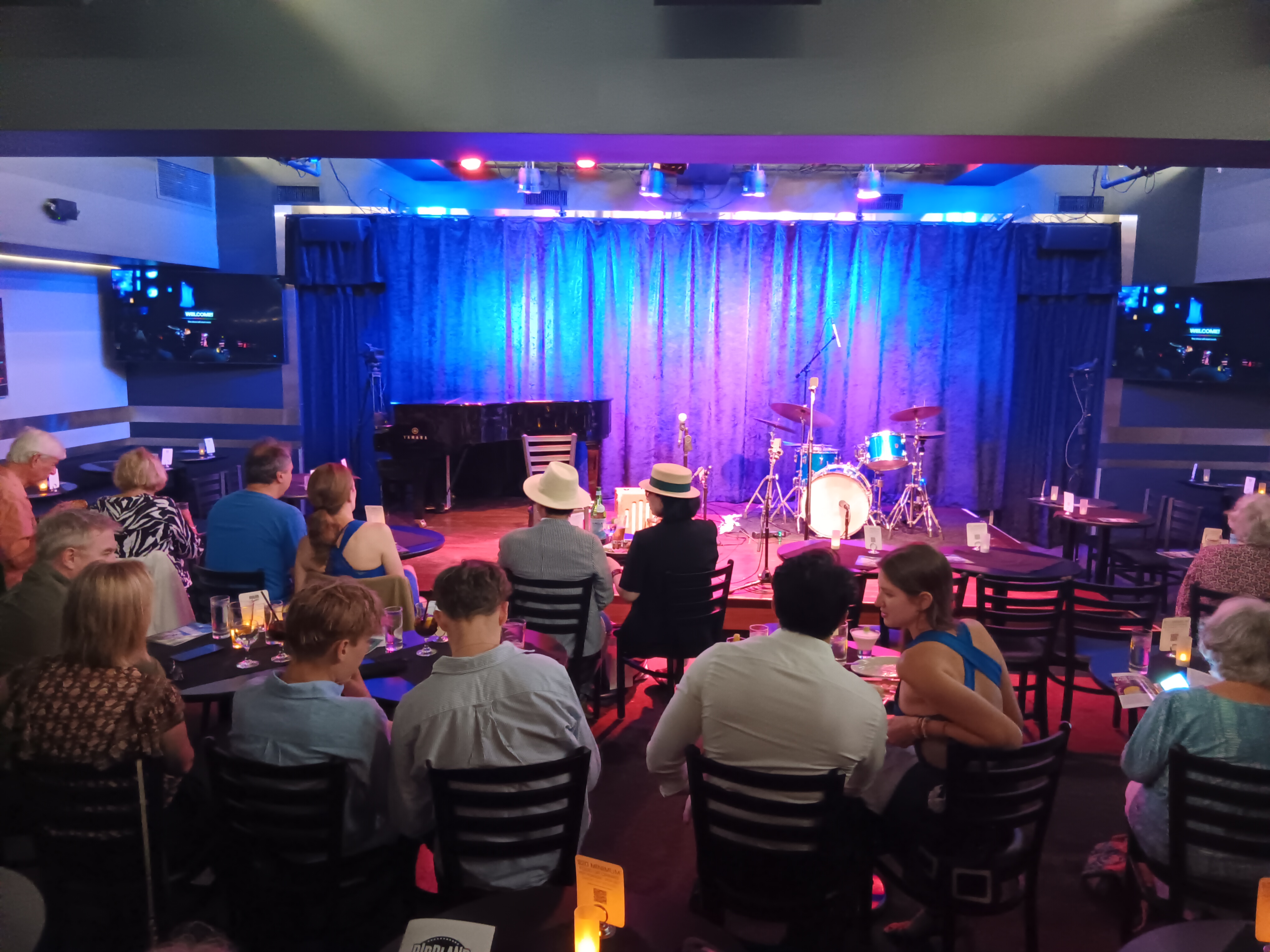
The arts – Broadway, Birdland, NY Public Library, Strand Books

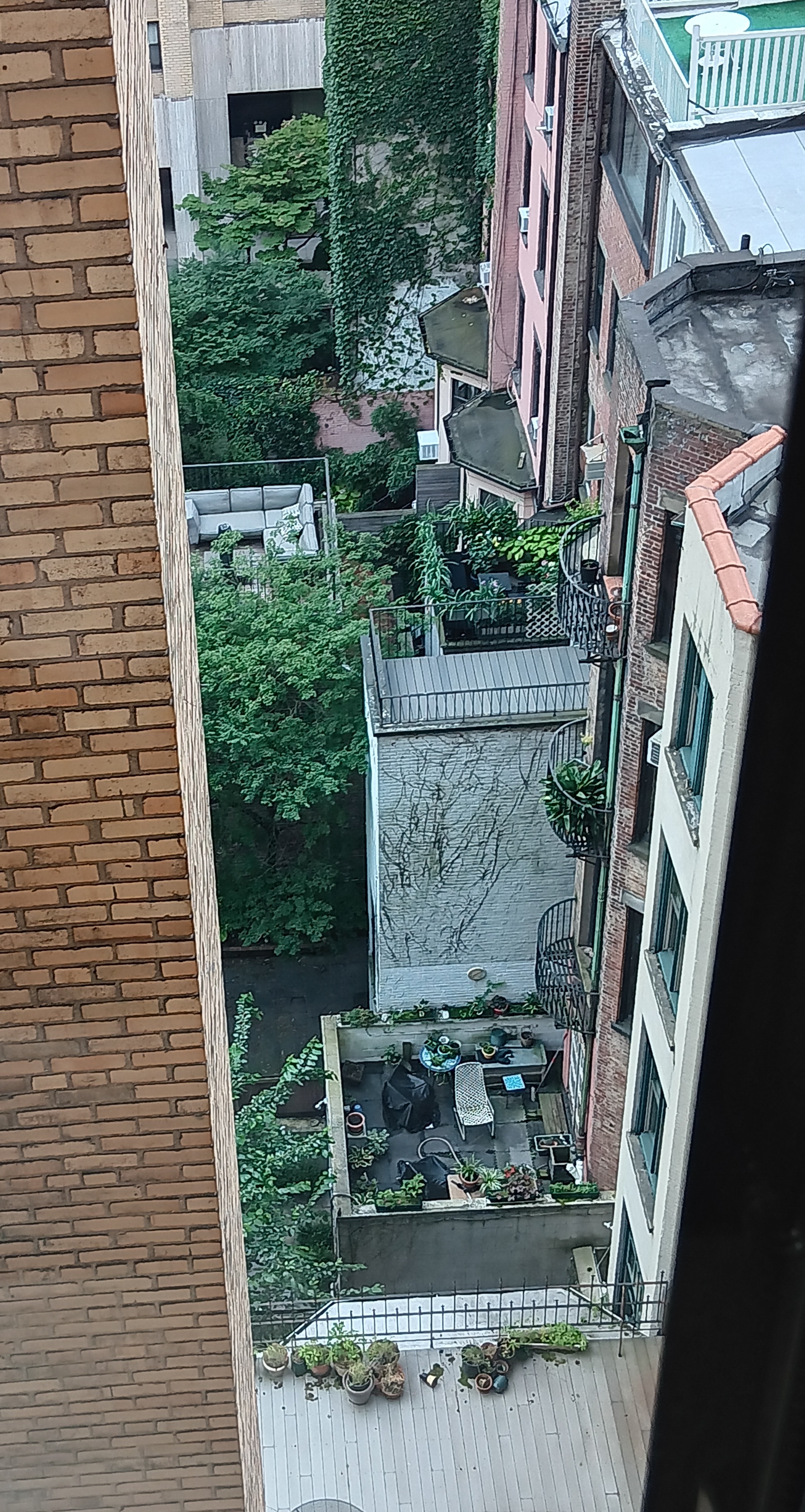
There is also the atmosphere of the city as one walks the streets and avenues, which make Manhattan so easy to navigate. The teeming crowds on the sidewalks who follow no discernable rules, try as you might to keep to the right. The snippets of conversation one hears while walking – New York accents and people speaking in languages from all around the world. The myriad street vendors and panhandlers, who will sell you a hotdog, an NYC cap or a bus tour. The outfits, which run the whole gamut from tourists in ‘I heart NYC’ T-shirts to the sartorially exquisite in designer dresses and high heels or suits, ties and hats. It is endlessly fascinating, though one is relieved to get back into one’s air-conditioned hotel room at the end of the afternoon, before going out again in the balmy evening to go to a show, walk along the East River or watch an Amazon zero-hours contractor make a night-time delivery from an e-cycle vehicle. Another striking feature of this magical city is its clear air and clean streets. I loved it!

Rocky mountain high

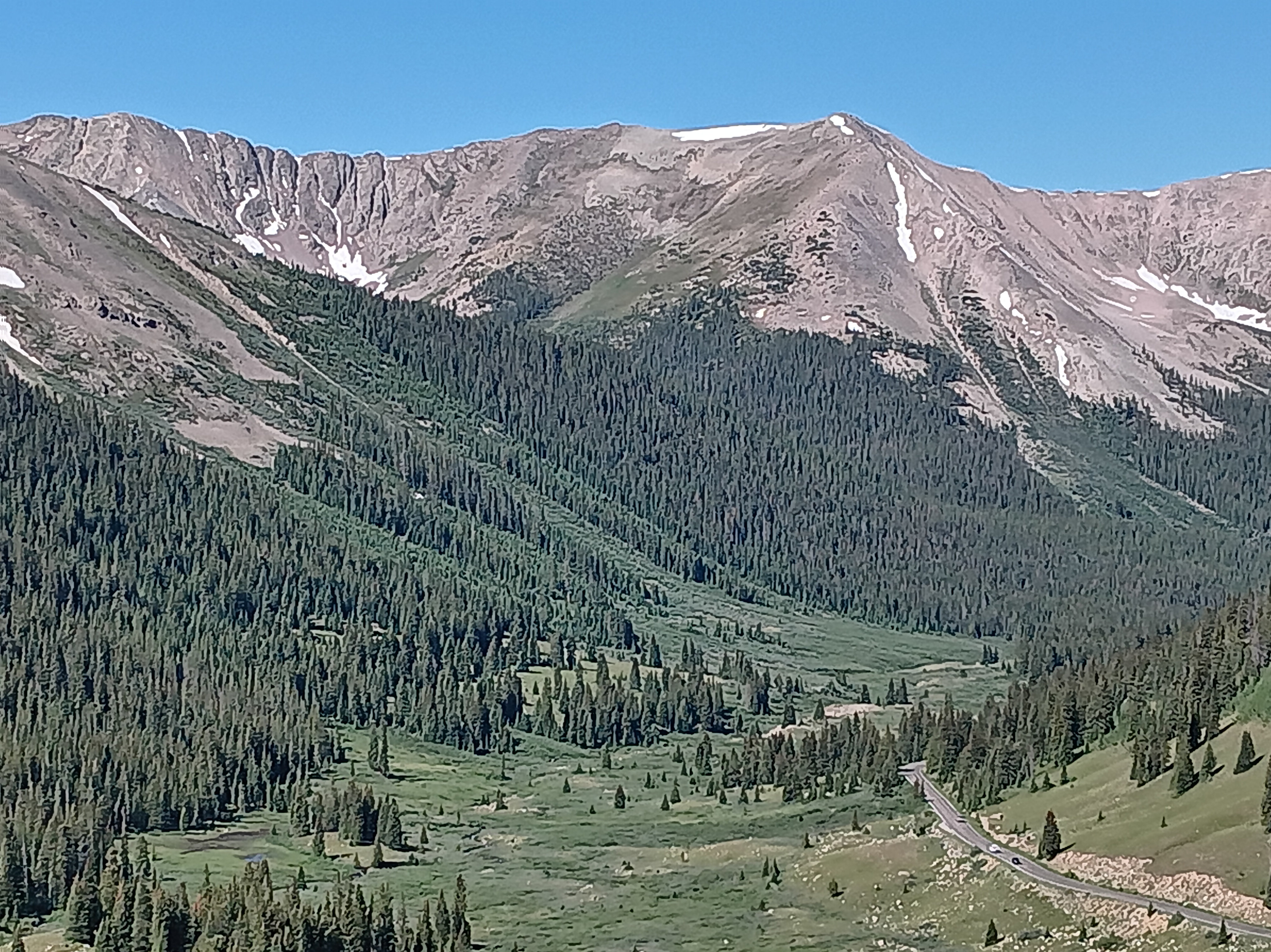
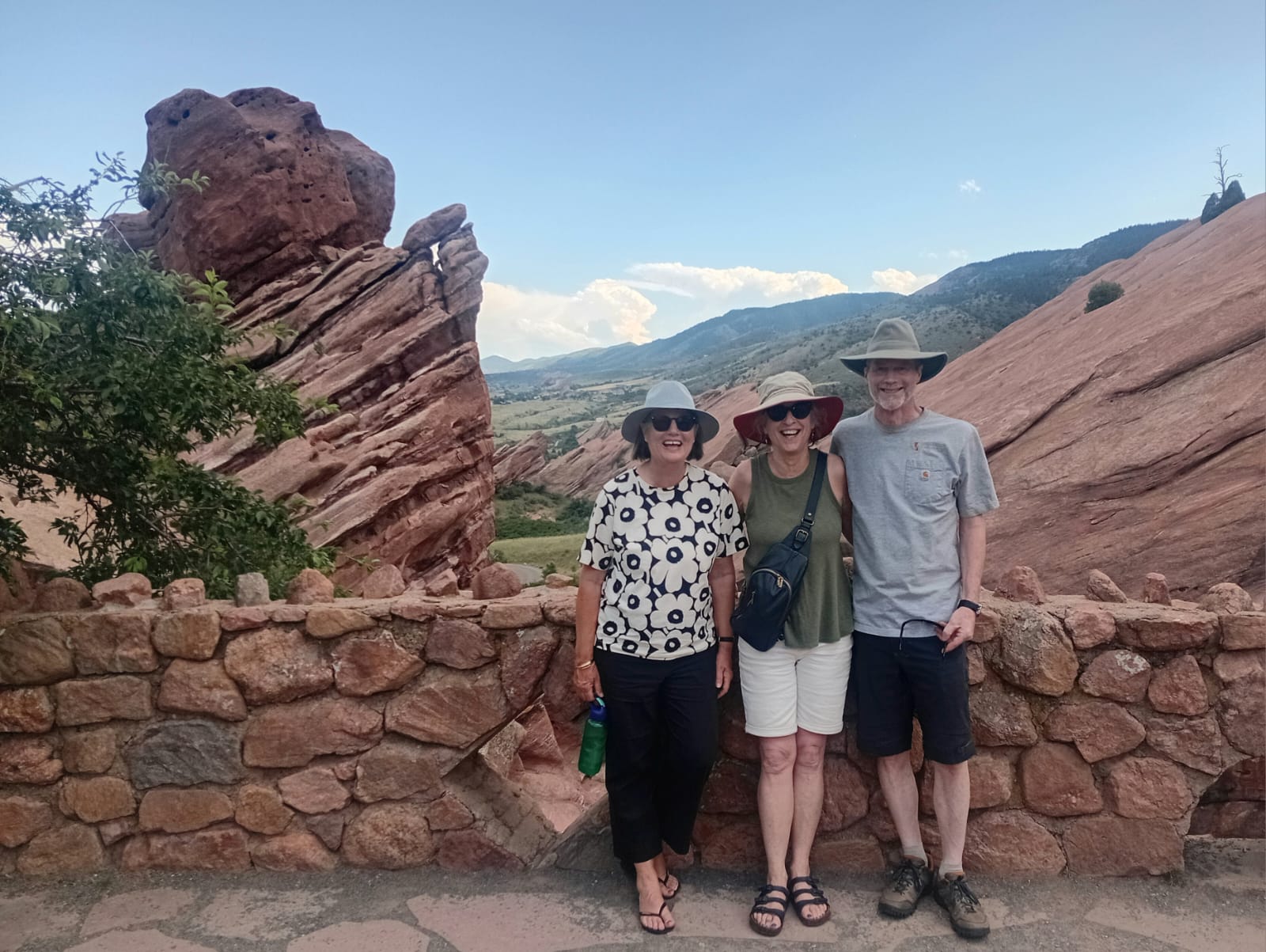
When you first cross from Utah into Colorado, you don’t notice much difference but after criss-crossing the Colorado River several times, the countryside becomes greener. As you get futher into the state, it becomes positively lush and the mountains are covered in greenery. The properous town of Aspen, its airport lined with private jets, is about as lush as it gets. From there we drove up a narrow, somewhat hair-raising, pass right through the spectacular Rocky Mountains.


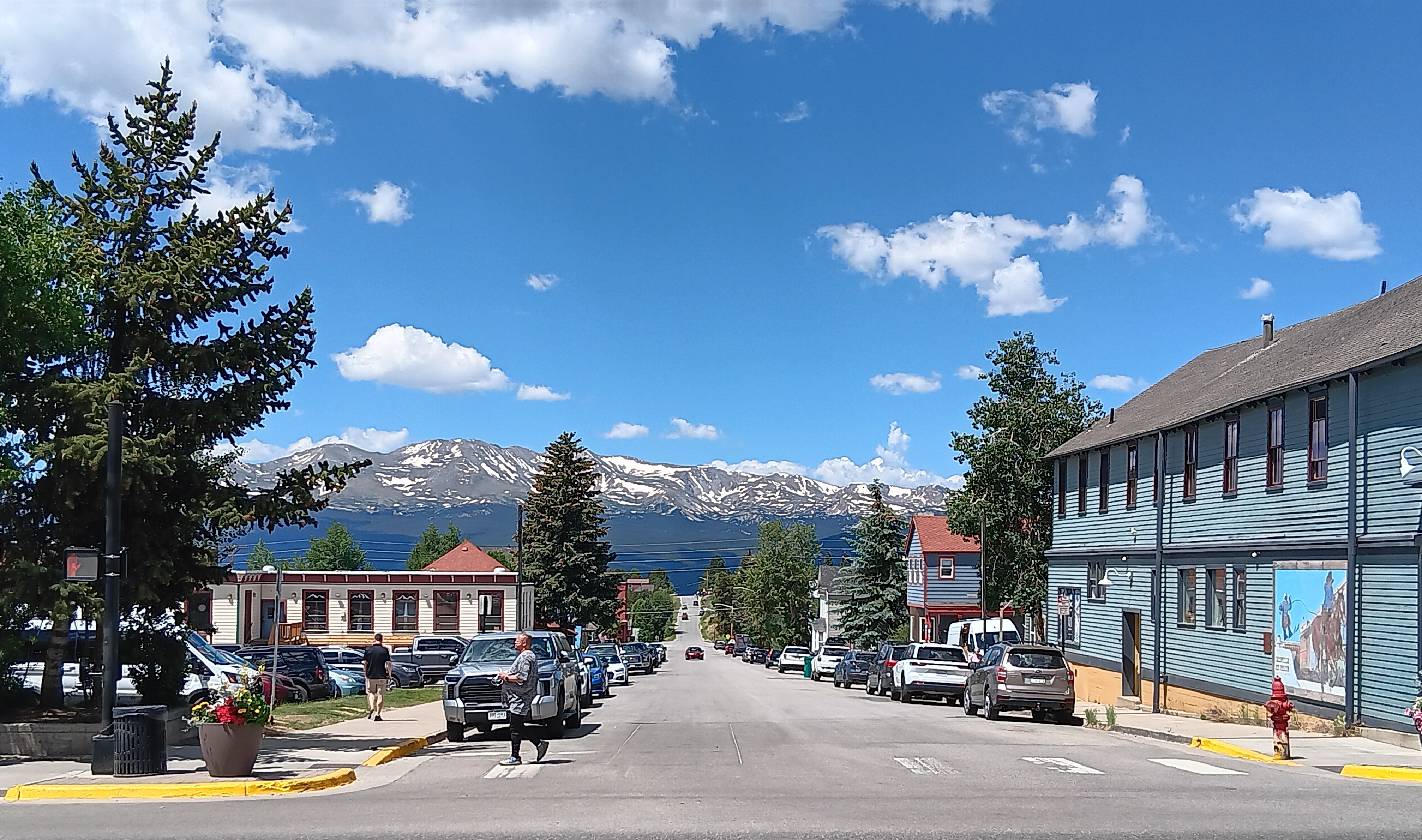
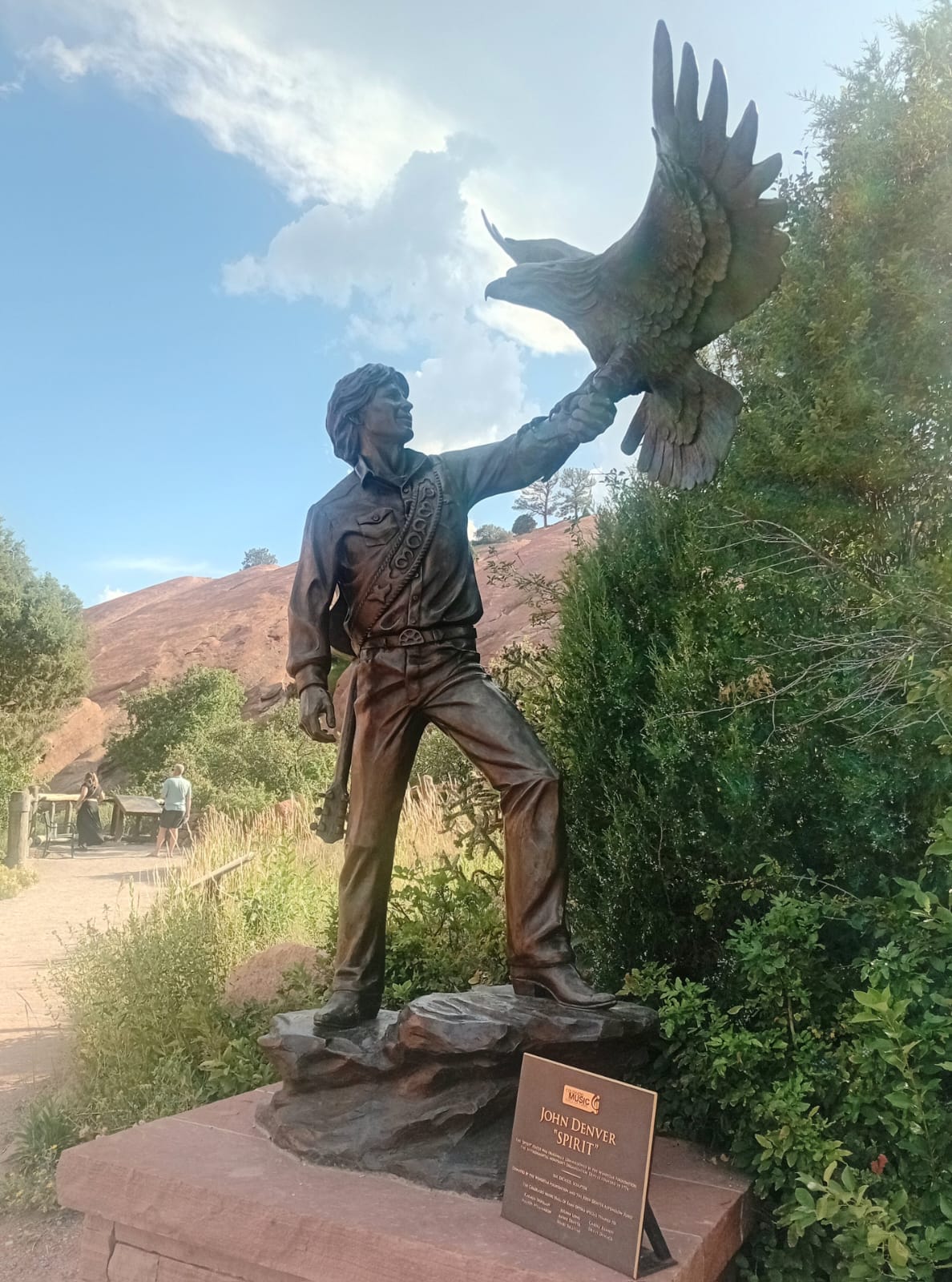
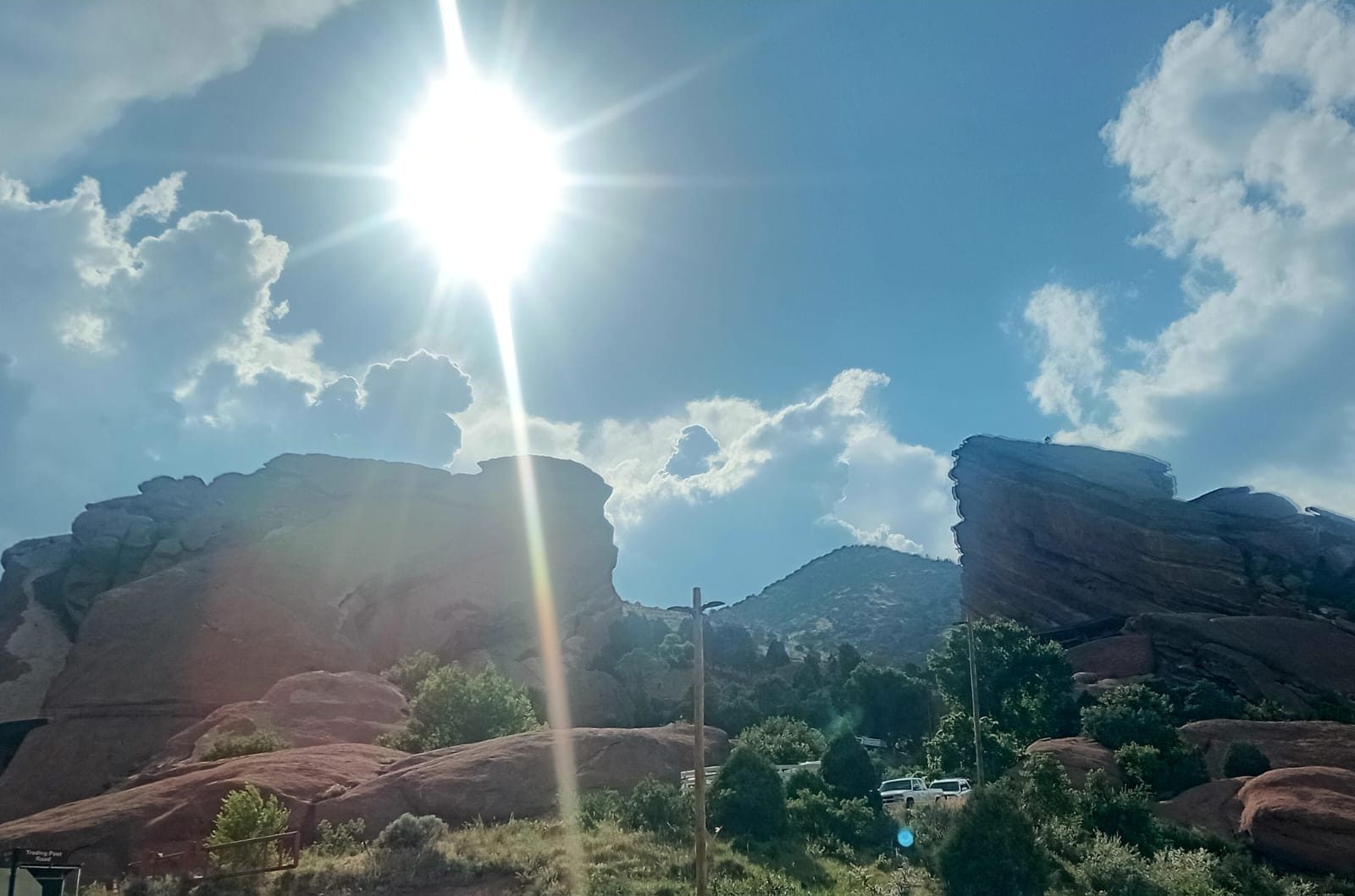
We stopped in the town of Leadville, where we had flat whites approximating what we’re used to in New Zealand, and then made our slow way into Denver in heavy traffic which was wending its way into the city after the Independence Day weekend. We stayed with good friends and it was a delight to catch up with them in their lovely Littleton house and garden. We didn’t venture downtown because of the heat. Instead we walked some of the tracks in a state park in the foothills of the Rockies, where the temperature was pleasant and the views majestic. We loved seeing the deer, squirrels and marmots feeding, seemingly unperturbed by our presence.

The driving part of our US leg was over and we returned the Jeep at the Denver airport. Jim managed driving on the right very well but we are headed for New York City where driving, at least for these Kiwis, is out of the question!

Sound and fury

One of the pleasures of living where I do now is walking along the paths that run beside the Waikato River. It is peaceful away from the roads and one is aware of the sounds of the water and the birds among the trees that proliferate along the river. But this morning as I turned onto the river path, I heard the roar and screech of powerboats racing up the river. I have never understood the attraction of going as fast as you can in a straight line – what does it signify? To quote Shakespeare, it is “full of sound and fury, signifying nothing”. It is not nothing though to disturb the peace of a Sunday morning, to say nothing of the effect on the fish and birds in and around the river. My neck tensed and my shoulders rose – the complete opposite of the relaxation a peaceful walk usually engenders. Finally, the last boat and jet ski went on their clamorous way up the river and peace descended. Birdsong could be heard, though the screech of a kingfisher now sounded like a rebuke. Coincidentally some distant neighbours had a noisy party last night that went on into the early hours. Fortunately, we are a little distance away but I felt sorry for their immediate neighbours. Why it is that certain people feel free to disturb the peace of everyone around them? I guess I’ll never know the answer but feel grateful that our neighbourhood is usually peaceful and relatively quiet.

Chance encounters

Now that we live in the city, I catch the bus to work. I was standing at the bus stop this afternoon when along came an upright, elderly man wearing a hat and raincoat. He stopped when he saw me, took off his hat and remarked on the black, threatening sky above us. I said I hoped he wasn’t too far from home given that the heavens were about to open. He said airily that he was still going to walk around the lake* and only then make his way home. He also mentioned it was his 85th birthday today. I was speechless and gave him a thumbs up as he went on his spritely way. What a good advertisement he is for the daily constitutional!

There were a young mum and dad on the bus, accompanied by their little daughter. They got off before I did and the little girl struggled to climb off the seat. “Don’t forget me, guys” she called to her parents as they prepared to alight. Of course they waited for her and she trotted down the aisle to the door. It is customary in New Zealand to thank the driver when you leave a bus. “Thanks, mate” said the dad in a blokey, friendly way. “Thanks, mate” said his daughter in her little piping voice. All the passengers on the bus chuckled.
Chance encounters like these make my day!

*the lake he referred to is Lake Rotoroa, seen here on the day balloons drifted across it.
Sounds vs noise

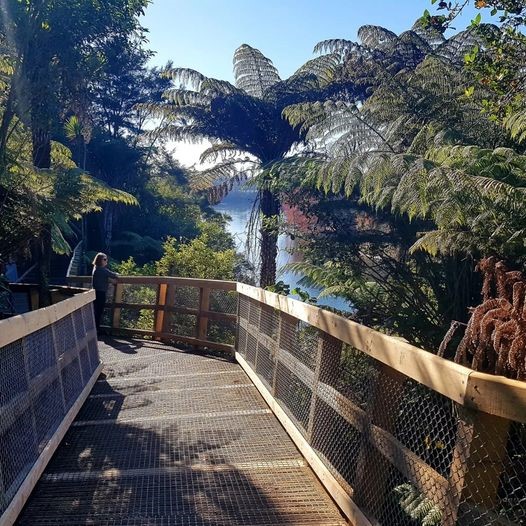
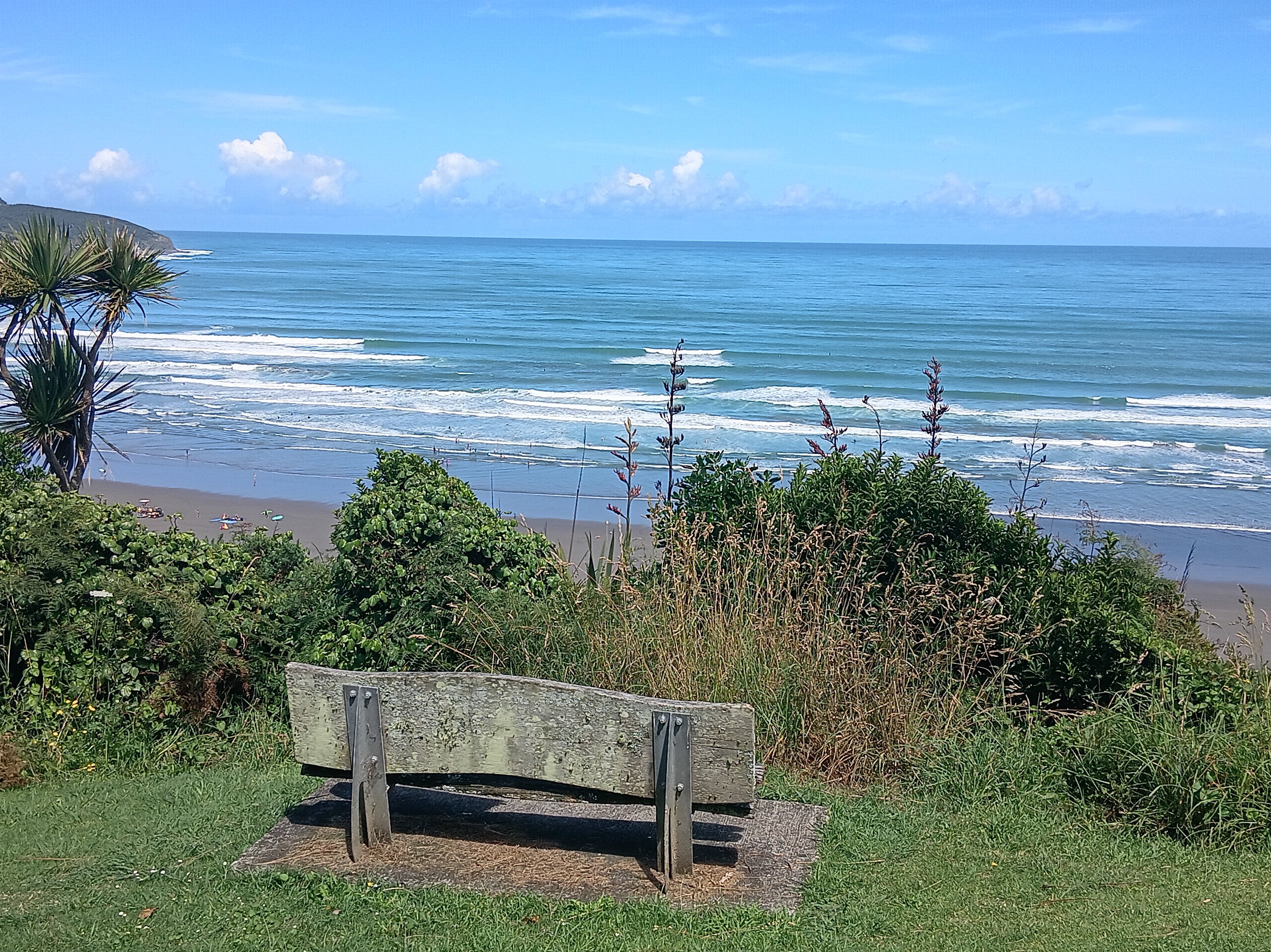
I did my favourite Raglan walk today – through the Bryant reserve, along the beach and then back to the bush track that takes me to the lookout, where I snapped the photos above. One of the delights of this walk is the sounds – the boom and crash of the waves, the cries of the gulls and the calls of the birds that frequent the bush, the sighing of the trees in the breeze – which is why I don’t emulate those who walk with headphones plugged into their ears. Most of the human activity is muted – the occasional shout of a child finding the water colder than they’d expected, people one passes on the track saying hi, the slap of a surfboard hitting a wave. But today, the high-pitched whine of several jet-skis could be heard even above the sound of the surf. They set out at speed from the Manu Bay jetty, accelerated along a stretch of coastline and then performed noisy U-turns before heading back the way they’d come. They repeated this several times, with no discernable purpose apart from going as fast as they could, making as much noise as they could. On my way back to the track I passed a couple sitting on a bench overlooking the beach far below. I have often sat there myself, enjoying the view and listening to the waves. But this couple were playing music from some sort of portable device – why is it always music with a repetitive beat and inane lyrics (she asks judgmentally)? And then there are always a few people who fail to remove their dog’s droppings, which is not noisy but noisome for others using the track. It was a relief to get to the lookout and enjoy the quiet of the bush all around, watching the silent surfers below and the silent paraglider above.

Cable Bay

On a recent visit to the top of the South Island, we went to Cable Bay for the first time. Though it was the middle of a New Zealand winter, which is often grey and rainy, we were there on a gloriously clear day, as you can see in the photograph. As we edged our way along the narrow road to the bay, we came across a couple persuading a pair of cows into a paddock – apparently the cows were in disgrace because ‘they’d already munched their way through Grandma’s garden’. When we got to the bay and parked on the shingle, we noticed two more people bundled up against the cold wind, sitting on canvas chairs holding fishing rods. Then we put on our jackets, scarves and beanies and braved the elements ourselves, walking up the steep incline to read the information board. The bay was the site of New Zealand’s first overseas cable link – via Australia – and was opened in February 1876. It revolutionised the lives of settlers who could now get a message to their families in Europe in four days, instead of the six weeks it took a letter. The cable station operated till 1917, after which it was moved to the North Island, at Titahi Bay near Wellington. I’ve just checked the track details on the DOC website and noticed an alert – the track is closed for lambing. How much more Kiwi could it be? Cows, fishing, lambs and splendid isolation!

A glimmer of hope

Oi_Raglan_1

Readers of this blog know well that Raglan is our favourite weekend getaway. We were there again last weekend and I walked through the Bryant Scenic reserve, as I’ve done often before. This time there was this notice, put up by Karioi Project https://www.karioiproject.co.nz/ – a community conservation group that is working to restore biodiversity in the coastal region around Karioi, the volcanic mountain that looms over Raglan and gives the beaches their distinctive black sand. By trapping and eliminating predators like stoats, rats and ferrets and setting up burrows, the Project has helped 22 oi chicks fledge from the Karioi coast, eight in the 2019 season. Oi are native grey-faced petrels, whose burrowing habit makes them susceptible to introduced mammalian predators. So reading this notice in this beautiful place on a sunny summer morning made my heart lift. Good things do happen, even though it may seem as if they’re very few and far between!