Roman remains

Wherever they found springs, the Romans established towns complete with baths, roads and, in some cases, aqueducts. This was true in Bath and also in cities we’ve visited in Germany. The soaring towers of the Cologne cathedral are awe-inspiring indeed but the Romans were there long before Archbishop von Hochstaden laid the foundation stone in 1248. Called Colonia Claudia Ara Agrippinensium, it was an important city on the Rhine and there are still Roman remnants dotted around the city.

The cathedral was finally completed in 1880. It is a Gothic masterpiece that was planned to house the reliquary of the three wise men and as a fit place for the Holy Roman Emperor to worship. It remains the seat of the archbishop of Cologne. Its spires are over 150m in height and wherever you walk in the city, you can see them soaring above the other buildings.

The city of Aachen is on the site of the Roman settlement of Aquae Granni, so called because the spring there was dedicated to the god Grannus. The smell of sulphur lingers around the city centre, which is picturesque with its cobbled lanes and wide squares. We sat down for an iced coffee in one square and were presented with a dessert – the glass was almost filled with ice cream with a token amount of coffee poured in!

At the heart of the city centre is the cathedral, which is much smaller than the one in Cologne and built in a different style much earlier, around the year 800. It is the burial place of Charlemagne and is constructed around on octagon. The decorations inside are muted and reminiscent of the Byzantine churches in Istanbul. The cobbles of the lanes and squares are dotted with brass plaques that have Charlemagne’s monogram embossed on them. The story goes that he was illiterate so his administrators had a template made to which he could just add a line to complete his signature.

For someone who lives in the antipodes, it is thrill to visit cities that began in ancient times and to marvel at the glories of their medieval pasts. The locals, however, live modern lives among the splendour and one sees them whiling away the summer evenings along the banks of the river or in a town square with their families and friends, taking it all for granted. It seems incomprehensible that they should walk straight past the cathedral and not even break their stride.
An uneasy history

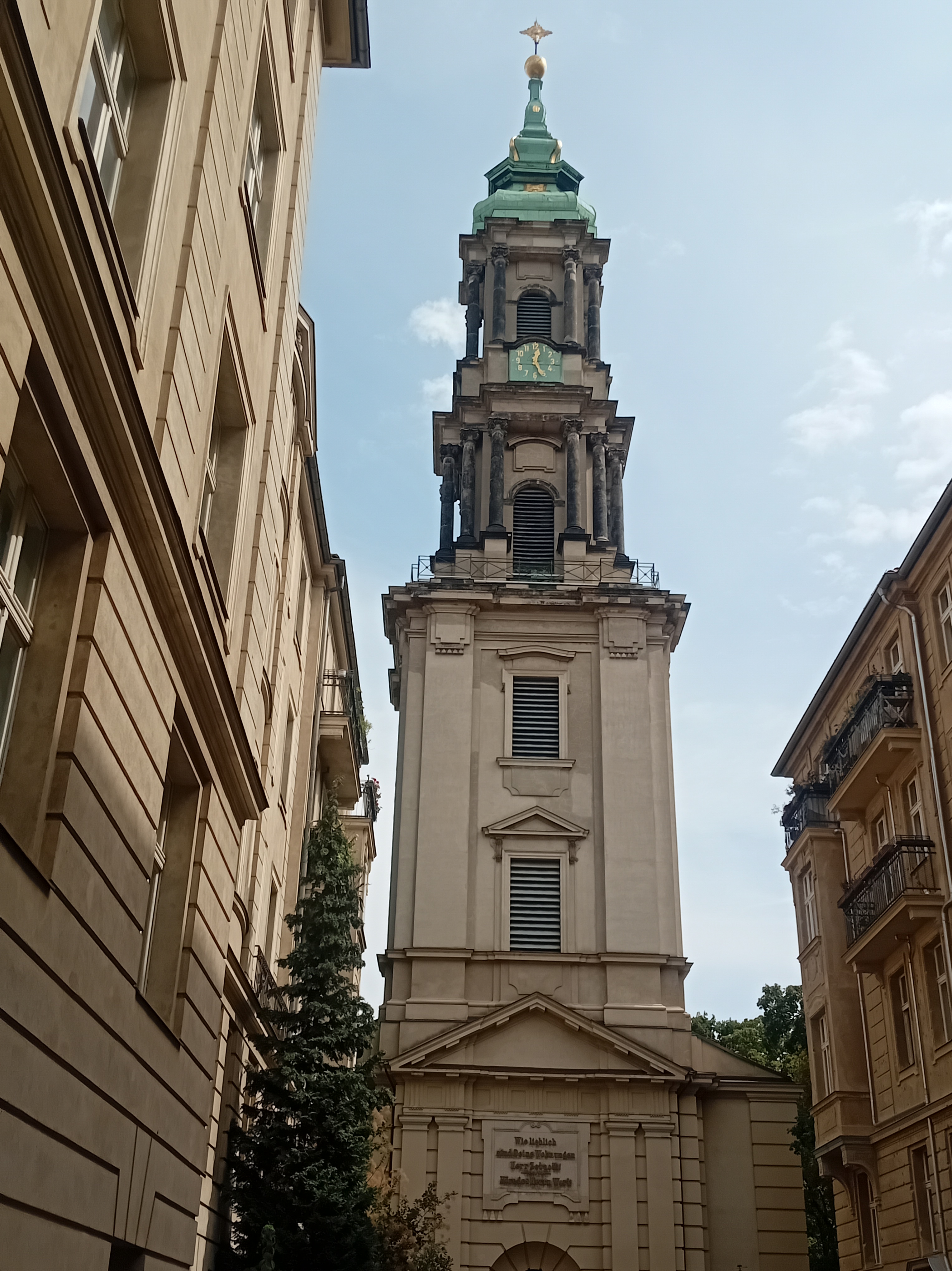
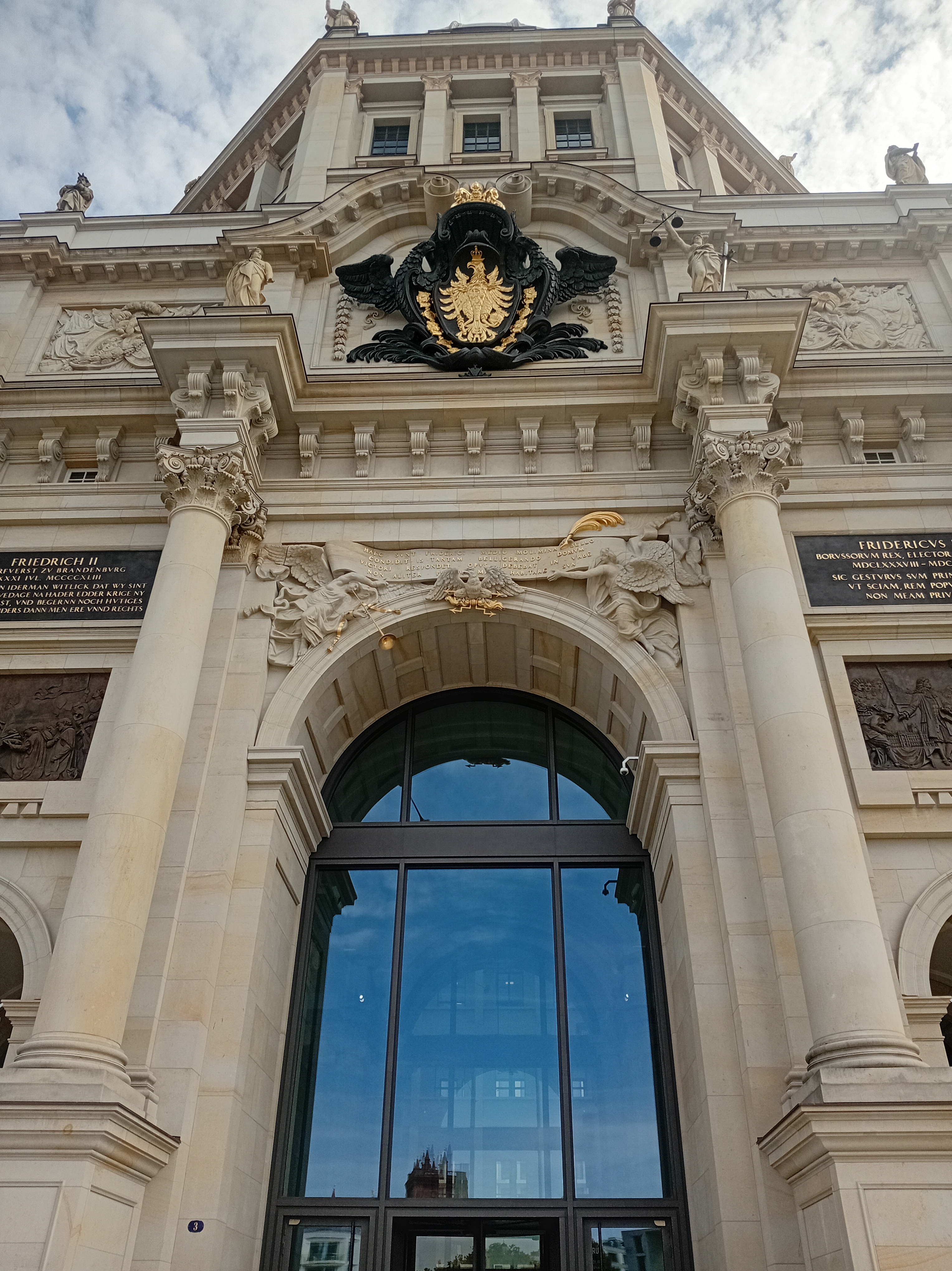
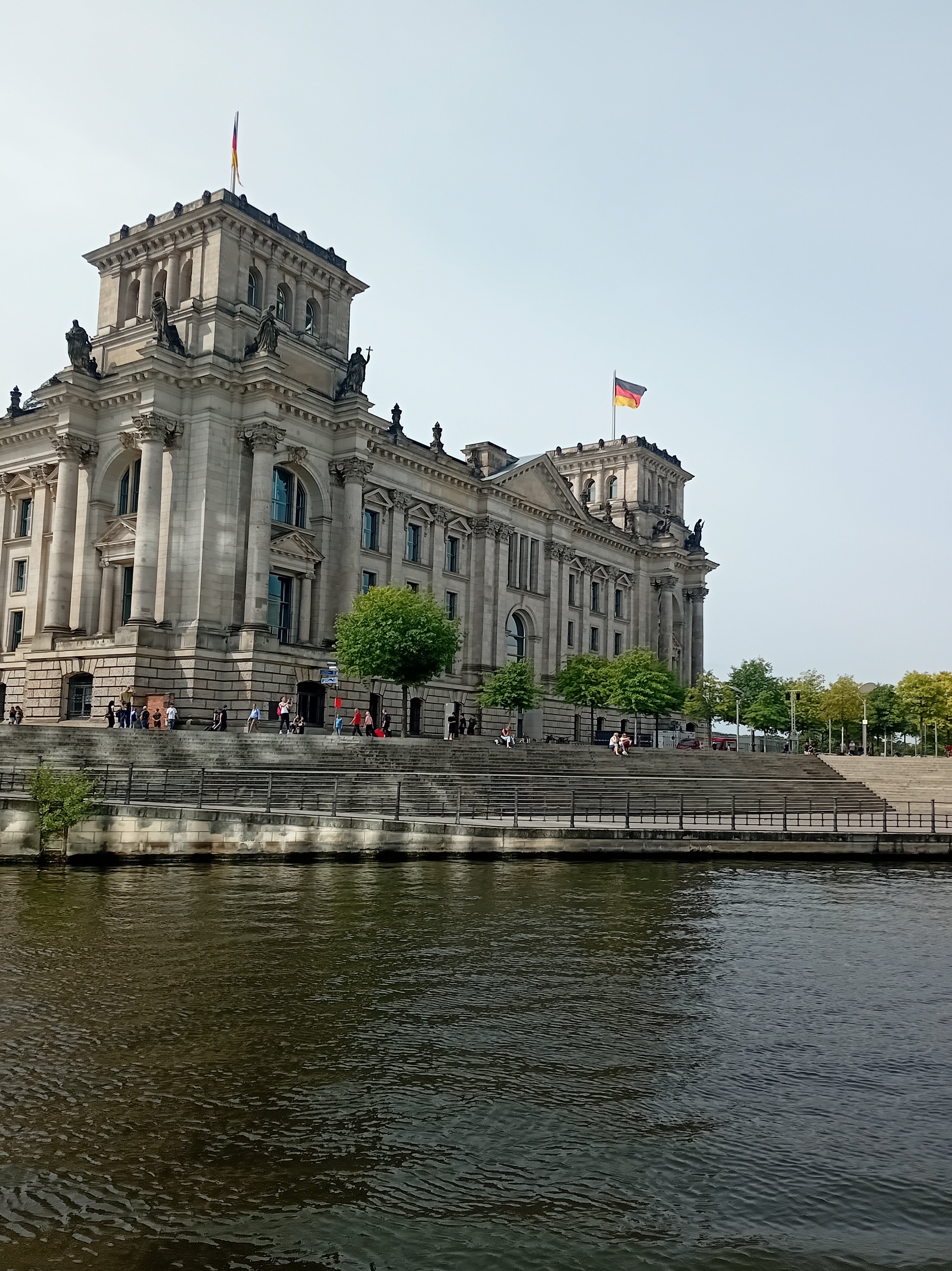
Berlin has a long, complicated history, stretching back more than 780 years. Yet it is a thoroughly modern city, largely because of the extreme destruction it experienced towards the end of the Second World War. Some of the older buildings have been restored in their original form but there are many modern structures, particularly in the area that is home to the federal government and chancellery, so there is an interesting juxaposition of old and contemporary architecture. Many of the buildings were also constructed on a grand scale. Walking around Museum Island, one is overawed by the dimensions – soaring columns, huge statutes and fountains, massive entrances and very high ceilings – of the five museums that are built on an island in the Spree River, accessible by bridges.

The river is an active part of the city and we took a pleasant and informative ferry trip along it. The extensive Tiergarten is a green oasis in this bustling city and performs the same function as Central Park does in New York City. The public transport is amazing and you can get around very easily by tram, bus or underground. A daily ticket will allow you to use all three.

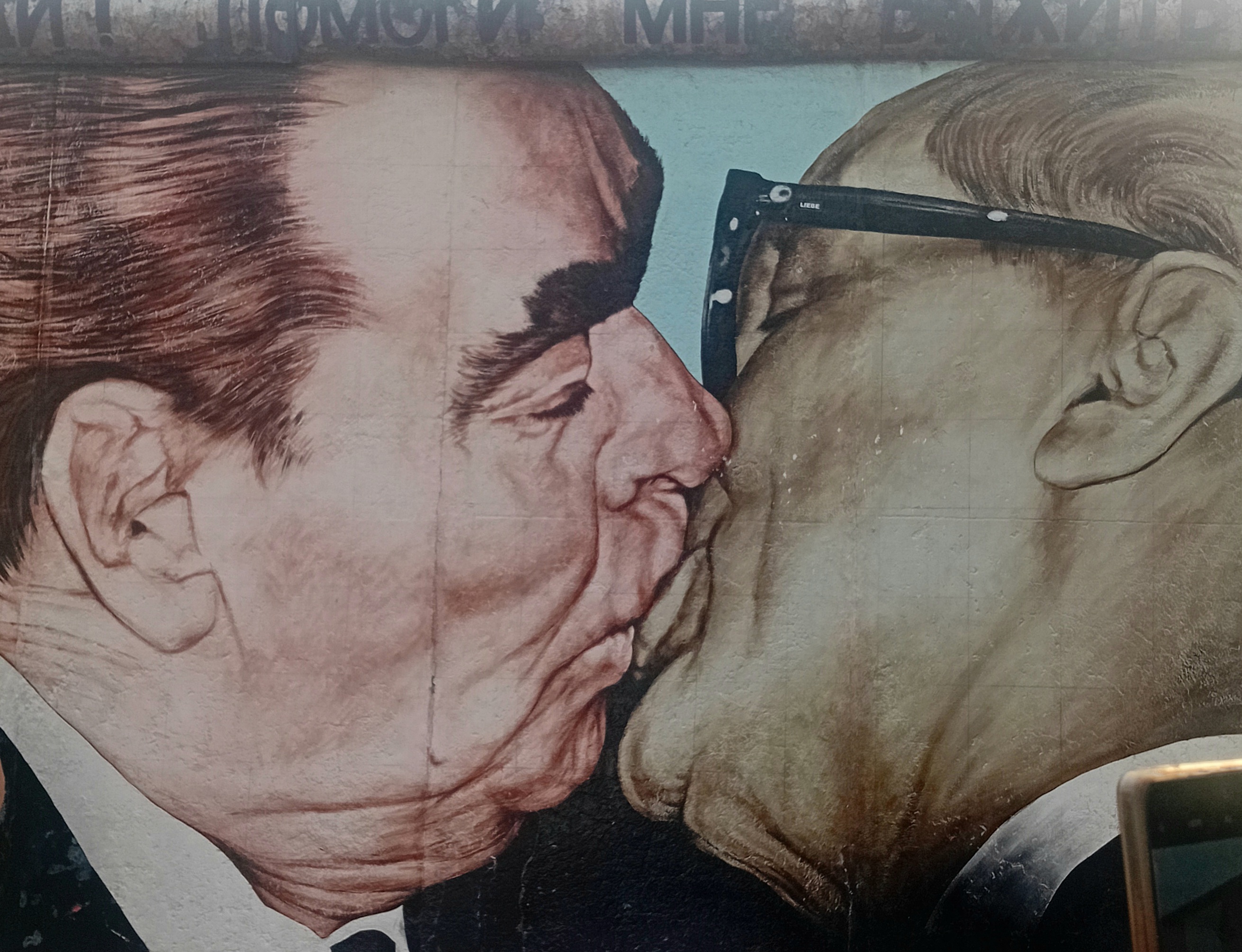
Berlin was a divided city from 1961 to 1989 and the East Side Gallery preserves what is left of the Wall. It is covered in interesting art by various artists from around the world, none more (in)famous than the Dmitri Vrubel painting of Brezhnev and Honecker in an embrace. It’s sobering to remember the chilling effect the Wall had on the people of Berlin, separating families and causing at least 140 people to lose their lives attempting to escape, and on the Cold War world. At a former border crossing point between East and West Berlin, at the Friedrichstrasse station, you can still see the Tranenpalast (Palace of Tears), so-called because of the many tearful partings between East German residents and western visitors that took place there.

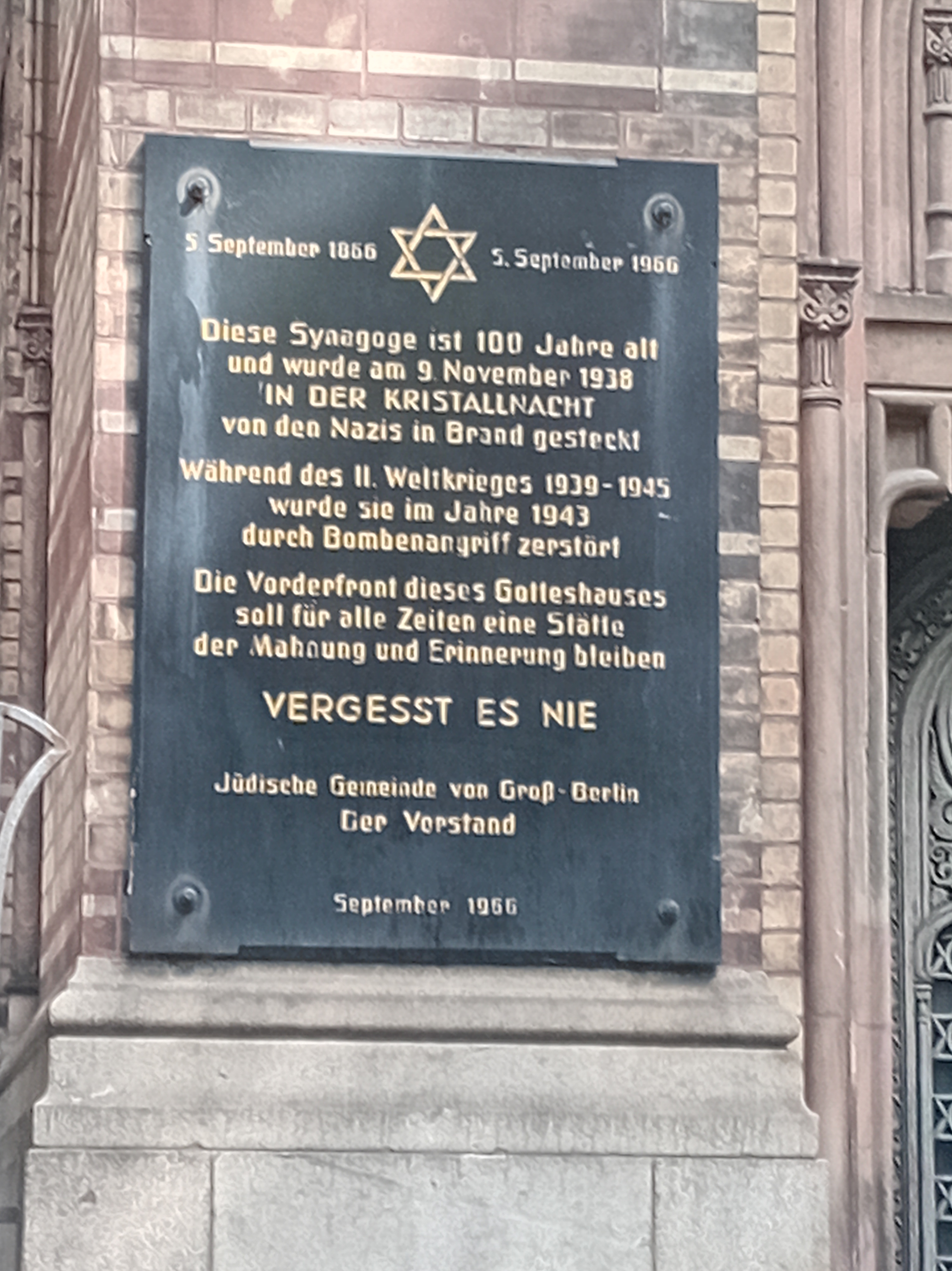
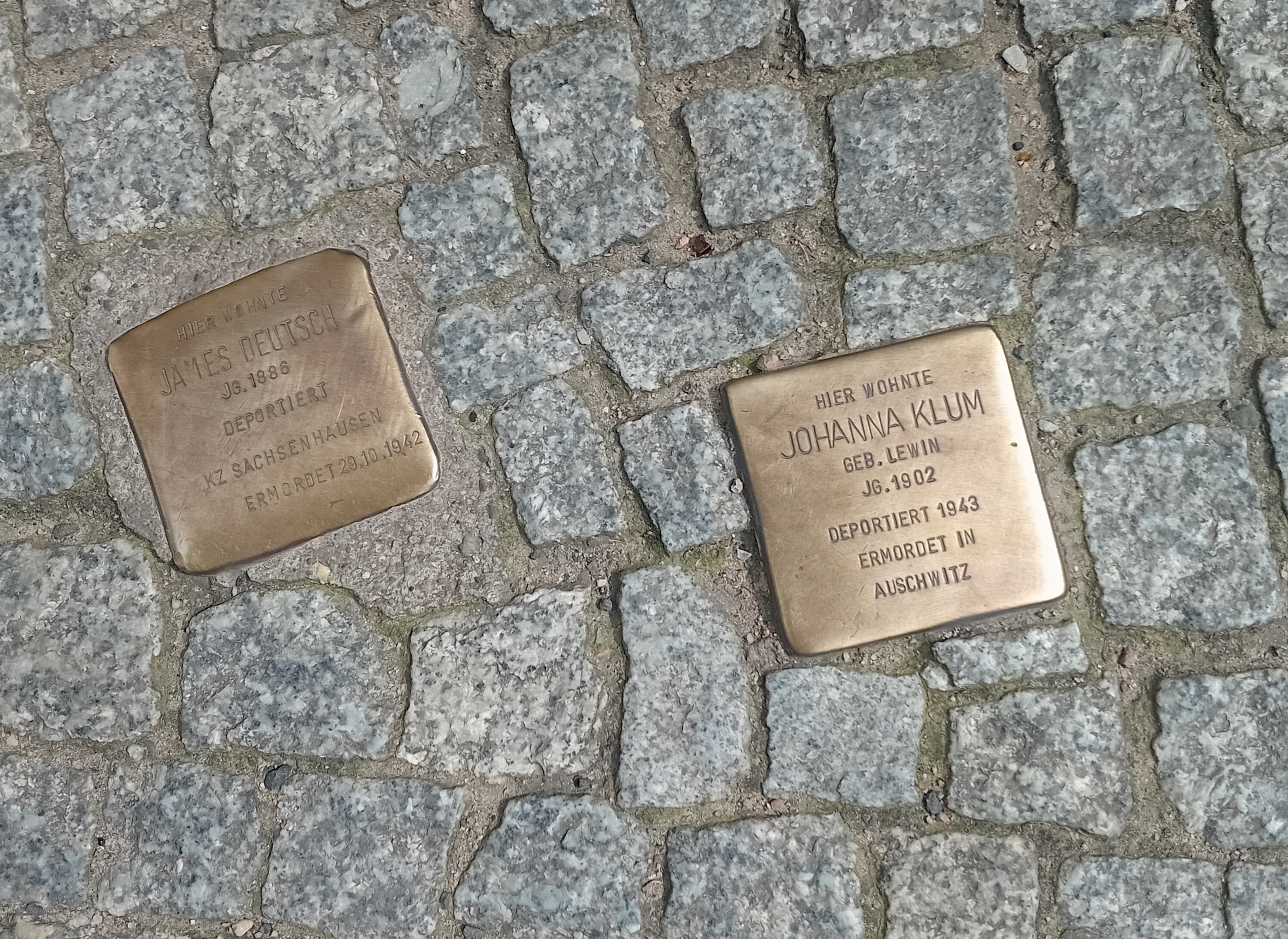
Berlin’s dark past is also evident in the pitted walls caused by small arms fire in the last ditch battle for the city in April/May 1945. But it is the numerous stumbling stones dotted around the cobbled streets that are the most poignant reminders of all. “Here lived Johanna Klum … deported 1943, murdered in Auschwitz”.

Our accommodation (a comfortable and spacious hotel apartment) was in the vibrant Mitte district, in which there are numerous funky stores, art galleries, restaurants and bars. On our last evening, we enjoyed a drink in a quaint courtyard cafe run by charming Vietnamese Berliners. We had a chat to the two young women sitting at the next table. They were Turkish-born, US-educated Berliners, who spoke impeccable English. The Mitte is cosmopolitan, modern and representative of present-day Berlin.

Across the Tamar …

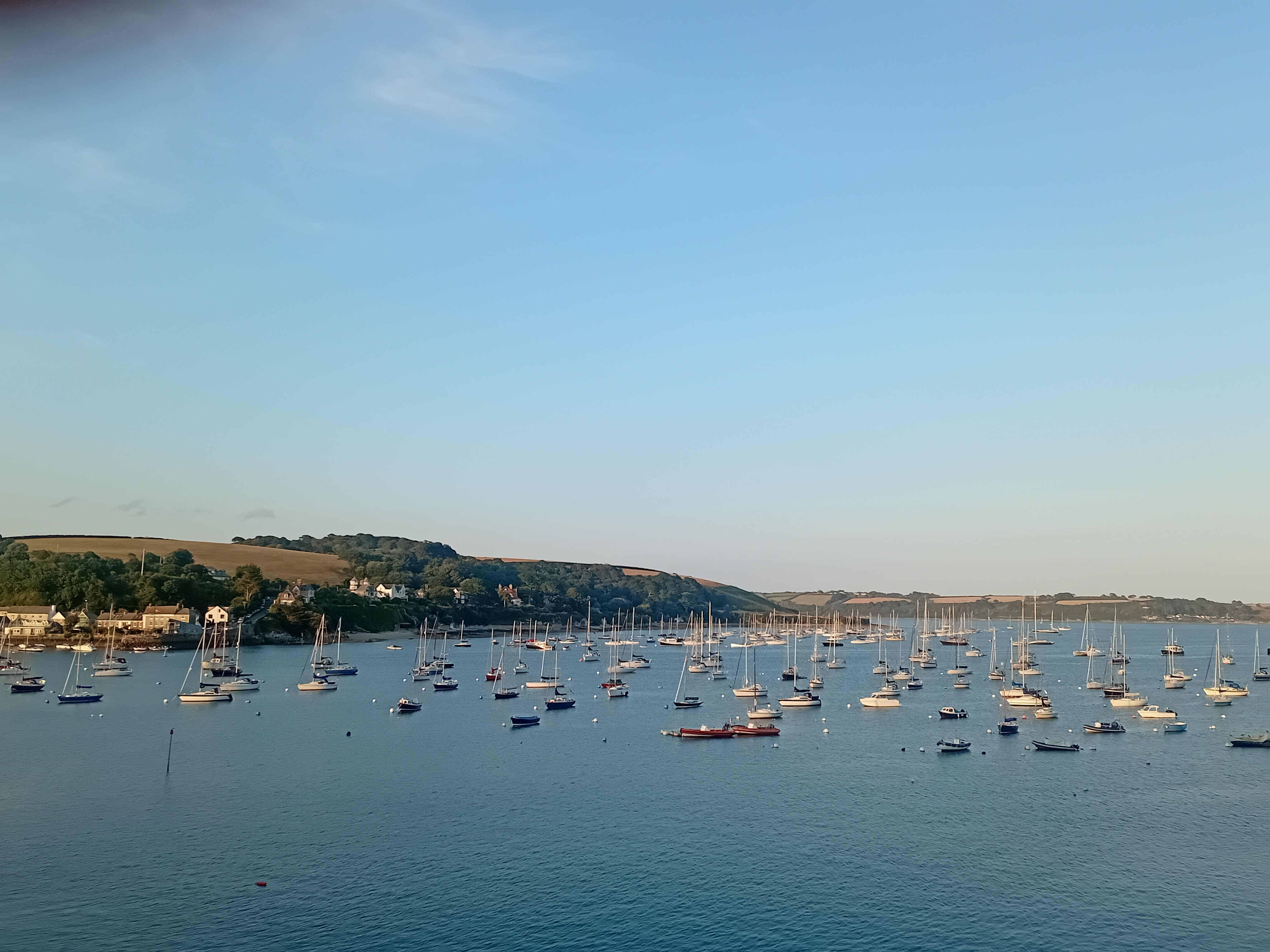
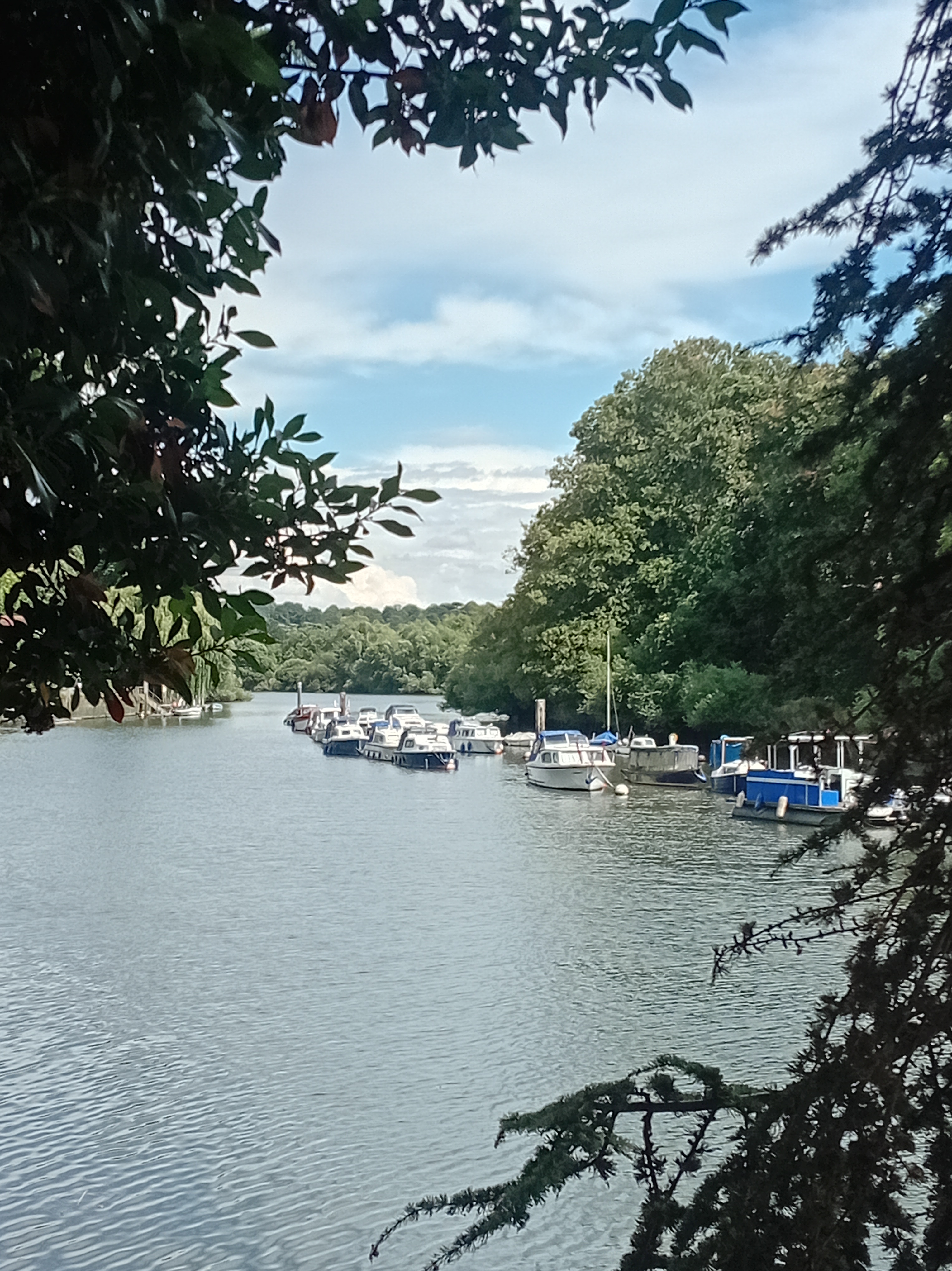
… lies the beauty of Cornwall. Once again because I have read so much about it, I felt like I knew it, despite never having been there. Our accommodation was beside the harbour in Falmouth where hundreds of boats are moored and you can watch the ferries coming and going. One drizzly morning we took a ferry up the Falmouth and Truro rivers as far as the tiny hamlet of Malpas. It was magical in that light – the dense foliage that grows down to water level was reflected in the green of the river. There were glimpses of stone cottages, some of which housed smugglers back in the 18th century, and grand houses, the grandest belonging to Lord Falmouth, who still owns all the land you can see on both sides of the river. In one bay there is a pub that dates back to the 13th century and we had delicious fish pie there one evening.

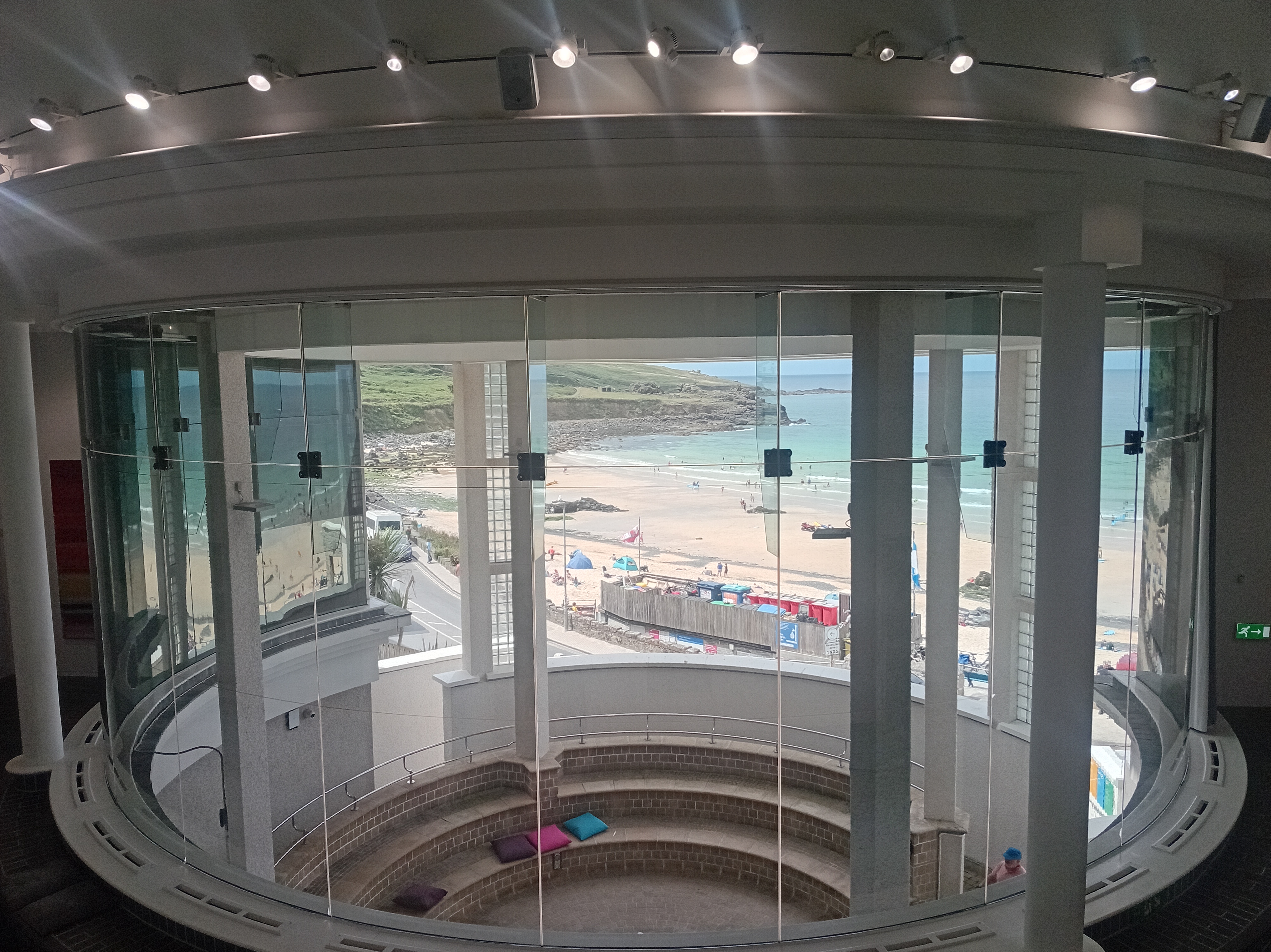
We visited St Ives on a glorious day when the sun glinted off the turquoise sea and holidaymakers thronged the beaches, cafes and ice cream shops. We enjoyed exploring the narrow, winding lanes of Down-along and went into some of the numerous art galleries that are dotted around the town. The jewel in St Ives’s crown is the Tate – a spectacular building housing interesting art.

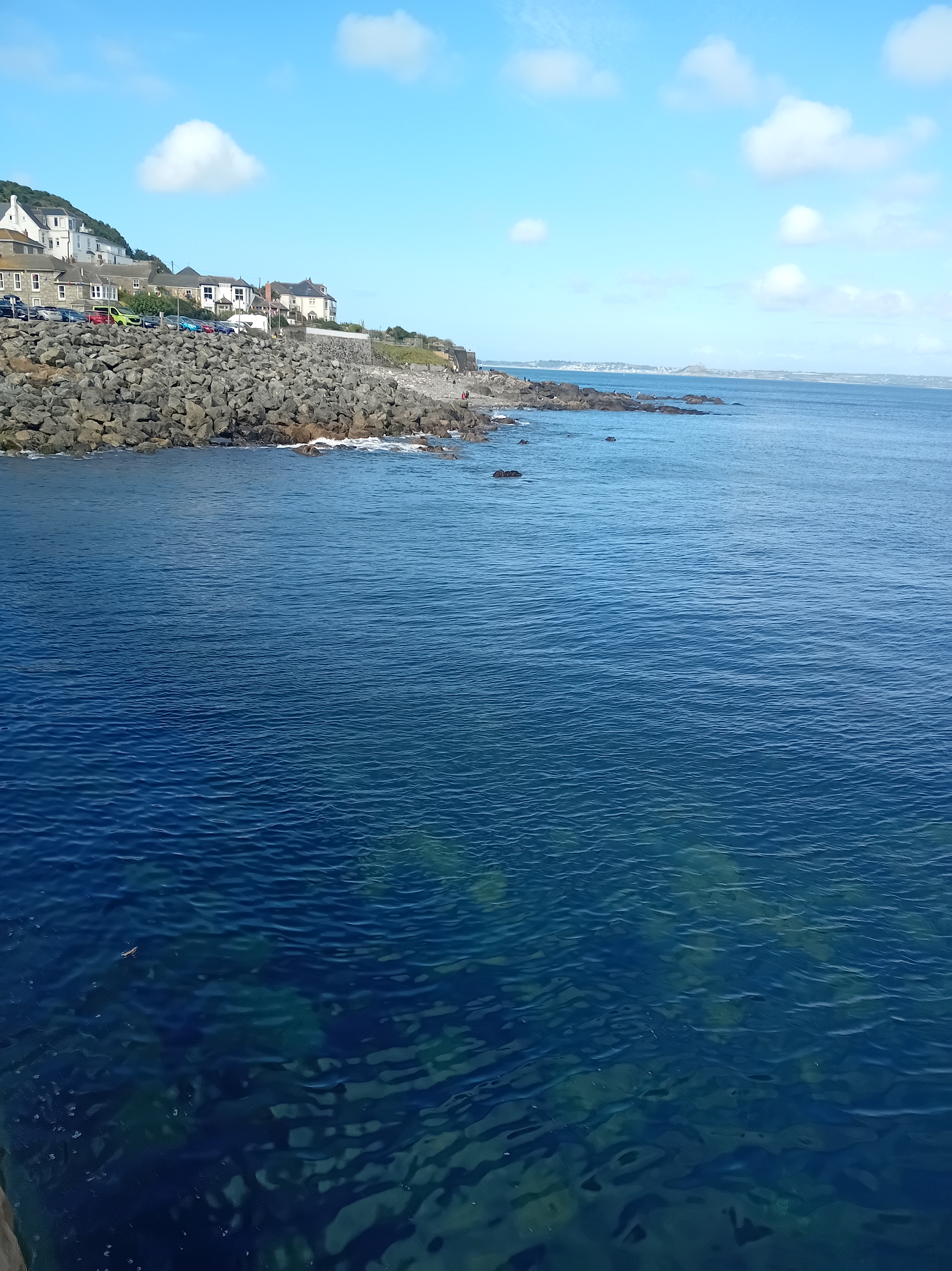
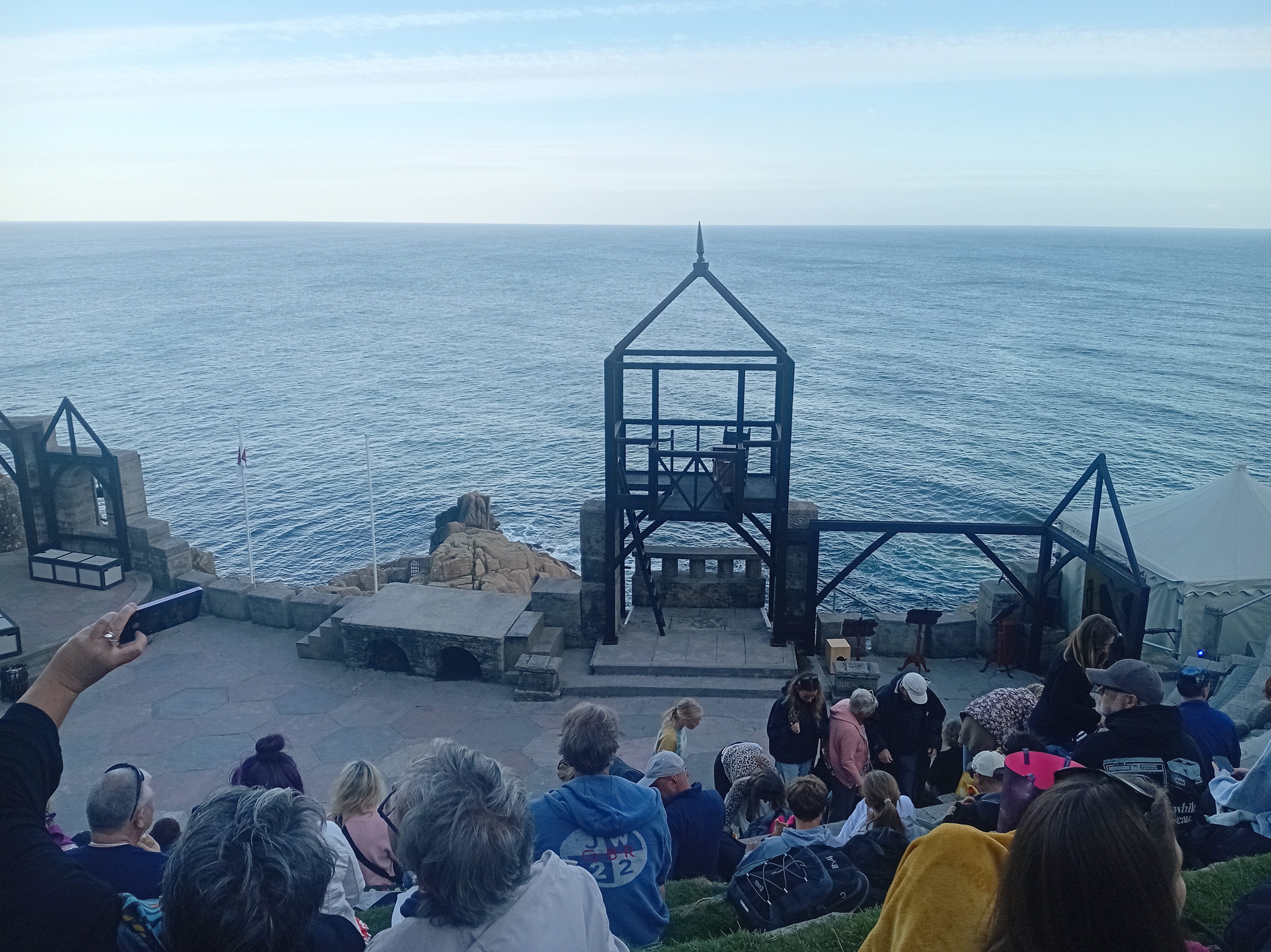
We also drove to Penzance and onto the charming town of Mousehole, with its quaint walled harbour and meandering lanes. Further along the coast is the Minack Theatre perched on the cliffs overlooking Porthcurnow beach. We enjoyed a performance there as the sun sank behind us, not sure whether we were more captivated by the actors on stage or the vista beyond it – darkening sea, rising moon and even a white-sailed boat moving gracefully through the scene.

Most of the tourists we encountered were from other parts of the country, with a smattering of Dutch and German visitors. Every English family it seems travels with their dog/s. There are dogs in hotels, in restaurants, on beaches, everywhere. On one train trip an imperious young woman with a large dog commanded us to move from our seats in order to give her dog more room – we did not comply!

Bath is pleasant enough …

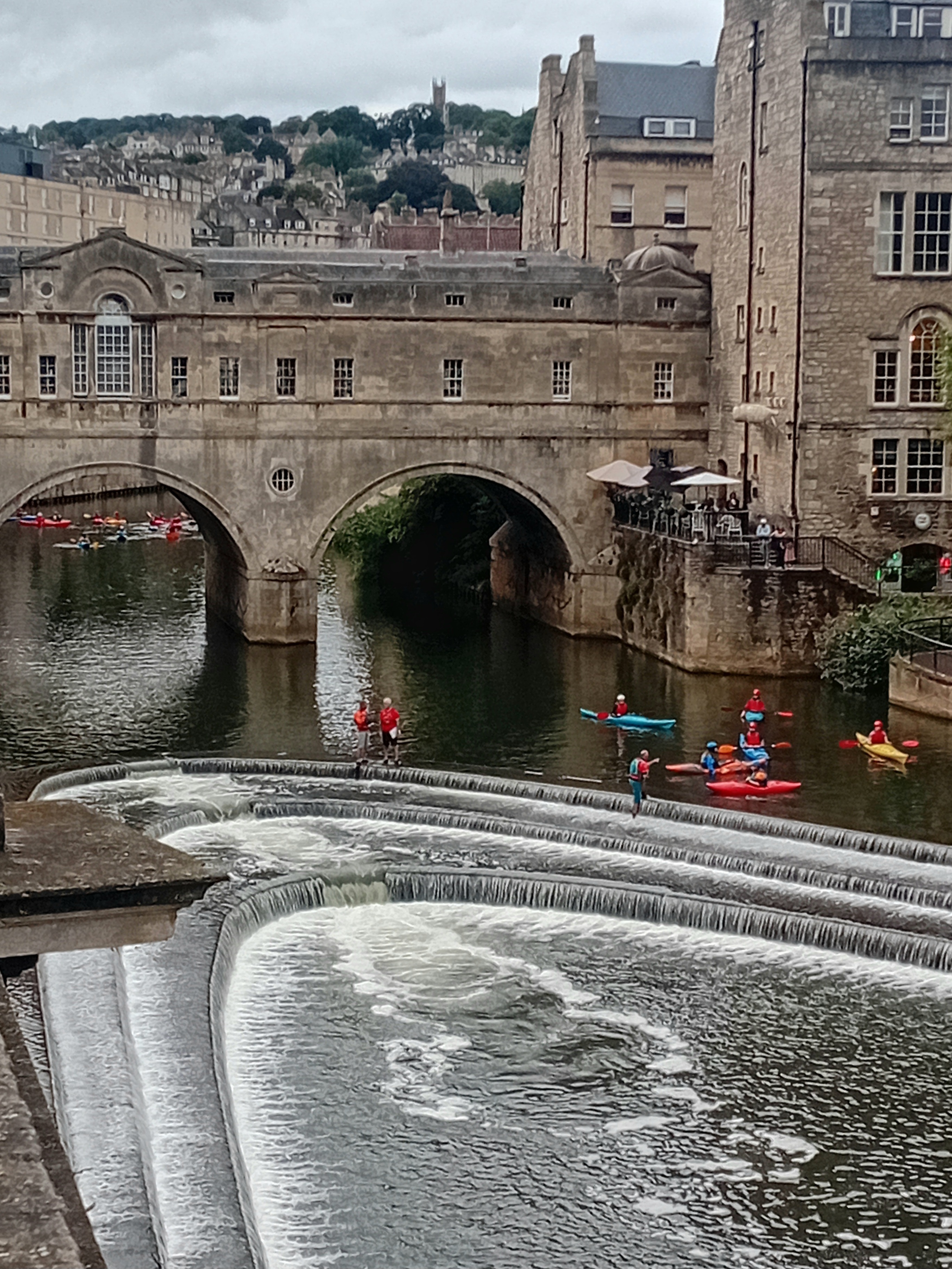
said Jane Austen, adding that after six weeks, she’d had enough. We were there fewer than six days but found it more than pleasant and can fully understand why it is regarded by some as the most beautiful city in England. The rows of Georgian terraced houses made from Bath stone, the wide pavements along the grander streets (called parades) and the narrow cobbled lanes, the Avon River and the shady parks make it a desirable destination.

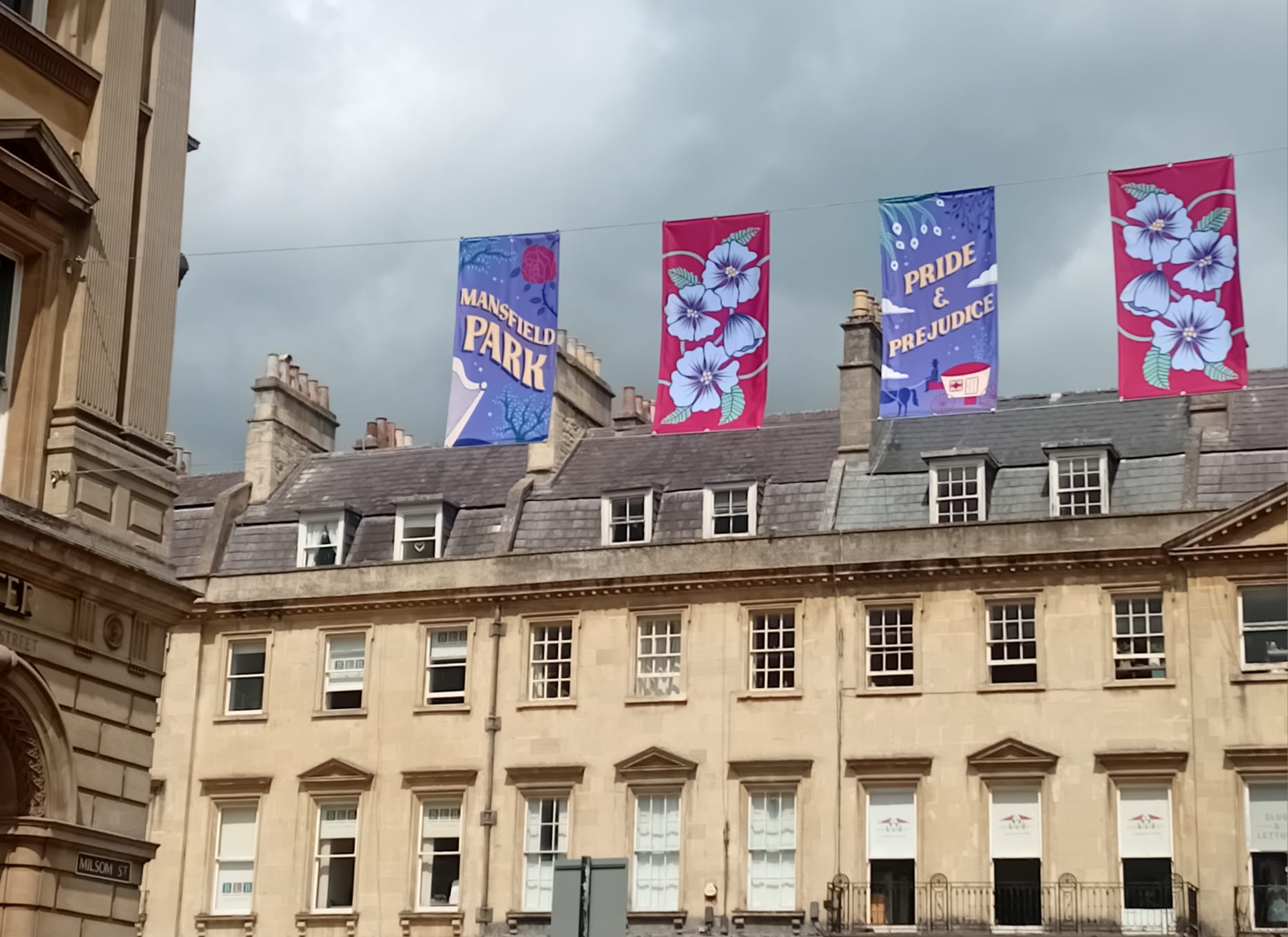
Bath glories in its Jane Austen connections. Although she only lived there from 1801 to 1806, she set two of her novels in the city – Persuasion and Northanger Abbey. 2025 is the 250th anniversary of her birth and Bath is celebrating, no more so than at the Jane Austen House, where one is met by people in Regency clothing and can get an idea of what a house was like in the Regency period. One can even view a life-size wax model of the author. But it is in walking along streets and through parks she mentions in her novels and letters, that you really get a feel for what it was like when she visited and conjured characters like Catherine Morland and Anne Elliott.

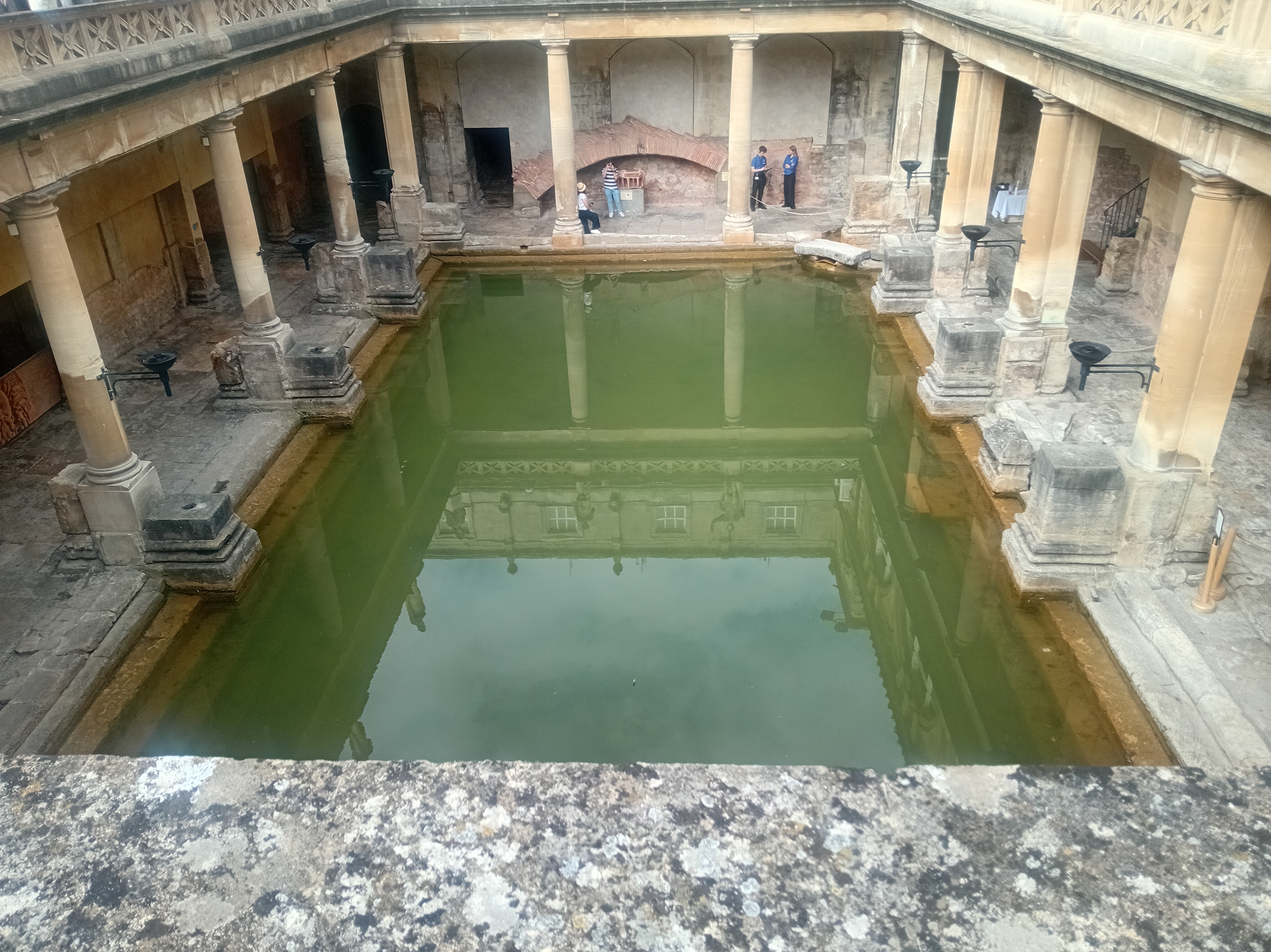
Bath is also ancient. The Romans established the settlement of Aquae Sulis and had an extensive network of publics baths using the hot water springs that still bubble up. They also built a temple dedicated to the goddess Minerva and the owl associated with her proliferates in tourist shops in the form of soft toys or cast statuettes. The oldest house in Bath, dating back to Roman times, is where the Sally Lunn’s bakery and shop is now. We bought a Bath bun there and enjoyed it toasted for breakfast in our attic apartment, which we walked up four flights to access. Getting our bags up there when we first arrived was a mission!

Another treat for this bibliophile was a long browse in the small but excellent Persephone Books. Having for many years subscribed to their newsletters and been gifted some of their beautiful books, it was a thrill to be there in person. Yes, Bath is indeed pleasant enough!

Green and pleasant

The English countryside is wonderfully pleasant to travel through. We’ve done train trips to Lewes in East Sussex, Wivenhoe in Essex, Oxford and Reading in Oxfordshire and are now in Bath. The views from the train are of densely green hedgerows, golden fields of wheat, meandering rivers and the occasional church spire. Our friends have taken us on walks along rivers, through woods and villages, churchyards and high streets. I keep saying in my head “It’s so English”, which is nonsensical but also true. It is the England of countless poems, novels and films, so that even if it’s a first visit, one feels one knows it.

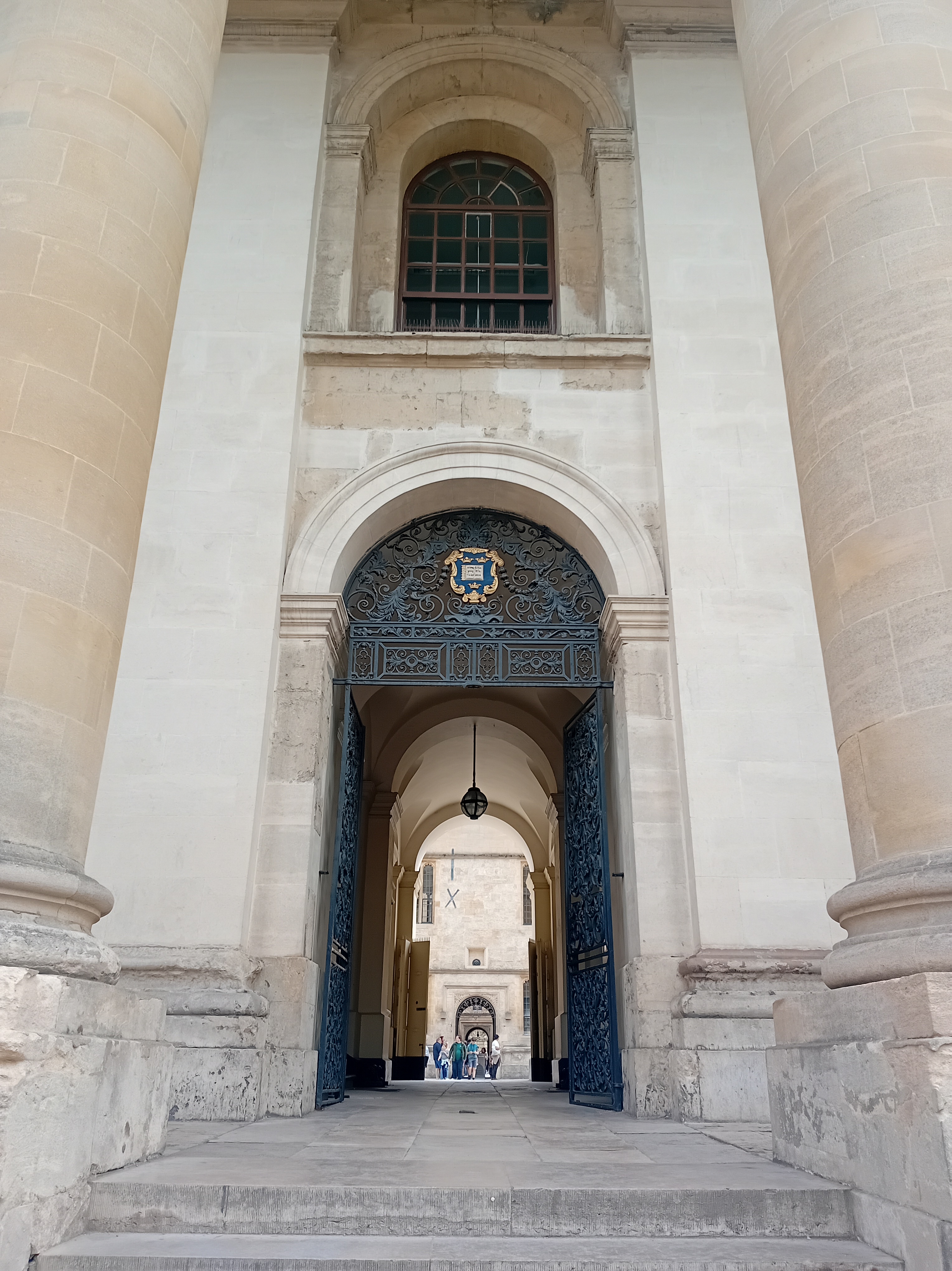
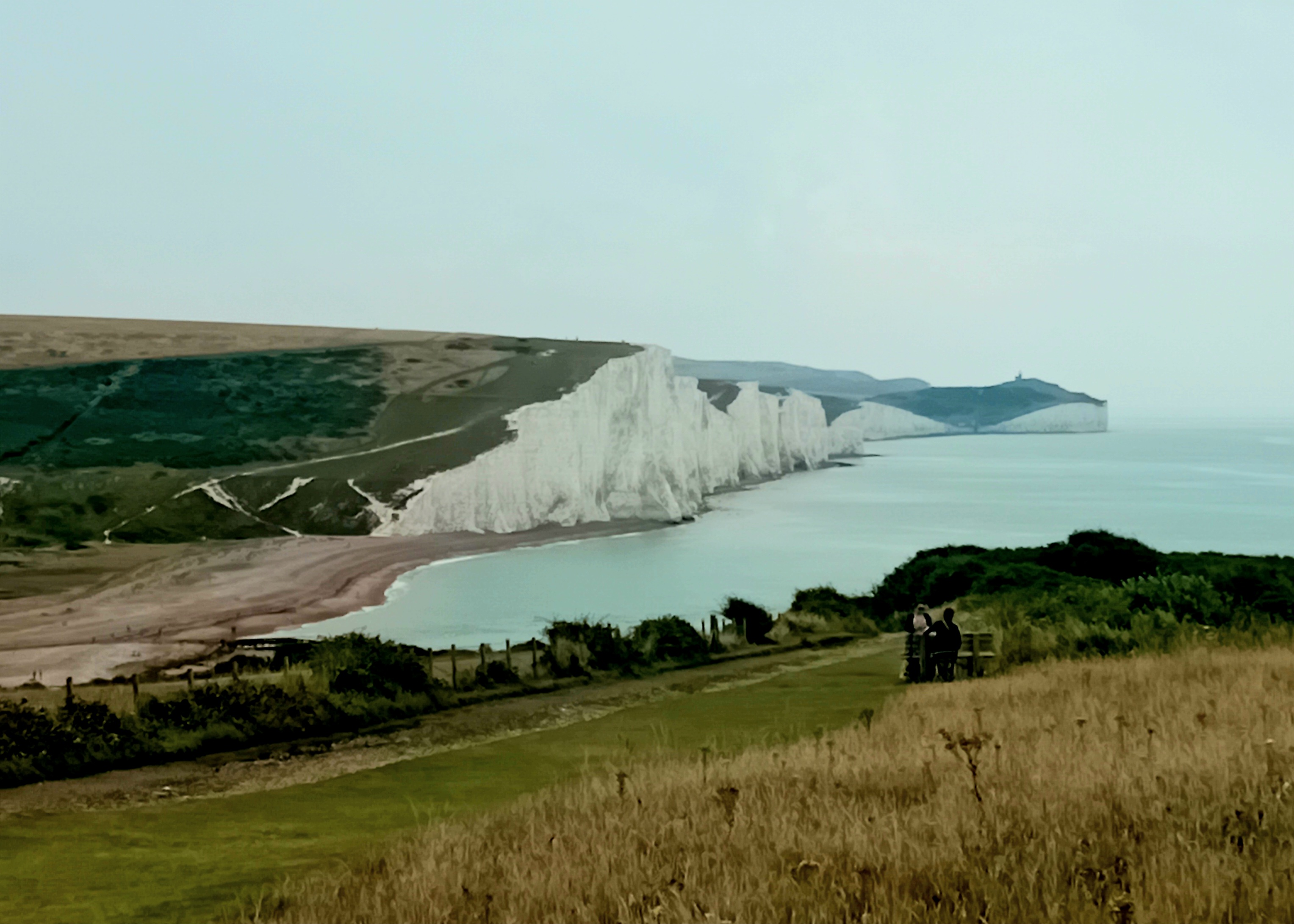
But there is also the spectacular. One gazes at the undulating South Downs and then is confronted with the stark white chalk cliffs along the English Channel coast in East Sussex. One takes a train to Bath through benign countryside only to be amazed by row upon row of immaculate Georgian terraced houses and the 2000-year-old baths of the settlement the Romans called Aquae Sulis, where they also erected a temple dedicated to the goddess Minerva. To say nothing of Oxford’s “dreaming spires”…

This is London

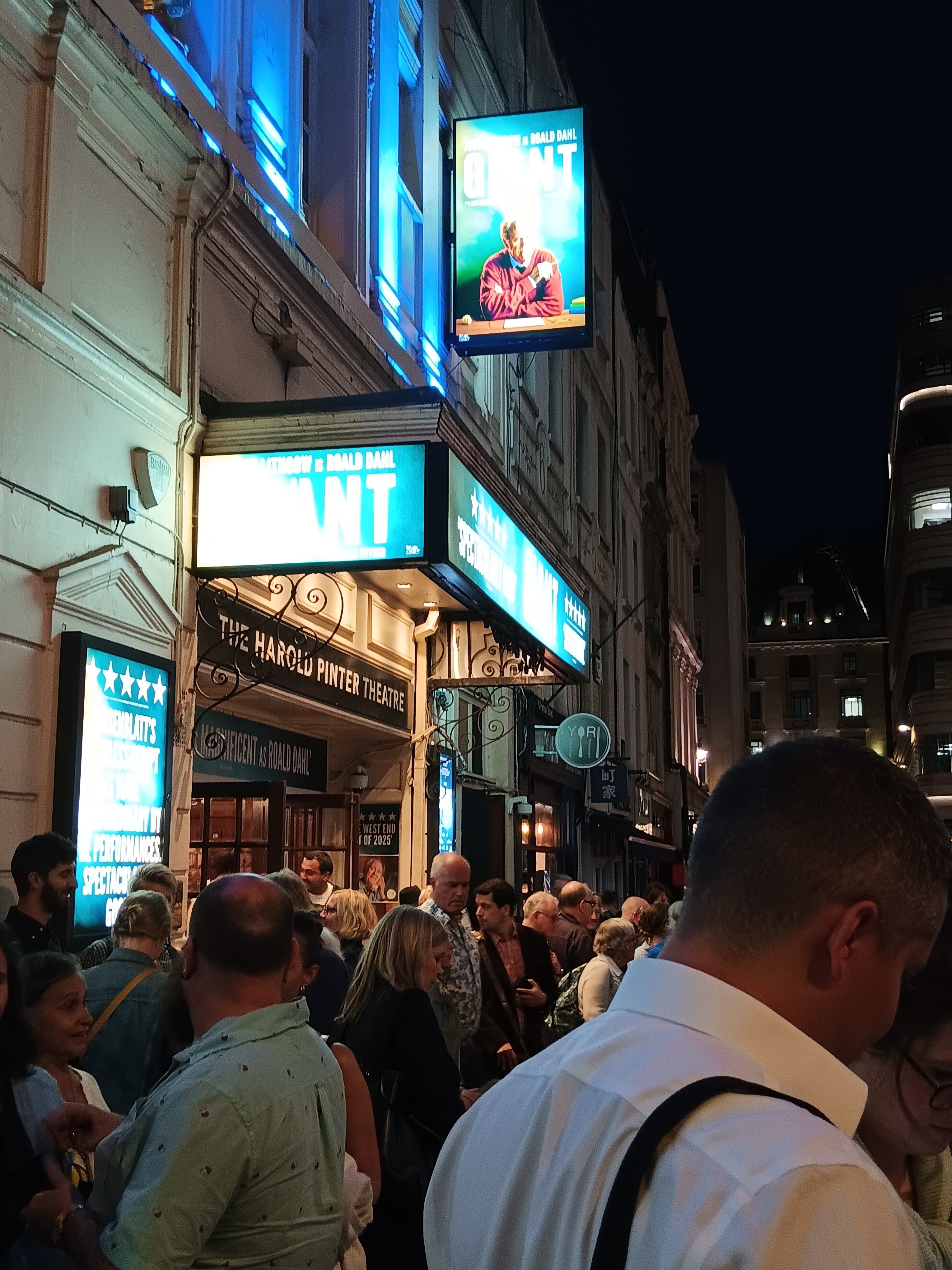
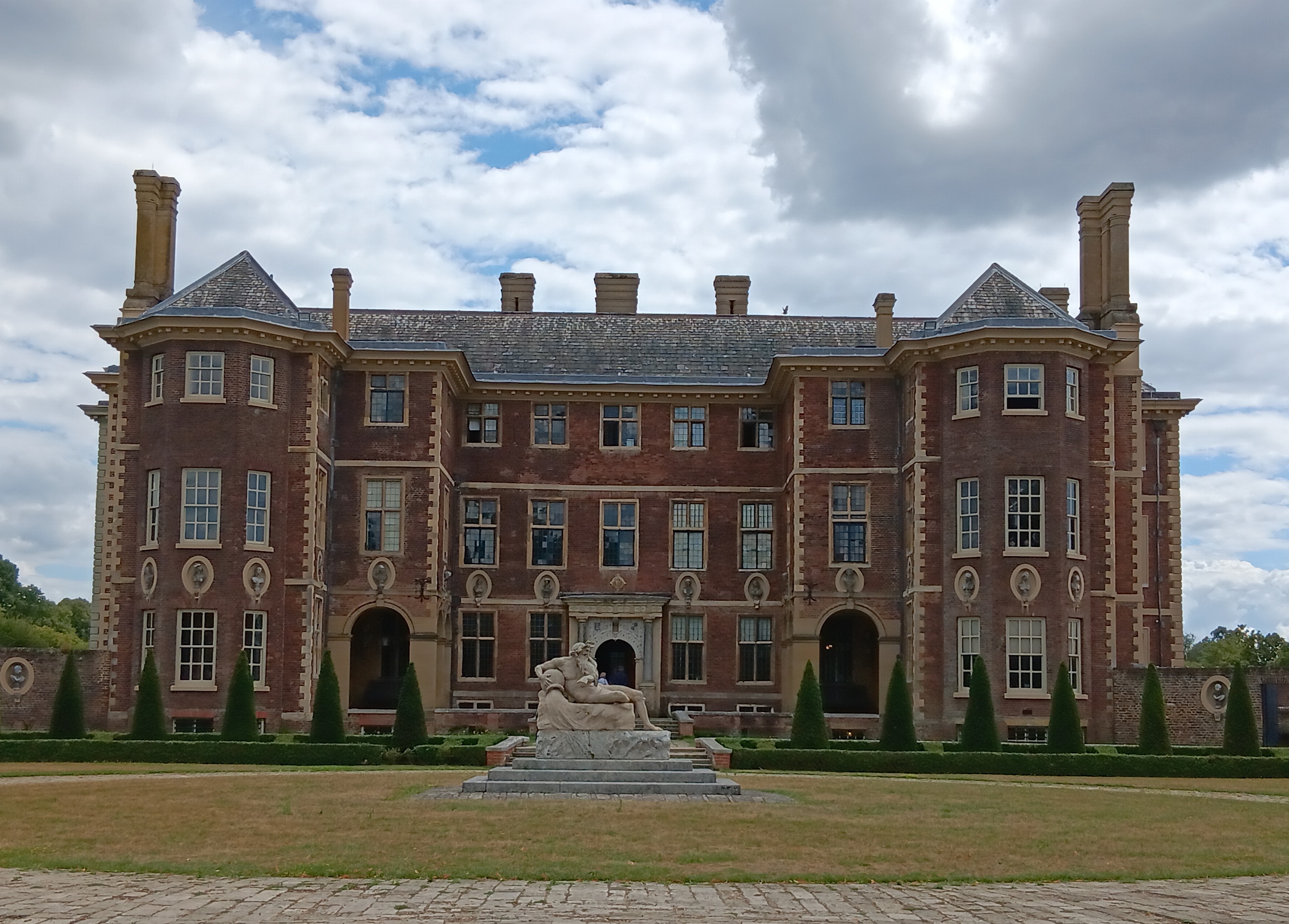
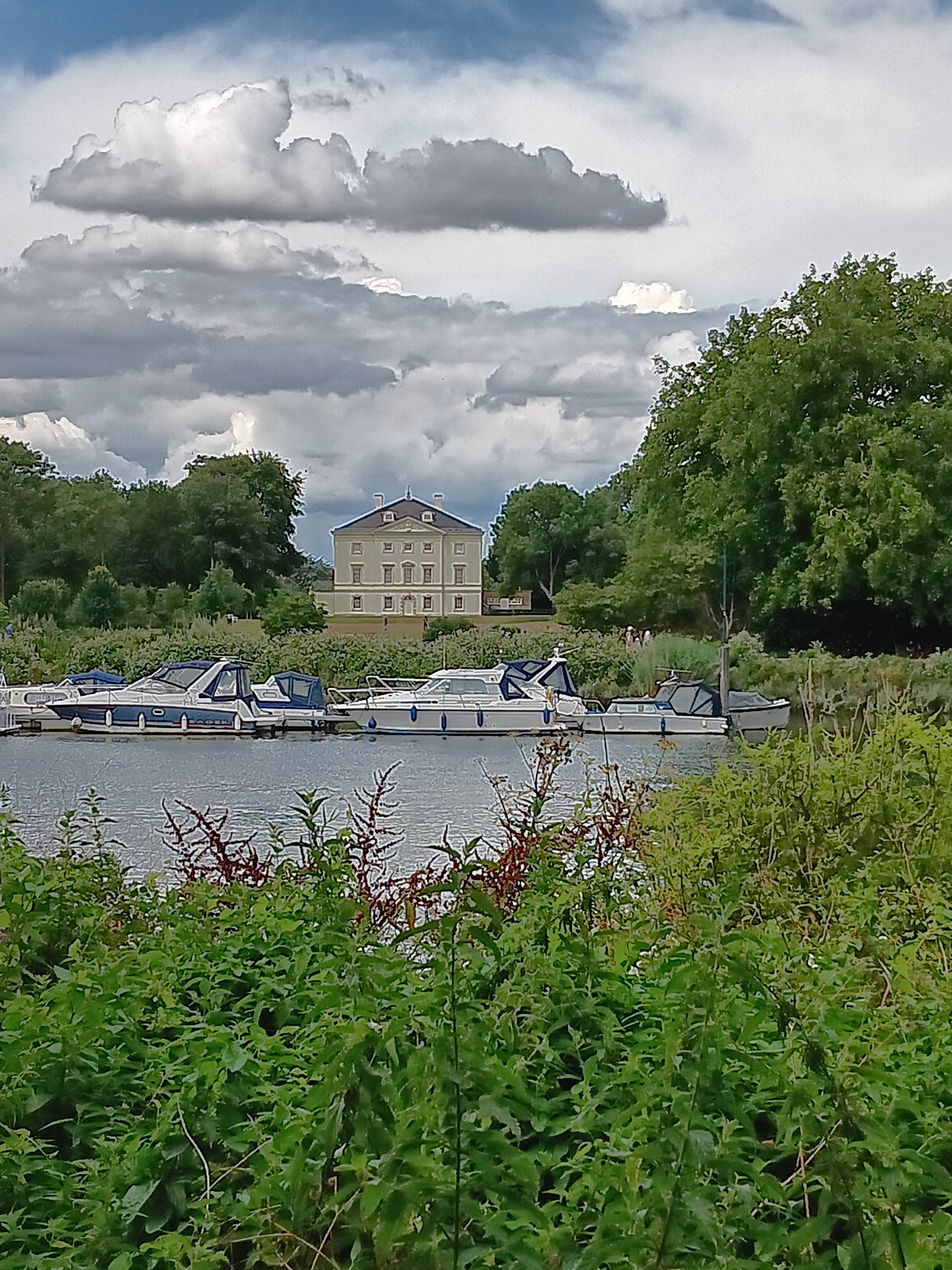
From the glory of the Victorian age and empire, to the teeming streets, train and tube stations, to the art, architecture, theatres and museums, to the river, the stately homes and the picturesque pubs, London is endlessly interesting. We’ve visited Ham House, crossed the Thames in a little ferry and caught a much larger ferry down the river to Greenwich, marvelled at the V & A collections, ridden the tube multiple times, taking the opportunity to observe Londoners in their natural habitat, and taken in a riveting theatre production (Giant at the Harold Pinter Theatre starring the wonderful John Lithgow).

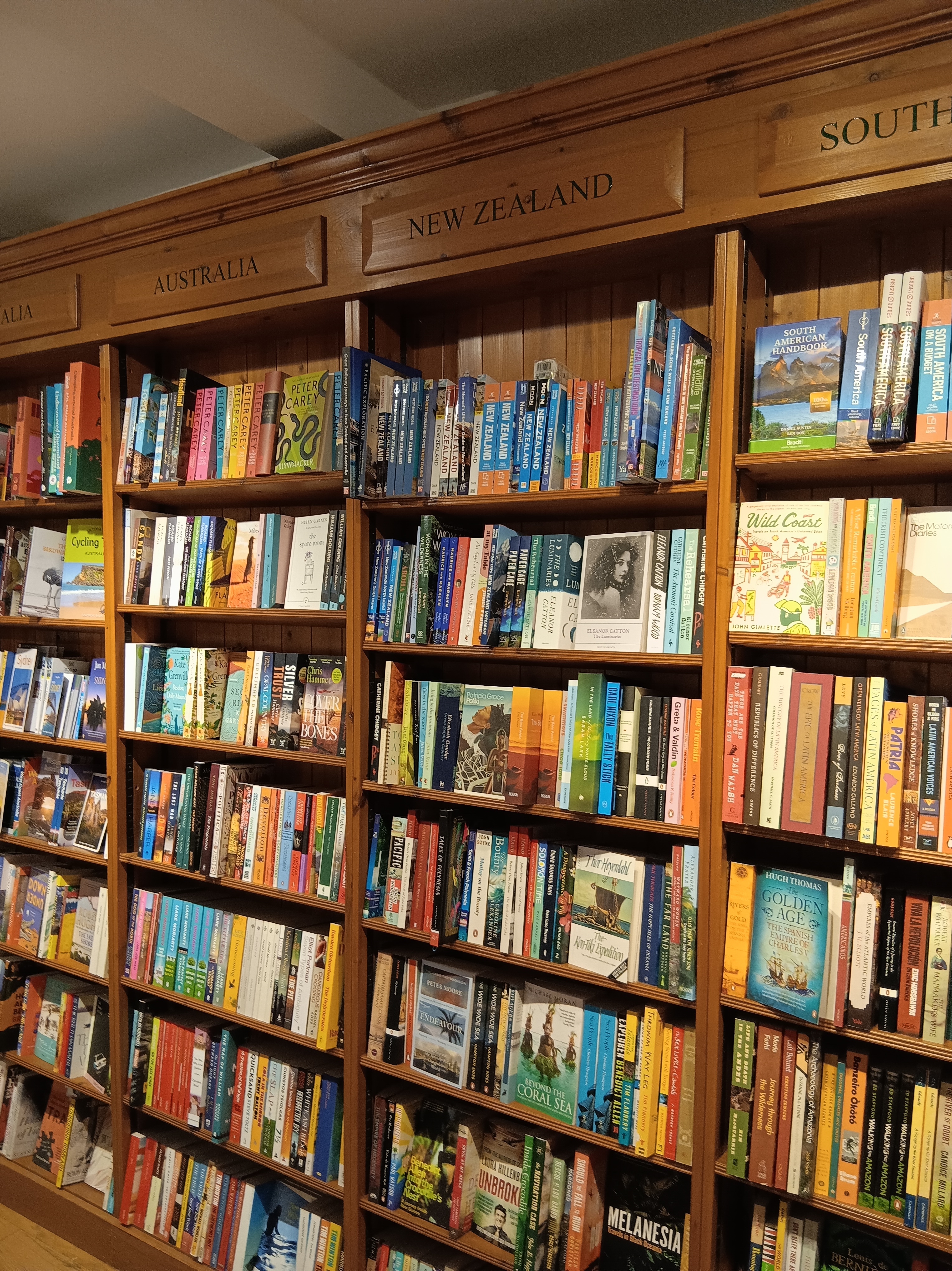
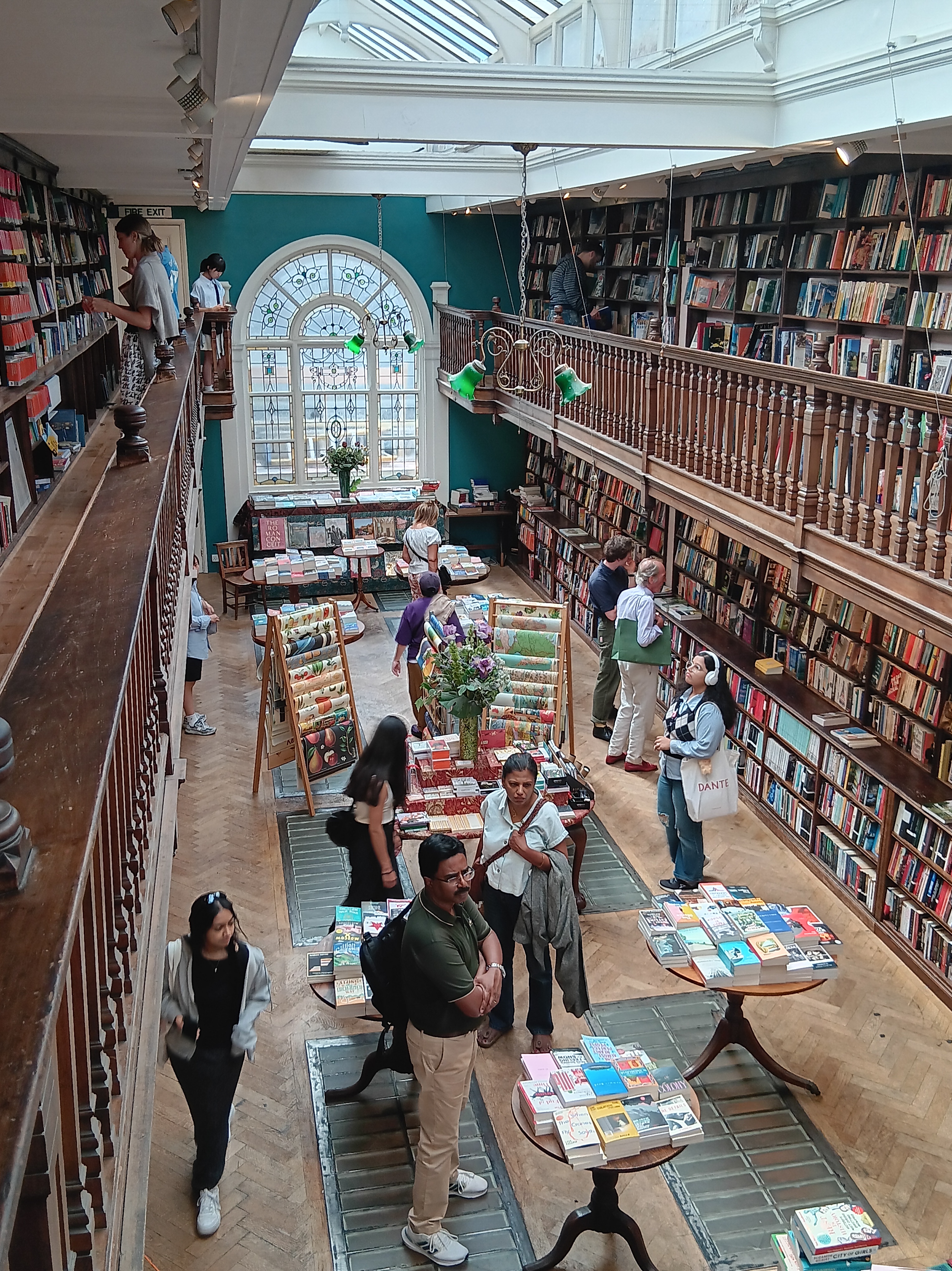
London is also literary. There are blue plaques commemorating when and where a writer lived, bookshops everywhere and the newspapers and magazines available in news agents are numerous – from the frivolous (Hello! OK!) to the serious (London Review of Books, The Economist). It’s a good place to be a bibliophile and I have enjoyed reading hard copies of publications I usually read online. Though most commuters on the tubes seem mesmerised by their phones, there are plenty who read actual books. I sat beside one who carefully placed her bookmark, then wrapped the book in a fabric envelope, which she stowed in her briefcase before alighting.

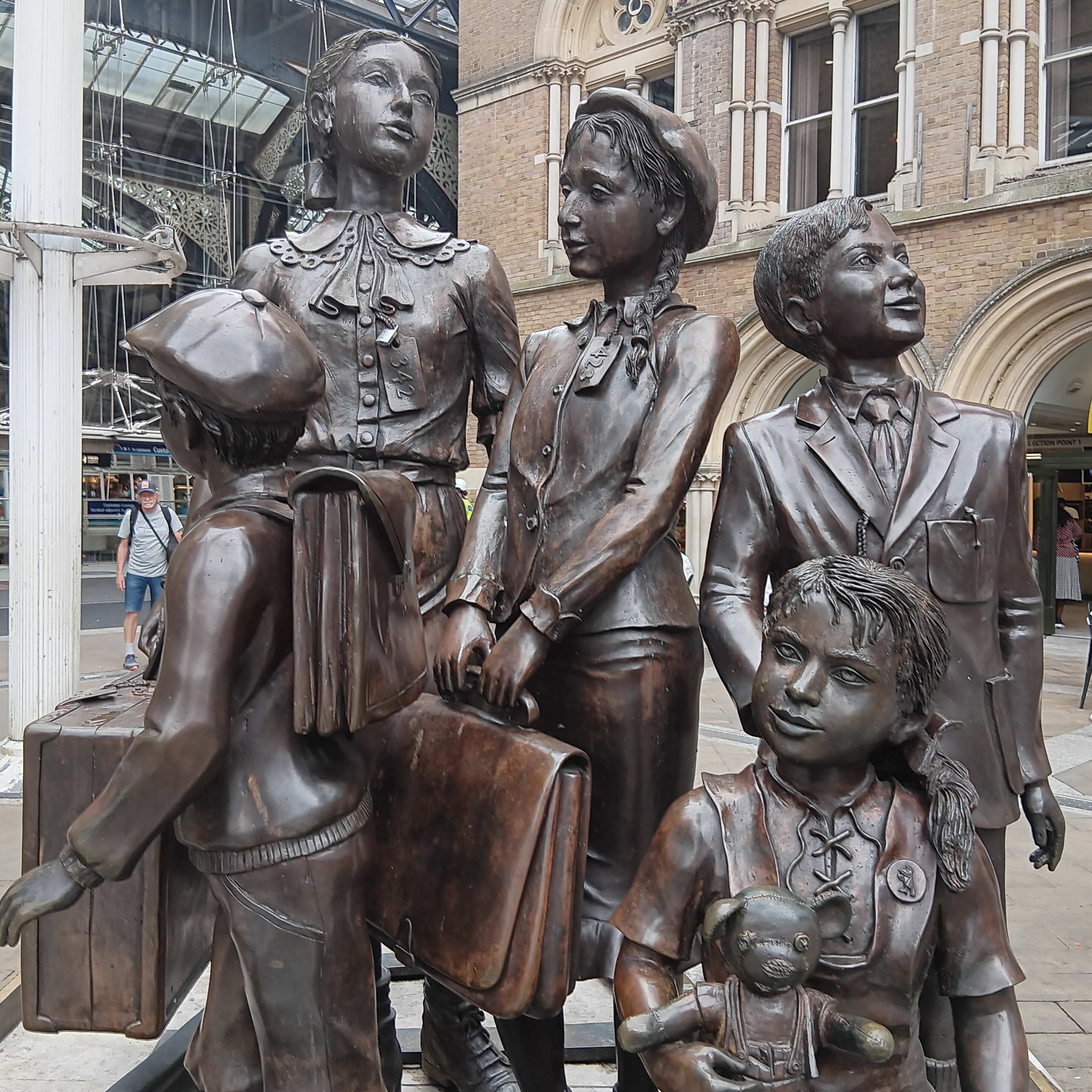
A poignant sculpture in the forecourt of the Liverpool Street Station commemorates the Kindertransport. It immediately made me think of the marvellous Judith Kerr, who came to England via the Kinderstransport, and went on to write When Hitler Stole Pink Rabbit, The Tiger Who Came to Tea and the Mog series. How much the poorer we would have been if she had not survived the Holocaust.

Rocky mountain high

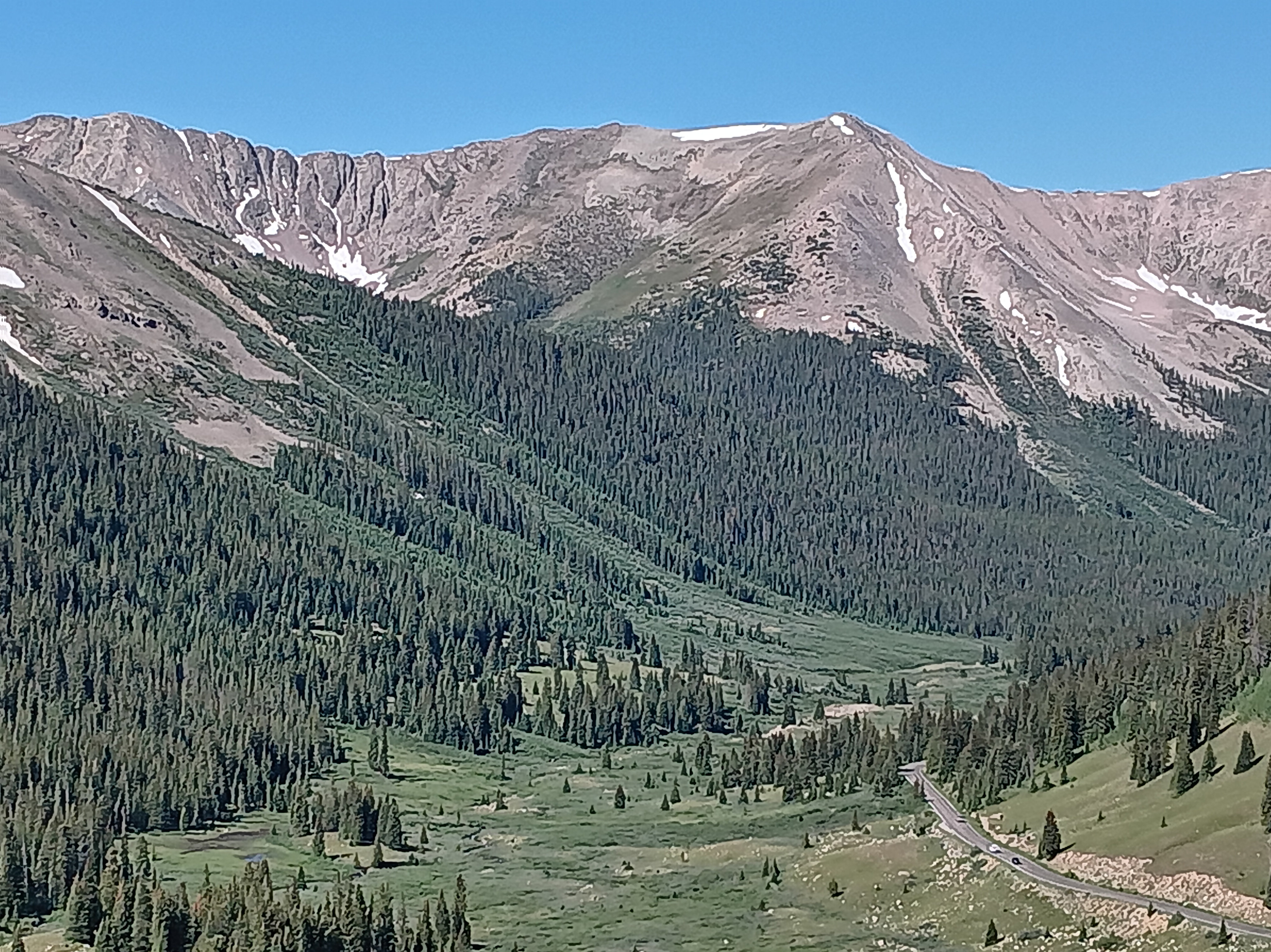
When you first cross from Utah into Colorado, you don’t notice much difference but after criss-crossing the Colorado River several times, the countryside becomes greener. As you get futher into the state, it becomes positively lush and the mountains are covered in greenery. The properous town of Aspen, its airport lined with private jets, is about as lush as it gets. From there we drove up a narrow, somewhat hair-raising, pass right through the spectacular Rocky Mountains.


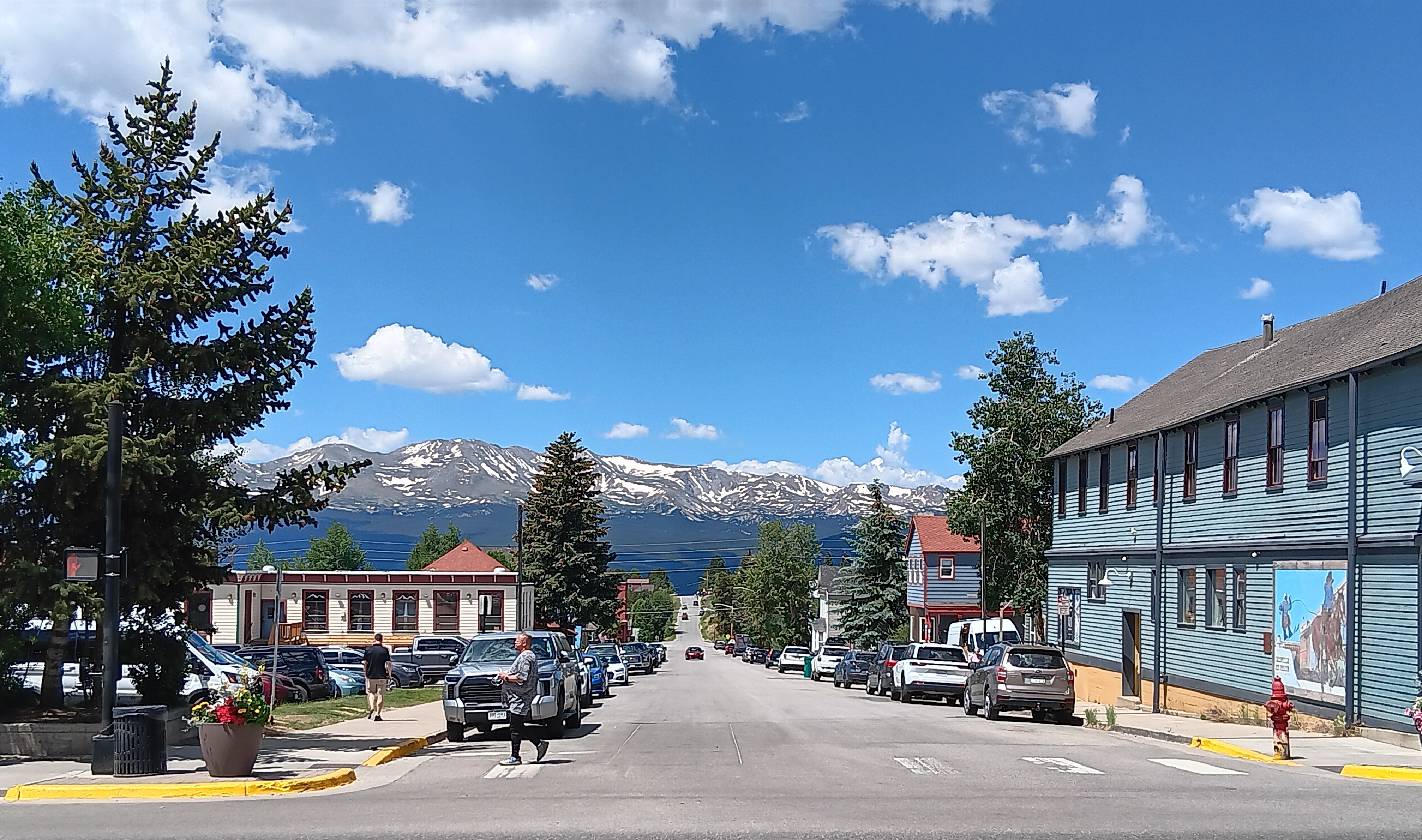
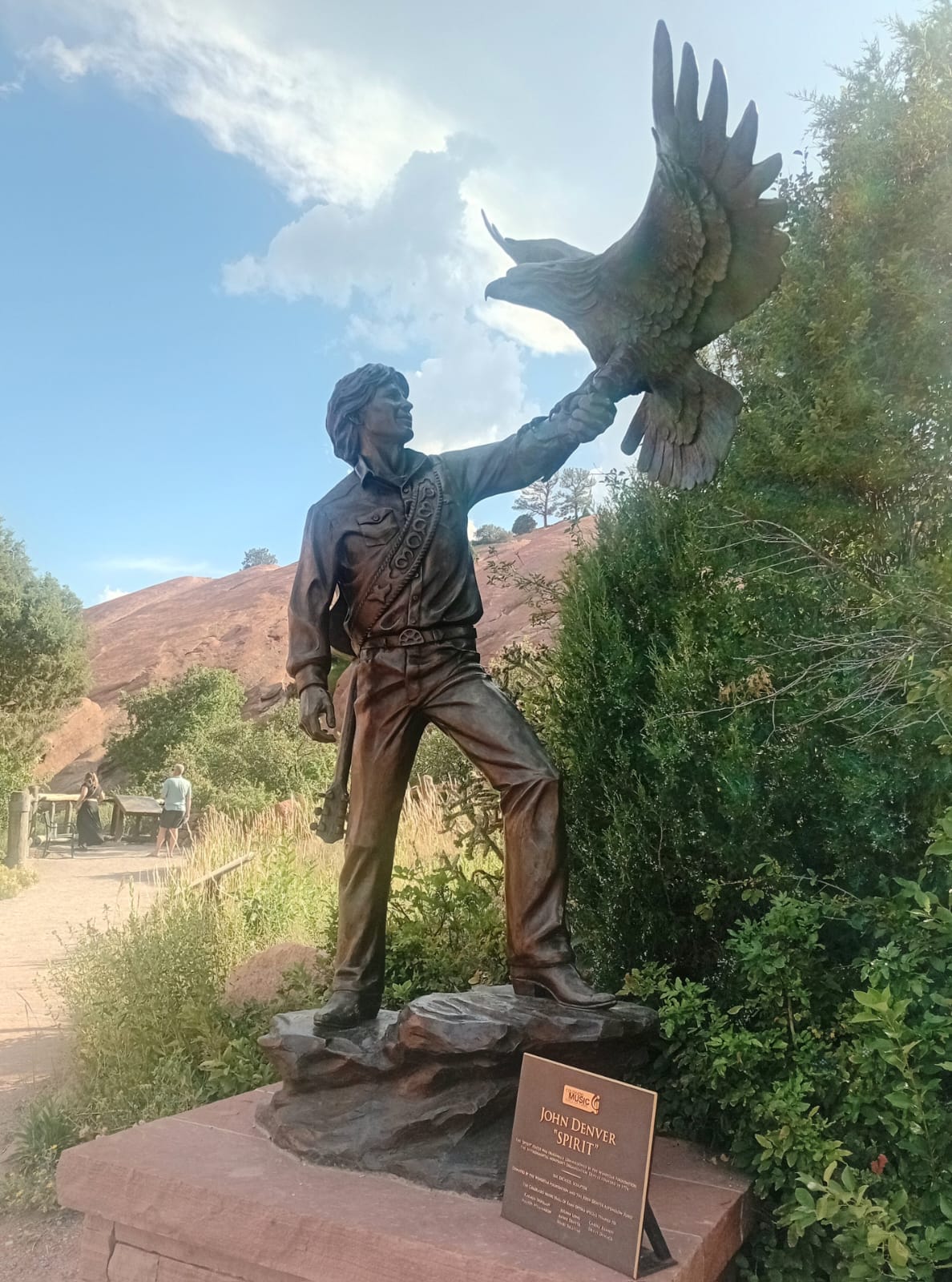
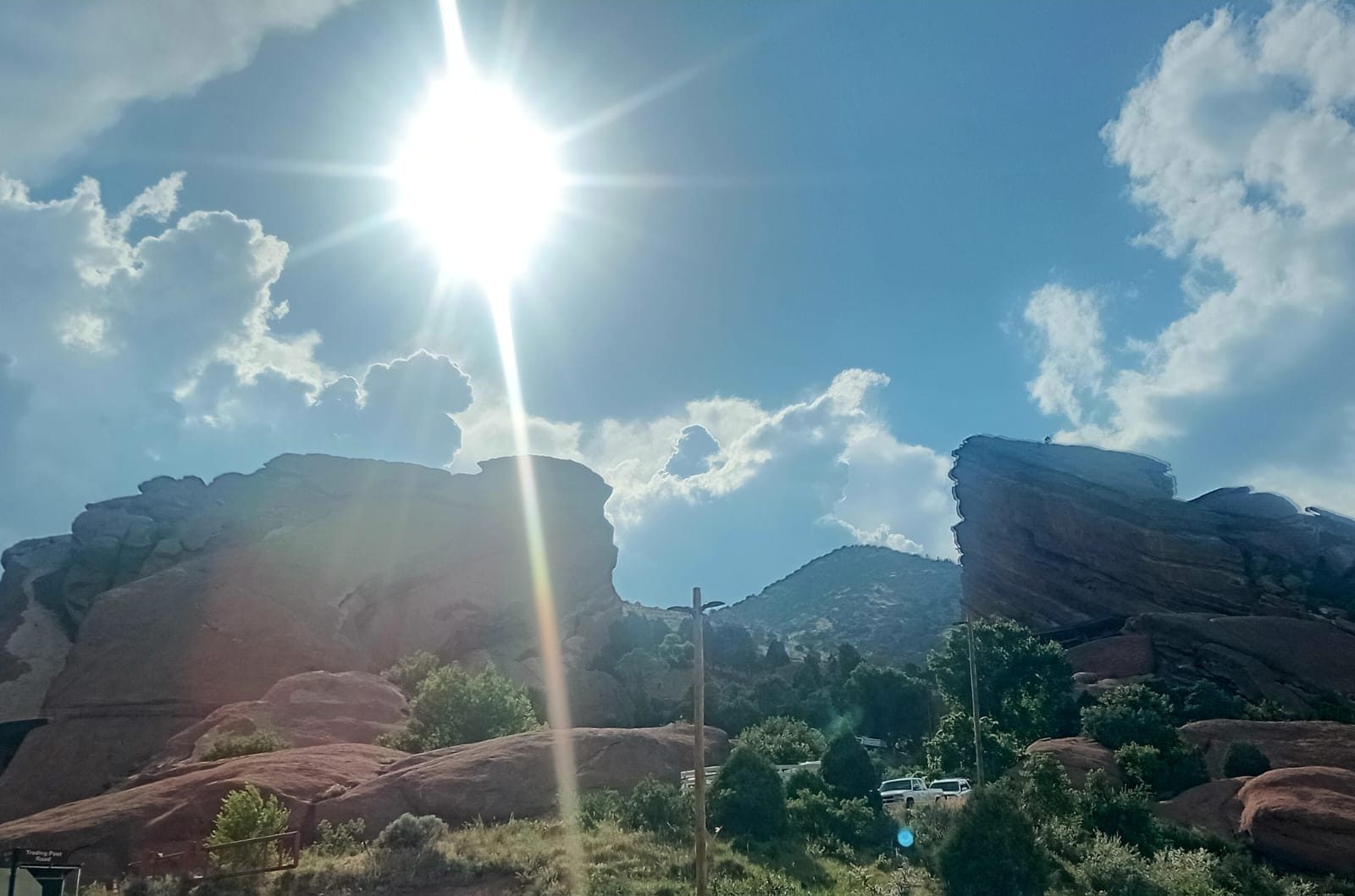
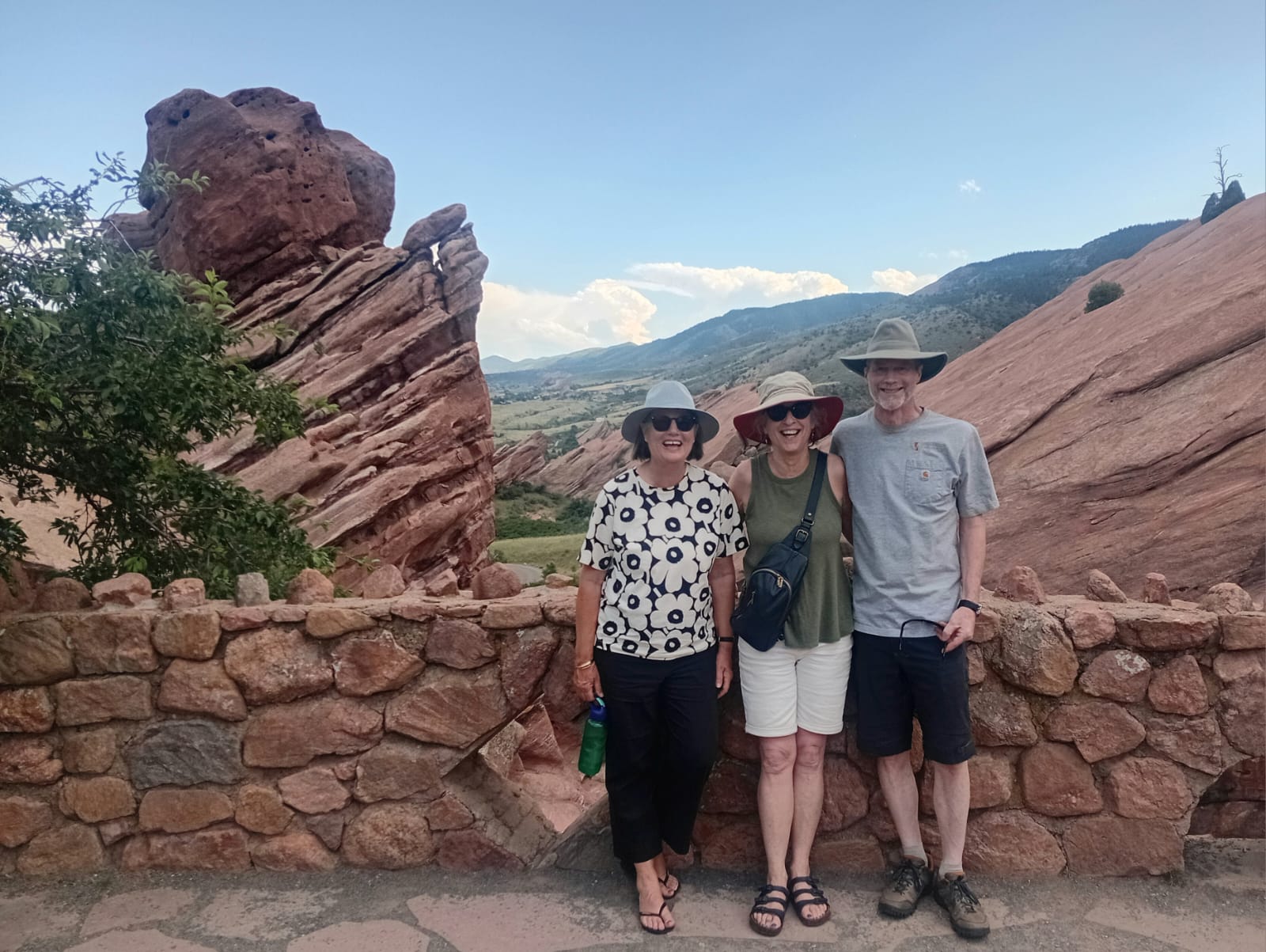
We stopped in the town of Leadville, where we had flat whites approximating what we’re used to in New Zealand, and then made our slow way into Denver in heavy traffic which was wending its way into the city after the Independence Day weekend. We stayed with good friends and it was a delight to catch up with them in their lovely Littleton house and garden. We didn’t venture downtown because of the heat. Instead we walked some of the tracks in a state park in the foothills of the Rockies, where the temperature was pleasant and the views majestic. We loved seeing the deer, squirrels and marmots feeding, seemingly unperturbed by our presence.

The driving part of our US leg was over and we returned the Jeep at the Denver airport. Jim managed driving on the right very well but we are headed for New York City where driving, at least for these Kiwis, is out of the question!

Rhythm of the saints

Santa Cruz (the holy cross), San Francisco (St Francis of Assissi), Sacramento (the holy sacrament).

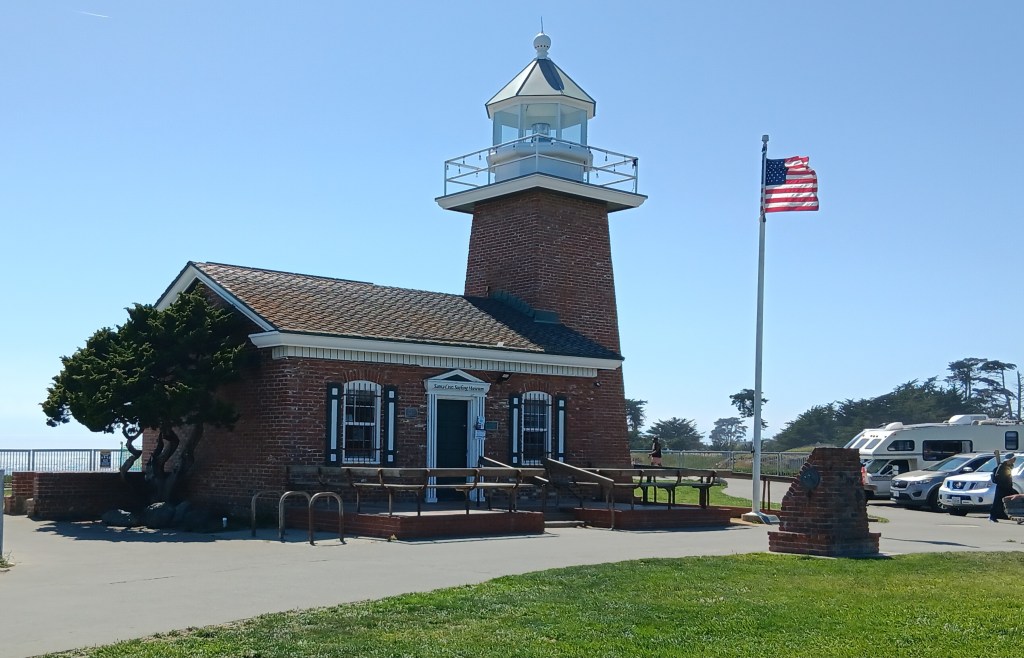
We spent our warmest day so far in Santa Cruz, walking along its famous boardwalk, watching screaming kids on the ferris wheel, popping into the O’Neill surf shop and walking along the longest pier in California. Golden seals populate the wooden platforms below the pier and vie for prime positions. Watching these sleek swimmers try to heave themselves onto a platform while those already basking in the sun try to keep them off was the best entertainment. Later we walked along the pathway that runs along the surf beaches and saw some intrepid surfers catch waves that broke off the point near the lighthouse and ride them till they reached rocks. All the while pelicans and seagulls soared overhead.

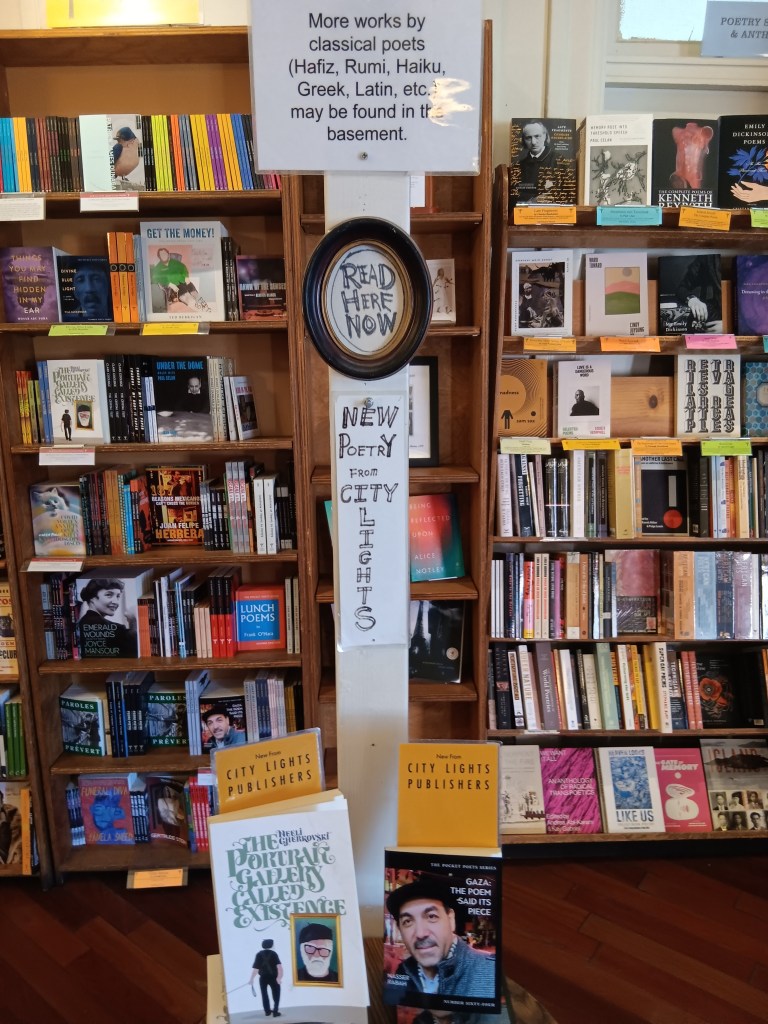
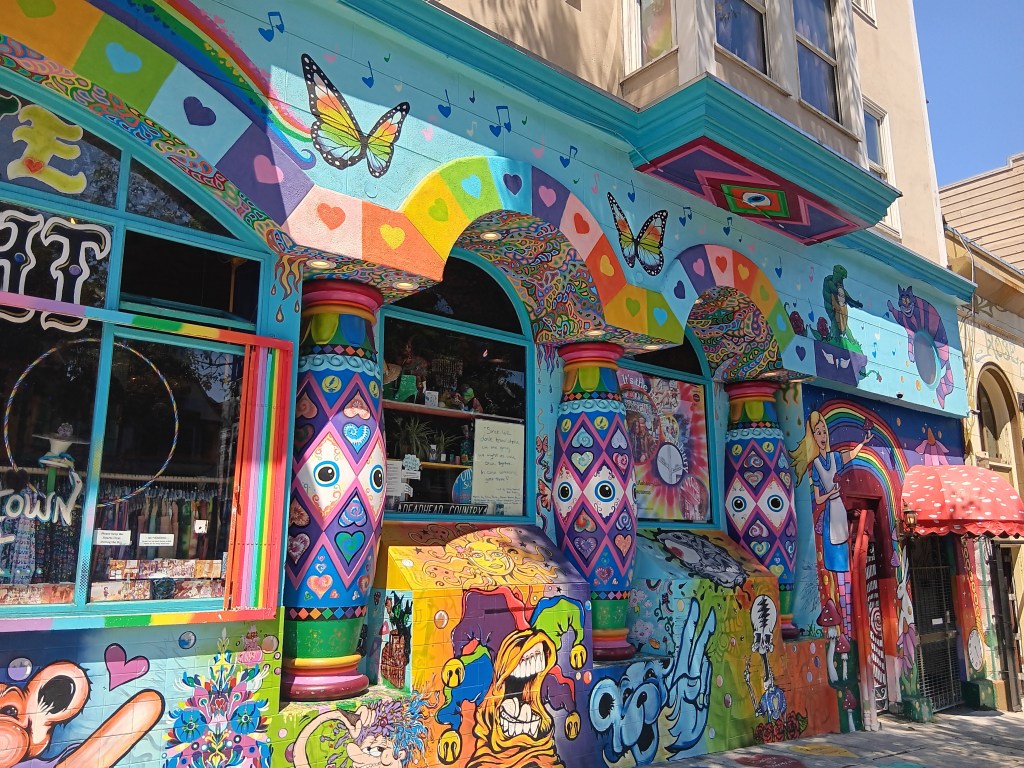
San Francisco is a beautiful city with its famous bridge, vertiginous streets, architectually pleasing buildings and ornately painted houses. Highlights were a browse in City Lights Books and a wander through the Haight Ashbury area. The Love on Haight store, whose slogan is “whatever the question, love is the answer”, keeps the spirit of the 60s alive.

But San Francisco also has masses of noisy traffic, large numbers of homeless people and it seemed almost every resident of the city has a dog, which can make some streets unpleasant to walk along. There is also the pervasive smell of marijuana, now legalised in California, wherever you go.

Sacramento’s origins go back to the gold rush of the 19th century and the building of the Pacific Railroad, vestiges of which can be seen in the Old Town. It is now the state capital of California with large and ornate buildings, like the City Hall and the Courthouse. It is also called the city of trees, which is appropriate as the wide streets in the city centre are flanked by huge trees providing welcome shade in the heat of summer. We had excellent coffees and shared a slice of delicious corn bread in a cafe run by friendly Guatemalan migrants. But the whole city has an air of neglect and there are a large number of homeless people living in the parks and tent cities.

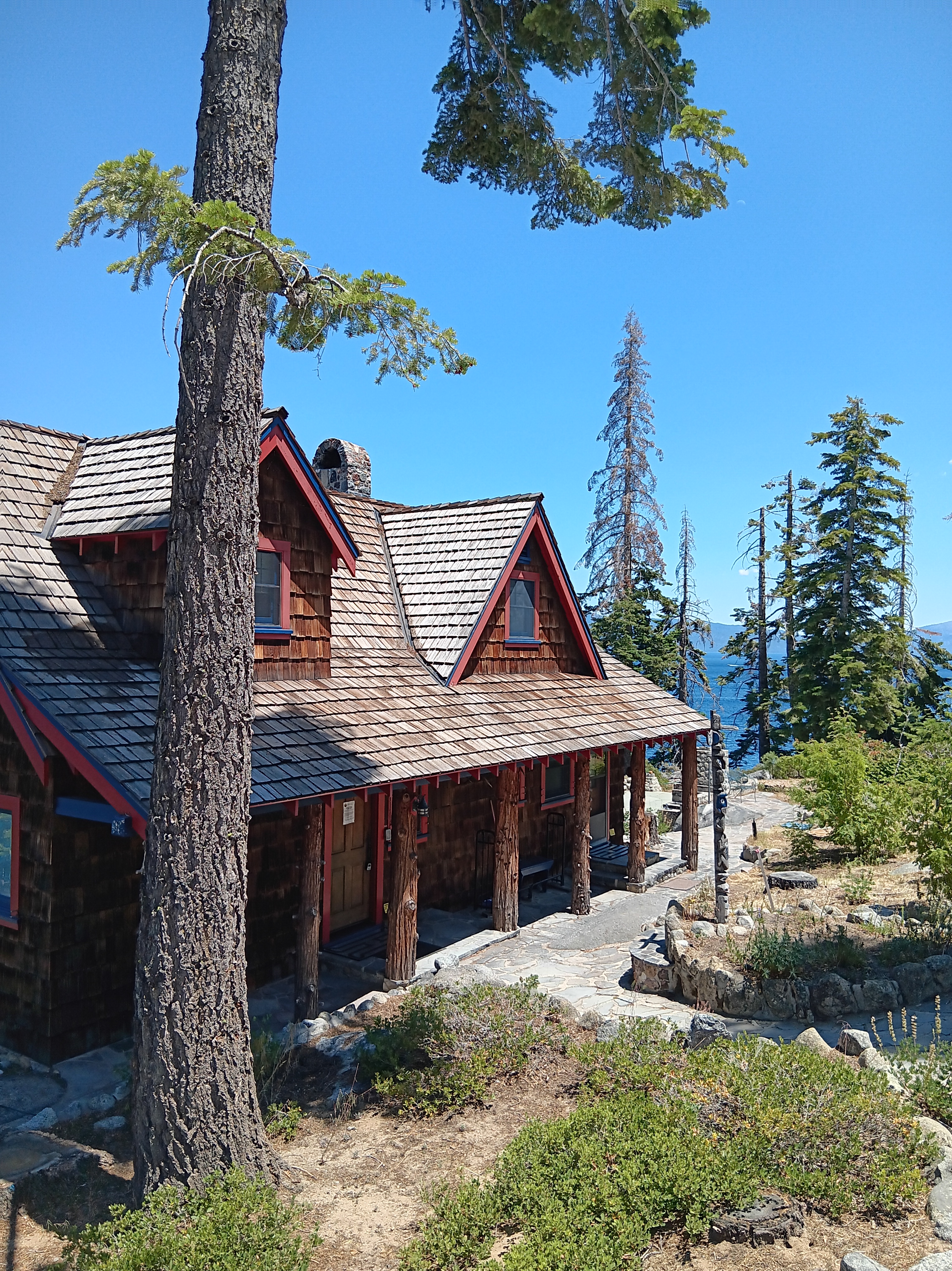
The surrounding areas are vast with tinder-dry fields of grass, which explain why the wild fires are so difficult to contain here. There are forests of tall pine trees and spectacular rivers, like the American River and the Truckee River, which rises in the Sierra Nevada mountains and is the sole outlet of Lake Tahoe. We saw the breathtaking mountains, which still have vestiges of snow, and deep-blue lake on a magnificent day. It was a fitting end to the Californian leg of our trip. Now onto Utah and Colorado!

A river runs through it*

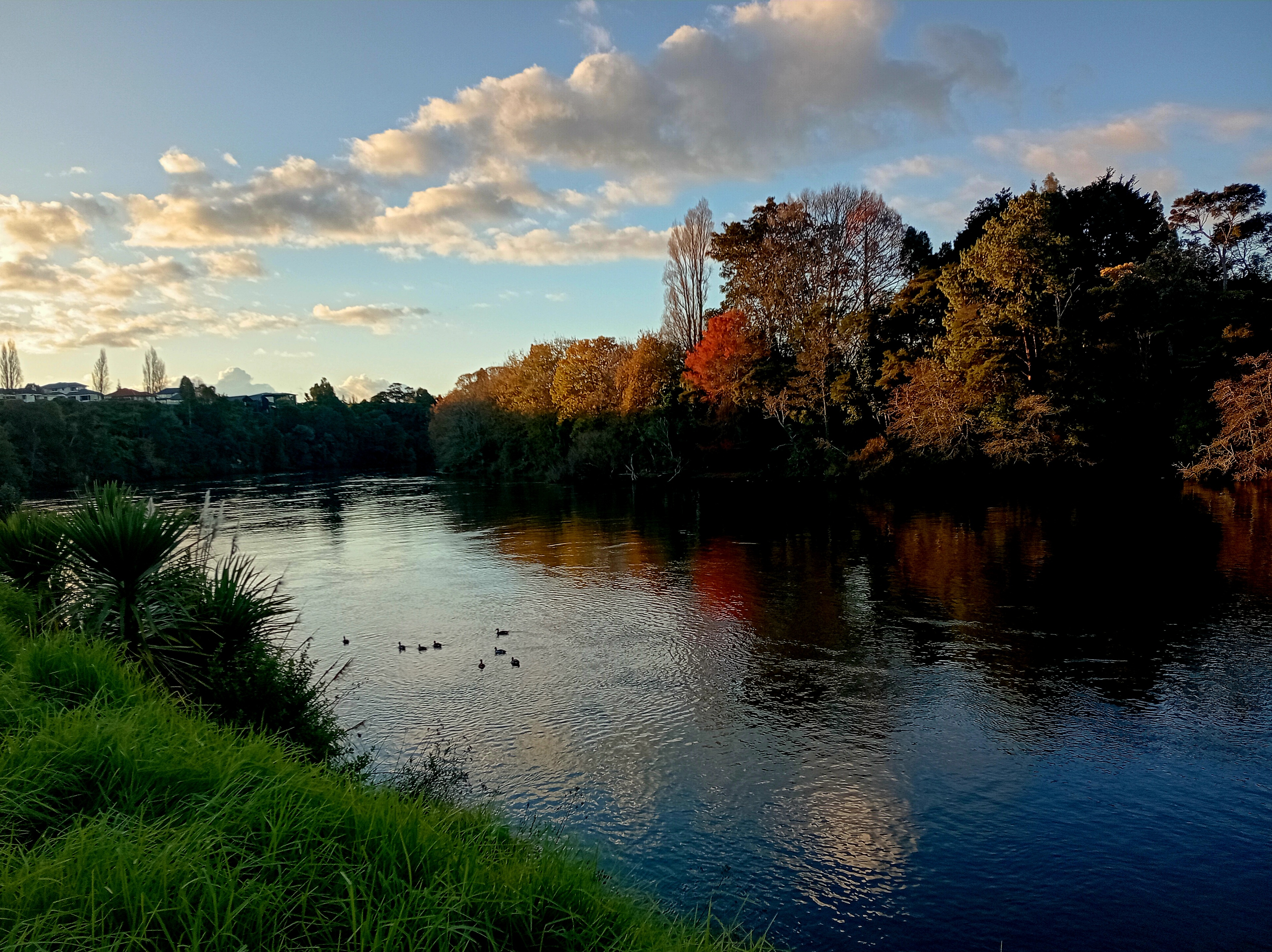
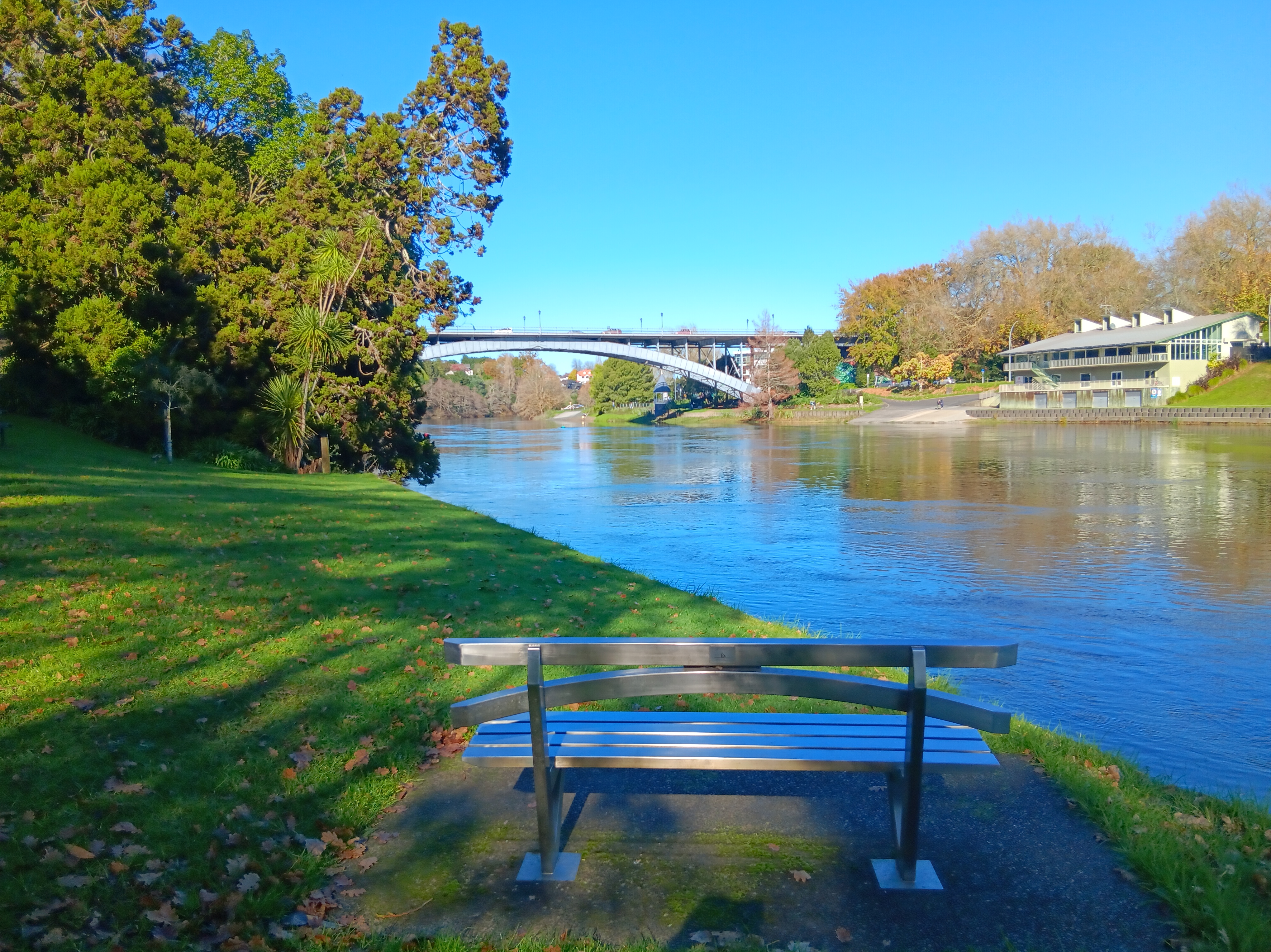
The Waikato River runs through the city of Hamilton, on its way from Mount Ruapehu on the central volcanic plateau to Port Waikato on the west coast of the North Island. We live close by and often take advantage of the walkways/cycleways that follow the course of the river along both banks.

On our travels we’ll be seeing some of the world’s greatest rivers: the Colorado, the Hudson, the Thames, the Rhine and the Danube.

*The name of a novella by Norman Maclean, which was made into a wonderful film of the same name, directed by Robert Redford in 1992