Greek idyll

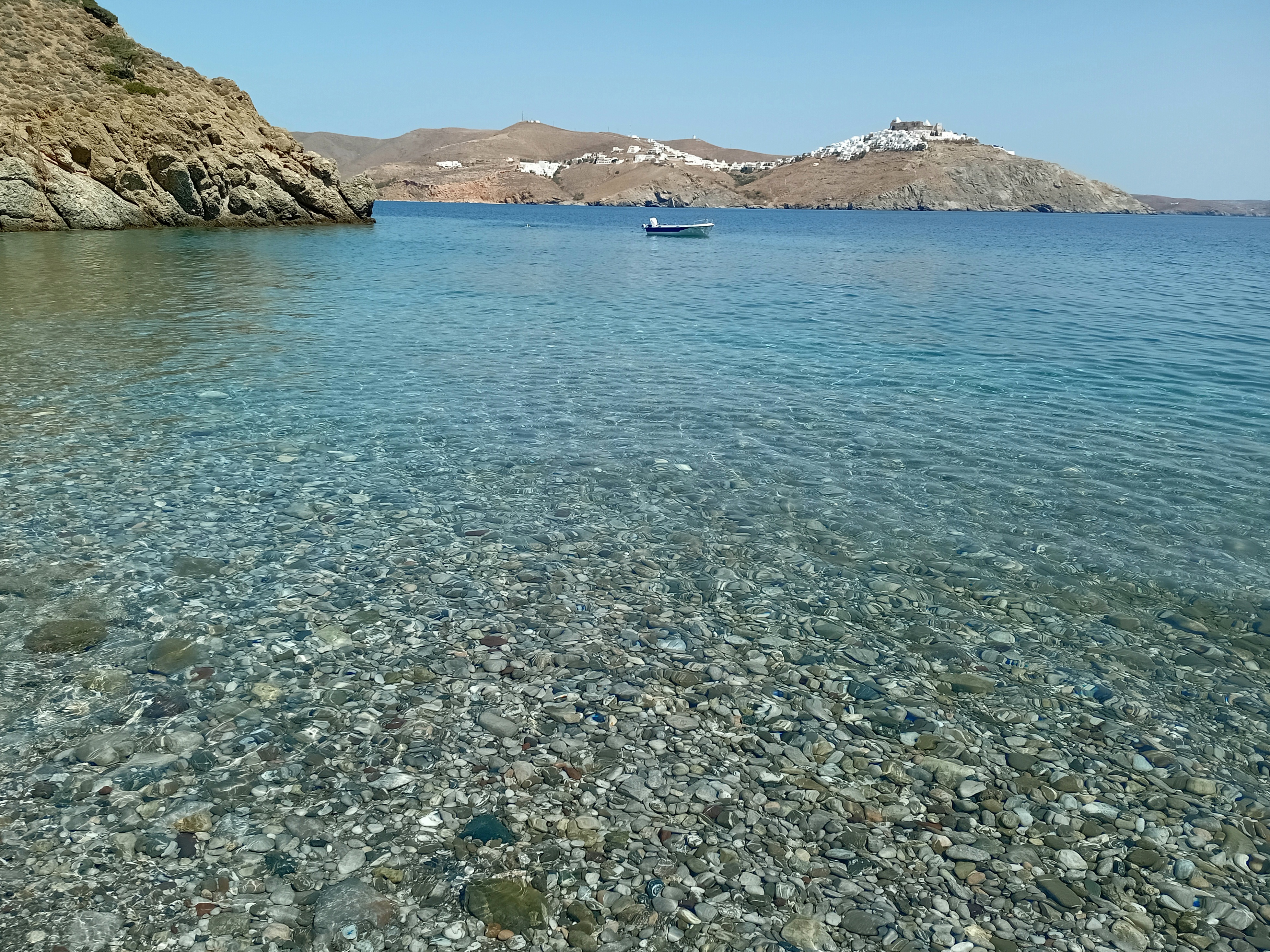
The island of Astypalea is a rocky outcrop in an azure Aegean sea. It is so rocky and barren that it’s a wonder anything grows here. But it does. Beside the cottage that we’ve been staying in this week, there is a productive garden in which there are grape vines, pomegranate trees, tomato bushes, fig trees and some flowers. Our Greek neighbour came into the garden two nights ago to harvest some of the fruit and very generously gave us a pomegranate, some tomatoes and grapes and a fig. There are farms on the island, which we’ve seen on our travels around it on our rented scooter. They look completely barren except for bee hives, goats and olive groves.

The appeal of this island for tourists is easy to see. There are many beautiful beaches with shady trees and amazingly clear, blue water for swimming. There are also myriad tavernas, some of which set their tables and chairs in the sand right on the beach, and interesting little shops and cafes in the main settlement of Chora. There are only just over 1000 permanent inhabitants and no harbour big enough for cruise ships, which makes it an ‘unspoilt’ Greek island, unlike Mykonos or Santorini. However, with falling amounts of rainfall due to climate change, water may soon become an issue and there is talk of establishing a desalination plant, though that is costly.

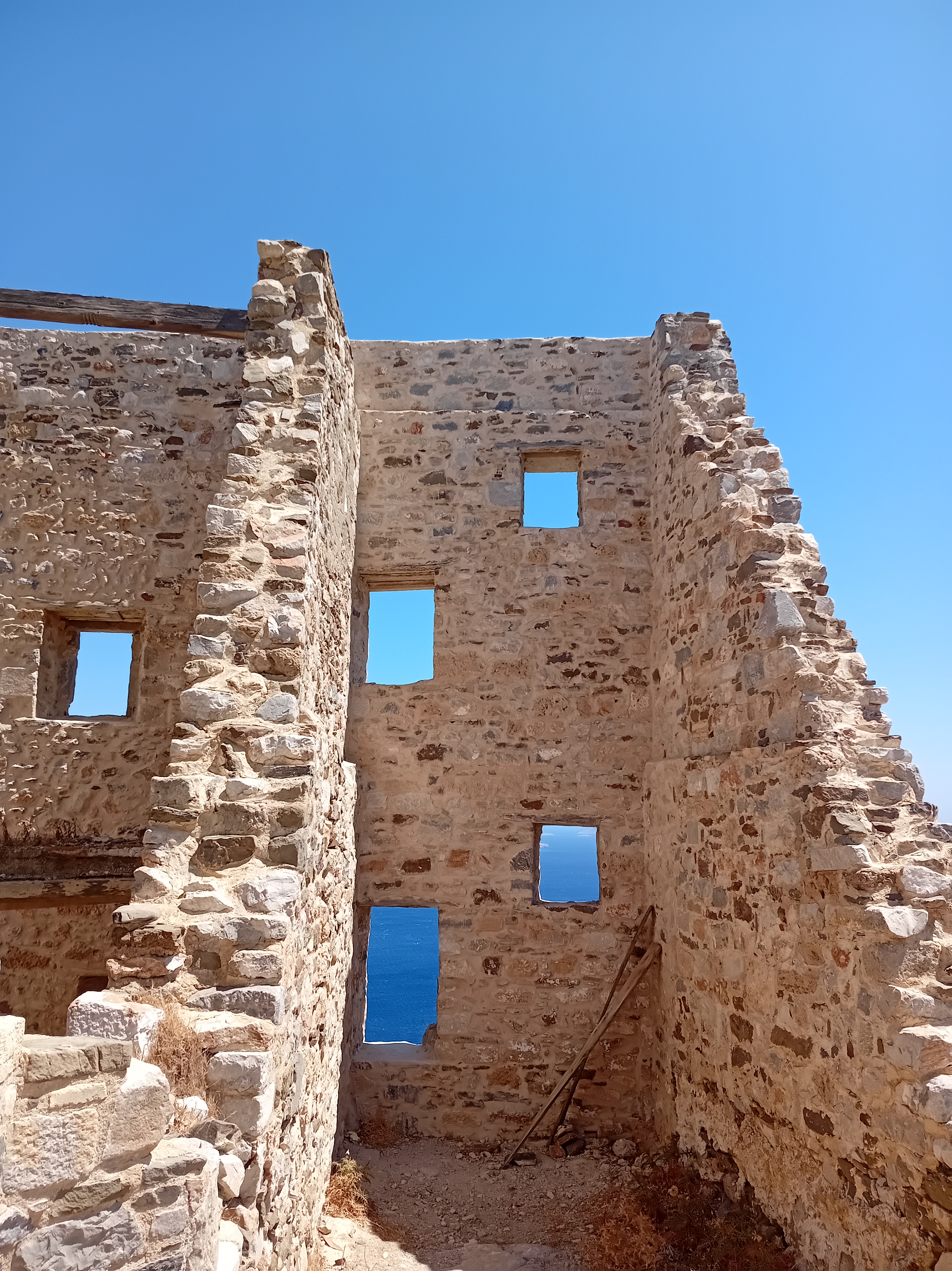
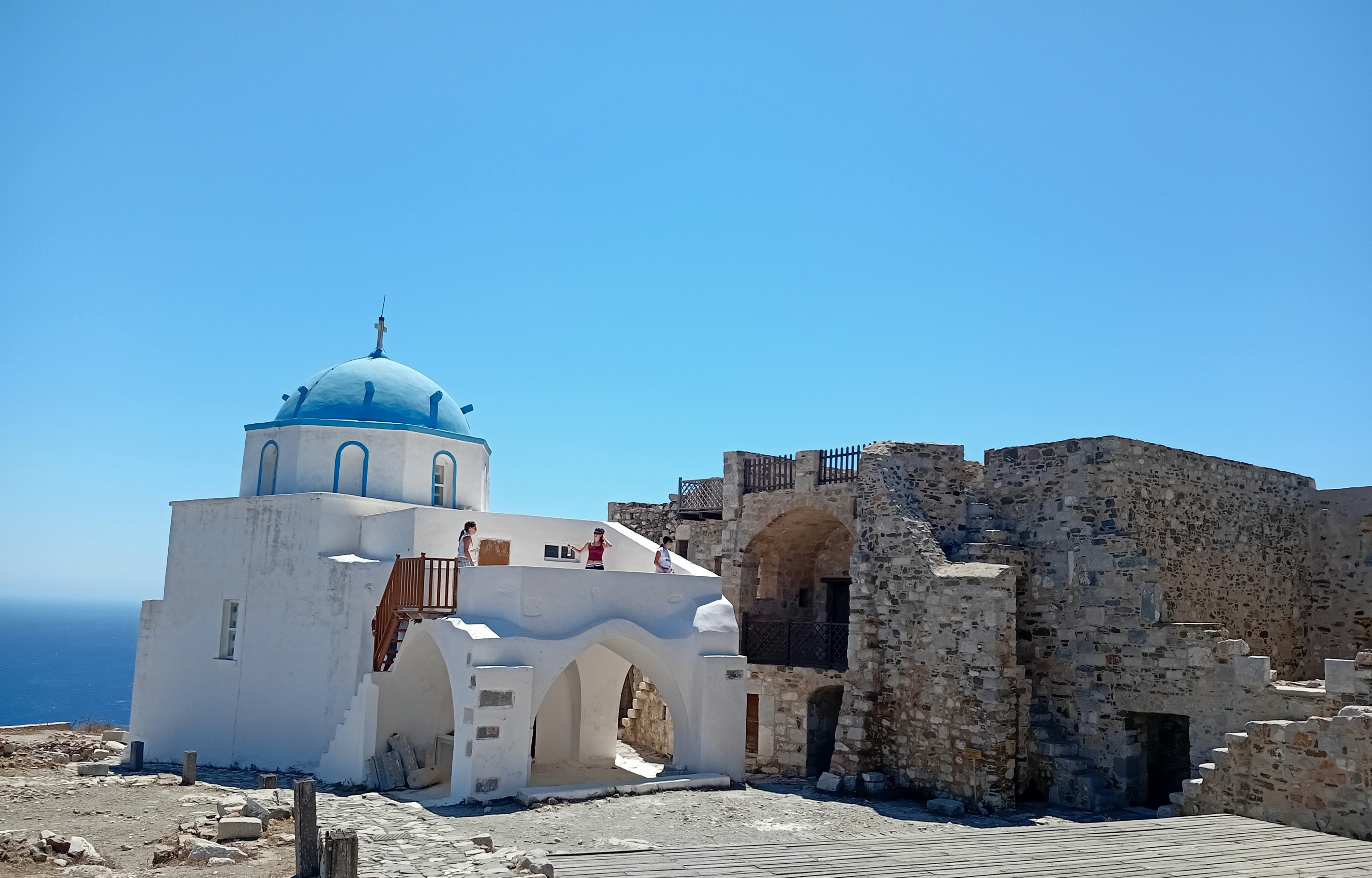
At the highest point on the island are the remains of a Venetian fortress, built in the 15th century as protection against pirates who terrorised the Mediterranean. A huge earthquake in 1956 brought much of the fortress down and there are still areas cordoned off because they are dangerous. There are two churches on the site, picturesque in their whitewash with blue trim and bells that chime in the wind.

Our cottage has a courtyard complete with olive tree and the remains of the well and outside oven that would have served the original house. We’ve enjoyed eating our breakfast out there when there is still enough shade to keep us cool and then again in the evenings as the sun is losing its heat and the shadows lengthen. Our days on this idyllic island have been spent exploring on the scooter and finding unbelievably beautiful beaches, where we can swim and lie the shade to dry off and doze. It will be hard to leave and return to a New Zealand winter. But it will be good to be home!

Carinthian countryside

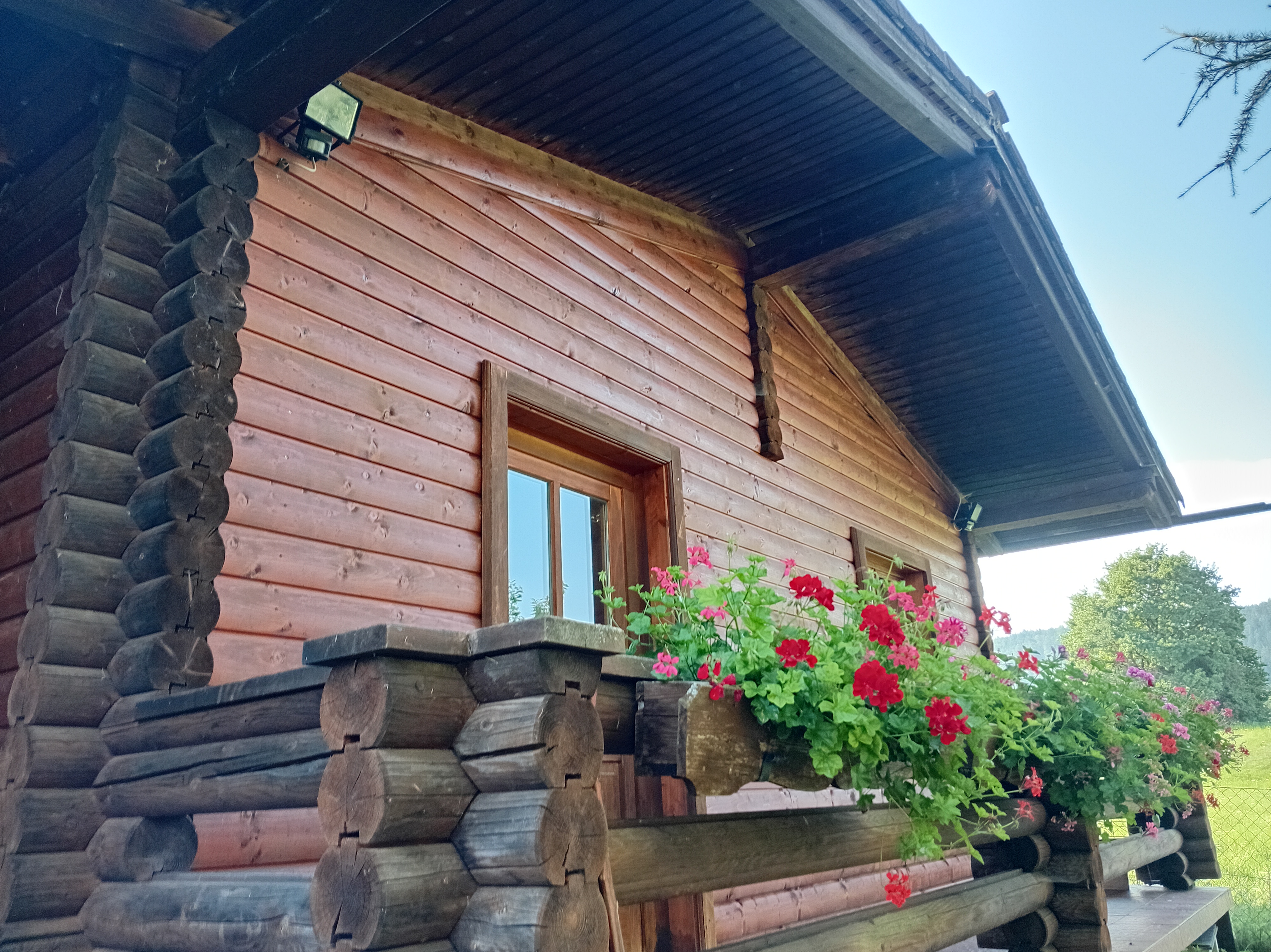
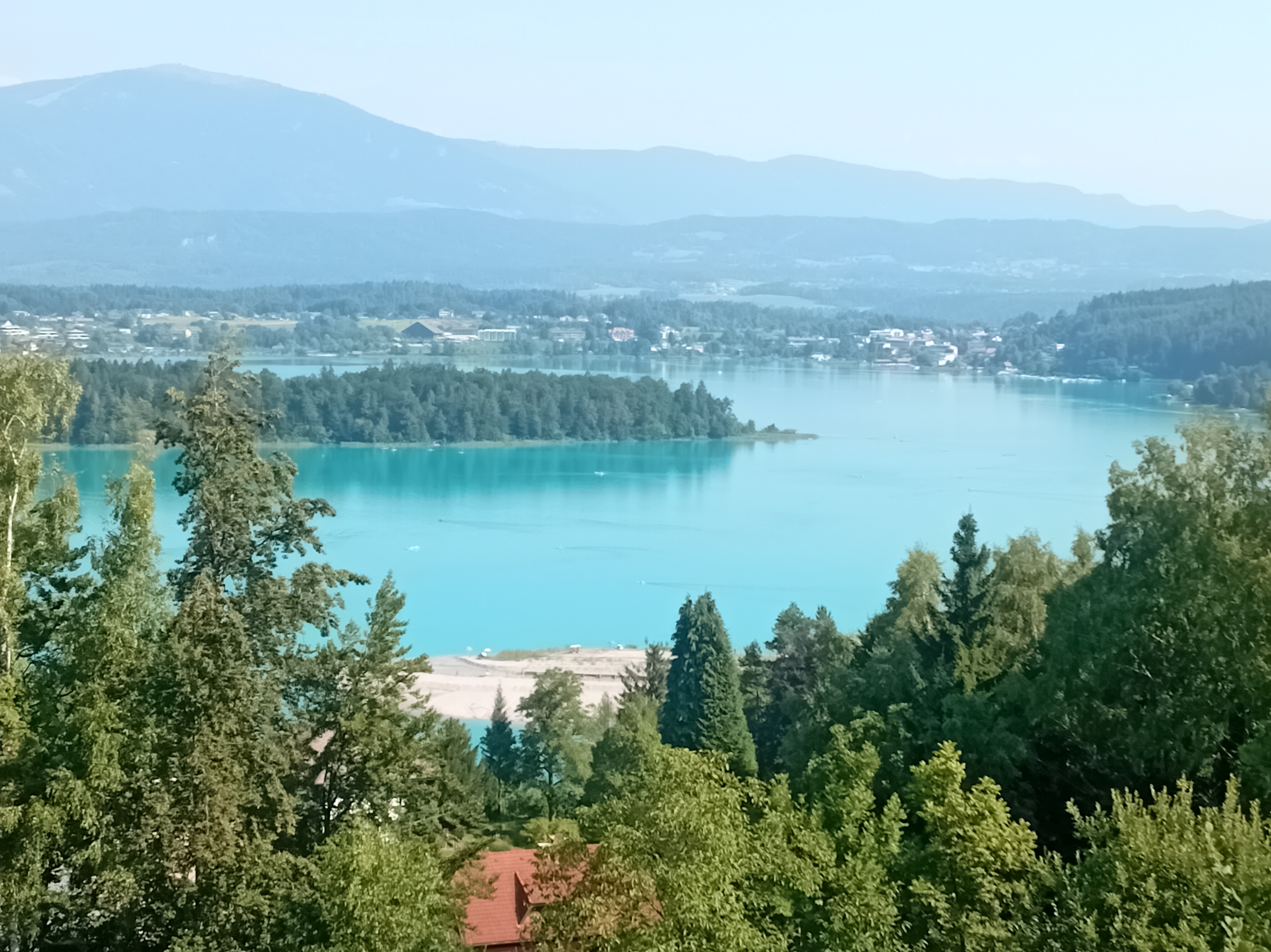
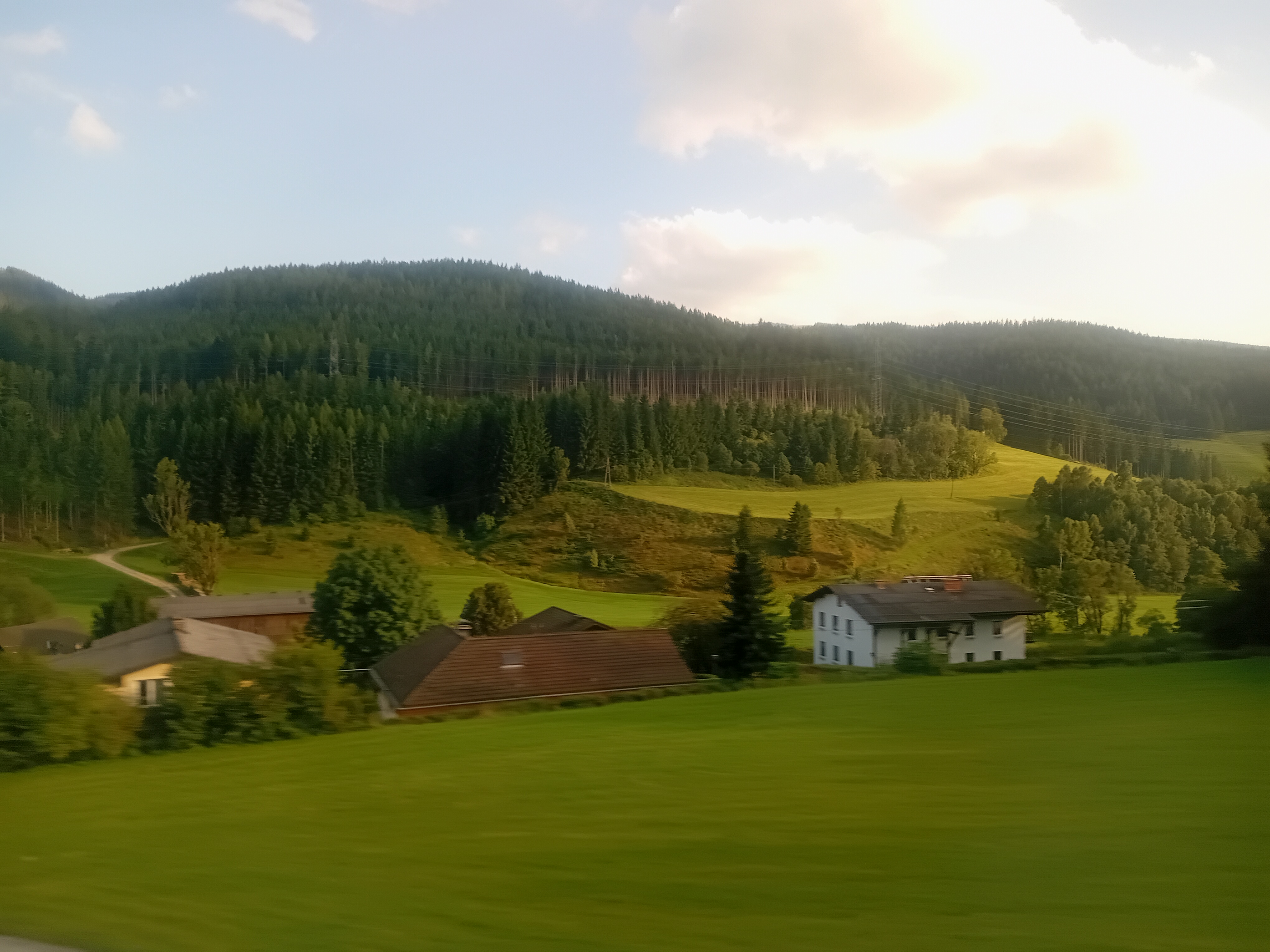
After a four-hour train ride from Vienna, we arrived in Villach, the second largest town in the southernmost Austrian region of Carinthia. Our friends have a rural property outside the town and we stayed in a self-contained chalet behind their house, complete with sleeping loft and skylight. It was fantastic! The scenery is spectacular – dense green forests, fields of tall grasses and meadow flowers, deep-blue lakes and vertiginous mountains. One morning we drove up into the foothills and then walked to a look-out point from which we could view the alps that separate Austria and Italy.

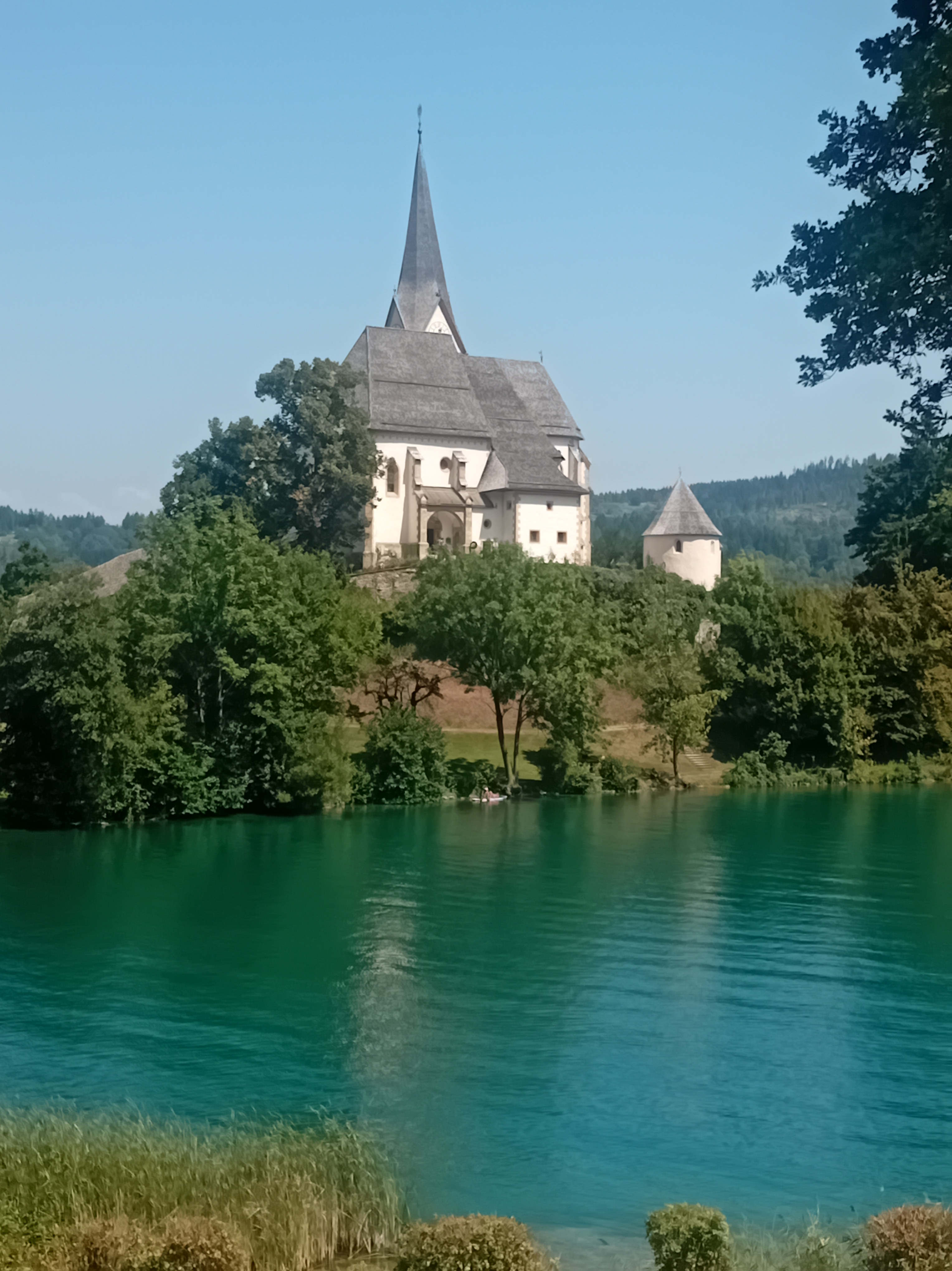
The area has been inhabited since the Bronze Age and burial mounds and lake dwellings have been excavated in the region. There are also Roman remains and churches going back to medieval times. It is well-known as a Marian pilgrimage route and there are a number of churches dedicated to Mary that pilgrims visit along the 266 km trail.

The largest lake in the area is the Worthersee. Its startling colour is due to the limestone in the surrounding hills. There is an ingeneously constructed viewpoint called the Pyramidenkogel built high up on a hill and we took the elevator up to the 10th floor to view the lake below. There were myriad boats, sailors and swimmers out on the lake on a brilliant summer’s day. Hard to believe that in the winter, there is enough ice to turn it into a skating rink, though with climate change, the skating season is becoming shorter.

An uneasy history

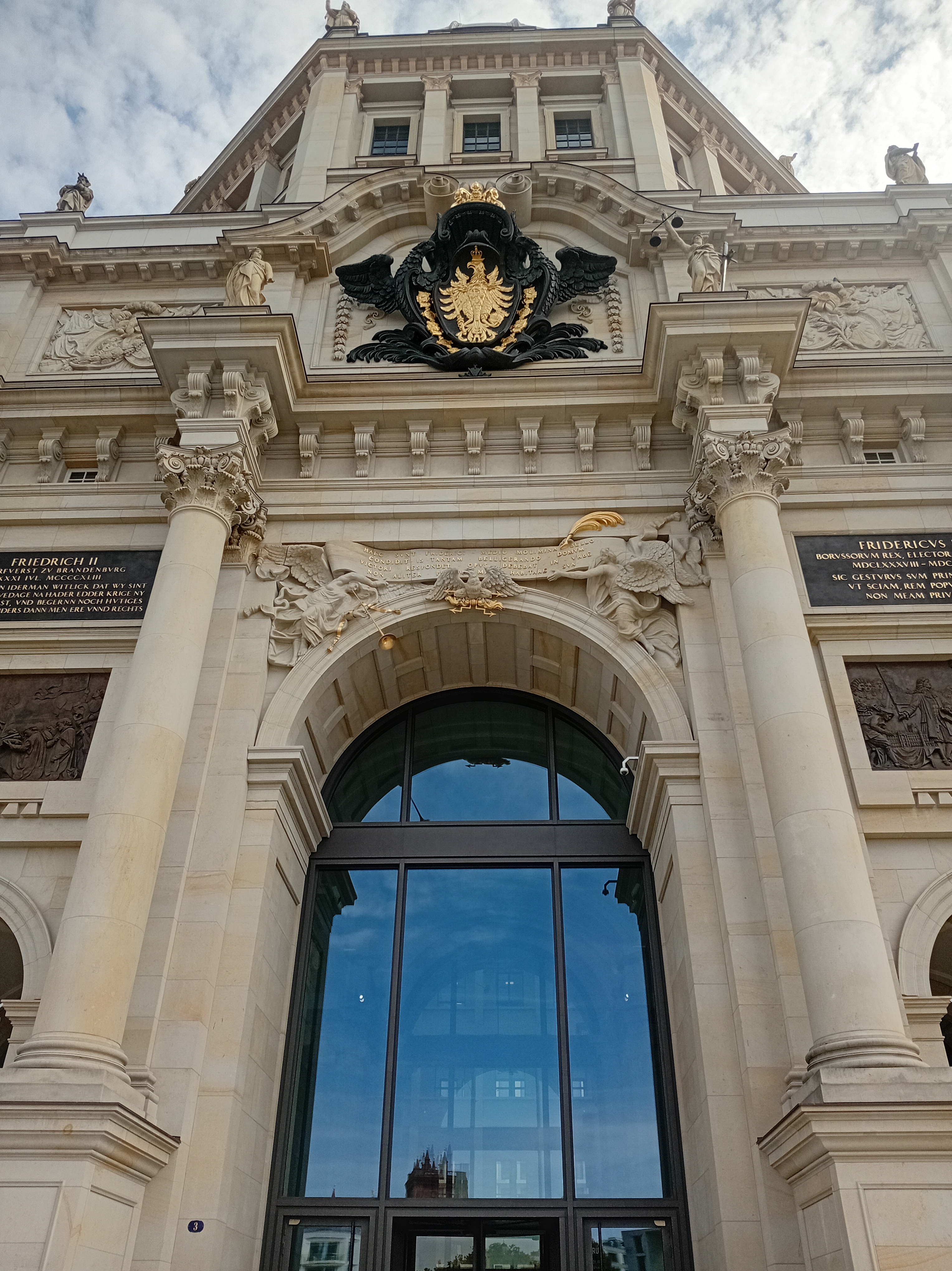
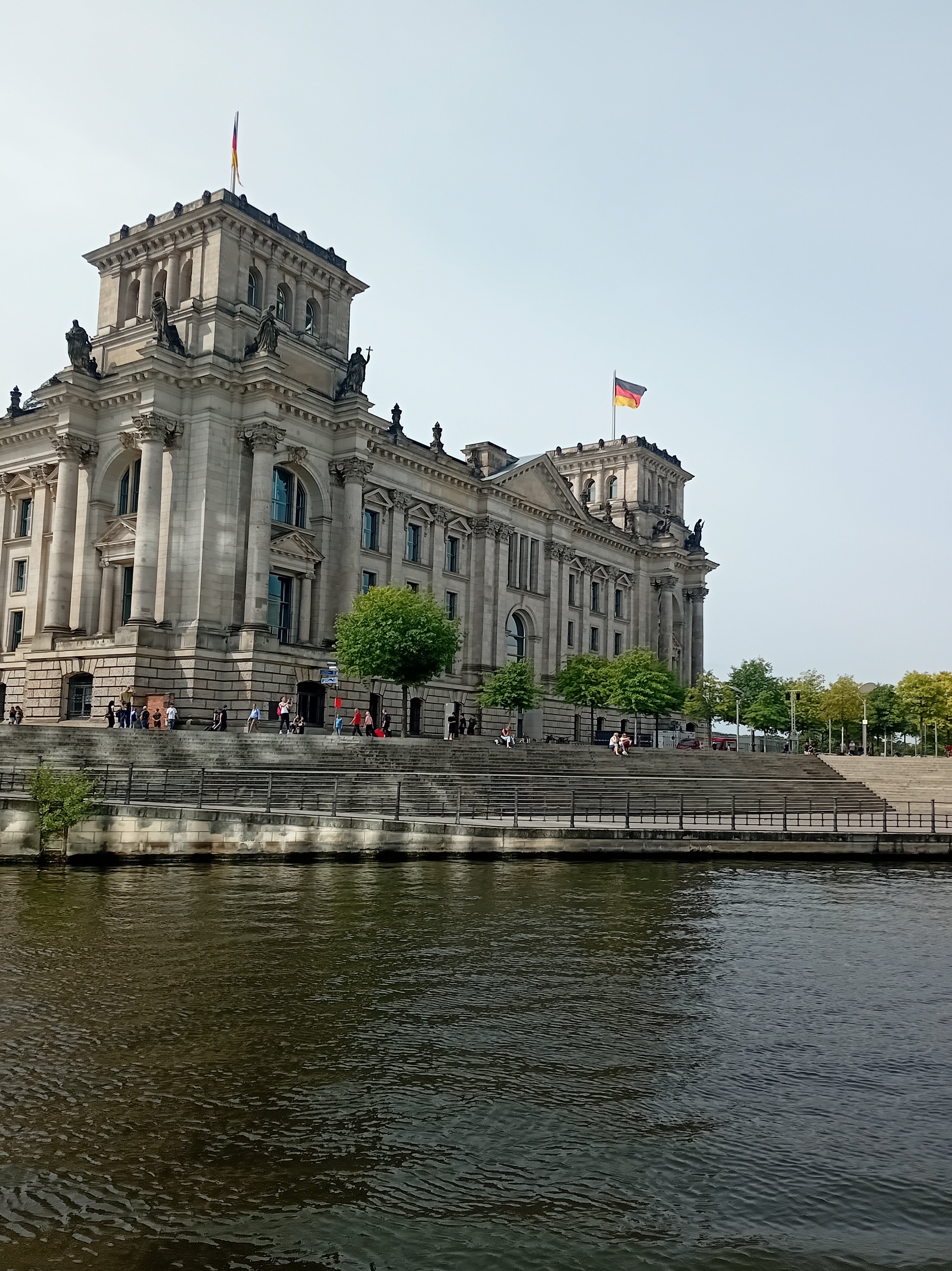
Berlin has a long, complicated history, stretching back more than 780 years. Yet it is a thoroughly modern city, largely because of the extreme destruction it experienced towards the end of the Second World War. Some of the older buildings have been restored in their original form but there are many modern structures, particularly in the area that is home to the federal government and chancellery, so there is an interesting juxaposition of old and contemporary architecture. Many of the buildings were also constructed on a grand scale. Walking around Museum Island, one is overawed by the dimensions – soaring columns, huge statutes and fountains, massive entrances and very high ceilings – of the five museums that are built on an island in the Spree River, accessible by bridges.

The river is an active part of the city and we took a pleasant and informative ferry trip along it. The extensive Tiergarten is a green oasis in this bustling city and performs the same function as Central Park does in New York City. The public transport is amazing and you can get around very easily by tram, bus or underground. A daily ticket will allow you to use all three.

Berlin was a divided city from 1961 to 1989 and the East Side Gallery preserves what is left of the Wall. It is covered in interesting art by various artists from around the world, none more (in)famous than the Dmitri Vrubel painting of Brezhnev and Honecker in an embrace. It’s sobering to remember the chilling effect the Wall had on the people of Berlin, separating families and causing at least 140 people to lose their lives attempting to escape, and on the Cold War world. At a former border crossing point between East and West Berlin, at the Friedrichstrasse station, you can still see the Tranenpalast (Palace of Tears), so-called because of the many tearful partings between East German residents and western visitors that took place there.

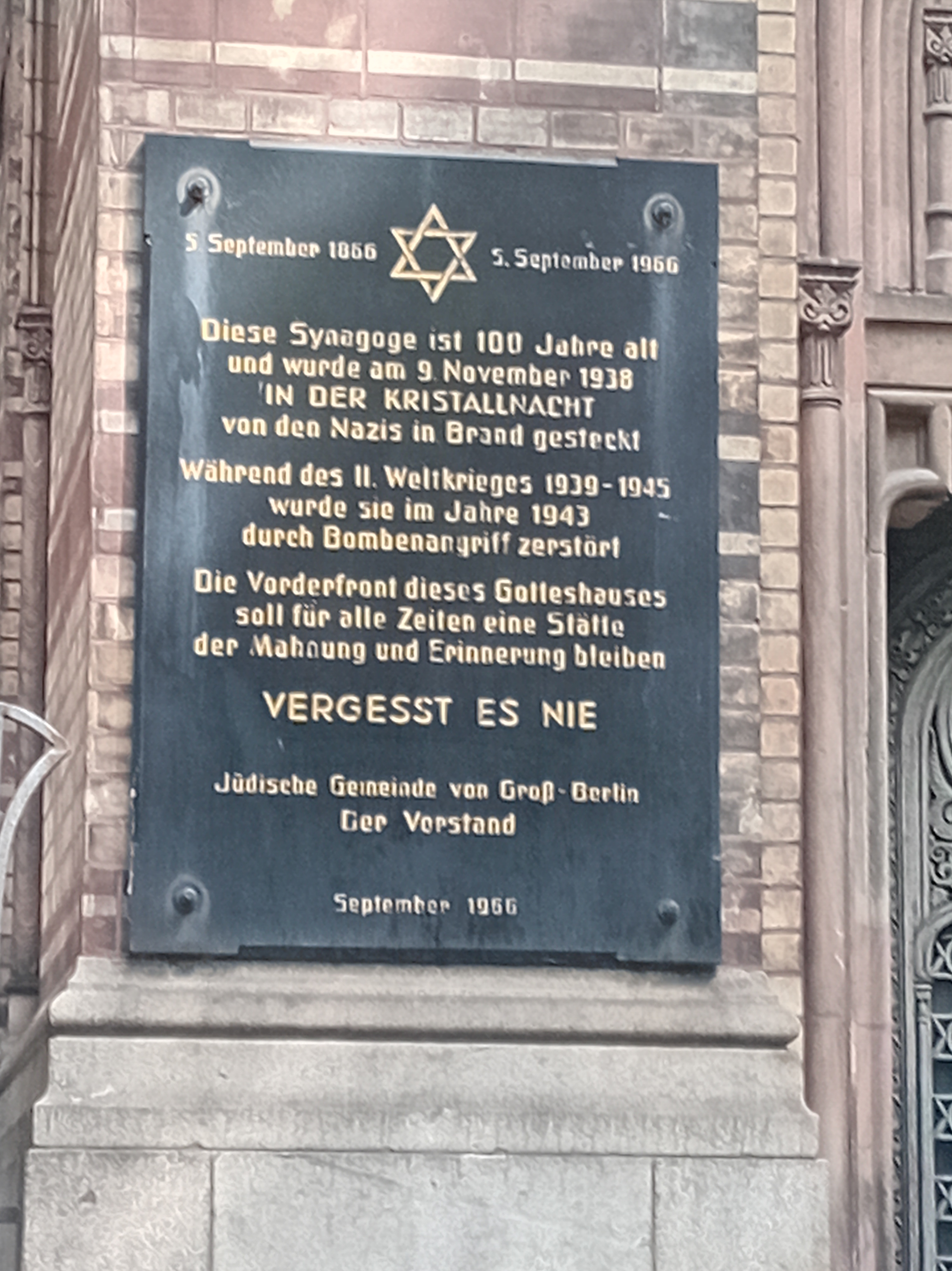
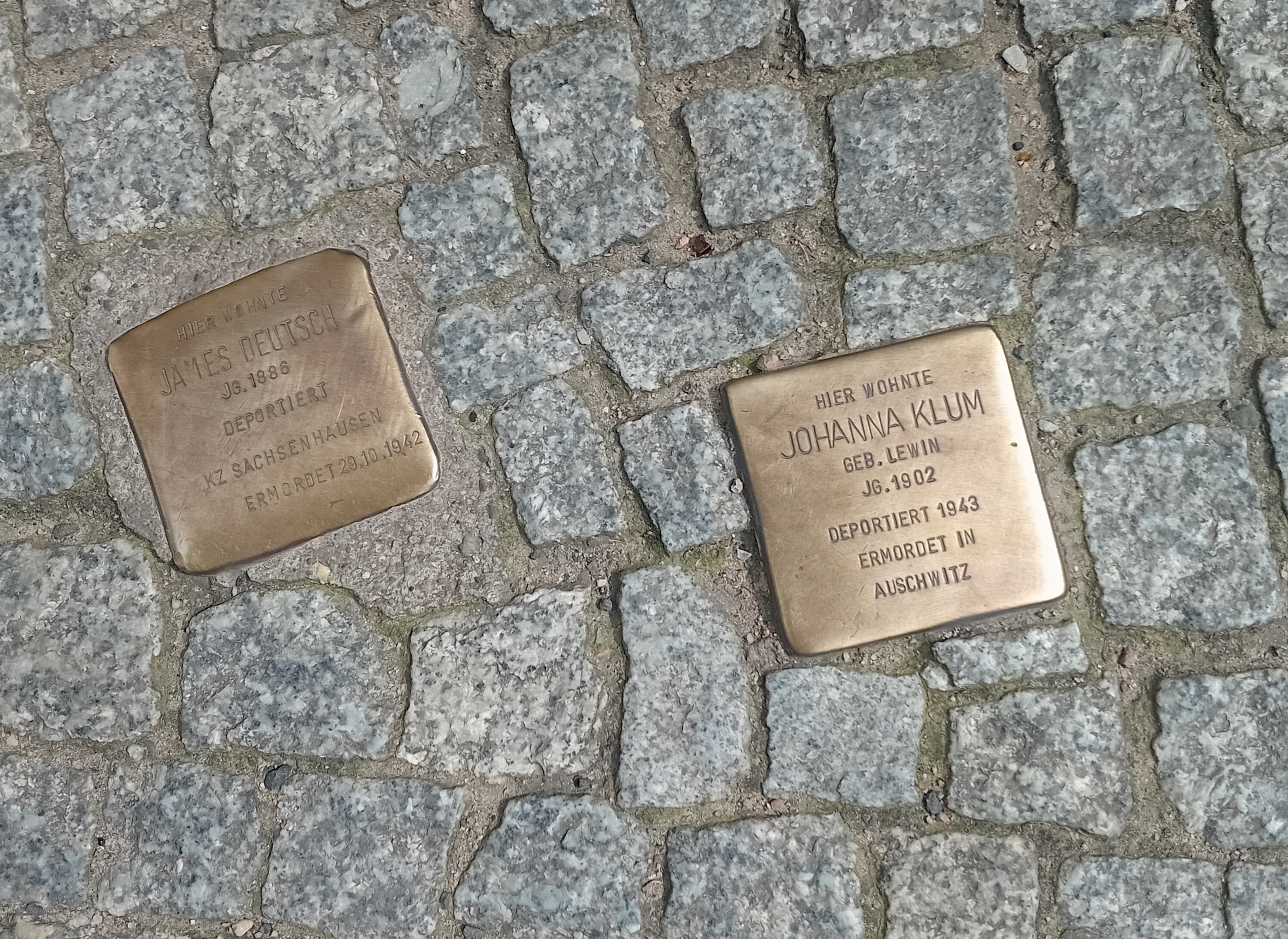
Berlin’s dark past is also evident in the pitted walls caused by small arms fire in the last ditch battle for the city in April/May 1945. But it is the numerous stumbling stones dotted around the cobbled streets that are the most poignant reminders of all. “Here lived Johanna Klum … deported 1943, murdered in Auschwitz”.

Our accommodation (a comfortable and spacious hotel apartment) was in the vibrant Mitte district, in which there are numerous funky stores, art galleries, restaurants and bars. On our last evening, we enjoyed a drink in a quaint courtyard cafe run by charming Vietnamese Berliners. We had a chat to the two young women sitting at the next table. They were Turkish-born, US-educated Berliners, who spoke impeccable English. The Mitte is cosmopolitan, modern and representative of present-day Berlin.

We came from away

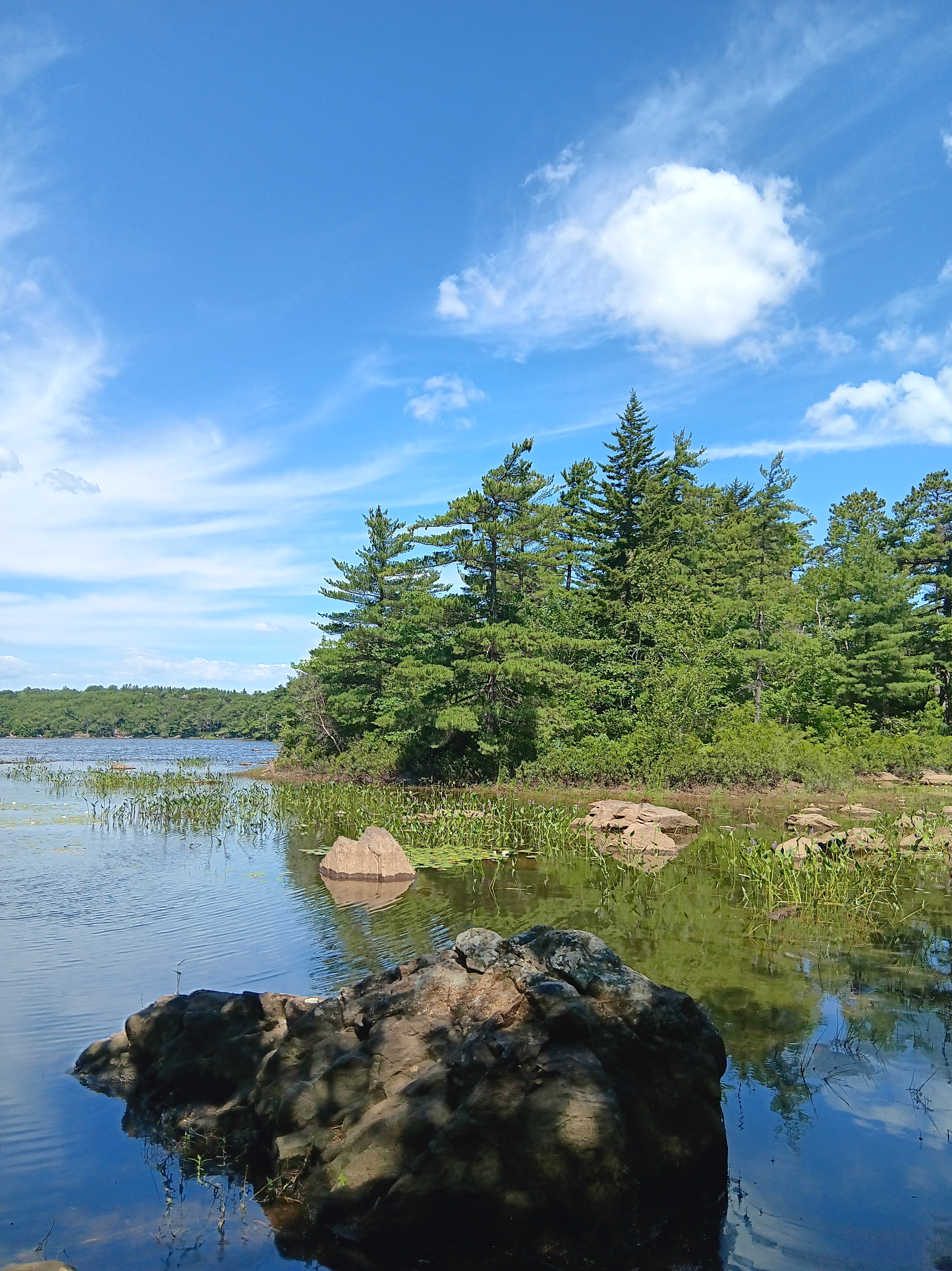
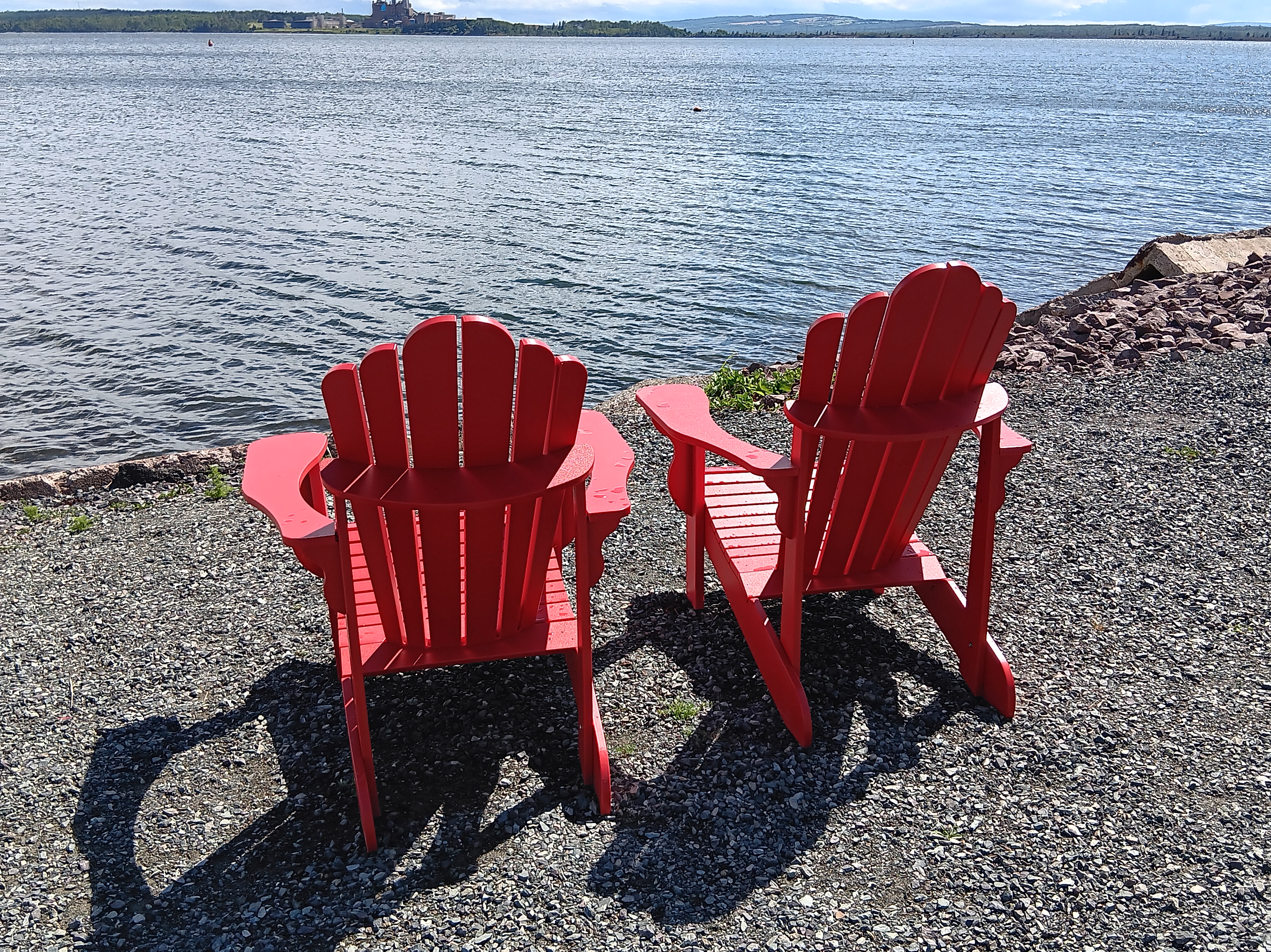
Nova Scotia is green with an abundance of trees growing right down to the water, and there are myriad waterviews in the charming city of Halifax. We stayed in a friend’s house nestled among tall trees on the edge of the Northwest Arm of the harbour, where we enjoyed Canadian hospitality and ate a lot of seafood – halibut, salmon, mussels and lobster. Halifax is overwhelmingly Scottish (not surprising in New Scotland!) and its colonial origins are on display at the Citadel historic site, dating back to 1749 when it became part of the defence complex built to defend the Halifax harbour from enemies of the British Empire. We heard the stirring sounds of bagpipes on our visit there and we climbed the ramparts to view the city and harbour below. We learnt a little about the Indigenous Mi’kmaw people who inhabited the Halifax region for 10,000 years before any colonial arrivals. Wandering along the harbourfront in brilliant sunshine, eating Cow’s Creamery ice cream (Canada’s best) was a very pleasant way to spend the afternoon.

Nova Scotia and the other provinces along the Atlantic coast are known collectively as the Maritimes. Fishing and boating are long-established here and there are many picturesque lighthouses in the bays and coves that are a feature of the coastline. Perhaps the most famous is the lighthouse at Peggy’s Cove, which has a sweet, though possibly apocryphal, story associated with it.

Anne of the Island

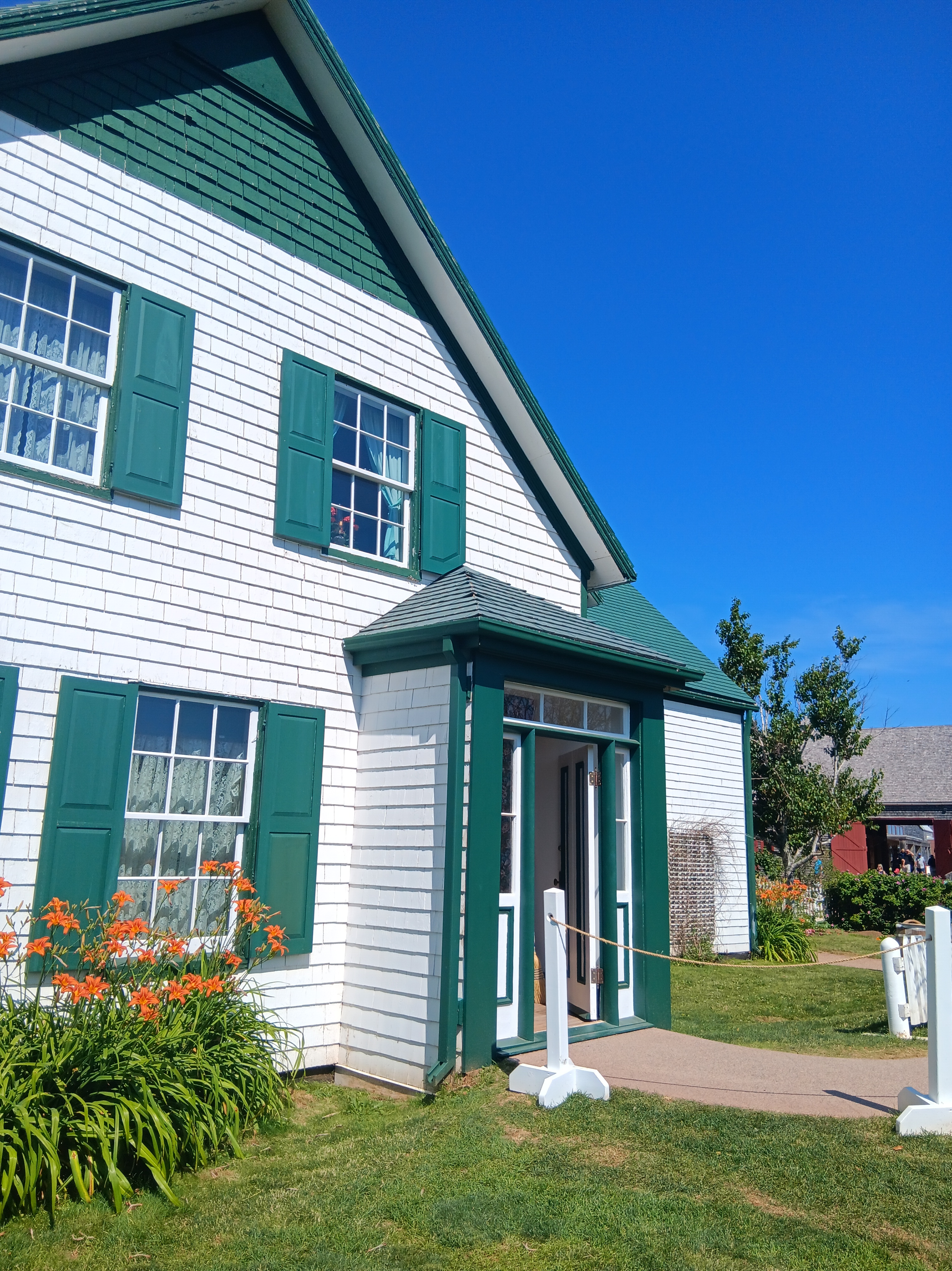
We spent a couple of days on Prince Edward Island, which I have wanted to see since I first realised that Anne Shirley, or rather her creator, L M Montgomery, came from there. There is a Green Gables heritage centre featuring a house and barn that approximates the fictional home that Anne shared with Matthew and Marilla Cuthbert. But it was the surrounding countryside and lanes through the woods that really evoked the spirit of the books for me – Lover’s Lane and the Haunted Wood! The whole island is dreamy, basking in the hot summer sun, its famous red cliffs glowing. It would be wonderful to see it in all the seasons that Montgomery describes in the Anne books. As I wandered, episodes from the stories kept occuring to me – a clear case of association by place!

Rocky mountain high

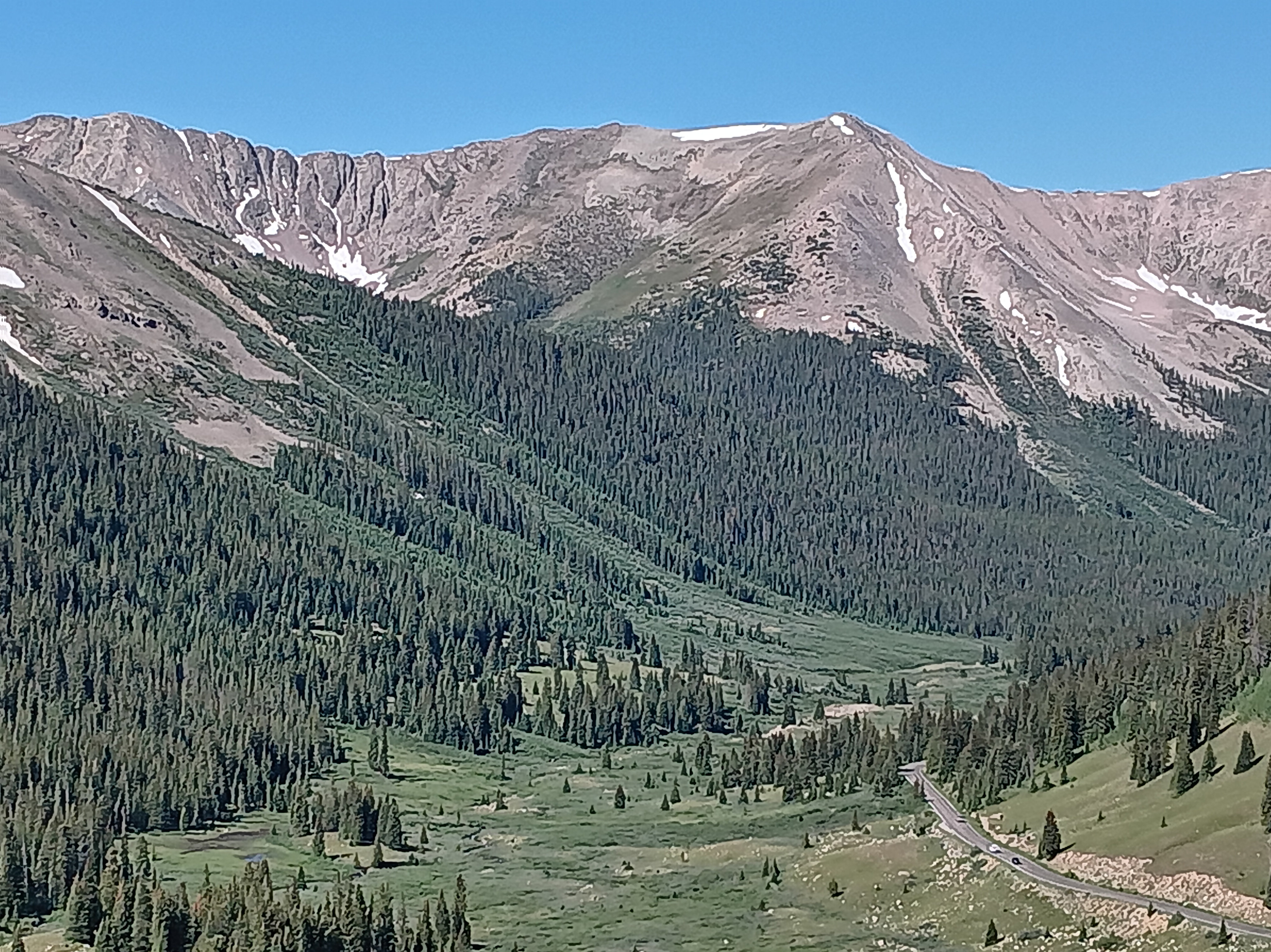
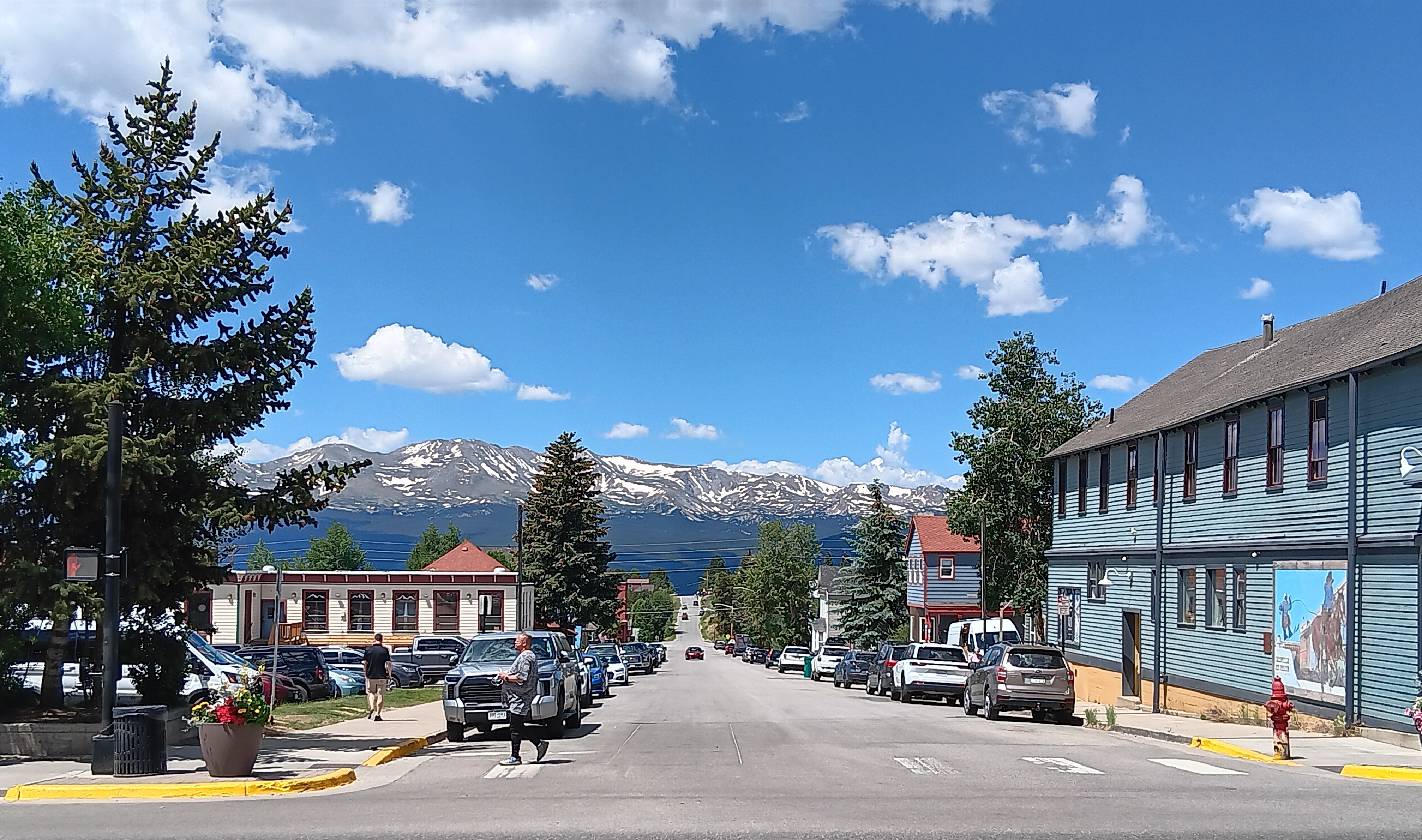
When you first cross from Utah into Colorado, you don’t notice much difference but after criss-crossing the Colorado River several times, the countryside becomes greener. As you get futher into the state, it becomes positively lush and the mountains are covered in greenery. The properous town of Aspen, its airport lined with private jets, is about as lush as it gets. From there we drove up a narrow, somewhat hair-raising, pass right through the spectacular Rocky Mountains.


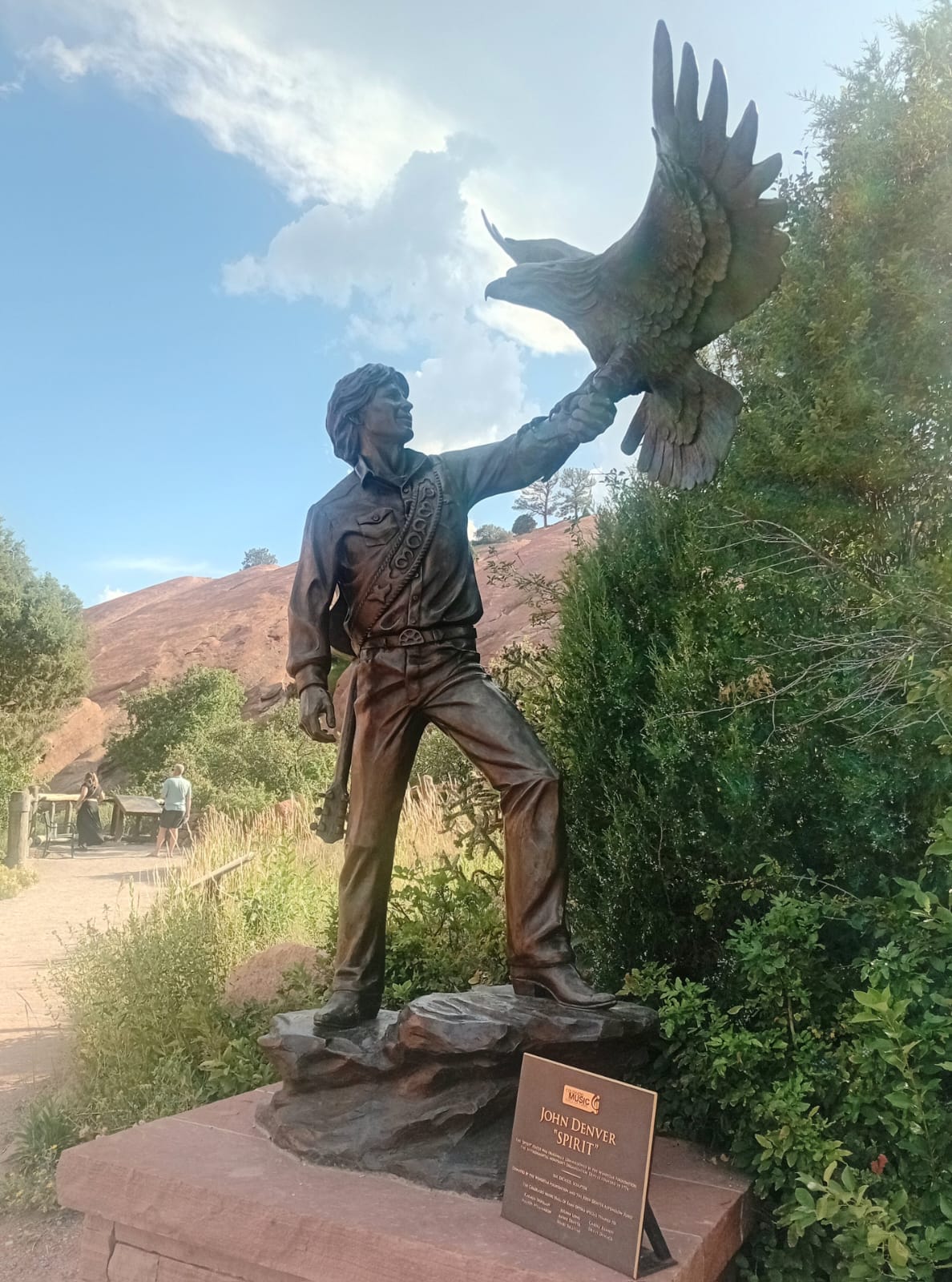
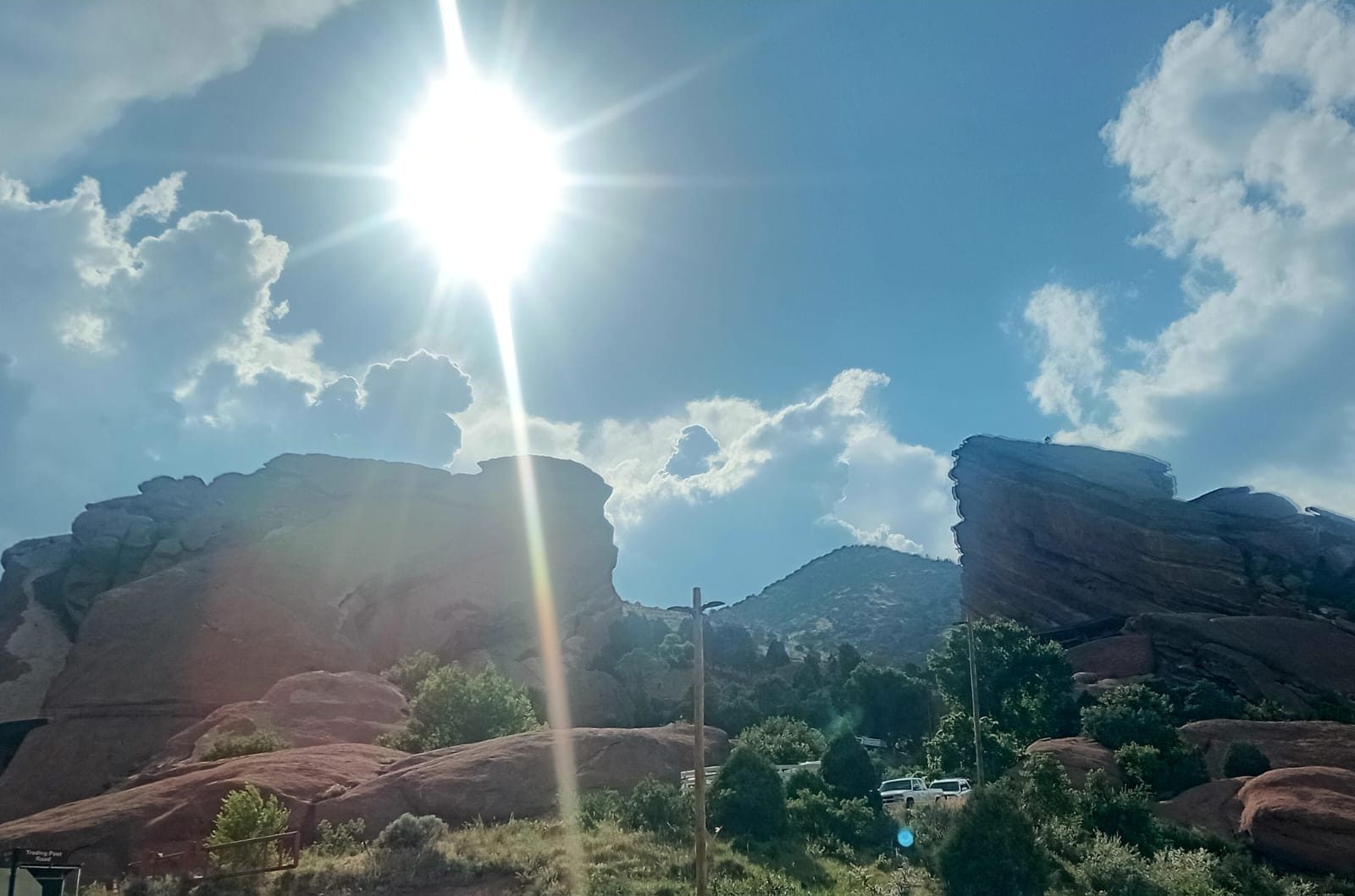
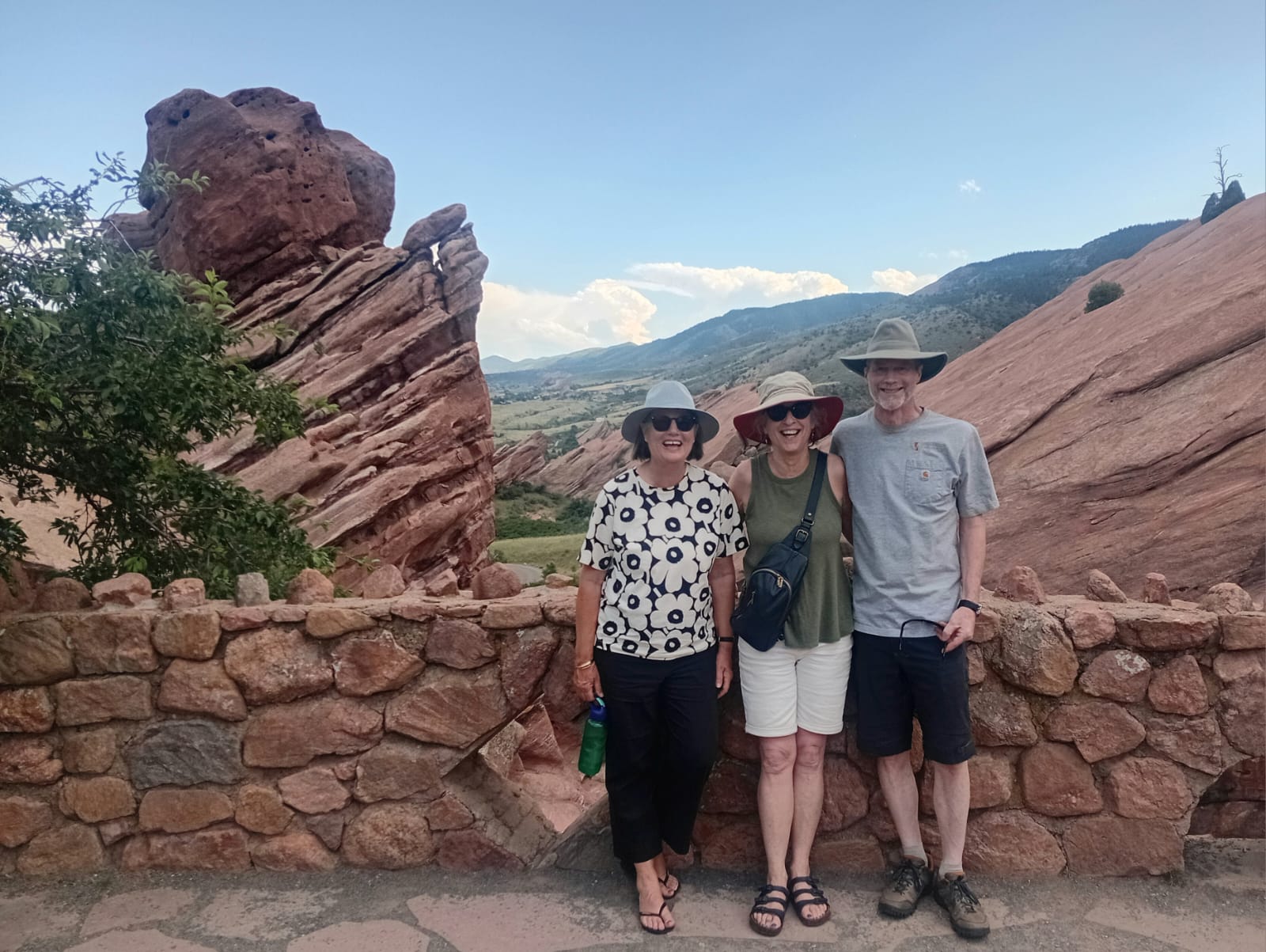
We stopped in the town of Leadville, where we had flat whites approximating what we’re used to in New Zealand, and then made our slow way into Denver in heavy traffic which was wending its way into the city after the Independence Day weekend. We stayed with good friends and it was a delight to catch up with them in their lovely Littleton house and garden. We didn’t venture downtown because of the heat. Instead we walked some of the tracks in a state park in the foothills of the Rockies, where the temperature was pleasant and the views majestic. We loved seeing the deer, squirrels and marmots feeding, seemingly unperturbed by our presence.

The driving part of our US leg was over and we returned the Jeep at the Denver airport. Jim managed driving on the right very well but we are headed for New York City where driving, at least for these Kiwis, is out of the question!

Rhythm of the saints

Santa Cruz (the holy cross), San Francisco (St Francis of Assissi), Sacramento (the holy sacrament).

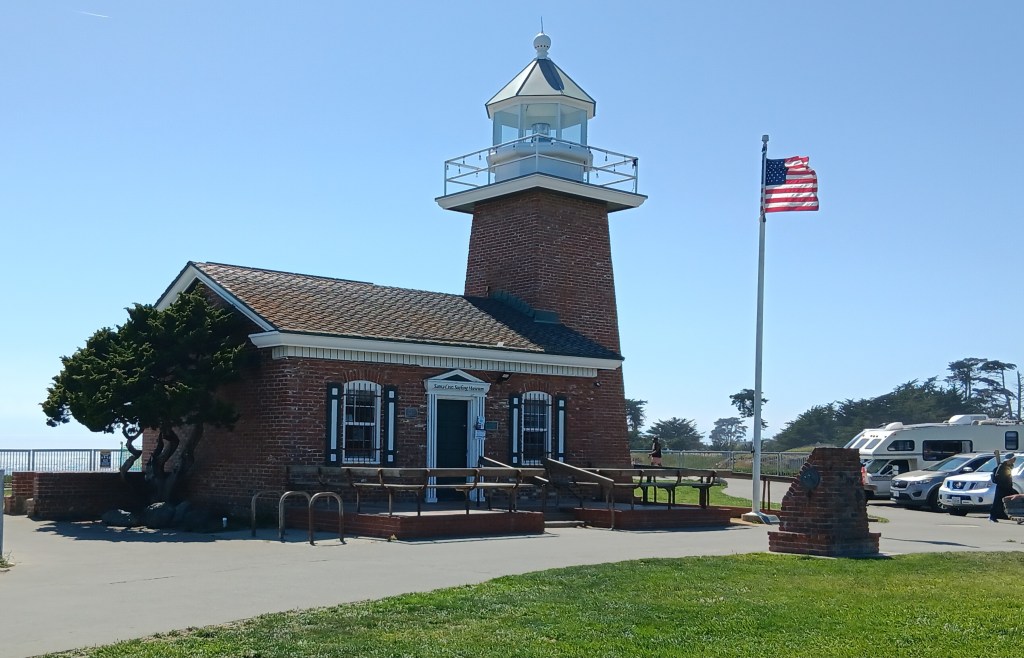
We spent our warmest day so far in Santa Cruz, walking along its famous boardwalk, watching screaming kids on the ferris wheel, popping into the O’Neill surf shop and walking along the longest pier in California. Golden seals populate the wooden platforms below the pier and vie for prime positions. Watching these sleek swimmers try to heave themselves onto a platform while those already basking in the sun try to keep them off was the best entertainment. Later we walked along the pathway that runs along the surf beaches and saw some intrepid surfers catch waves that broke off the point near the lighthouse and ride them till they reached rocks. All the while pelicans and seagulls soared overhead.

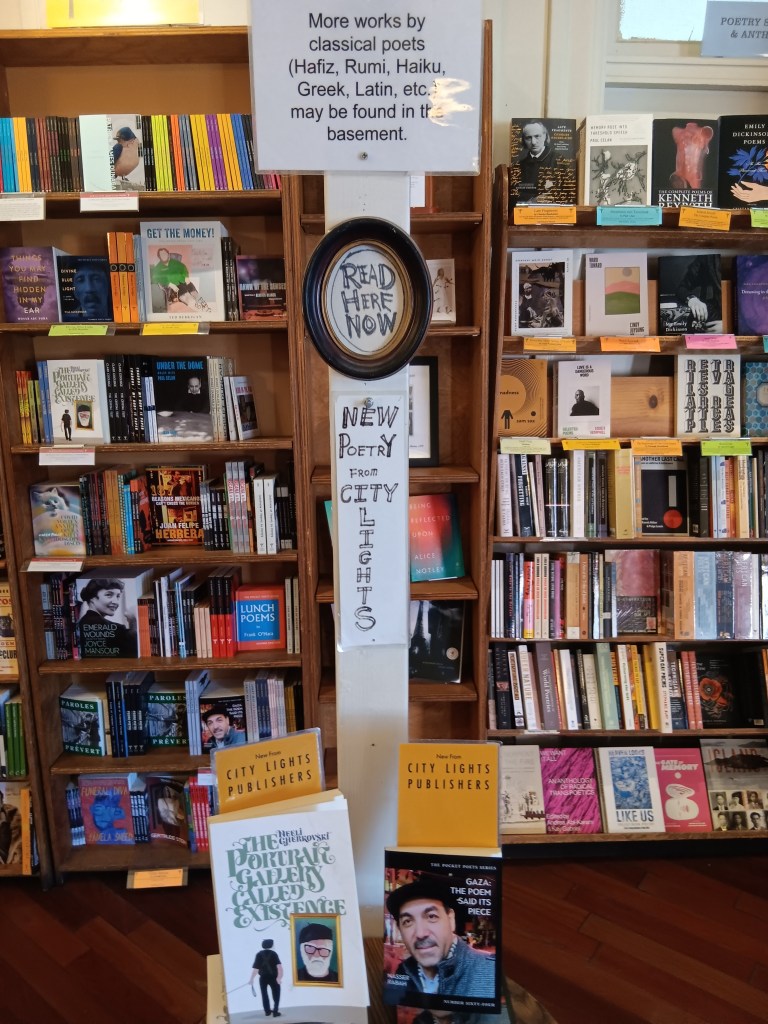
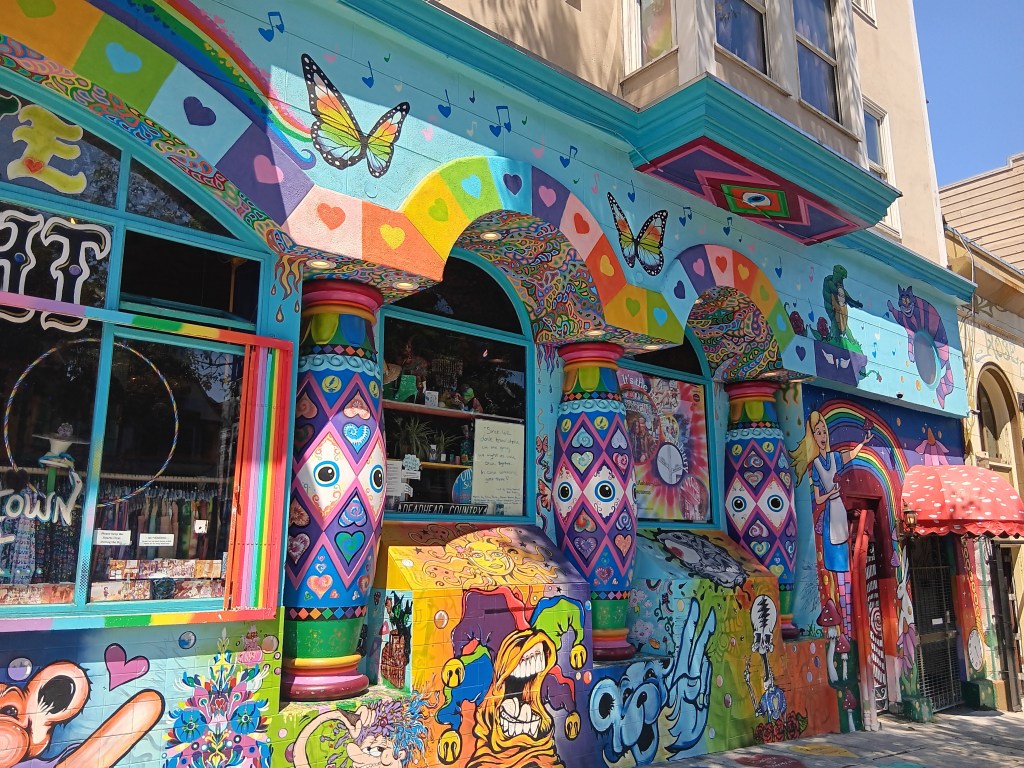
San Francisco is a beautiful city with its famous bridge, vertiginous streets, architectually pleasing buildings and ornately painted houses. Highlights were a browse in City Lights Books and a wander through the Haight Ashbury area. The Love on Haight store, whose slogan is “whatever the question, love is the answer”, keeps the spirit of the 60s alive.

But San Francisco also has masses of noisy traffic, large numbers of homeless people and it seemed almost every resident of the city has a dog, which can make some streets unpleasant to walk along. There is also the pervasive smell of marijuana, now legalised in California, wherever you go.

Sacramento’s origins go back to the gold rush of the 19th century and the building of the Pacific Railroad, vestiges of which can be seen in the Old Town. It is now the state capital of California with large and ornate buildings, like the City Hall and the Courthouse. It is also called the city of trees, which is appropriate as the wide streets in the city centre are flanked by huge trees providing welcome shade in the heat of summer. We had excellent coffees and shared a slice of delicious corn bread in a cafe run by friendly Guatemalan migrants. But the whole city has an air of neglect and there are a large number of homeless people living in the parks and tent cities.

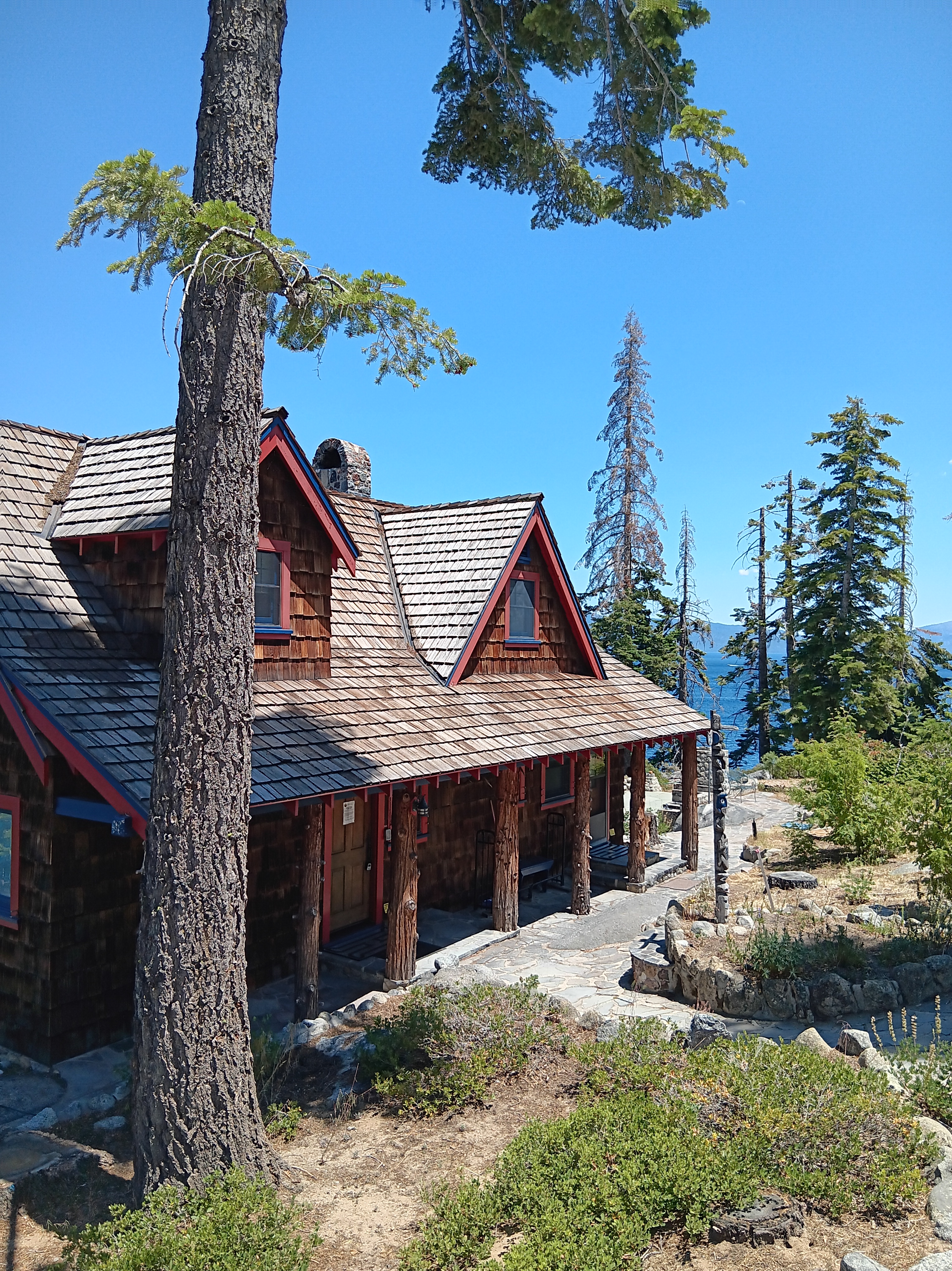
The surrounding areas are vast with tinder-dry fields of grass, which explain why the wild fires are so difficult to contain here. There are forests of tall pine trees and spectacular rivers, like the American River and the Truckee River, which rises in the Sierra Nevada mountains and is the sole outlet of Lake Tahoe. We saw the breathtaking mountains, which still have vestiges of snow, and deep-blue lake on a magnificent day. It was a fitting end to the Californian leg of our trip. Now onto Utah and Colorado!

California dreaming

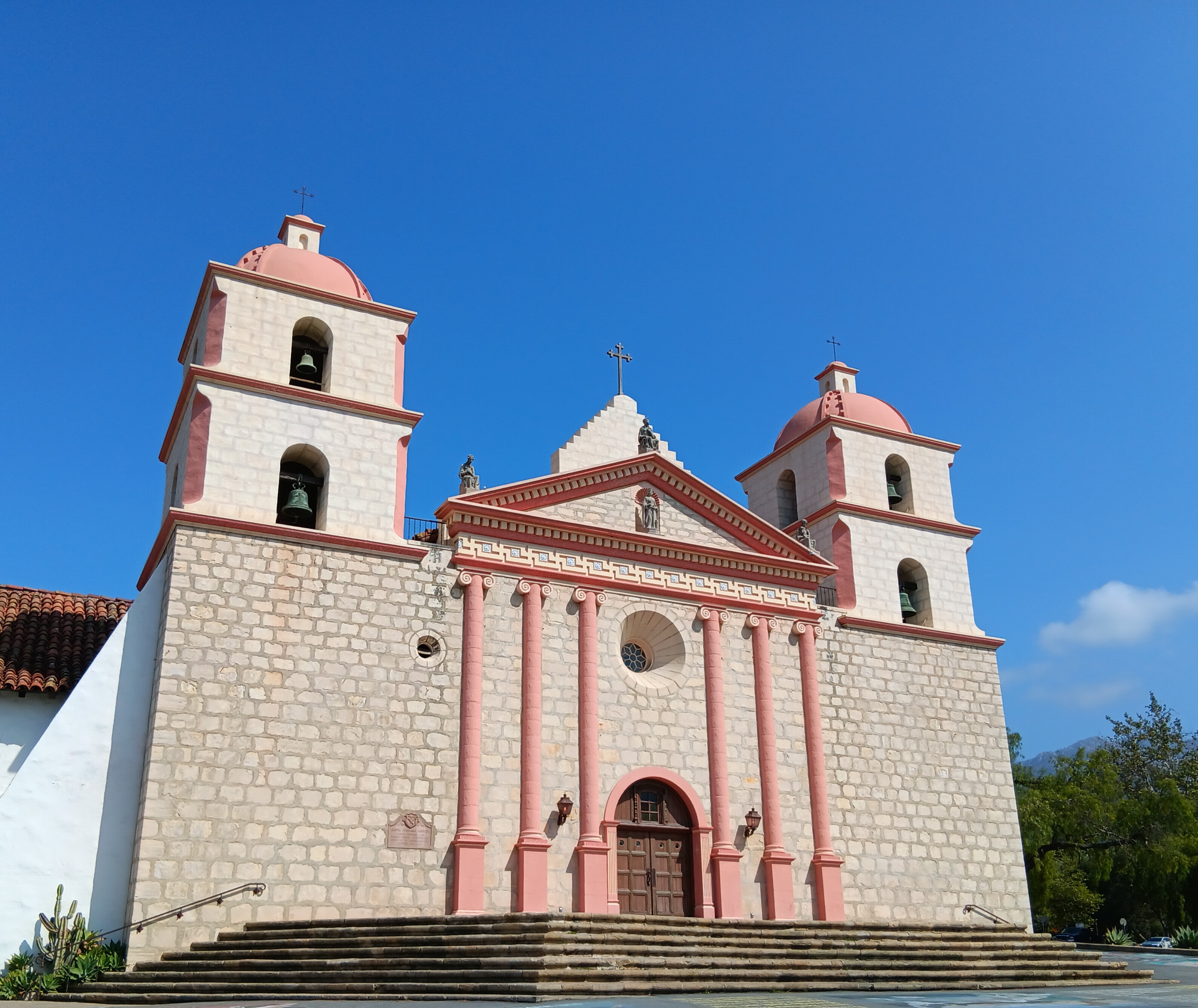
We arrived at LAX, picked up a rental car and manouvred our way out of that frenetic city via various freeways up the coast to Santa Barbara. One is immediately struck by the Spanish influence not only in the names of almost all the towns and cities but also in the architecture. There are impressive mission buildings in Santa Barbara, San Luis Obispo and Carmel-by-the-sea, dating from the 18th century. They are still active religious centres and hold regular masses.

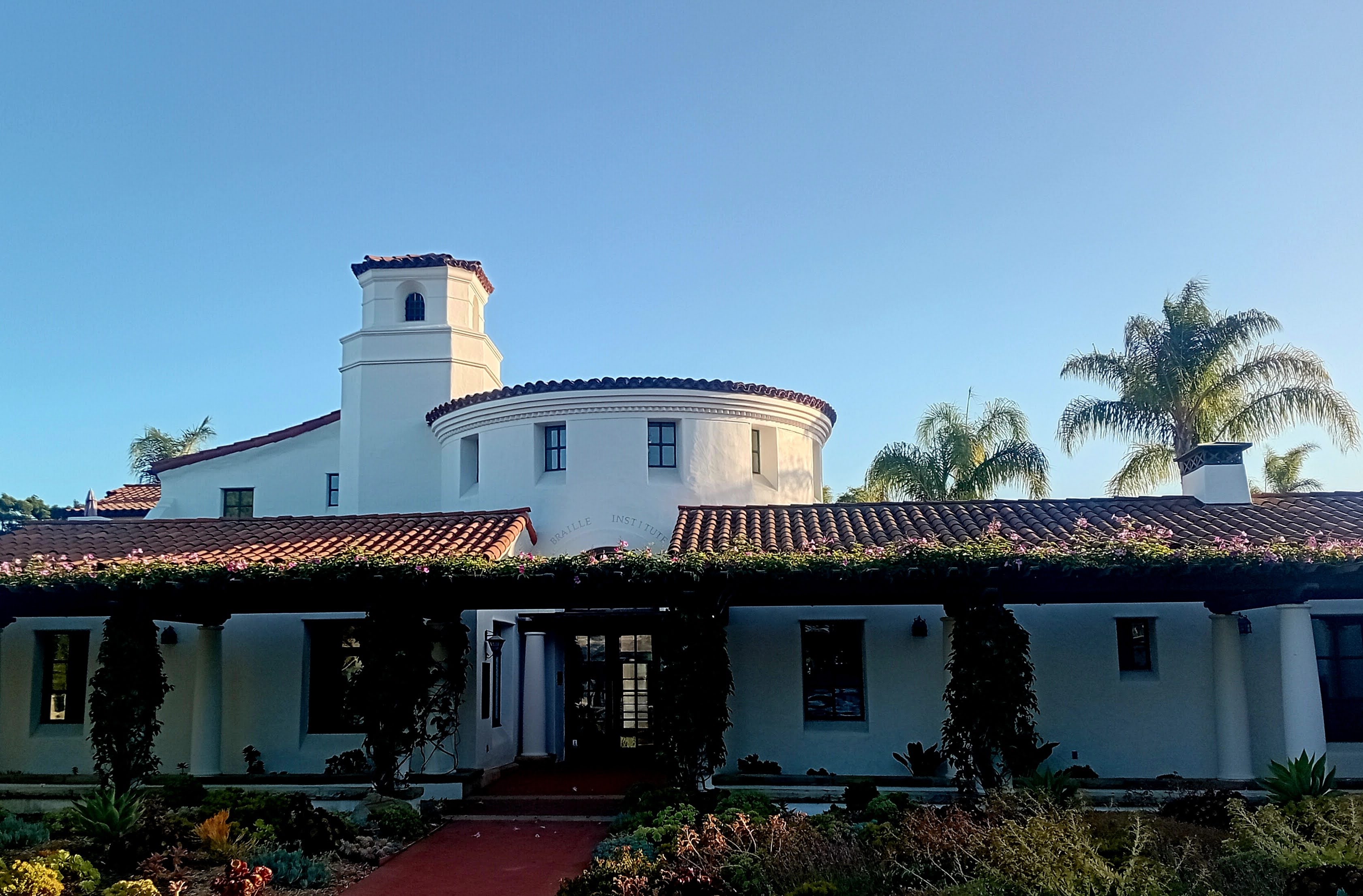
Wherever you go, there are beautiful gardens filled with hardy plants that can withstand the rigours of a dry, windy climate and there are very few lawns. And palm trees are ubiquitous.

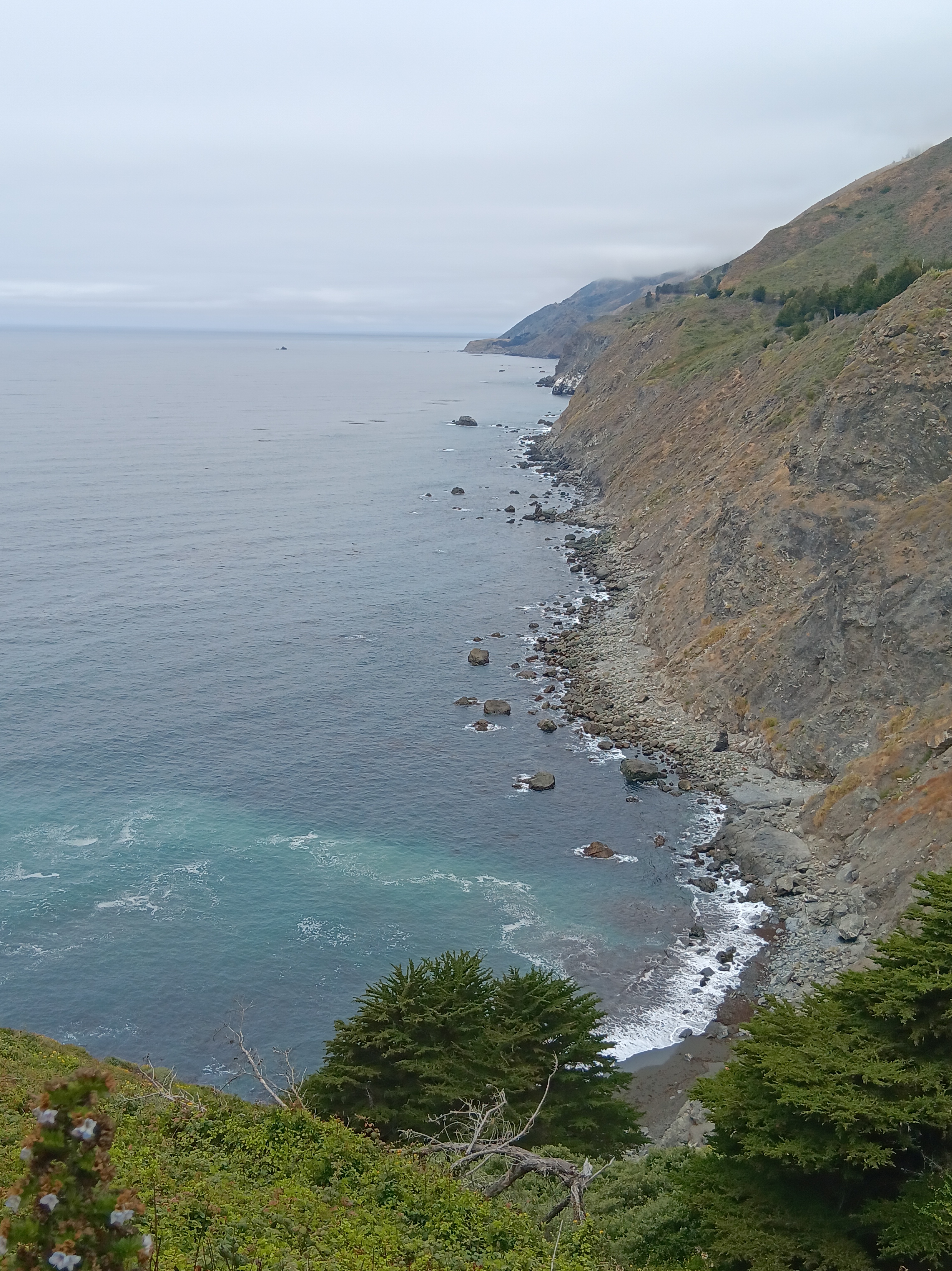
The California coast is spectacular with huge variety, from wide white-sand bays to densely vegetated dunes to dramatic cliffs and crashing surf. Big Sur is almost impossible to describe with sheer granite inclines straight from the water and the road follows the curves of the coast so that you are sitting on the edge of your seat waiting to see what’s around the next bend.

America is also everything that you expect – traffic-filled freeways, friendly helpful people you meet when checking into accommodation or asking for directions (‘you’re very welcome’), grocery stores with a bewildering number of aisles and selection of products, gas stations with immaculate restrooms and massive utes/RVs/trailers everywhere.

We’ve seen an array of wildlife along the coast: sealions, pelicans, elephant seals and adorable sea otters. The mammals come into the bays during spring and summer to give birth to and nuture their young. We watched a nursery of sea otters mums and pups among the kelp in Monterey Bay.

And our California days are continuing with Santa Cruz, San Francisco and Sacramento still to come.

Sound and fury

One of the pleasures of living where I do now is walking along the paths that run beside the Waikato River. It is peaceful away from the roads and one is aware of the sounds of the water and the birds among the trees that proliferate along the river. But this morning as I turned onto the river path, I heard the roar and screech of powerboats racing up the river. I have never understood the attraction of going as fast as you can in a straight line – what does it signify? To quote Shakespeare, it is “full of sound and fury, signifying nothing”. It is not nothing though to disturb the peace of a Sunday morning, to say nothing of the effect on the fish and birds in and around the river. My neck tensed and my shoulders rose – the complete opposite of the relaxation a peaceful walk usually engenders. Finally, the last boat and jet ski went on their clamorous way up the river and peace descended. Birdsong could be heard, though the screech of a kingfisher now sounded like a rebuke. Coincidentally some distant neighbours had a noisy party last night that went on into the early hours. Fortunately, we are a little distance away but I felt sorry for their immediate neighbours. Why it is that certain people feel free to disturb the peace of everyone around them? I guess I’ll never know the answer but feel grateful that our neighbourhood is usually peaceful and relatively quiet.
Fragility

30 September 2022

Readers of this blog will know that we live next door to a free-range chicken farm*. The chickens make uninhibited use of the garden around our house, which can be annoying, despite the occasional gift of eggs laid behind the garage. They scratch deep holes in the grass, they get into the vege garden given half a chance and when it rains, they shelter in our doorway, leaving noisome deposits all over the entrance. But in many ways, they are endearing with their beautiful plumage and their ditzy meanderings, and their fluffy, chirping chicks are adorable. We have had a mother hen and her brood in and out of our garden this spring. She started off with eight, which reduced to five in the first couple of days. These chicks have survived for a couple of weeks – every morning, we count the fluffy heads and are relieved when there are still five …

… till this morning when the mother hen and one of her chicks were flattened by a truck on the road directly outside our house. When I saw the feathers flying around and heard the remaining chicks, who will now not survive, cheeping frantically, I felt first sick and then sad. My thoughts since then have been overwhelmingly about the fragility, the uncertainty of life.
People who grow up on farms often say they are more realistic about life and death than others who are not confronted with it on a regular basis. After my sickening experience with the hen and her chick, I saw a herd of cows and their calves running into the paddock behind our house. They had just been let into this expanse of lush green grass and they all ran around joyfully for a while before putting their heads down to graze. Life on one side of the house and death on the road on the other.

If you have not experienced profound grief, it can be difficult to fully sympathise with someone who has. Though sad, it is normal to lose one’s grandparents and parents. However, those who lose their parents when they are children, or a long-lived and much-loved partner, or that worst of all losses, a child, suffer profound loss, which perhaps can only be fully understood by others who have experienced a similar loss. Queen Elizabeth memorably said that grief is the price we pay for love. It may be that, after losing someone we love deeply, we can eventually feel gratitude for having experienced the great love that engenders the overwhelming grief.

*Since writing this, we’ve moved from the farm into the city – perhaps fortuitous given the subject of this piece!

Sounds vs noise

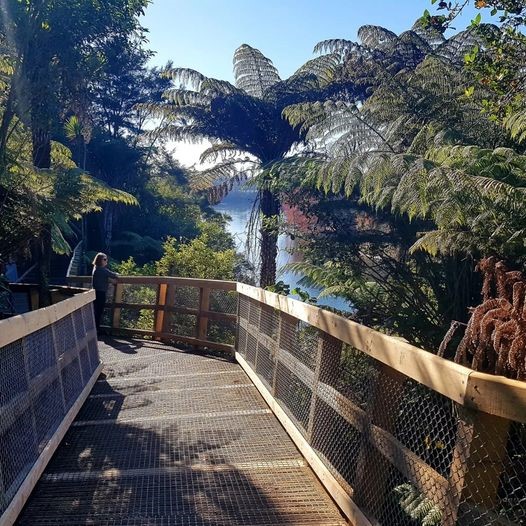
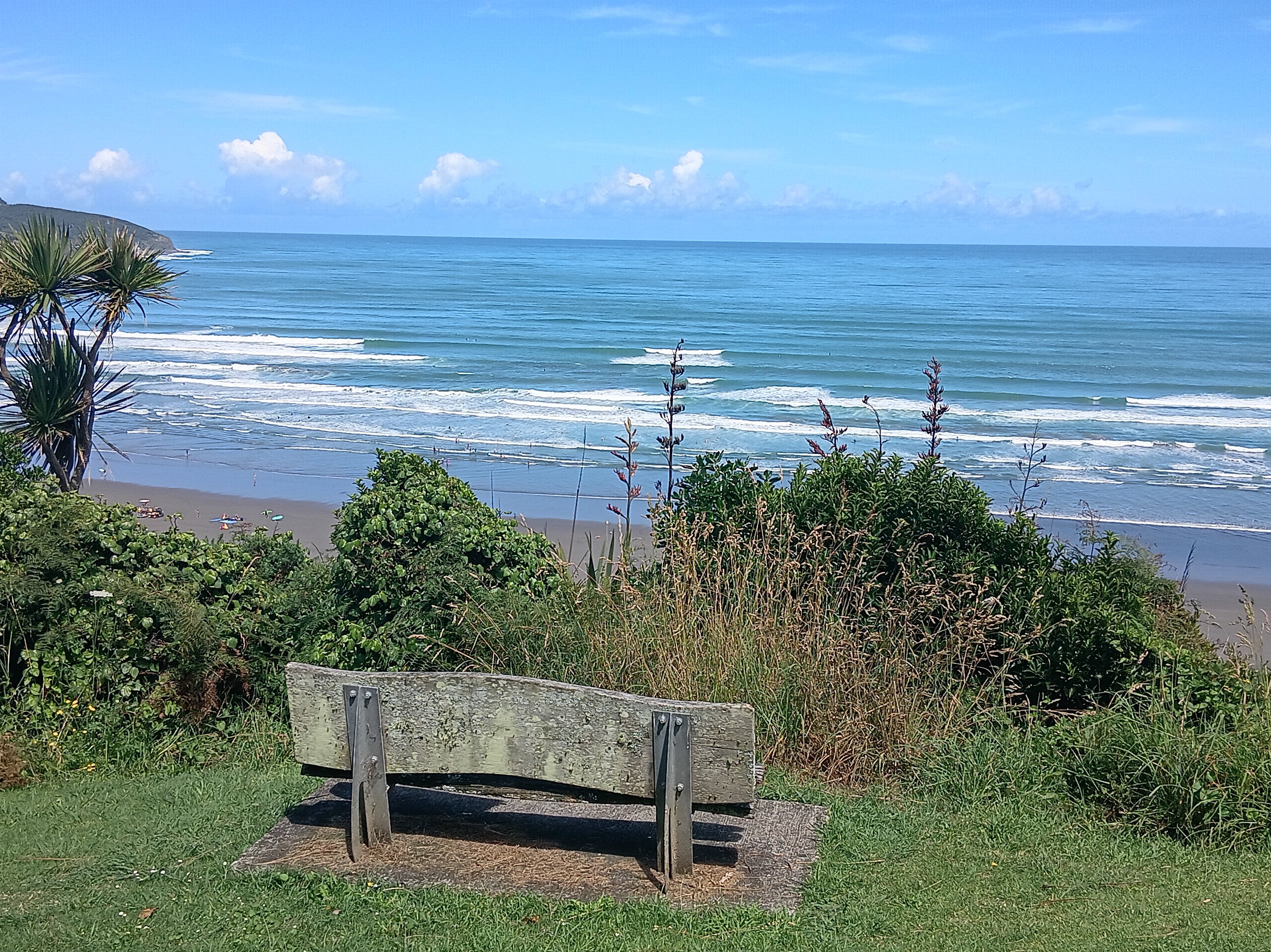
I did my favourite Raglan walk today – through the Bryant reserve, along the beach and then back to the bush track that takes me to the lookout, where I snapped the photos above. One of the delights of this walk is the sounds – the boom and crash of the waves, the cries of the gulls and the calls of the birds that frequent the bush, the sighing of the trees in the breeze – which is why I don’t emulate those who walk with headphones plugged into their ears. Most of the human activity is muted – the occasional shout of a child finding the water colder than they’d expected, people one passes on the track saying hi, the slap of a surfboard hitting a wave. But today, the high-pitched whine of several jet-skis could be heard even above the sound of the surf. They set out at speed from the Manu Bay jetty, accelerated along a stretch of coastline and then performed noisy U-turns before heading back the way they’d come. They repeated this several times, with no discernable purpose apart from going as fast as they could, making as much noise as they could. On my way back to the track I passed a couple sitting on a bench overlooking the beach far below. I have often sat there myself, enjoying the view and listening to the waves. But this couple were playing music from some sort of portable device – why is it always music with a repetitive beat and inane lyrics (she asks judgmentally)? And then there are always a few people who fail to remove their dog’s droppings, which is not noisy but noisome for others using the track. It was a relief to get to the lookout and enjoy the quiet of the bush all around, watching the silent surfers below and the silent paraglider above.