Greek idyll

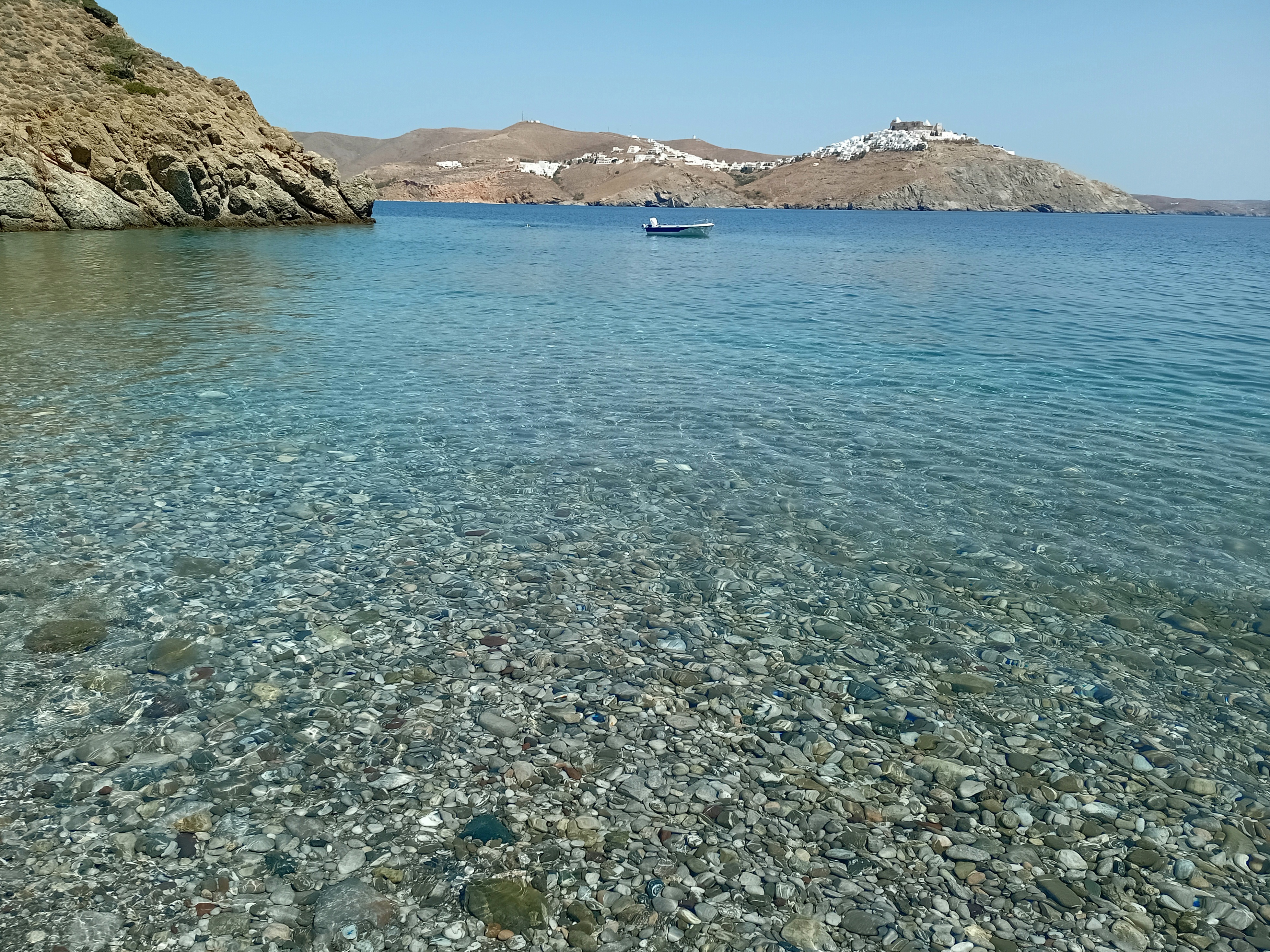
The island of Astypalea is a rocky outcrop in an azure Aegean sea. It is so rocky and barren that it’s a wonder anything grows here. But it does. Beside the cottage that we’ve been staying in this week, there is a productive garden in which there are grape vines, pomegranate trees, tomato bushes, fig trees and some flowers. Our Greek neighbour came into the garden two nights ago to harvest some of the fruit and very generously gave us a pomegranate, some tomatoes and grapes and a fig. There are farms on the island, which we’ve seen on our travels around it on our rented scooter. They look completely barren except for bee hives, goats and olive groves.

The appeal of this island for tourists is easy to see. There are many beautiful beaches with shady trees and amazingly clear, blue water for swimming. There are also myriad tavernas, some of which set their tables and chairs in the sand right on the beach, and interesting little shops and cafes in the main settlement of Chora. There are only just over 1000 permanent inhabitants and no harbour big enough for cruise ships, which makes it an ‘unspoilt’ Greek island, unlike Mykonos or Santorini. However, with falling amounts of rainfall due to climate change, water may soon become an issue and there is talk of establishing a desalination plant, though that is costly.
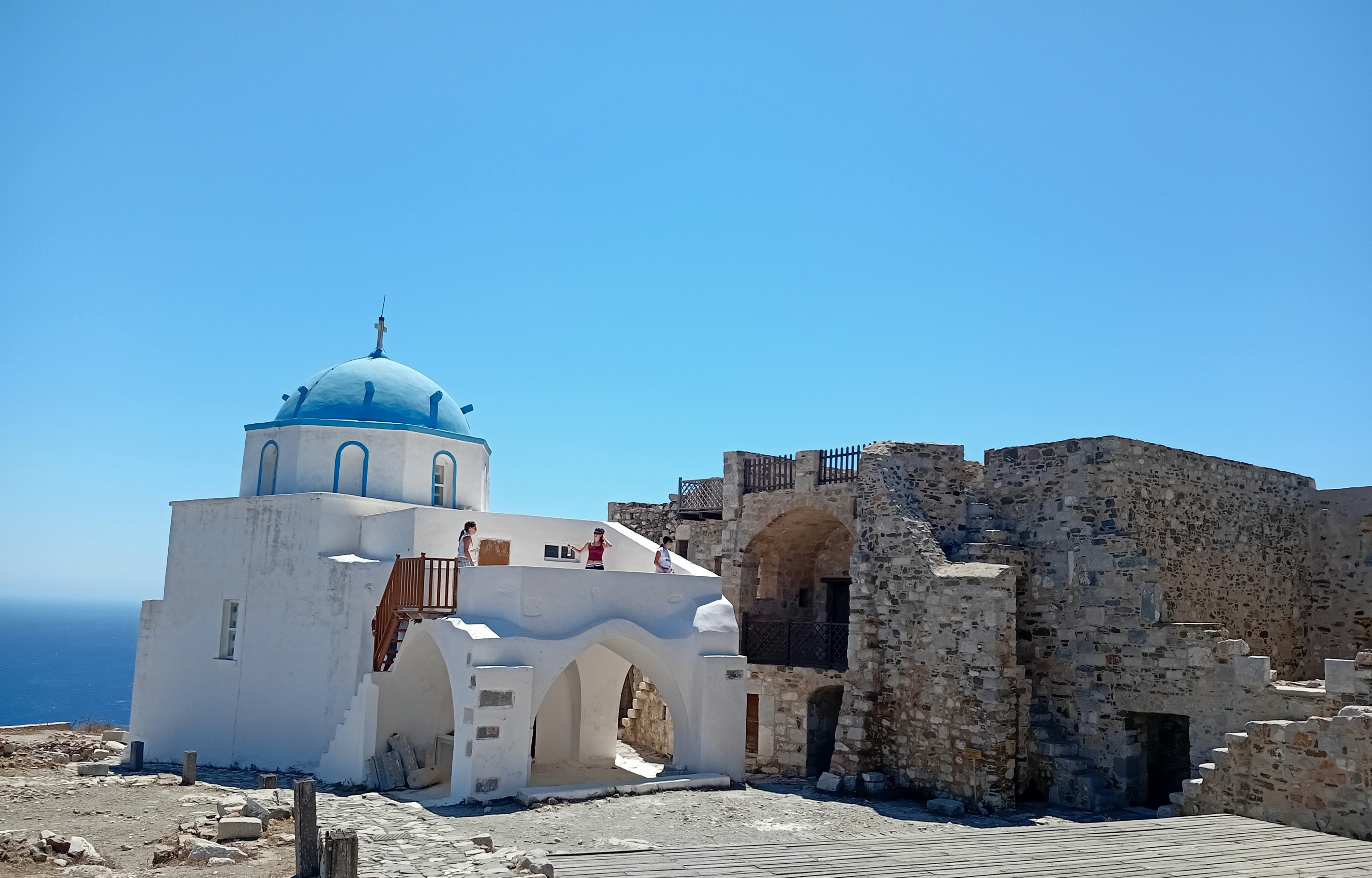
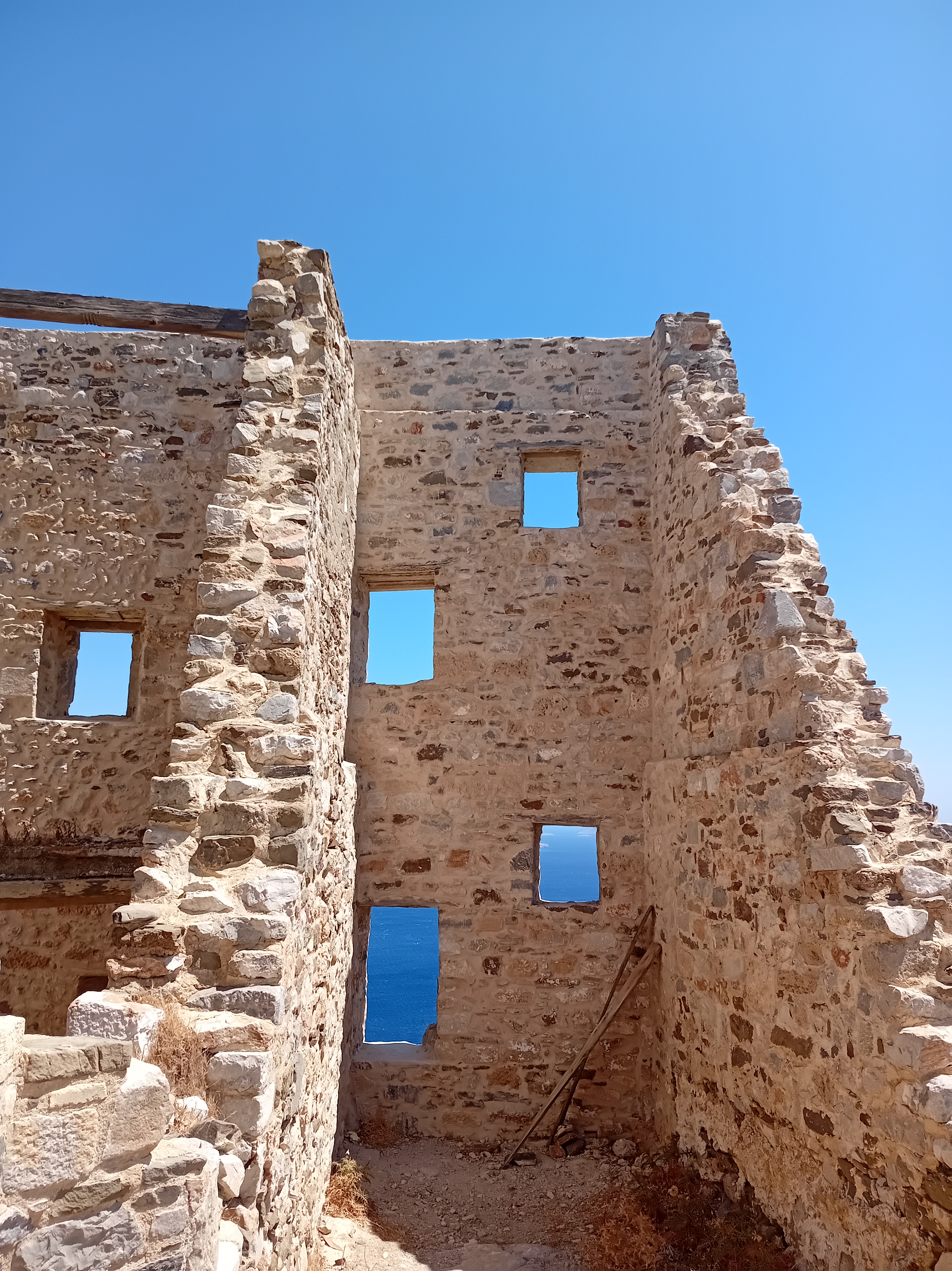
At the highest point on the island are the remains of a Venetian fortress, built in the 15th century as protection against pirates who terrorised the Mediterranean. A huge earthquake in 1956 brought much of the fortress down and there are still areas cordoned off because they are dangerous. There are two churches on the site, picturesque in their whitewash with blue trim and bells that chime in the wind.

Our cottage has a courtyard complete with olive tree and the remains of the well and outside oven that would have served the original house. We’ve enjoyed eating our breakfast out there when there is still enough shade to keep us cool and then again in the evenings as the sun is losing its heat and the shadows lengthen. Our days on this idyllic island have been spent exploring on the scooter and finding unbelievably beautiful beaches, where we can swim and lie the shade to dry off and doze. It will be hard to leave and return to a New Zealand winter. But it will be good to be home!
Carinthian countryside

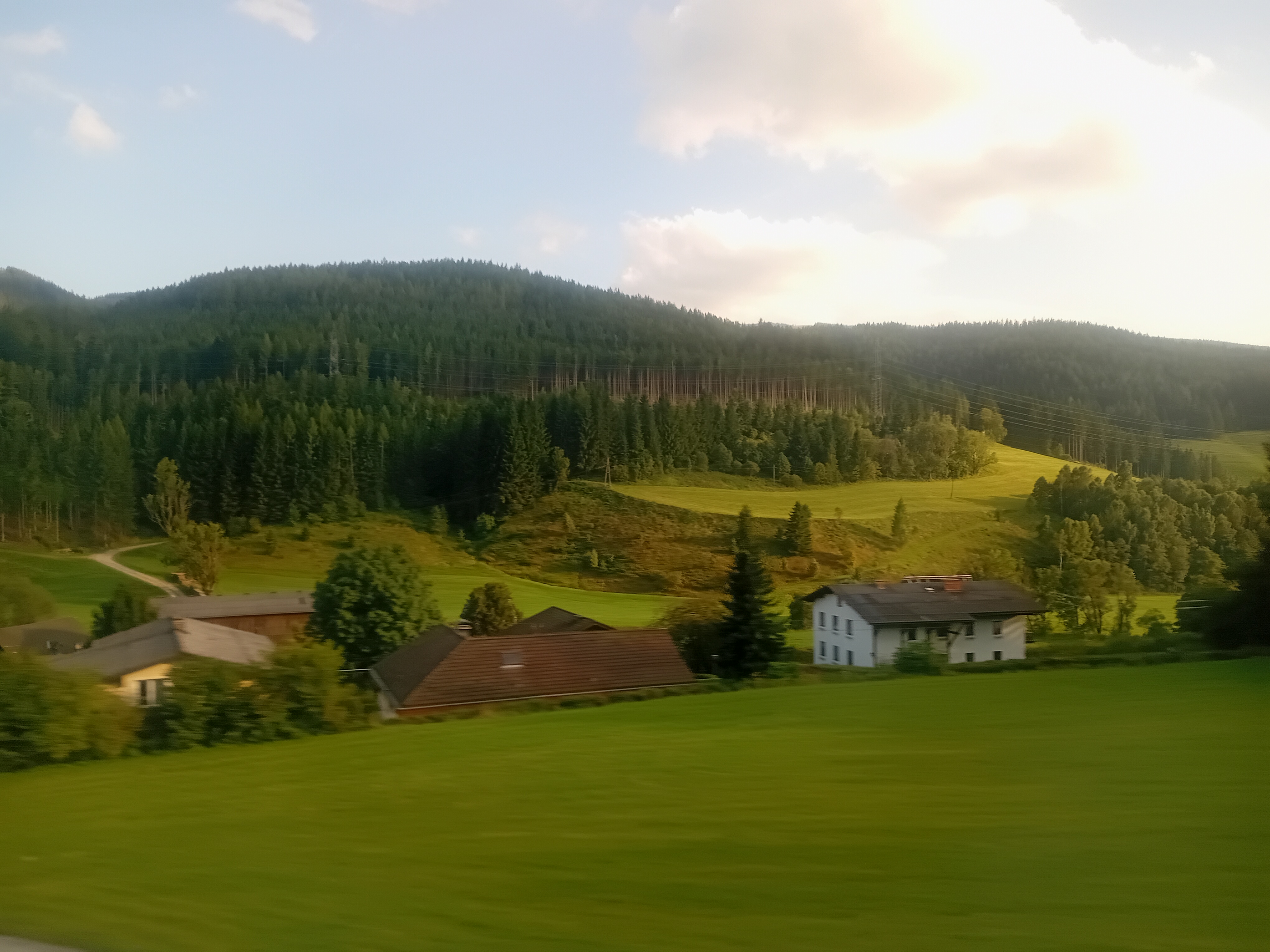
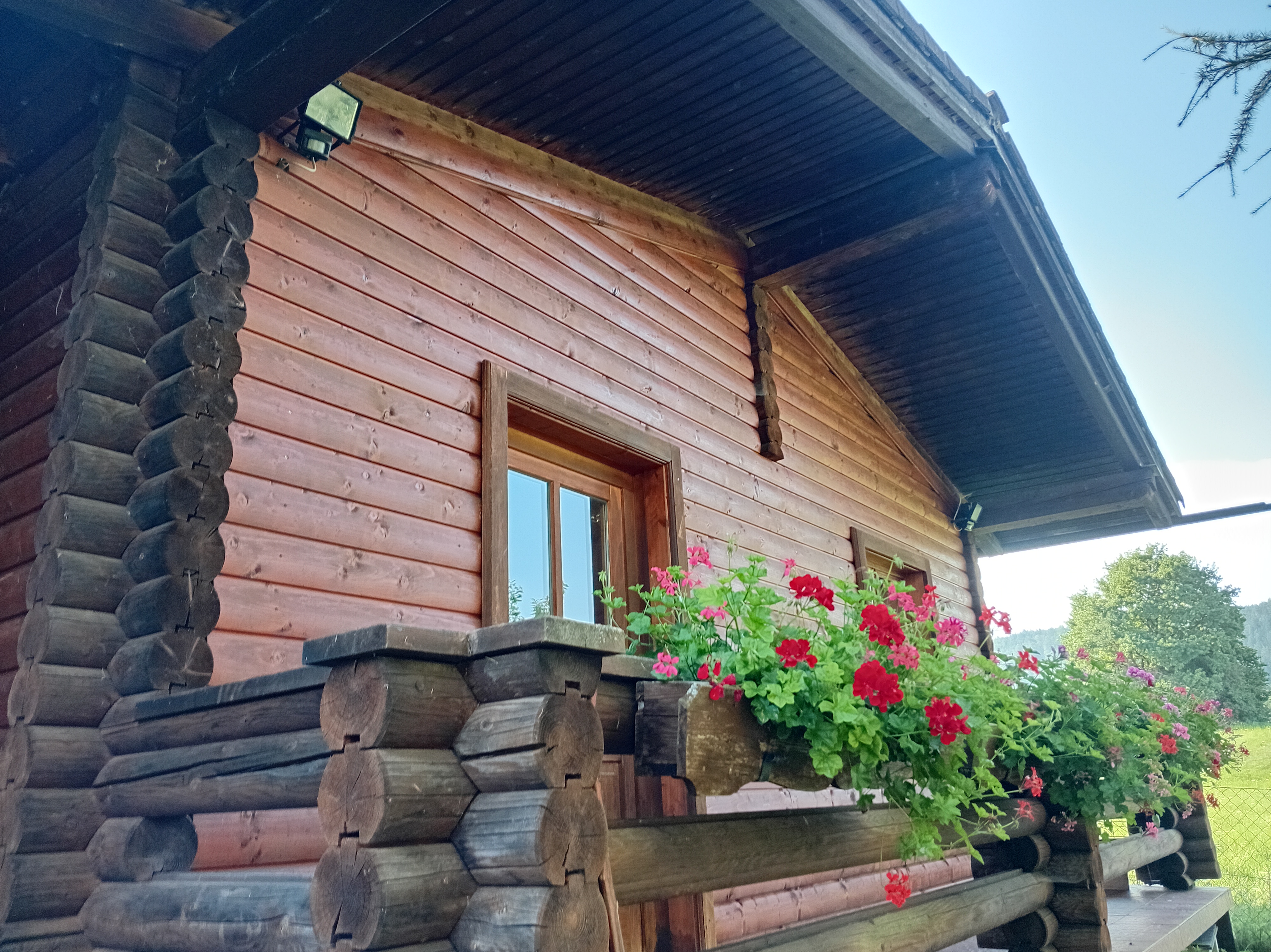
After a four-hour train ride from Vienna, we arrived in Villach, the second largest town in the southernmost Austrian region of Carinthia. Our friends have a rural property outside the town and we stayed in a self-contained chalet behind their house, complete with sleeping loft and skylight. It was fantastic! The scenery is spectacular – dense green forests, fields of tall grasses and meadow flowers, deep-blue lakes and vertiginous mountains. One morning we drove up into the foothills and then walked to a look-out point from which we could view the alps that separate Austria and Italy.

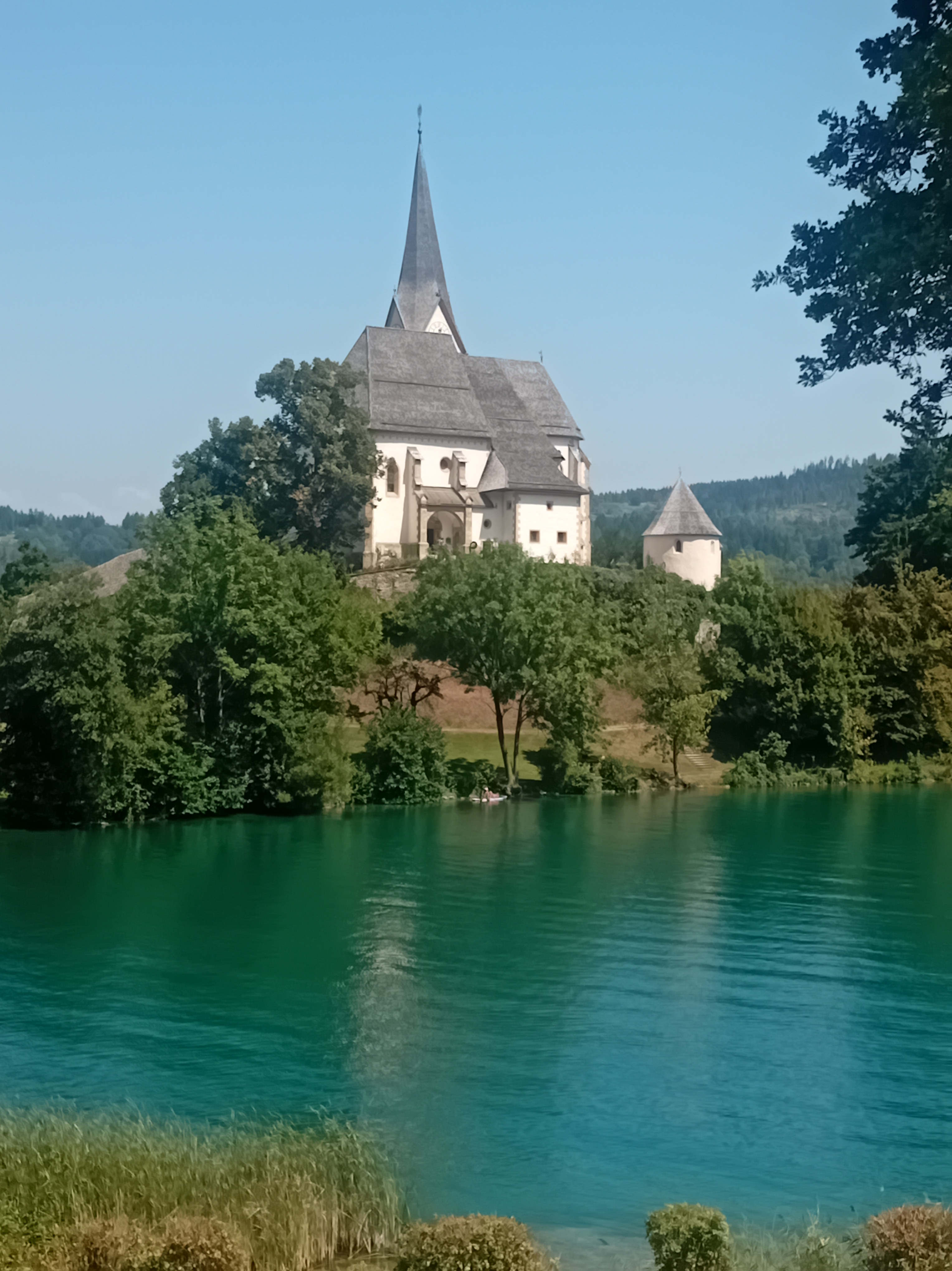
The area has been inhabited since the Bronze Age and burial mounds and lake dwellings have been excavated in the region. There are also Roman remains and churches going back to medieval times. It is well-known as a Marian pilgrimage route and there are a number of churches dedicated to Mary that pilgrims visit along the 266 km trail.

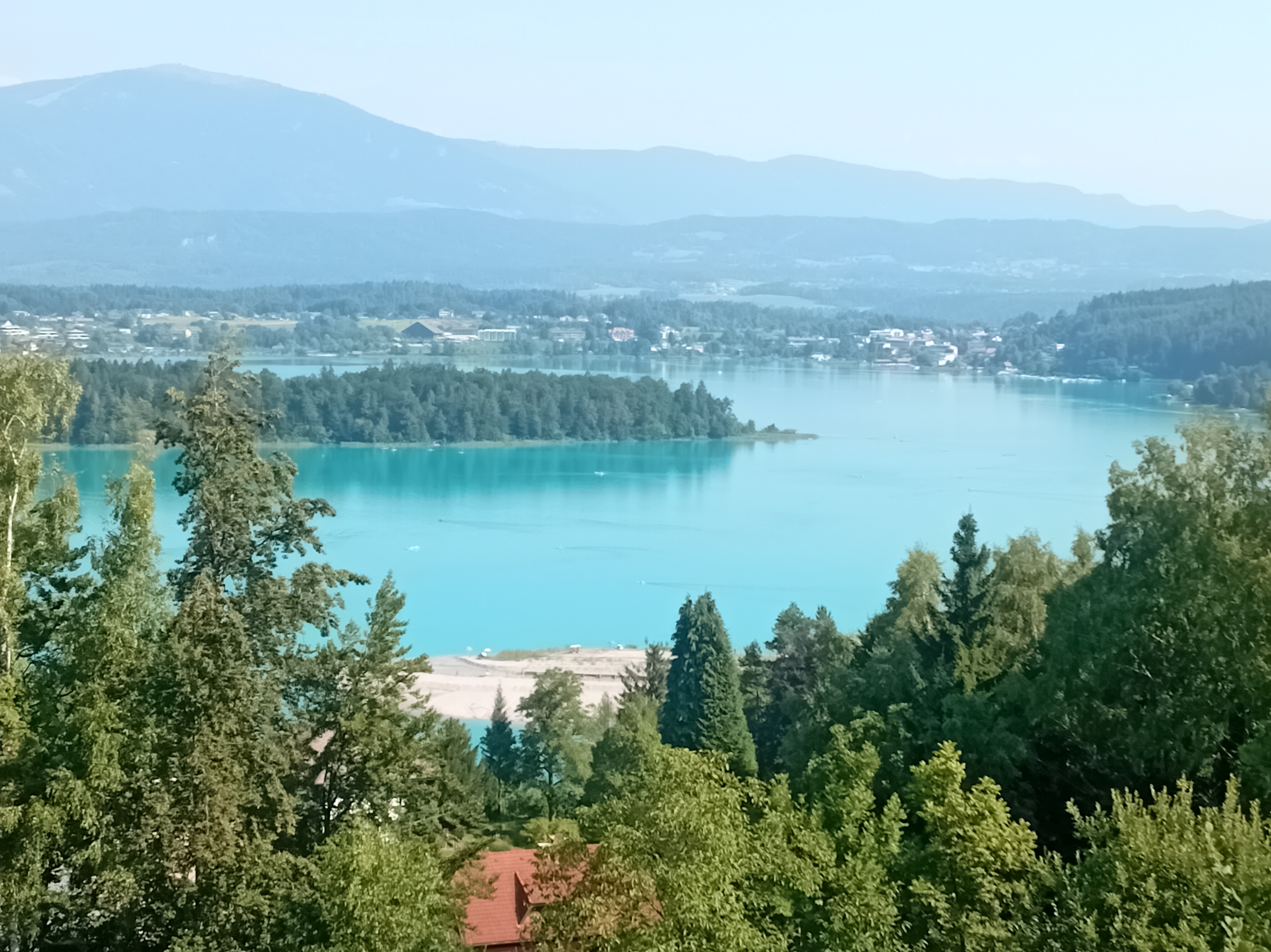
The largest lake in the area is the Worthersee. Its startling colour is due to the limestone in the surrounding hills. There is an ingeneously constructed viewpoint called the Pyramidenkogel built high up on a hill and we took the elevator up to the 10th floor to view the lake below. There were myriad boats, sailors and swimmers out on the lake on a brilliant summer’s day. Hard to believe that in the winter, there is enough ice to turn it into a skating rink, though with climate change, the skating season is becoming shorter.

Vibrant Vienna

Vienna is a beautiful city, perhaps the most beautiful city I’ve visited. You walk along a cobbled street, you look up and see lines of Baroque buildings surrounding a wide courtyard, often with a sparkling fountain in its centre. Or you head for the shade of an avenue of trees and at the end, you see a pair of perfectly matched museums – the Naturhistorisches (Natural History) and the Kunshistorisches (Art History) museums. They were commissioned by Franz Joseph 1 and built between 1871 and 1889.

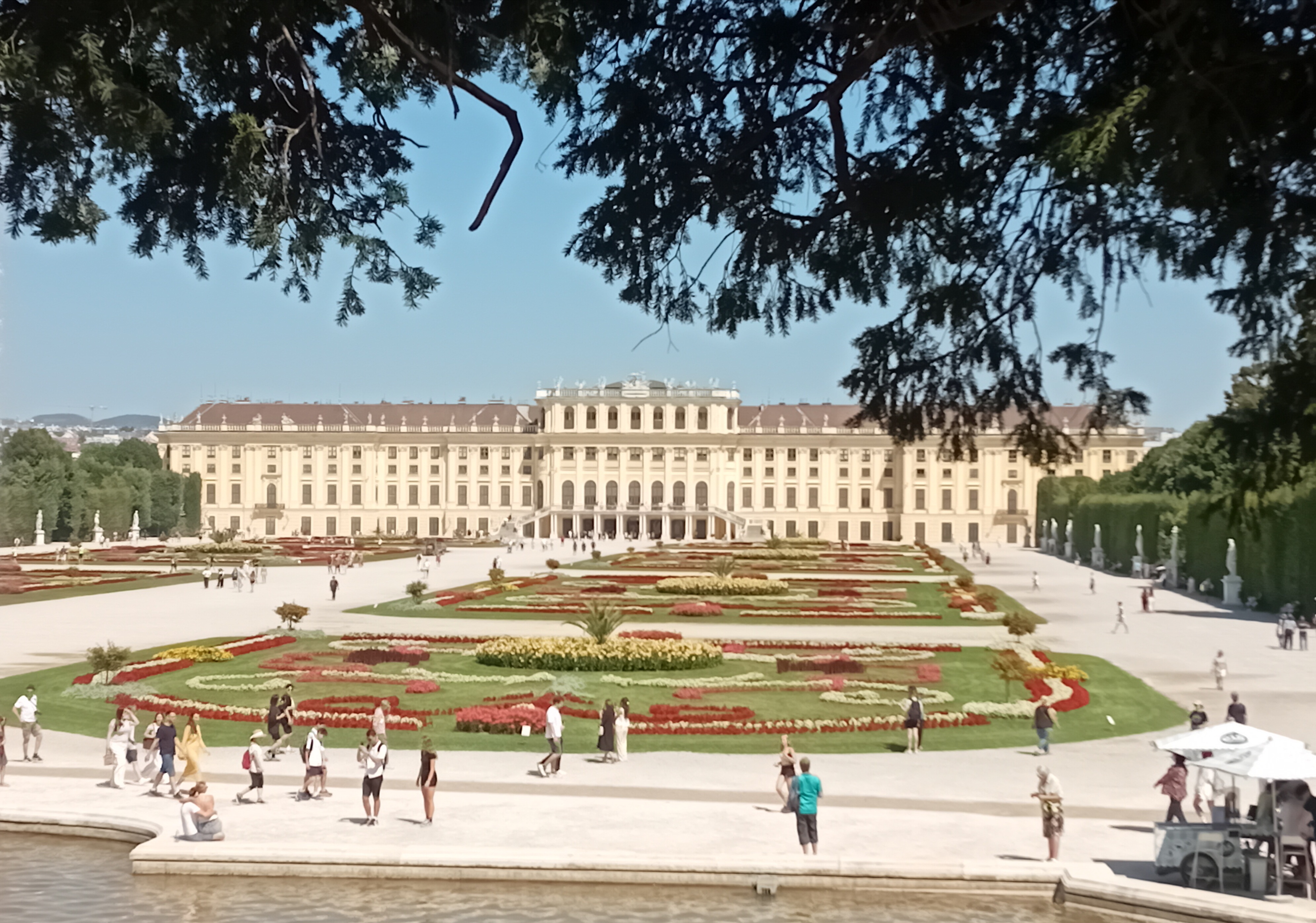
Vienna’s majestic vistas owe much to its past as the capital of the Austro-Hungarian Empire, which was ruled by the Habsburgs for over 600 years. They had access to immense wealth and this shows in the palaces and churches they commissioned. Most impressive of all is their vast summer residence, the Schonbrunn Palace, which has over 1,400 rooms and expansive gardens. We ambled through the estate along with hundreds of other tourists and there was room for us all. We enjoyed coffee and apple strudel in the Gloriette cafe, which has a wonderful view of the gardens and the palace.

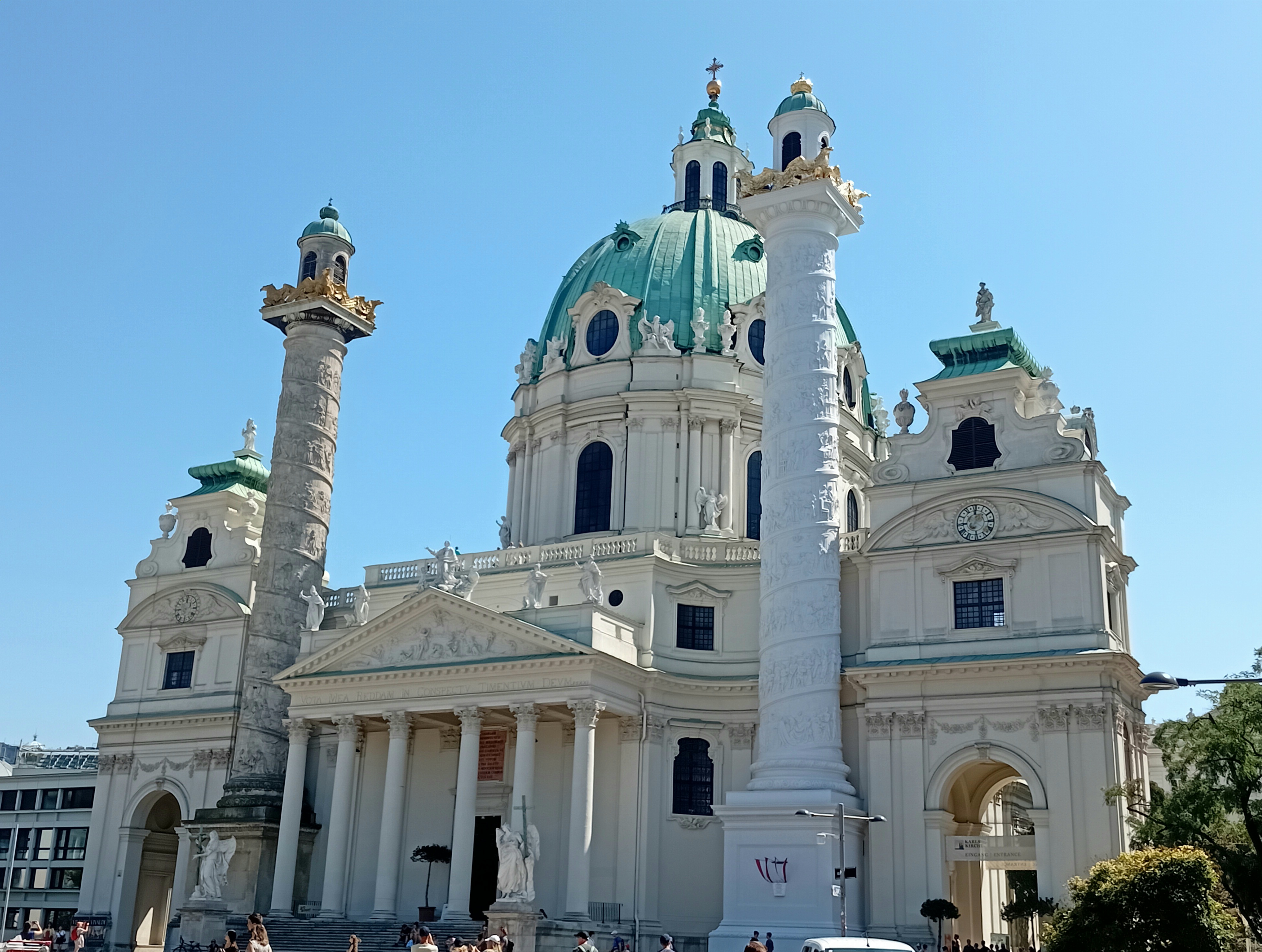
The two main churches in Vienna are the Romanesque/Gothic St Stephen’s Cathedral and the Baroque St Charles’s Church. The former is the seat of the Archbishop of Vienna and its spires dominate the Vienna skyline. It was built on an ancient Roman site and was eventually completed in 1578. The latter is dedicated to Saint Charles Borromeo, who was a leader of the Counter-Reformation. It was commissioned by Charles VI in 1713 in gratitude after a major plague epidemic and completed in 1737.

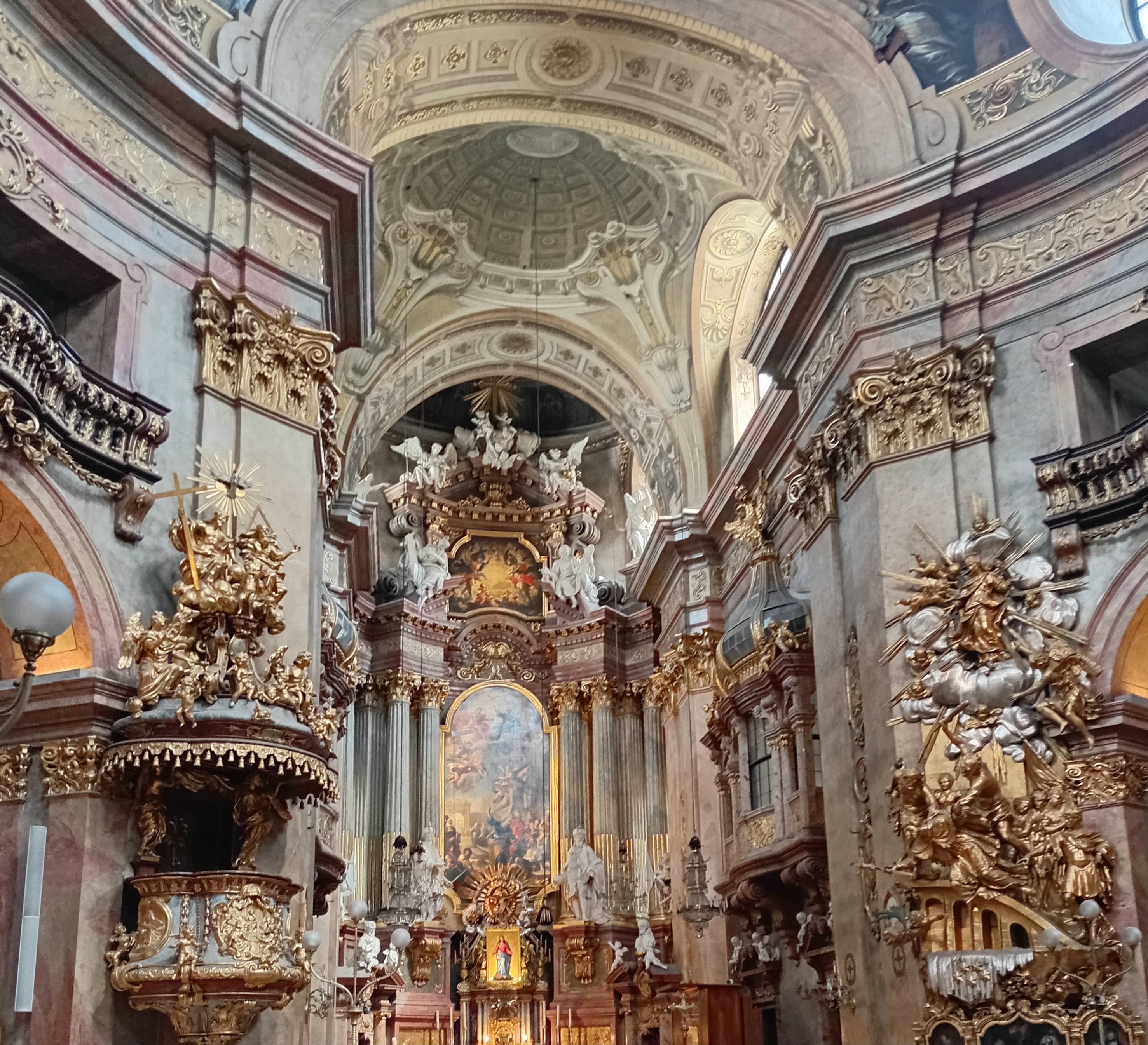
We were lucky to attend an organ recital in the Church of St Peter. Listening to music composed by Vivaldi and Bach, both of whom lived in Vienna, while gazing at the ornate Baroque interior of this 18th century church was a surreal experience. We also went to a concert of chamber music in a monastery where Mozart lived for a short while. The concert was held in a small, beautifully decorated concert hall called the Sala Terrena and was a programme of Viennese music played by a trio of violin, piano and cello. The cellist charmingly introduced the music and waxed lyrical about J S Bach – “not every musician believes in God but every musician believes in Bach”!

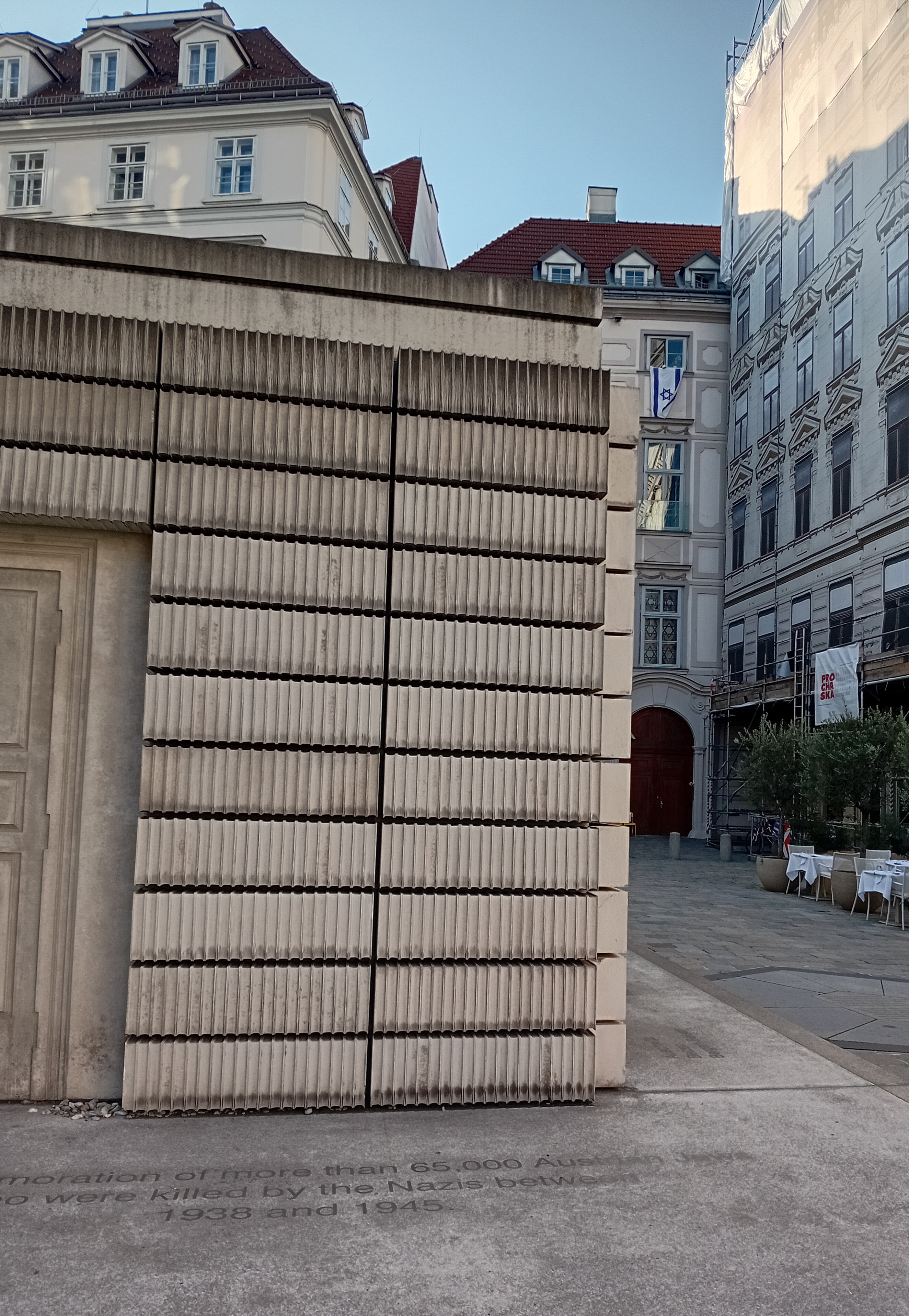
From sublime music to a reminder of Austria’s involvement in the devastation of the 1930s. The beautiful Judenplatz has a sombre memorial to the 65,000 Jewish Austrians who were killed in the 1930s. The square is on the site of a medieval synagogue, which was burned down during a pogram in 1420.

Our time in Vienna was not totally absorbed by palaces, churches and memorials. We were fortunate that our Austrian friends who live four hours away met us in Vienna and they were the most wonderful tour guides. We enjoyed delicious food in their company, including Wiener schnitzel and kaiserschmarrn (a kind of pancake served with fruit compote). We had coffee in a traditional coffee house, where Jim ordered English breakfast tea! and a drink in a roof-top bar with a splendid view of the roof and spires of St Stephen’s Cathedral.

Roman remains

Wherever they found springs, the Romans established towns complete with baths, roads and, in some cases, aqueducts. This was true in Bath and also in cities we’ve visited in Germany. The soaring towers of the Cologne cathedral are awe-inspiring indeed but the Romans were there long before Archbishop von Hochstaden laid the foundation stone in 1248. Called Colonia Claudia Ara Agrippinensium, it was an important city on the Rhine and there are still Roman remnants dotted around the city.

The cathedral was finally completed in 1880. It is a Gothic masterpiece that was planned to house the reliquary of the three wise men and as a fit place for the Holy Roman Emperor to worship. It remains the seat of the archbishop of Cologne. Its spires are over 150m in height and wherever you walk in the city, you can see them soaring above the other buildings.

The city of Aachen is on the site of the Roman settlement of Aquae Granni, so called because the spring there was dedicated to the god Grannus. The smell of sulphur lingers around the city centre, which is picturesque with its cobbled lanes and wide squares. We sat down for an iced coffee in one square and were presented with a dessert – the glass was almost filled with ice cream with a token amount of coffee poured in!

At the heart of the city centre is the cathedral, which is much smaller than the one in Cologne and built in a different style much earlier, around the year 800. It is the burial place of Charlemagne and is constructed around on octagon. The decorations inside are muted and reminiscent of the Byzantine churches in Istanbul. The cobbles of the lanes and squares are dotted with brass plaques that have Charlemagne’s monogram embossed on them. The story goes that he was illiterate so his administrators had a template made to which he could just add a line to complete his signature.

For someone who lives in the antipodes, it is thrill to visit cities that began in ancient times and to marvel at the glories of their medieval pasts. The locals, however, live modern lives among the splendour and one sees them whiling away the summer evenings along the banks of the river or in a town square with their families and friends, taking it all for granted. It seems incomprehensible that they should walk straight past the cathedral and not even break their stride.

An uneasy history

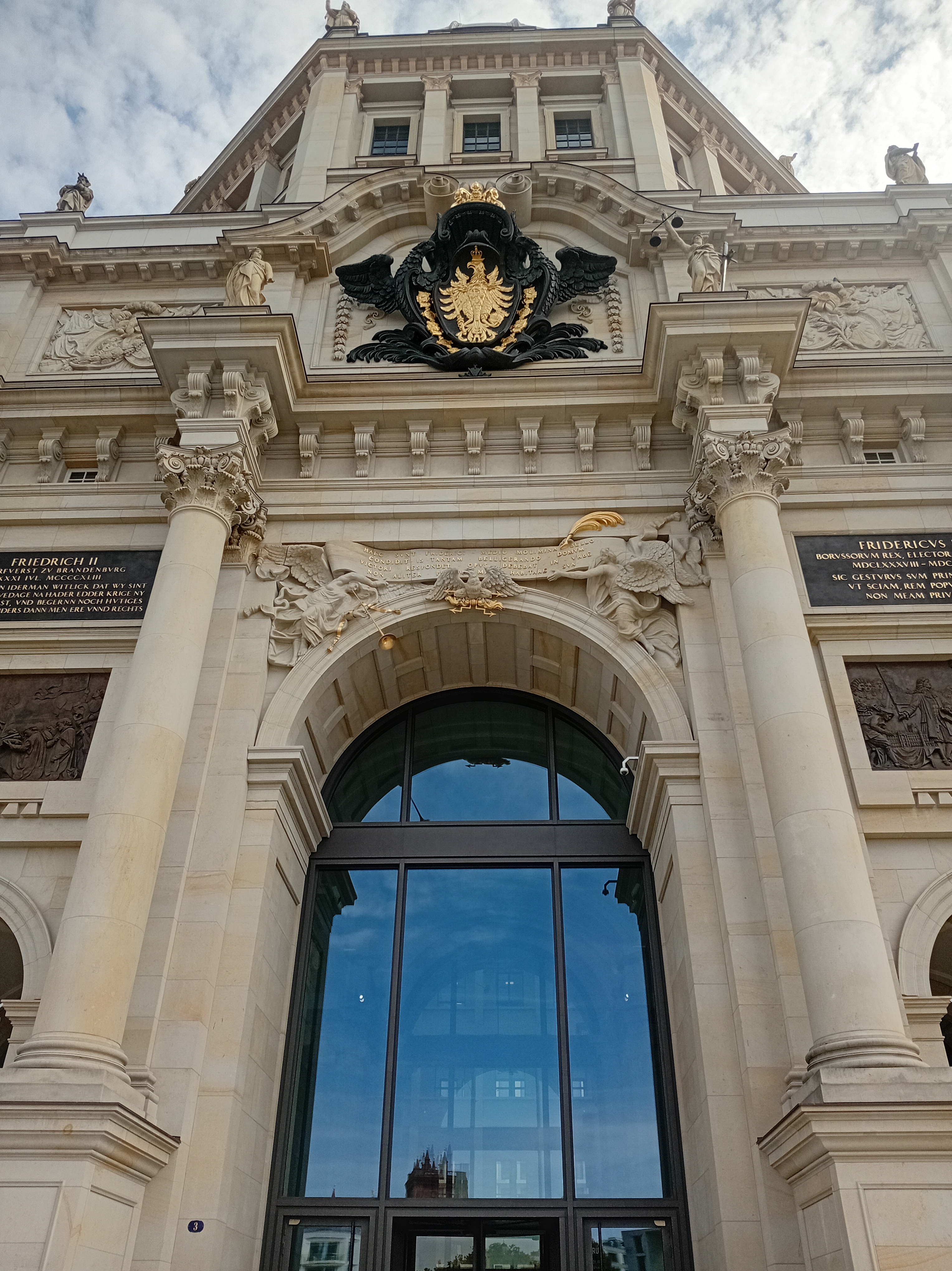
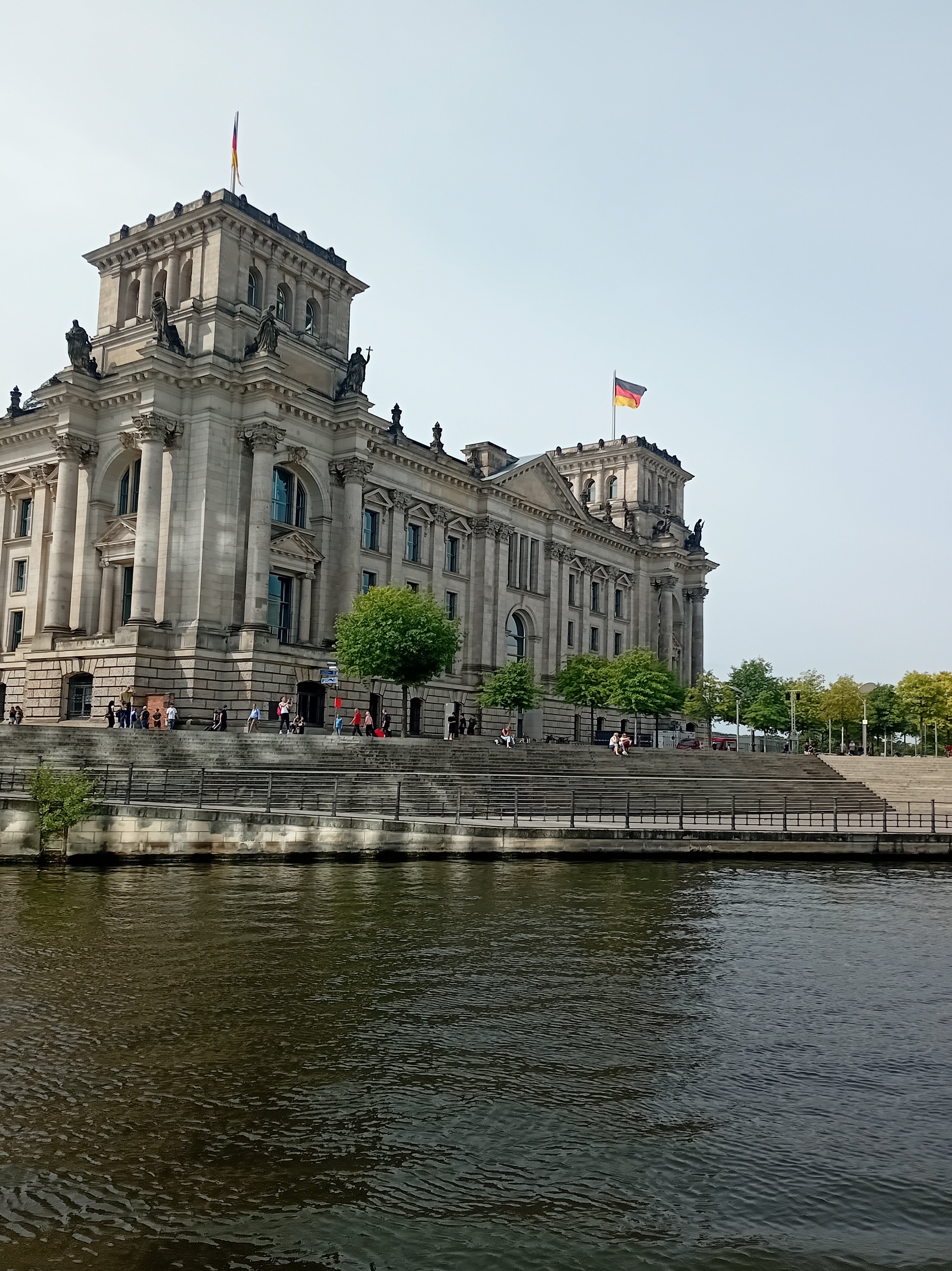
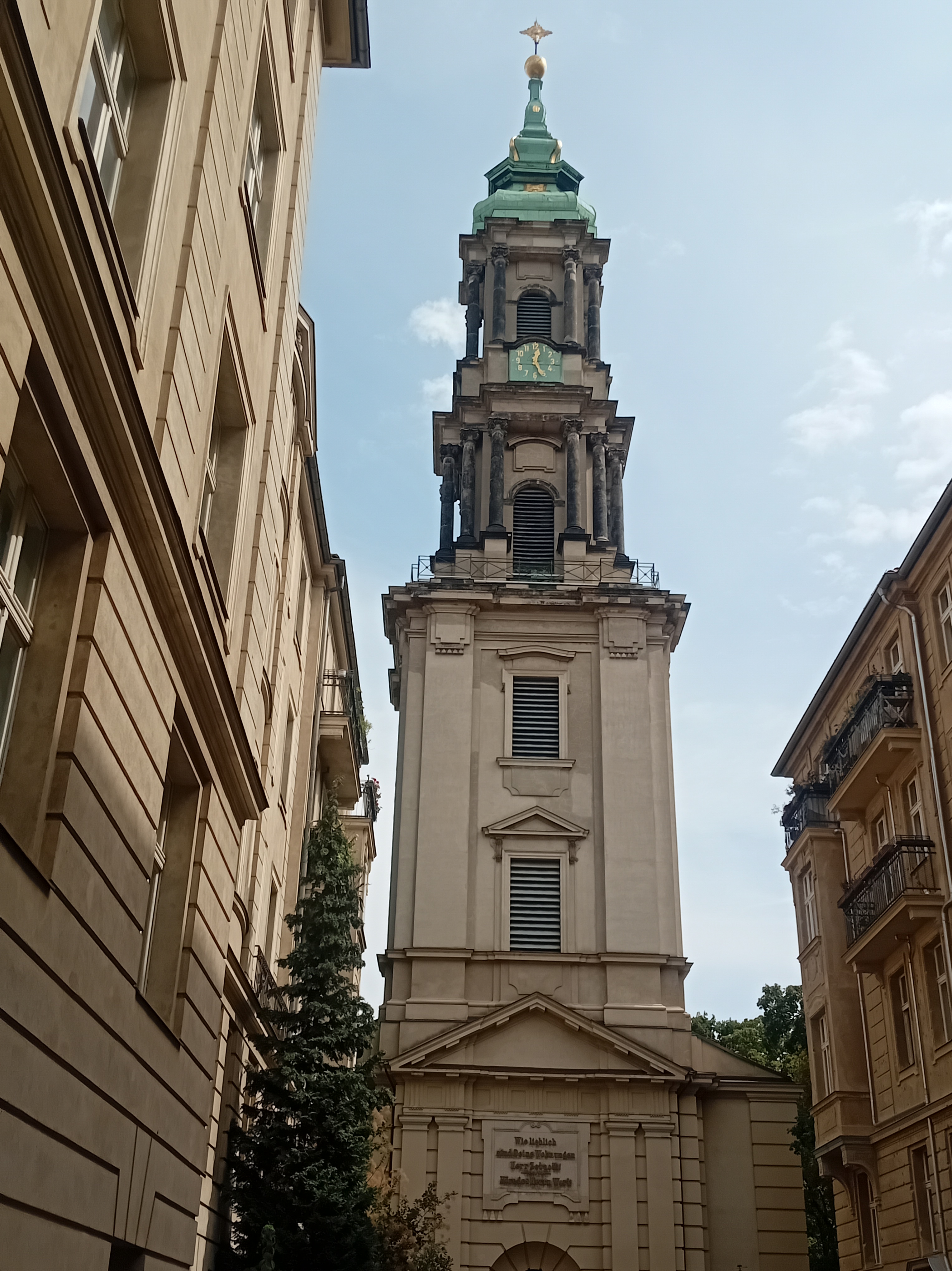
Berlin has a long, complicated history, stretching back more than 780 years. Yet it is a thoroughly modern city, largely because of the extreme destruction it experienced towards the end of the Second World War. Some of the older buildings have been restored in their original form but there are many modern structures, particularly in the area that is home to the federal government and chancellery, so there is an interesting juxaposition of old and contemporary architecture. Many of the buildings were also constructed on a grand scale. Walking around Museum Island, one is overawed by the dimensions – soaring columns, huge statutes and fountains, massive entrances and very high ceilings – of the five museums that are built on an island in the Spree River, accessible by bridges.

The river is an active part of the city and we took a pleasant and informative ferry trip along it. The extensive Tiergarten is a green oasis in this bustling city and performs the same function as Central Park does in New York City. The public transport is amazing and you can get around very easily by tram, bus or underground. A daily ticket will allow you to use all three.

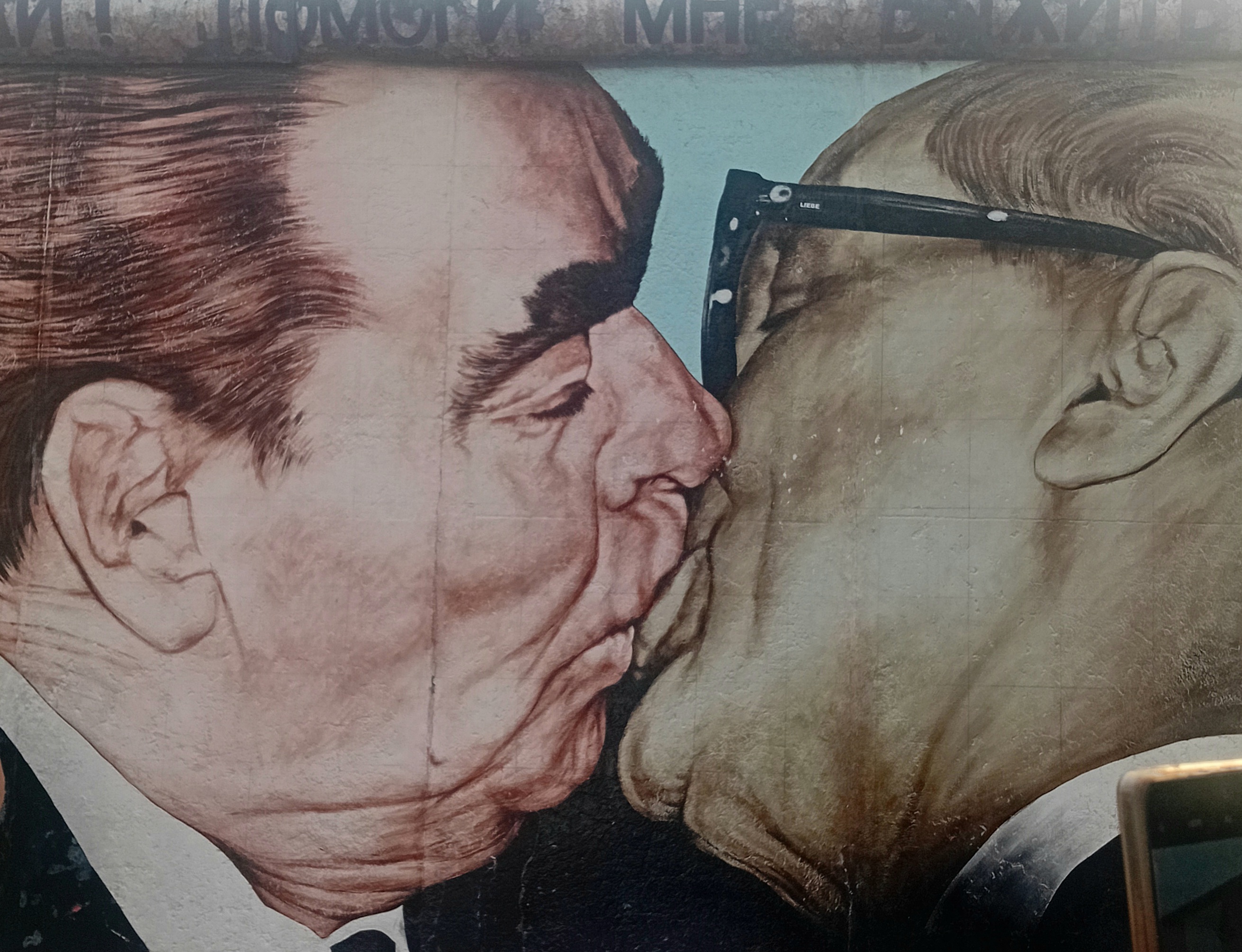
Berlin was a divided city from 1961 to 1989 and the East Side Gallery preserves what is left of the Wall. It is covered in interesting art by various artists from around the world, none more (in)famous than the Dmitri Vrubel painting of Brezhnev and Honecker in an embrace. It’s sobering to remember the chilling effect the Wall had on the people of Berlin, separating families and causing at least 140 people to lose their lives attempting to escape, and on the Cold War world. At a former border crossing point between East and West Berlin, at the Friedrichstrasse station, you can still see the Tranenpalast (Palace of Tears), so-called because of the many tearful partings between East German residents and western visitors that took place there.

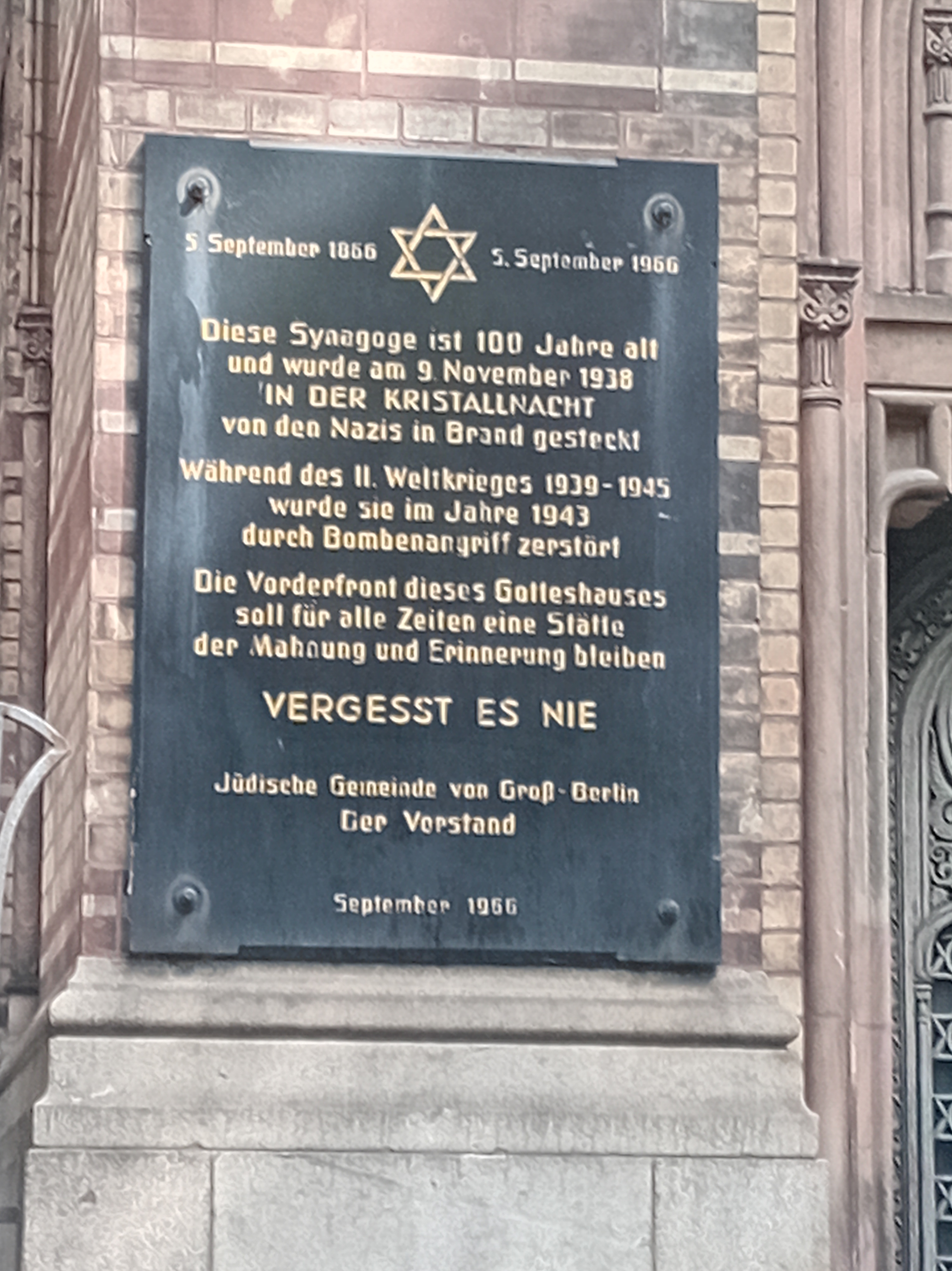
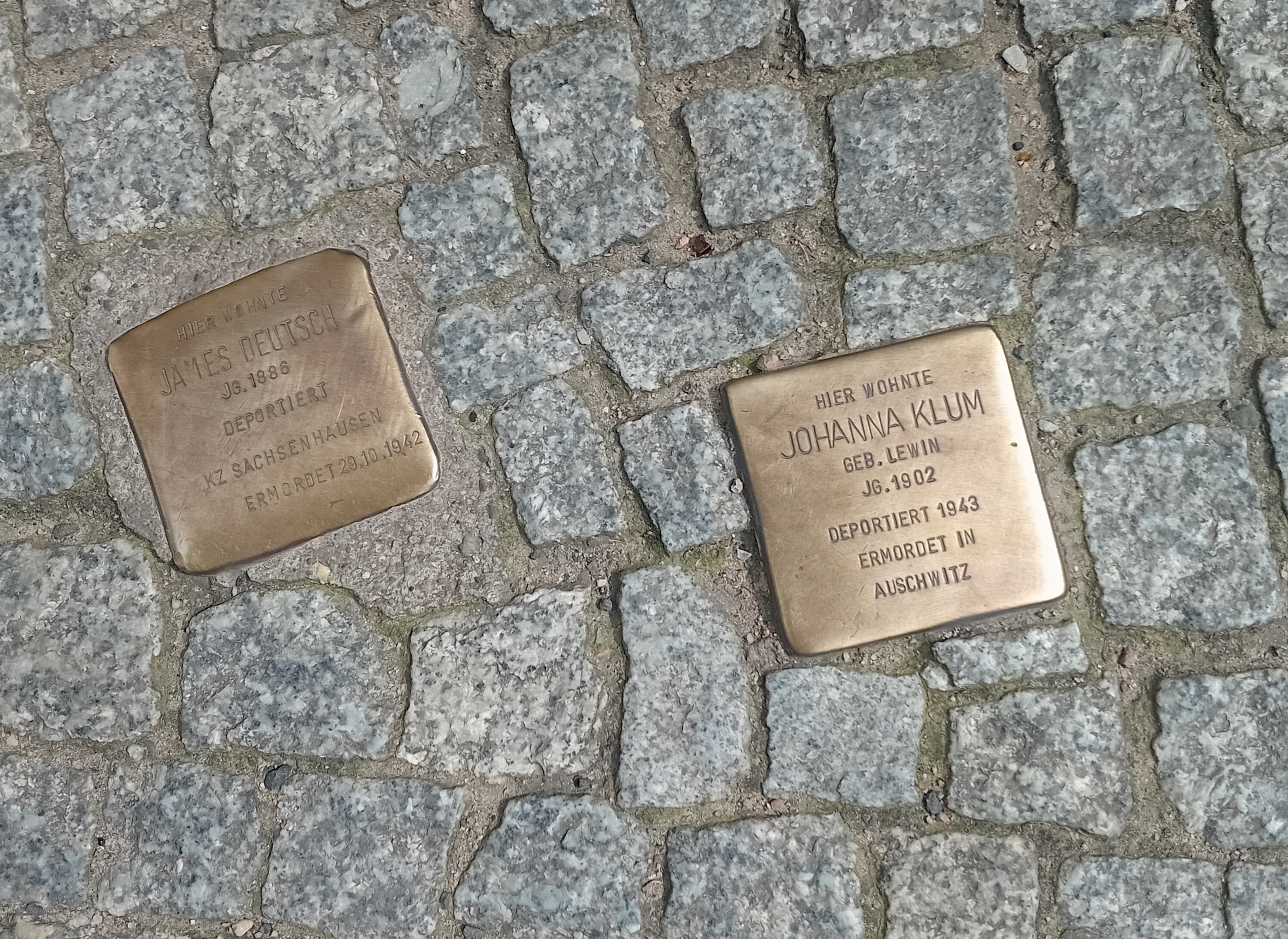
Berlin’s dark past is also evident in the pitted walls caused by small arms fire in the last ditch battle for the city in April/May 1945. But it is the numerous stumbling stones dotted around the cobbled streets that are the most poignant reminders of all. “Here lived Johanna Klum … deported 1943, murdered in Auschwitz”.

Our accommodation (a comfortable and spacious hotel apartment) was in the vibrant Mitte district, in which there are numerous funky stores, art galleries, restaurants and bars. On our last evening, we enjoyed a drink in a quaint courtyard cafe run by charming Vietnamese Berliners. We had a chat to the two young women sitting at the next table. They were Turkish-born, US-educated Berliners, who spoke impeccable English. The Mitte is cosmopolitan, modern and representative of present-day Berlin.

Not retracing our steps

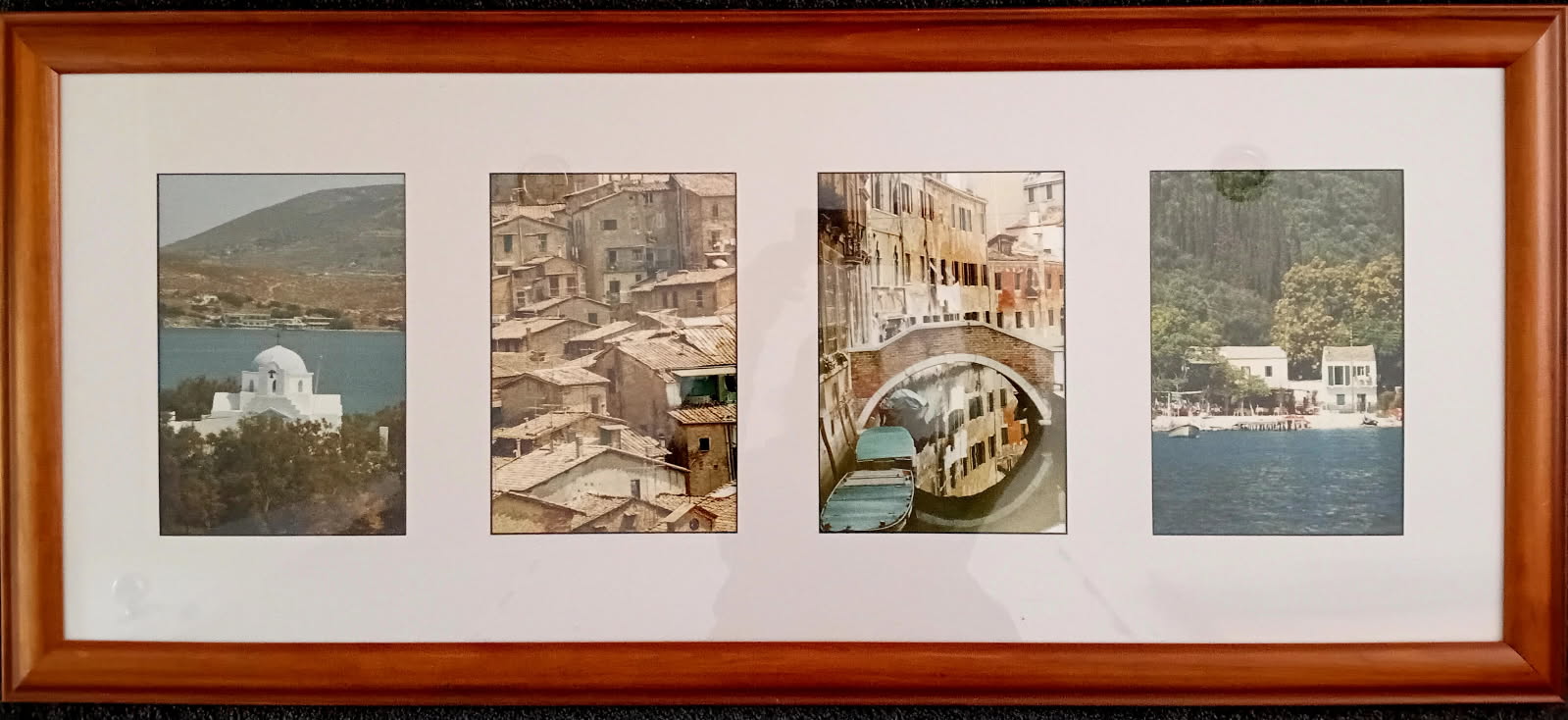
The last time we went to Europe our favourite places were those represented in this collection of photos, which has been displayed in our house ever since. These four photos depict (left to right) the Greek island of Paros, the Italian city of Siena, a Venetian canal, another Greek island – this time, Corfu.

Easy then to see we loved Italy and Greece. Now we are heading to Europe again (after we’ve travelled through North America) but we’re not going to Italy at all this time and have chosen an entirely different Greek island. Why? Mostly because this trip has been planned around catching up with our friends who live scattered around the world. But also because we didn’t want to risk spoiling our memories. The world has changed so much in the interim and many European destinations are now thronged with tourists, whereas we remember idyllic days wandering around ancient cities and islands, mostly free from crowds.

We hope to come home with a new set of favourite experiences with photos to match. Perhaps we’ll invest in another rimu frame in which to display them in our house in Kirikiriroa.